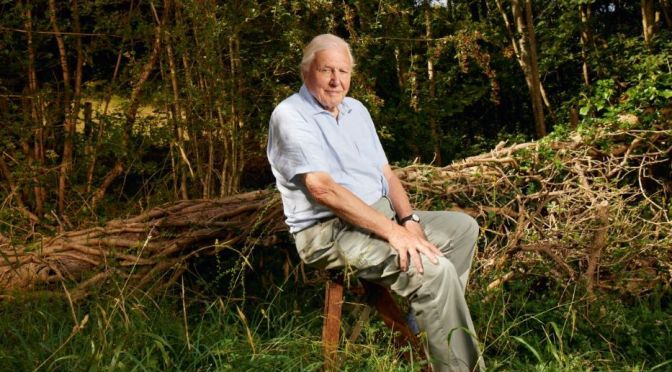
New Scientist (October 23, 2023) – Whilst writing narration for the latest Plant Earth series, David Attenborough had a moment that “made me hold my breath,” he says. In the scene, a leopard located high up in a tree attacks an antelope buck.
Wondering if the leopard could possibly survive falling from such a height, Attenborough says “suddenly you realise you haven’t written anything because, you know, you’re just completely held. And that may tell you that perhaps your words aren’t all that necessary”.
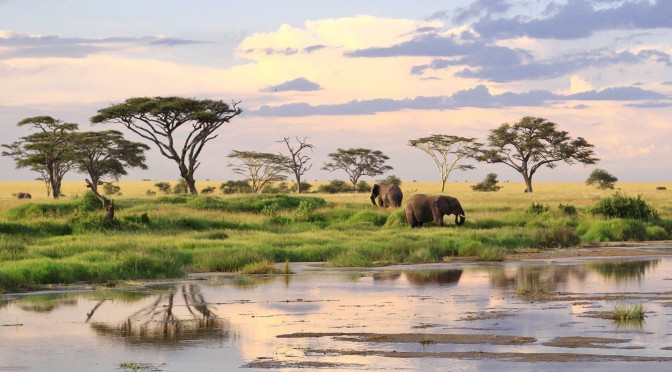
Ella McKendrick Films (September 17, 2023) – Today we’re in the heart of the Serengeti National Park in Tanzania, on the search for Tanzania’s notorious predators – lions, leopards, hyenas and cheetahs. However, finding these iconic animals on our safari is proving more challenging than I expected.
Wildlife Film Festival Rotterdam – WFFR (August 11, 2023) – On the plains of South Dakota, a community of rodents struggles to survive under harsh conditions. In addition, quarrels and conflicts within the colony make life quite difficult… But thanks to a special ‘dog language’, they can prevent attacks from coyotes and badgers.
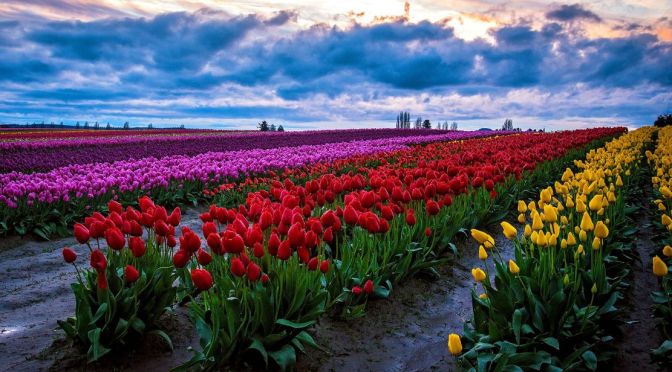
CBS Sunday Morning (May 14, 2023) – You don’t have to travel to Holland to experience fields of tulips. The climate in the northwest corner of Washington State is perfect for the flower, making it home of the annual Skagit Valley Tulip Festival. Correspondent Conor Knighton reports.
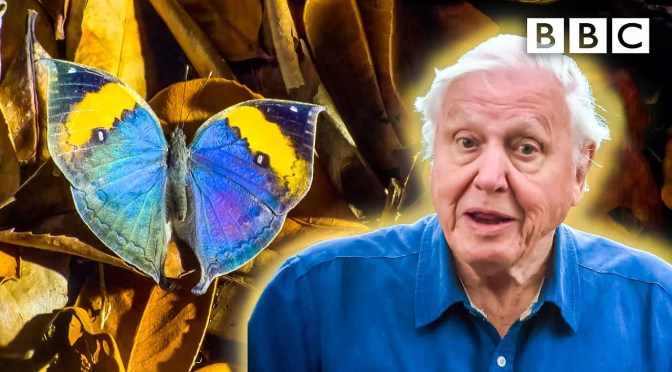
BBC (May 8, 2023) – Sir David Attenborough was born in London on May 8, 1926 and educated at Wyggeston Grammar School, Leicester, and Clare College, Cambridge where he took an honours degree in Natural Sciences. He did two years National Service in the Royal Navy and then spent some time on the editorial side of the University of London Press.
Sir David’s broadcasting career spans over 50 years. It began in 1952 when he joined BBC Television as a trainee and then became a producer working in the studios of Alexandra Palace in north London, from which the world’s first television service was broadcast.
CBS Sunday Morning (April 30, 2023) – This Sunday morning we visit Cades Cove in Great Smoky Mountains National Park in Tennessee.
Cades Cove is an area in the Great Smoky Mountains National Park that was formerly home to many settlers before the national park was established. It has a long, rich history that is still standing for exploration by visitors today.
The Cades Cove loop is open to visitors from sunrise to sunset daily, with a special vehicle-free Wednesday during the summer to allow for bikers and hikers to enjoy the loop safely. Read on to learn more about Cades Cove, including information on the area’s location, history and landmarks.
BBC Earth (April 9, 2023) – “The Rock” in Gibraltar is home to Europe’s only wild monkey, the endangered Barbary macaque. But these monkeys are competing for their habitat, as around one thousand tourists travel to their territory on a daily basis. Can they peacefully co-exist alongisde humans?
Animals are learning to survive and thrive in one very surprising habitat – cities. Join wildlife presenter Hannah Stitfall as she sets out on a mission to meet our new neighbours.
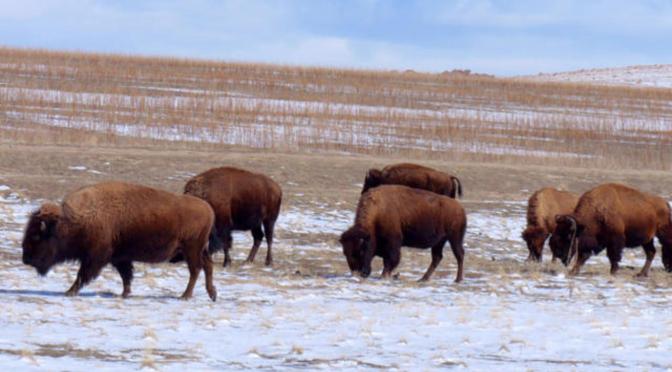
CBS Sunday Morning (April 2, 2023) – We leave you this Sunday morning with Bison still enjoying the snow at Utah’s Antelope Island. Videographer: Lee McEachern.
Antelope Island State Park in Utah is home to free-ranging bison, mule deer, bighorn sheep, pronghorn (antelope), and many other desert animals. Millions of birds congregate along the shores surrounding the island, offering unparalleled opportunities for birding. Year-round Interpretive opportunities round out the Antelope Island experience.
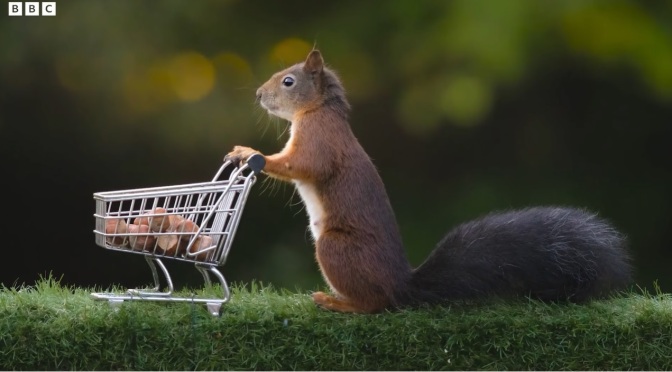
BBC Earth (April 2, 2023) – Red squirrel populations are declining in the UK, with deadly diseases such as squirrelpox threatening their survival. But in the small town of Formby, people are coming together to help secure their future.
Hosted by wildlife presenter Hannah Stitfall (@hannahstitfall via IG).
BBC Earth (March 26, 2023) – Vienna’s Danube is known for its bustling nightlife and mighty skyscrapers, but one surprising resident has also found a home here. Animals are learning to survive and thrive in one very surprising habitat – cities. Join wildlife presenter Hannah Stitfall as she sets out on a mission to meet our new neighbours. #CoExistence
Eurasian Beaver (Castor fiber)
The beaver is the “master builder” of riverine landscapes. By felling trees, the beaver makes a significant contribution to biodiversity by providing habitats for many other species.
In Austria, in the Danube-March-Thaya wetlands; migrates to the Weinviertel (“Forest Quarter”) and the Vienna Woods, but also from the Inn and Salzach down the Danube to Linz.
Endangerment and Conservation Status In Austria, beavers had been extinguished by the middle of the 19th century. Starting in the 1970s, they were restored on the Salzach and Inn rivers as well as in the Danube wetlands east of Vienna. Protecting the riparian forests is essential to the conservation of the beaver.
News, Views and Reviews For The Intellectually Curious


 Ella McKendrick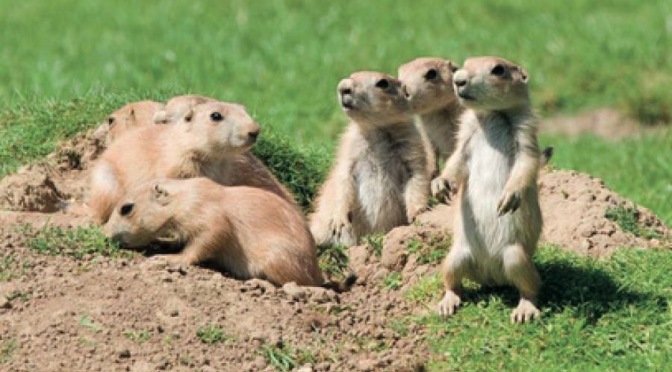






 Boomers Daily