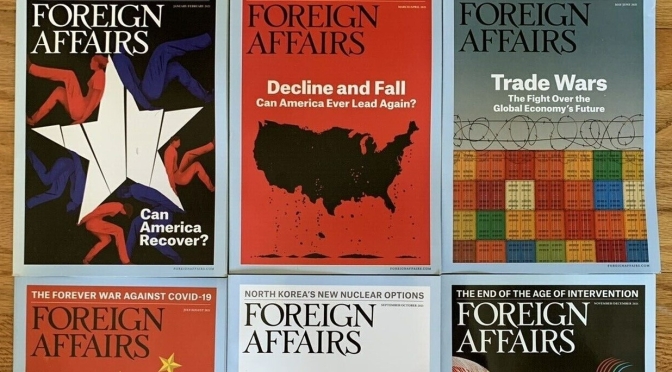
We’re just over three weeks into the second Donald Trump administration, and the pace of events both inside and outside the US has been dizzying and unprecedented.
Many of us have been alarmed by Trump’s shocking pronouncements on the Israel-Gaza war, trade tariffs and territorial claims on Greenland and Panama. But inside America, an equally startling transformation has been taking place.
Aided by the tech billionaire Elon Musk, Trump has moved swiftly to fire critics, reward allies, punish media, gut the federal government and exploit presidential immunity. Yet much of the blueprint comes not from Trump’s own policy team, but from a power-consolidation playbook established over the past decade by the Hungarian authoritarian leader Viktor Orbán.
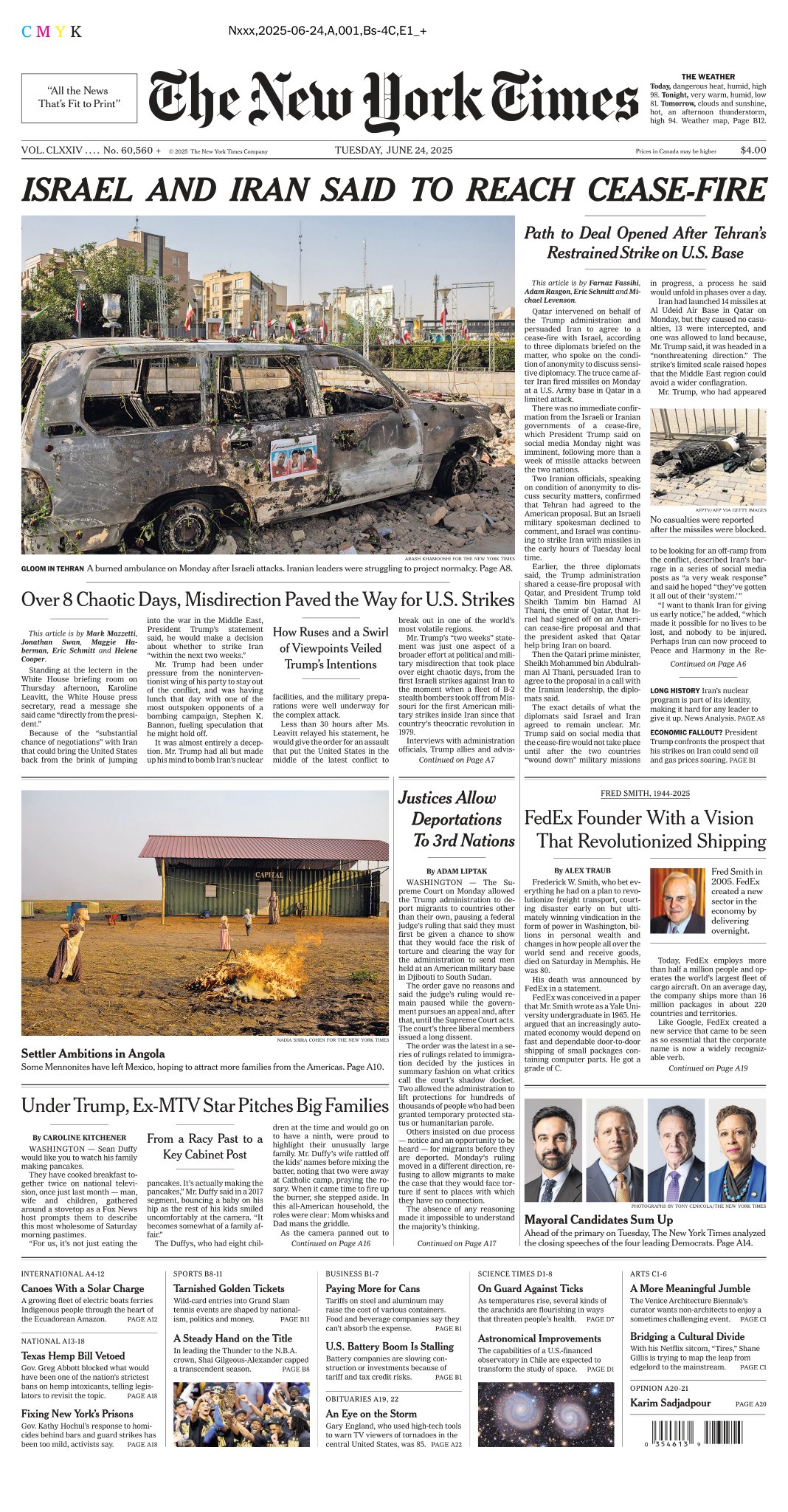
The Times interviewed Russian soldiers who said they face a brutal fight to dislodge determined Ukrainian forces from a sliver of Russian land. Trapped civilians fear catastrophe.
Government investigations into Mr. Musk’s companies are stalling amid President Trump’s firings and Biden administration resignations.
Many Groups Promised Federal Aid Still Have No Funds and No Answers
Judicial rulings have unfrozen some grants awaited by nonprofits, states and companies, but the reprieve has been uneven and many fear the relief is only temporary.
Marion Milner believed in the importance of creative fulfilment (the ‘genius’ inside every one of us) and offered a kind of manual for finding it. From her earliest self-experiments through decades of psychoanalytic practice she took seriously the need to feel ‘real in living’, and tried to theorise the therapeutic potential of aesthetic experience, however minimal.
William had spent most of his life in the care of the state. His story was one of intergenerational trauma, common to many families in the West of Scotland, and of the lies Scotland tells itself about its treatment of its most vulnerable young people.
Angela Merkel’s low-key, unflappable persona makes it easy to overlook how extraordinary her story is. A life composed of such unlike elements has never been possible before and will never be so again, at least in Europe.
While few would question Messiaen’s importance in 20th-century music, his religious modernism has always been met with accusations of idolatry, inauthenticity and bad taste.
TIMES LITERARY SUPPLEMENT (February 13, 2025): The latest issue features ‘Real Ruins?’ = Mary Beard on what gets left behind; AI’s literary triumph; A Nobel laureate’s prose falls short; The price of woke and Kissinger’s boys…
The Peronist Pope
The Argentine pontiff who accepts his own fallibility By A. N. Wilson
The Kremlin freed Marc Fogel, a teacher held for more than three years on drug charges, in a deal negotiated by Steve Witkoff, President Trump’s Middle East envoy.
The UK’s status as a world leader in creative industries will be in peril if we fail to nurture art-and-design skills in our schools, argues Tristram Hunt
Let’s fall in love
Laura Parker investigates the boxing, croaking, crooning, dad dancing and even murder that passes for courtship ritual in the animal kingdom
Beauty and the blimp
Could a new airship designed in Britain deliver eco-friendly aviation, asks Charles Harris
Interiors
Amelia Thorpe picks out glass acts in world of garden rooms, greenhouses and orangeries
Soup-er charged
Tom Parker Bowles reveals how to beef up a boozy, hot-as-Hades French onion soup
A leap in the dark
The play of light and shade has long defined Western art. Michael Hall examines what Constable called ‘the chiaroscuro of nature’
The Duke of Richmond’s favourite painting
The owner of Goodwood picks a work that reflects the sporting history of the West Sussex estate
Three wishes for food and farming
Minette Batters calls for the UK to set a self-sufficiency target for producing its own food
Nature and nurture
In the final article of a three-part series, Tim Richardson ponders the innovation and imagination behind the wonderful grounds at Bramham Park, West Yorkshire
The legacy
Amie Elizabeth White applauds altruistic John Ritchie Findlay, who paved the way for Scotland’s National Portrait Gallery
The good stuff
Hetty Lintell backs a winner with a range of horseshoe jewellery
Light work
Tiffany Daneff is dazzled by the transformation of a dark London garden into a light-filled oasis
Foraging
Winter mushrooms are a rarity, but the striking velvet shank earns John Wright’s approval as a welcome addition to game pie
Arts & antiques
Carla Passino marvels at the masterpieces amassed by Swiss collector Oskar Reinhart as the works go on show in London
Wick me up before you go-go
The wick trimmer’s work was never done in candlelit times, discovers Matthew Dennison
Stalling the next release of hostages from the Gaza Strip, scheduled for the coming weekend, raises new challenges for the already tenuous six-week truce and chances for a lasting end to the war.
The agency had been one of Wall Street’s most feared regulators, with the power to issue rules on mortgages, credit cards, student loans and other areas affecting Americans’ financial lives.
Trump’s Actions Have Created a Constitutional Crisis, Scholars Say
Law professors have long debated what the term means. But now many have concluded that the nation faces a reckoning as President Trump tests the boundaries of executive power.
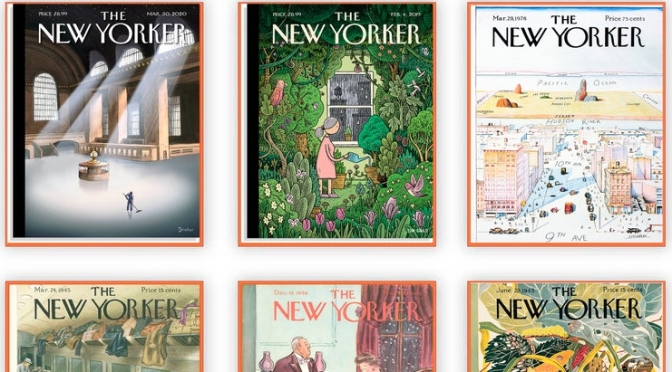
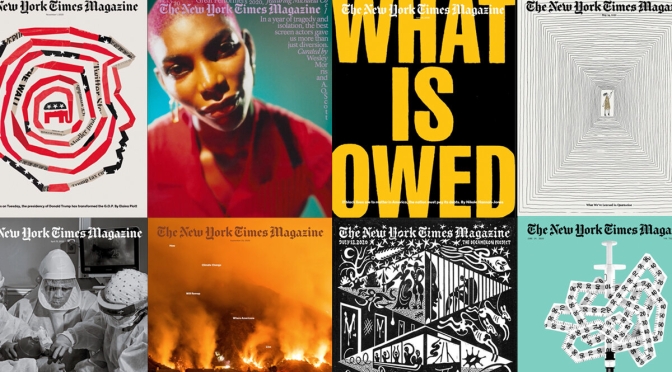
THE NEW YORKER MAGAZINE (February 10, 2025): The latest issue features Rea Irvin’s “Eustace Tilley” at One Hundred – The magazine celebrates its centenary.
The magazine has three golden rules: never write about writers, editors, or the magazine. On the occasion of our hundredth anniversary, we’re breaking them all. By Jill Lepore
Onward and Upward
Harold Ross founded The New Yorker as a comic weekly. A hundred years later, we’re doubling down on our commitment to the much richer publication it became. By David Remnick
The “Intactivists” Campaigning Against the Cut
New York’s biggest foreskin fans take their anti-circumcision message to the streets. By Diego Lasarte
News, Views and Reviews For The Intellectually Curious