Audio

Science Podcast: Botox & Depression, Fruit Fly Sex Drive And New Books

First this week, Contributing Correspondent Cathleen O’Grady talks with host Sarah Crespi about controversy surrounding the use of Botox injections to alleviate depression by suppressing frowning. 

Next, researcher Stephen Zhang, a postdoctoral fellow at the Beth Israel Deaconess Medical Center, discusses his Science Advances paper on what turns on the fruit fly sex drive. Finally, we are excited to kick off a six-part series of monthly interviews with authors of books that highlight the many intersections between race and science and scientists. This week, guest host and journalist Angela Saini talks with Keith Wailoo, professor of history and public affairs at Princeton University, who helped select the topics about the books we will be covering and how they were selected. 

Morning News: Future Of Libya, Voting Rights And Quality Of Life Survey

We discuss the future of Libya and whether stability is any closer after yesterday’s Berlin conference. Then, what does the striking down of voting rights legislation mean for bipartisanship during Biden’s presidency? 

Plus: Monocle’s new Quality of Life rankings are out; where did your city come?

Morning News: New U.S. Industrial Policy, Covid Vaccinations, Olympics

According to a speech scheduled to be delivered today, the Director of the National Economic Council, Brian Deese, will say the economic disruption of the pandemic shows that America needs an industrial policy that invests in more manufacturing jobs.

  • Plus, the Biden administration says it won’t meet its July 4th COVID vaccination goal.
  • And, what you need to know one month ahead of the Tokyo Olympics.

Guests: Axios’ Hans Nichols and Ina Fried.

Morning News: The Fed & Interest Rates, Europe’s Drug Use, Remote Work

The merest mention of future interest-rate rises from America’s central bank sent markets into a tizzy. We consider the merits and the effects of signalling early and often.

Europe’s drug use dipped when the pandemic began, but soon rebounded; we examine the rising potency of the continent’s drugs and drug syndicates. And data reveal what makes work-from-home productivity so low.

Morning News: Low-Wage Workers, Big Tech Stocks, Remote Work In Hawaii

A.M. Edition for June 21. WSJ’s Eric Morath on why employers competing for low-wage workers are offering signing bonuses and other perks. 

Big tech stocks face a new landscape in 2021. Plus, working remotely in Hawaii may not be as simple as some think. Marc Stewart hosts.

Political Analysis: How To Stop Ransomware, U.S. -Russia & Working At Home

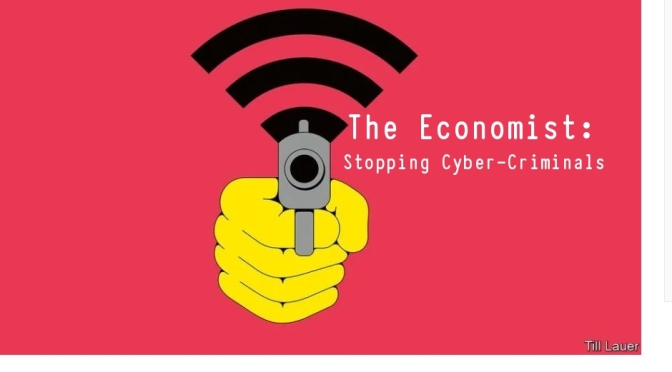
A selection of three essential articles read aloud from the latest issue of The Economist. This week: how to stop the ransomware pandemic, America and Russia return to traditional great-power diplomacy (10:15) and picking the best days to work from home (19:20).

Saturday Morning: Latest Headlines From London

The weekend’s top discussion topics with Georgina Godwin: Charles Hecker with the newspapers, Monocle editor in chief Andrew Tuck’s column and a report on the resurrection of one of Europe’s grandest rail routes.

Morning News: French Elections, U.S. Foreign Policy & Train Travel

A look ahead to the weekend’s regional election in France, a look at the state of US foreign policy after an eventful week for president Biden, plus the renaissance of night trains in Europe.

Morning News: Global Inflation, Rental Homes & China’s Space Program

A.M. Edition for June 17. WSJ’s Paul Hannon on the role central banks around the world play in determining interest rates to control inflation. 

Property-rental sites deal with a shortage of inventory and strong demand. China marks a milestone in its space program. Marc Stewart hosts.

Morning News: Biden & Putin, Cryptocurrencies, French Property Laws

Joe Biden and Vladimir Putin have much to hammer out today—but don’t expect it to be genial. We examine what is on the table, and how each president will be judged.

 Competition in the cryptocurrency world is mushrooming; we ask whether any contender might knock bitcoin off its top slot. And France’s curious sell-now, die-later property scheme