Spies: The Epic Intelligence War Between East and West by Calder Walton
Spying Through a Glass Darkly: The Ethics of Espionage and Counter-Intelligence by Cécile Fabre
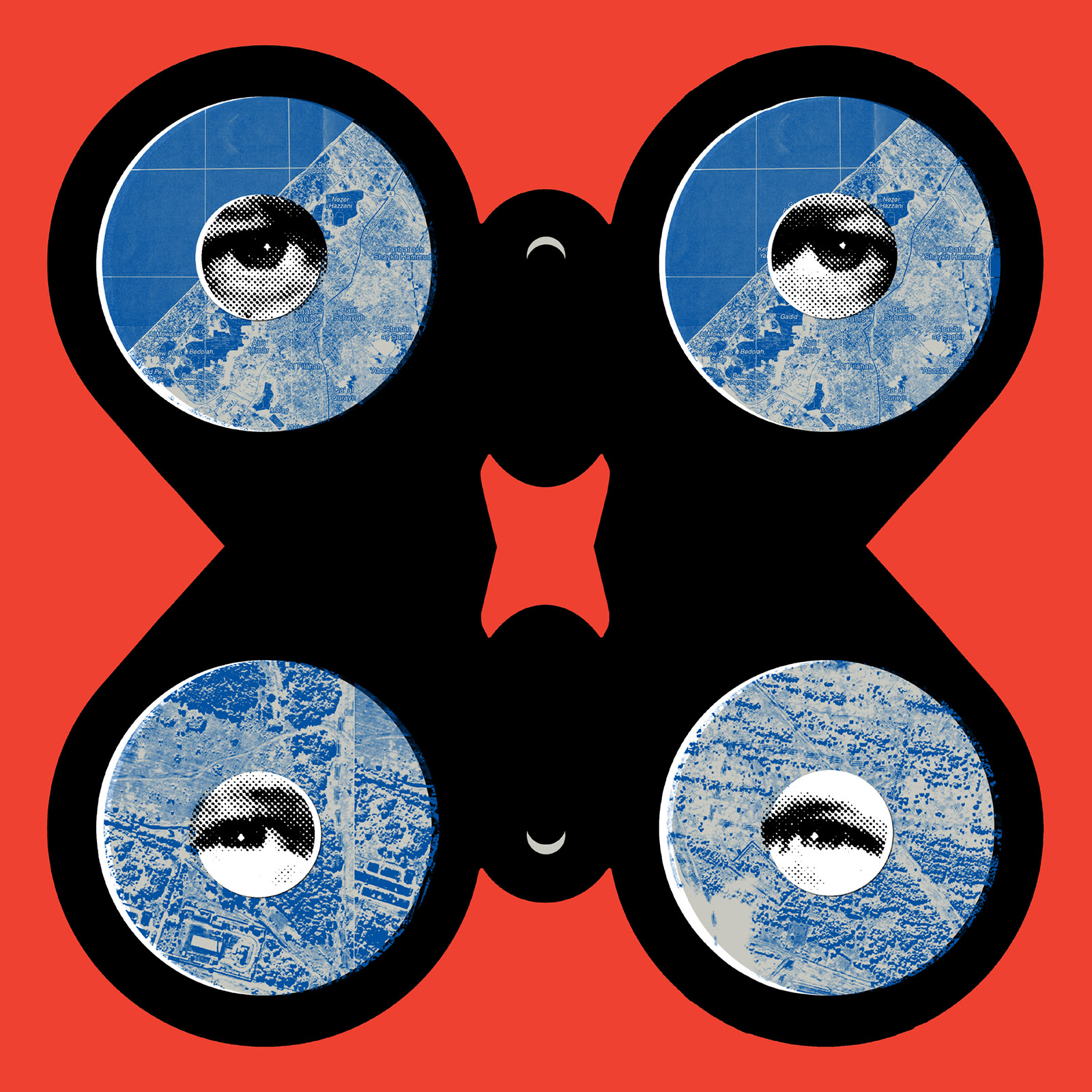
On October 7, as Hamas fighters roared into southern Israel from Gaza, bringing terror and death to anyone they encountered—Israeli soldiers, Bedouins, young people dancing and getting high together, kibbutzniks scooping up small children into desperate arms—I was sleeping in a comfortable hotel room in Georgia. All around me in the sultry darkness of a beautiful resort, many of the US intelligence community’s finest minds were also slumbering. We awoke with the expectation that we would be addressed by CIA director William Burns at the opening of the Cipher Brief’s annual Threat Conference, a yearly gathering of national security professionals from the private and public sectors, plus a few academics and journalists.
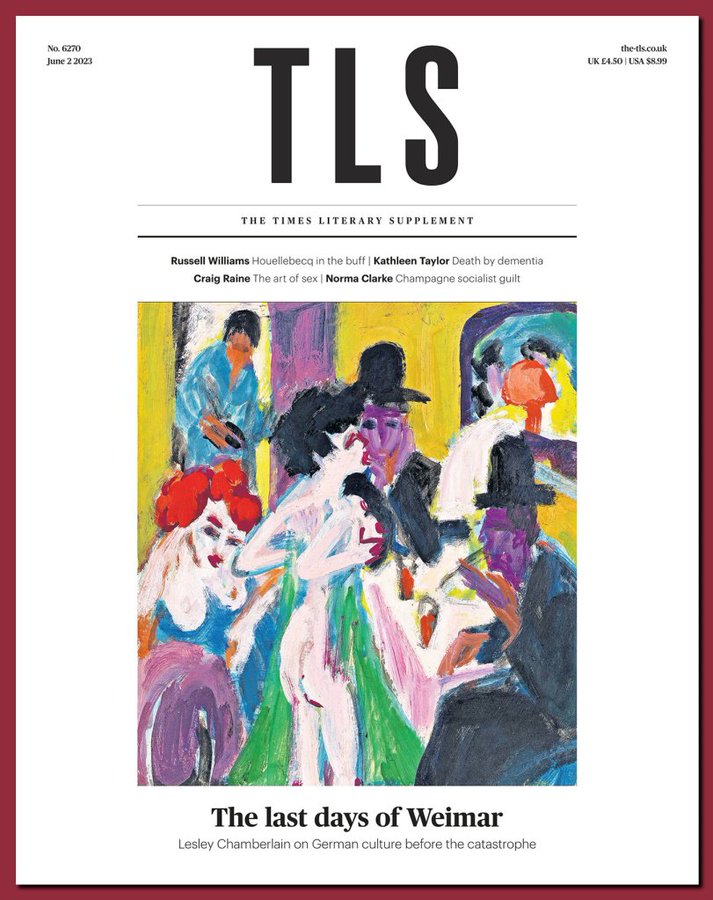
Times Literary Supplement (June 2, 2023): The Last Days of Weimar – Lesley Chamberlain on German culture before the catastrophe; Michel Houellebecq in the buff; Death by Dementia; The Art of Sex and Champagne socialist guilt.
Weimar is world-famous. A number of important philosophers, musicians, and literary figures used to live here – including renowned poets Johann Wolfgang von Goethe and Friedrich Schiller. Weimar Classicism attracts tourists even today. But the city of Thuringia is also home to a dark chapter of German history. There, the Nazis built built one of their largest concentration camps, Buchenwald, where a total of around 266,000 people were imprisoned.
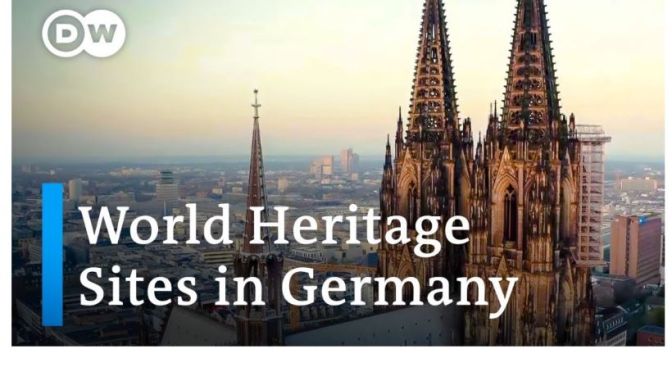
Check out this fantastic drone footage of Germany’s 46 UNESCO World Heritage Sites! In Part 2, we’ll take you to see Cologne Cathedral, the Museum Island in Berlin, the historic towns of Bamberg and Goslar, the Bauhaus buildings and sites in Dessau and Weimar, as well as Wartburg Castle — the place where Martin Luther translated the New Testament into German. Video: André Götzmann | Peter Wozny | Elisabeth Yorck von Wartenburg
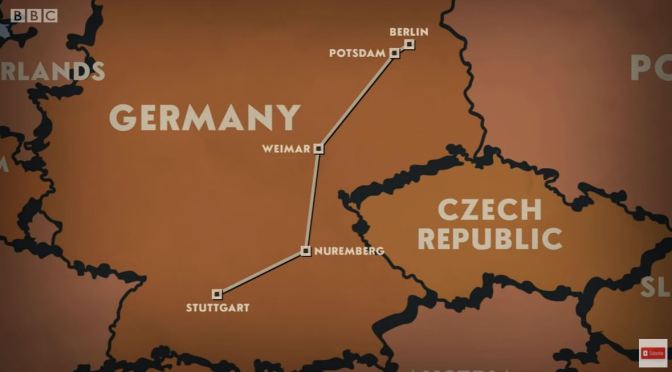
Michael Portillo embarks on a rail journey through Germany, steered by a Bradshaw’s Continental Railway Guide published in 1936. His unique window on Europe between the world wars takes him through a tumultuous period in German history, when the nation’s first democracy and its vibrant culture of art, design and decadence were swept away by fascism, nationalism and the increasing likelihood of war.
In a vast stadium, Michael hears how new rail lines were constructed to transport crowds of spectators to the Nazi Olympic Games of 1936. Michael learns how a planned boycott by the United States and other European nations failed and how the success of a black American athlete undermined the Nazi ideology of Aryan superiority.
At the Museum of Modern Art in Berlin’s Kreuzberg, Michael sees how a leading artist of the era, George Grosz, warned of the rise of fascism in a haunting self-portrait. Michael goes to the movies in Potsdam and discovers the success of the Babelsberg Studios, where directors such as Fritz Lang and stars such as Marlene Dietrich worked. He hears how production was taken over by the Nazis for propaganda.
In the Schöneberg district of the capital, Michael researches the decadent night scene of the 1920s, where sexual freedoms attracted gay and lesbian visitors from across the world. Michael sees how cabaret culture is being revived today – a burlesque performance is on the bill. At the birthplace of German democracy in Weimar,
Michael investigates the beginnings of Bauhaus design and visits the movement’s first building – a single-family house which went beyond a statement of style to present a vision of how people would live in the 20th century. Travelling with author Julia Boyd to Nuremberg, Michael discovers that during the 1930s, despite the First World War and the Third Reich, Britons and Americans loved Germany and German culture.
Michael hears how one Briton above all was welcomed by Hitler to Germany – the Duke of Windsor, former King Edward VIII. In the medieval Bavarian city of Nuremberg, Michael visits the monumental buildings and parade grounds, which were the stage for vast Nazi rallies to publicise the regime around the world and arouse popular support at home.
Michael finishes in Stuttgart, where an ambitious engineering project is under way, which will integrate the city into a high-speed train route connecting Paris with Bratislava. Michael bags a ride in a high-performance Porsche to the manufacturer’s Stuttgart headquarters and discovers that in the 1930s, the founder designed an affordable car for mass production – the Beetle.
News, Views and Reviews For The Intellectually Curious






 Boomers Daily