

The race between covid-19 vaccines and variants is on. Alok Jha, The Economist’s science correspondent, and Natasha Loder, health policy editor, discuss what this means for the future Read more of our coverage on coronavirus: https://econ.st/3t1L6wx
Tag Archives: Video Analysis

Analysis: Is Hydrogen The Fuel Of The Future?
It’s been hailed as fuel of the future. Hydrogen is clean, flexible and energy efficient. But in practice there are huge hurdles to overcome before widespread adoption can be achieved.
Video timeline: 00:00 How hydrogen fuel is generated. 02:04 How hydrogen fuel could be used. 02:46 Why hydrogen fuel hasn’t taken off in the past. 03:40 Is hydrogen fuel safe? 04:31 Hydrogen’s advantage over batteries. 05:00 How sustainable is hydrogen fuel? 06:13 Why the hype about hydrogen may be different this time.

Analysis: With Takeover By Taliban, What Is Future Of Afghanistan? (WSJ Video)
The Taliban seized power in Afghanistan, with fighters entering the presidential palace, and gunshots broke out at Kabul’s airport as thousands tried to flee the country. The collapse of the Afghan government creates an uncertain future for civilians and challenges for the U.S. Photo: Stringer/Reuters

Investing: The Risks Of Buying Chinese Stocks
Chinese tech stocks popular among U.S. investors have tumbled amid the country’s regulatory crackdown on technology firms. WSJ explains some of the new risks investors face when buying shares of companies like Didi or Tencent. Photo Composite: Michelle Inez Simon
Education: How Common Core Failed In U.S. Schools
First implemented in 2009, Common Core was an ambitious initiative to revolutionize the American education system. National leaders from Bill Gates to President Obama supported the idea and it cost an estimated $15.8 billion to implement. Years later, research showed the new curriculum had minimal impact on student performance. So why did Common Core fail? Can a common curriculum be successful for all students? Watch the video to find out.
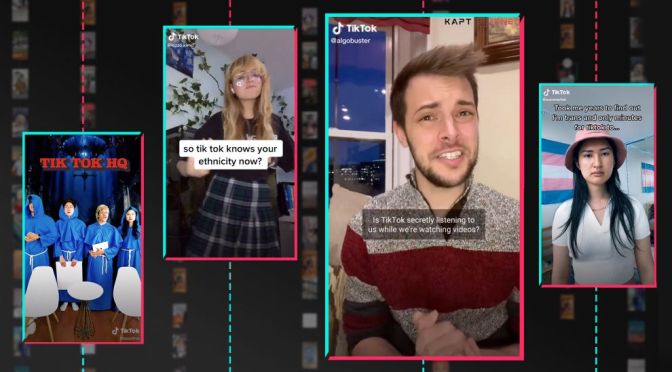
Social Media: Tik Tok’s Algorithms Know ‘You’
The Wall Street Journal created dozens of automated accounts that watched hundreds of thousands of videos to reveal how the social network knows you so well A Wall Street Journal investigation found that TikTok only needs one important piece of information to figure out what you want: the amount of time you linger over a piece of content. Every second you hesitate or rewatch, the app is tracking you. Photo illustration: Laura Kammermann/The Wall Street Journal

Finance: Why The Fed Will Create A Digital Dollar
The Federal Reserve is trying to figure out how to keep cash relevant in a cashless world. It’s considering digitizing the U.S. dollar, giving people money they can access on their phone and bypassing electronic payments that can be slow and costly for businesses. Illustration: Jacob Reynolds/WSJ

Covid-19: mRNA Vaccines Do Not Change Your DNA
With so many myths about COVID-19 vaccines regarding their impact on our health, many people don’t know what to believe. In our fact check, find out what you need to know about the mRNA vaccines — as we expose the myths and reveal the facts.
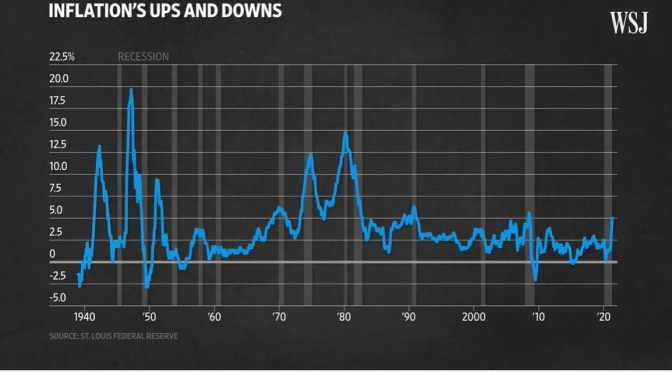
Economics: Is Inflation Making A Comeback? (WSJ)
Recently, the U.S. inflation rate reached a 13-year high, triggering a debate about whether the country is entering an inflationary period similar to the 1970s. WSJ’s Jon Hilsenrath looks at what consumers can expect next. Photo: Alexander Hotz

Sports Business: The High Cost Of Hosting Olympics
In 2018, the Rio games were estimated to have a total cost of $20 billion, far beyond the Rio organizing committee’s initial estimate of $2.8 billion. The city of Rio shelled out $8.2 billion on legacy builds, or builds intended to live well beyond the Olympic’s three-week life-cycle. Cities incurring overrun costs when hosting the Olympics is not just unique to just Rio; according to the Council on Foreign Relations, since 1960, every Olympics saw high overrun costs. As overrun costs become a growing concern, several cities withdrew their 2022 winter Olympic bids in 2014, citing the potential costs. The International Olympic Committee (IOC) enacted the Olympic Agenda 2020 in 2014; the agenda provided new regulations specifically to mitigate cost concerns. However, the IOC was faced with another challenge: hosting the Tokyo Olympics amid the Covid-19 pandemic.
 Boomers Daily