Tag Archives: V&A Videos

Views: Beatrix Potter’s ‘Lake District’ In England

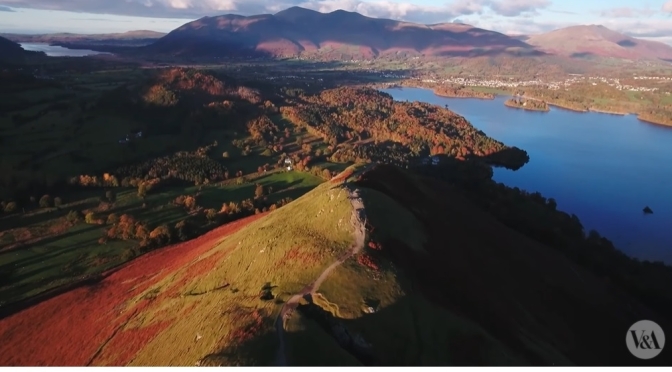
From dawn to dusk. Sit back, relax, and be transported to the Lake District with a specially commissioned immersive film that celebrates the sights and sounds of a landscape that inspired Beatrix Potter.

The Lake District is a region and national park in Cumbria, North West England known for its glacial lakes and rugged fell mountains. Beatrix Potter eventually settled here after growing up in her ‘unloved birthplace’ of London, becoming an award-winning sheep farmer and respected member of the local community.

When Potter died aged 77 on 22 December 1943, she left 14 farms and more than 4,000 acres to the National Trust. Produced and directed by award-winning filmmaker and photographer Terry Abraham, this film captures intimate shots of the native wildlife that Potter would have sketched and later immortalised in her storybooks, alongside epic panoramic footage of its mountains and lakes, featuring locations where Potter lived, worked and admired:

Catbells and Derwentwater Newlands Valley Watendlath Yew Tree Farm, Coniston Tarn Hows Hill Top and Near Sawrey Esthwaite Water Ullswater Great Langdale

Read an interview with Terry Abraham on our blog: https://www.vam.ac.uk/blog/museum-lif…

This film was produced to accompany the V&A exhibition, Beatrix Potter: Drawn to Nature, until 8 January 2023.
Artistry: Making ‘Hikihaku Obi’ Textile In Japan (Video)

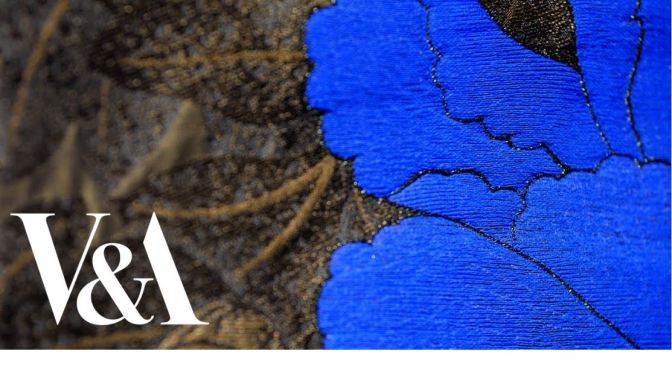
Nishijin-ori textiles are known for their exquisite detail, and have been made in the Nishijin area of Kyoto, Japan for over 1,200 years. Follow the intricate process involved in creating obi (the sash worn with traditional Japanese clothing), using a specialised technique called hikikaku – weaving with precious metallic thread. From the making of the thread itself, to the weaving on the loom, watch as three obis are made – one from 100-year-old silver foil, one from mother of pearl, and one from the semi-precious stone, lapis lazuli.

Processes: Silver foil obi: 1:26​ Mother of pearl obi: 4:17​ Lapis lazuli obi: 6:35

Nishijin-ori (西陣織, Nishijin fabric) is a traditional textile produced in the Nishijin (西陣) district of Kamigyō-ku in KyotoJapan.

Originating in Heian-kyōto over 1200 years ago, Nishijin weaving is known for its highly-decorative and finely-woven designs, created through the use of tedious and specialised production processes. It is well-regarded for the high quality and craftsmanship of the resulting fabrics, commonly used for high-quality obi and kimono.

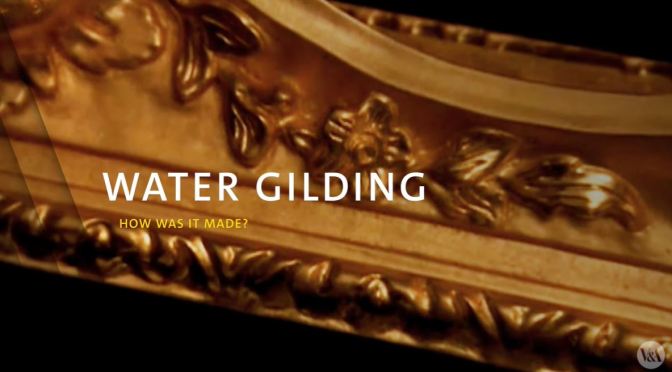
The Arts: ‘Water Gilding – How It Is Done’ (V&A Video)

Water gilding is a process which makes wood look like gold. Follow the stages involved in gilding a wooden frame – from brushing on layers of gesso (glue and chalk mixture), to applying and burnishing the gold leaf.

How to make a gilded frame: Glue applied to wood: 00:27​ Gesso mixed and applied in layers: 00:34​ Gesso smoothed with dried horsetail plant: 00:46​ Details cut into the base: 00:58​ Yellow ochre pigment applied: 01:07​ Bole applied: 01:20​ Surface is smoothed with a brush: 01:29​ Water is brushed on and gold leaf is applied: 01:56​ An animal tooth is used to burnish the surface: 02:15​ Frame is coated with glue for an even finish: 02:33

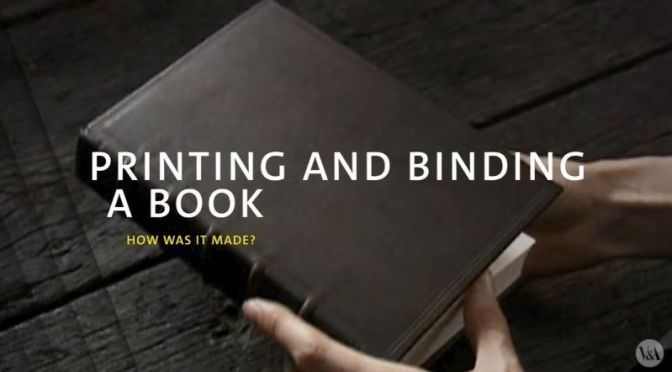
Literature: ‘Printing And Binding A Book’ (Video)

Discover the stages involved in creating a hand-printed and hand-bound book. This is an example of octavo size, meaning it’s made up of pages that were printed eight to a sheet of paper.

Video timeline: Process at the printers: Arranging metal letters: 00:09​ Preparing type: 00:25​ Applying ink to the type: 00:32​ Pressing paper onto the inked type: 00:40​ Process at the binders: Sheets folded and cut: 01:07​ Folds hammered: 01:24​ Sheets sewn onto bands: 01:28​ Rounding the spine: 01:43​ Attaching cover boards: 01:56​ Clamping the book and trimming pages: 02:20​ Endbands sewn: 02:29​ Leather cover stuck on: 02:41​ Decoration added with hot metal tools: 03:11

Fashion: ‘Making A Mulberry Bag’ (Video)

Bag making is a complex process. From creative sketches and precise technical drawings, to prototypes and catwalk shows, every stage requires careful thought. Historically and globally, bags have been constructed and embellished in an enormous variety of ways.

Originally hand-stitched at home or crafted in small workshops, today’s mass-produced bags are assembled in factories. Each procedure requires special skills, from pattern-making, cutting and dyeing, to sewing, polishing and finishing.

Take a look behind-the-scenes at Mulberry with Development Team Leader, Alice Gouldbourne to discover more about the precision and technical skill required to produce each one of their iconic bags. Find out more: vam.ac.uk/exhibitions/bags

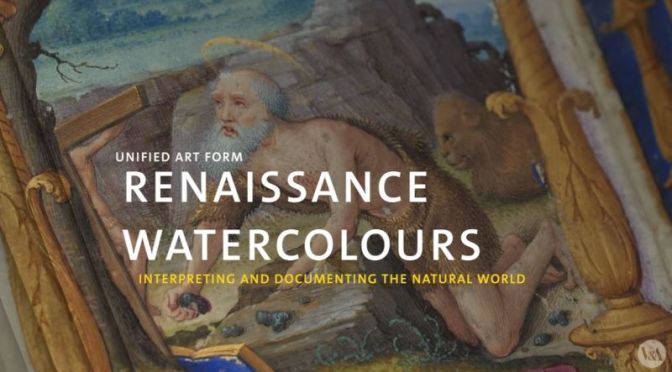
Art History: ‘Watercolor In The Renaissance’ (Video)

Focussing on the three types of object featured in the V&A display Renaissance Watercolours: illuminated manuscripts, portrait miniatures and coloured drawings, this film showcases the qualities that made watercolour the medium of choice for many artists during the Renaissance.

A modern-day painting of a pomegranate, using traditional watercolour techniques, by artist Lucy Smith, also demonstrates how watercolour painting remains a versatile medium, ideal for capturing life-like details that help us to record our diverse world.

Read more

Ancient Arts: ‘Lost-Wax Bronze Casting’ (Video)

See the process involved in casting a bronze figure – from the creation of a wax model through to the final sculpture. Find out more about sculpture: https://www.vam.ac.uk/collections/scu…