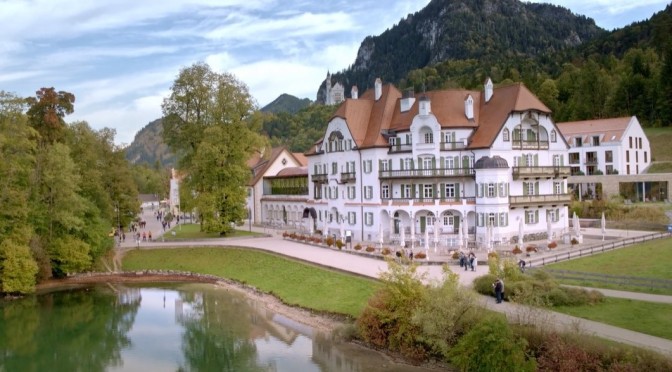
Many visitors to Schloss Neuschwanstein combine their visit with the Museum of the Bavarian Kings, also located in Hohenschwangau in the former Grandhotel Alpenrose. The museum that opened in 2011 offers more than 1000 m2 of exhibition on the history of the dynasty of the Bavarian Kings.
Old objects, interesting stories and interactive media take you into the history of the Wittelsbach dynasty. In particular King Maximilian II, who made the Hohenschwangau Castle into a summer residence, and King Ludwig II, who built Neuschwanstein , play a central role in the museum. From the first floor you have a magnificent panorama over the Alpsee lake.
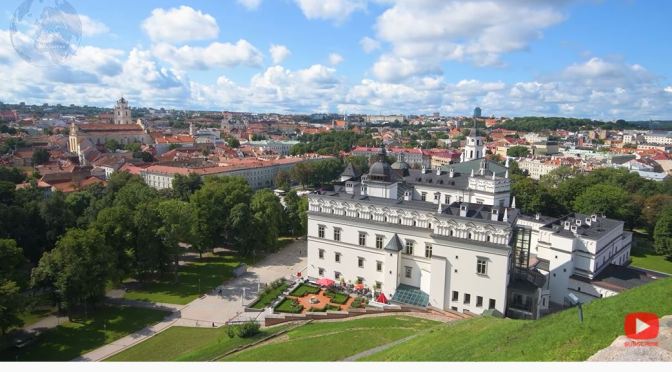
This is not for people with a fear of heights: Join DW reporter Axel Primavesi on the observation deck of the Vilnius TV tower! But before Axel looks down from a height of 170 meters onto the capital of Lithuania, he will introduce you to Cathedral Square and a typical Lithuanian specialty, Šaltibarščiai.
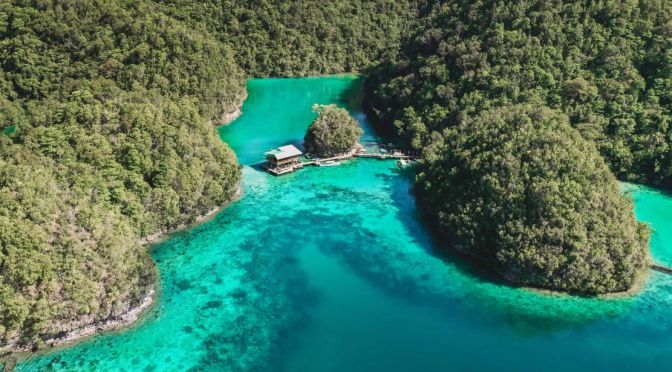
Sugba Lagoon is a hidden gem and a must-visit when in Siargao, Philippines. It can be reached within less than an hour by boat from Siargao and is definitely worth a trip. This lagoon offers the most transparent and turquoise water, stand-up paddleboarding, kayaking, and much more.
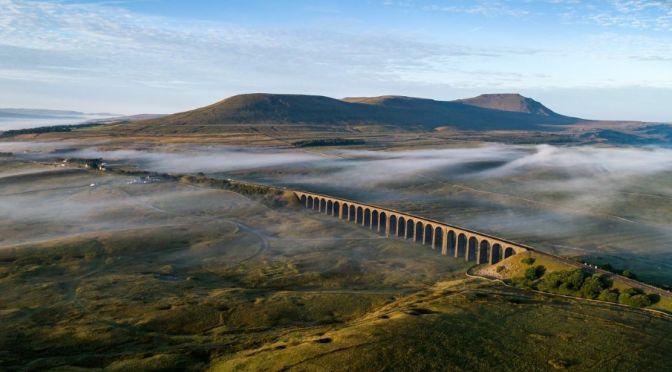
The Yorkshire Dales is home to outstanding scenery, great castles, abbeys and a breathtakingly peaceful atmosphere. At its heart are two very special protected areas – Yorkshire Dales National Park and Nidderdale Area of Outstanding Natural Beauty (AONB) – as well as it having the Forest of Bowland AONB and North Pennines AONB as its close neighbours. These protected areas are truly not to be missed.
“Yorkshire Dales, a home to 20000 people and 600000 sheep. The Dales is group of river valley in north England, each valley having its own character. This short film shows variety of seasons in the Dales and typical Yorkshire Dales landscape, such as drystone walls, wildflower meadows and limestone pavements.”
Massimo Nalli – Gorizia is a town and comune in northeastern Italy, in the autonomous region of Friuli Venezia Giulia. It is located at the foot of the Julian Alps, bordering Slovenia. It was the capital of the former Province of Gorizia and is a local center of tourism, industry, and commerce.
The video shows the main attractions of the city of Gorizia. The city forms an urban area integrated also administratively with the Slovenian municipalities of Nova Gorica and San Pietro-Vertoiba. The territory of the Slovenian city of Nova Gorica was an integral part of the municipality of Gorizia until 1947, when Istria and a large part of Venezia Giulia were ceded to Yugoslavia following the Treaty of Paris.
– Gorizia Cathedral: dedicated to the Aquileian saints Ilario and Taziano and elevated to the rank of cathedral in 1752, it is the main ecclesiastical building in Gorizia. – Church of Sant’Ignazio: It is a Baroque building erected between 1654 and 1723-1724, which was consecrated only in 1767. While the facade is a synthesis of Austrian and Latin elements, the interior is of purely Latin derivation. It contains valuable paintings and frescoes. – Castle of Gorizia: Perhaps the best known monument of the city, it stands on the highest point of a steep hill. The manor welcomes visitors with a Venetian lion, which however is not the one that was affixed by the Republic of Venice during the brief occupation of the city (1508-1509) but by the fascist government, after a radical restoration, which ended in 1937. Closed at the time of my visit.
– Piazza della Vittoria; The largest in the city, overlooked by the church of Sant’Ignazio. Here we also find the Casa Torriana, of sixteenth-century origin, today the seat of the Prefecture. Among the many illustrious guests who lived there, there was also Giacomo Casanova, who stayed there in 1773. In the center of the square is the Fountain of Neptune, built in the mid-eighteenth century by the Paduan Marco Chiereghin on a project by Nicolò Pacassi, while in front to the church of Sant’Ignazio there is the Column of Sant’Ignazio, donated by Count Andrea di Porcia and placed here in 1687.
– Piazza Sant’Antonio: Bordered by an airy colonnade, which once belonged to the cloister of a convent founded in the thirteenth century – as legend has it – by Saint Anthony of Padua. Two of the most interesting buildings in the city overlook the square, the Palazzo dei Baroni Lantieri and the Palazzo dei Conti di Strassoldo. – Piazza della Transalpina: The Piazza della Transalpina takes its name from the Jesenice-Trieste railway line to which the station located in Slovenian territory belongs. This stretch, which was inaugurated by Archduke Francesco Ferdinando in 1906, connects Trieste with Jesenice and then enters Central Europe. In modern times the whole square appears to have been restructured to form a single public space where the free movement of pedestrians is allowed. In place of the central part of the Wall of Gorizia that divided the square there is a circular mosaic and the state border – the physical barrier removed – is now indicated by a line of stone tiles.
– Piazza Camillo Benso count of Cavour: bounded by the linear facade of the Palazzo degli Stati Provinciali, which now houses the Police Headquarters. Built in 1200 and enlarged in the sixteenth century, the palace was the seat of the “fathers of the Gorizia homeland”, the assembly, which included representatives of the nobility, the clergy and the county, who administered the city and its territory for six centuries. . Other ancient buildings overlook the square: the sixteenth-century Casa del Comune, with its characteristic projection on the upper floors, home of the Gastaldo; the Casa degli Ungrispach, one of the oldest in the city, in late Gothic style, on whose facade stands a plaque with the date Mccccxli. Note the presence of ancient houses at the entrance to via Rastello.
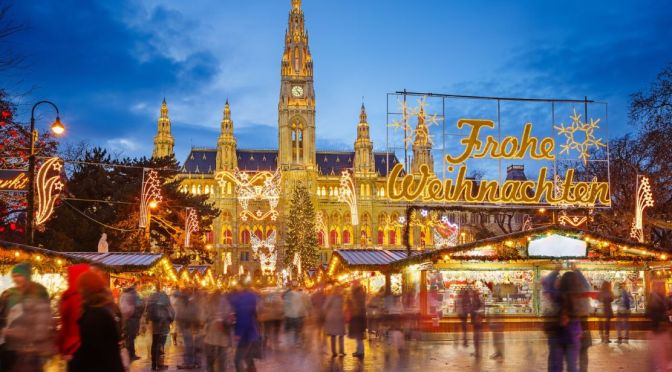
From mid-November until Christmas 2022, Vienna’s most beautiful squares are once again transformed into magical Christmas markets. The aroma of Christmas baking, hot punch and toasted almonds wafts through the air. The Old City and shopping streets are decorated with festive lights that spread the Christmas cheer in Vienna.
A tall arched gateway with candles welcomes visitors at the entrance to the Viennese Christmas Market on City Hall Square. The traditional Christmas Market offers Christmas gifts, Christmas tree decorations, handicrafts, culinary treats, confectionery, and warming drinks. At the Vienna Ice World at the Christmas Market, ice skaters can put on their skates and make rounds through the romantically illuminated City Hall Park. A special attraction for couples in love is the tree of hearts. For children, there’s a 12 meter-high multi-level carousel and in the park a Christmas world with reindeer train, nativity scene trail, children’s chalet, and a designated skating ring.
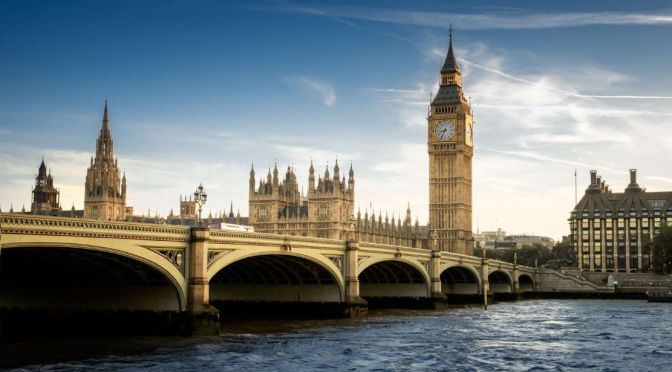
DW Euromaxx – After years of renovation work, London’s famous landmark finally sounds again: Big Ben! We take you on a tour of the inside of the tower and reveal five secrets about it. This much in advance: The tower is not called Big Ben…
Big Ben is the nickname for the Great Bell of the striking clock at the northeast end of the Palace of Westminster. The nickname is frequently extended to refer also to the clock and to the entire clock tower.
In 2012, the official name of the tower was changed to “Elizabeth Tower” to commemorate the Queen’s Diamond (60th year as queen) Jubilee.
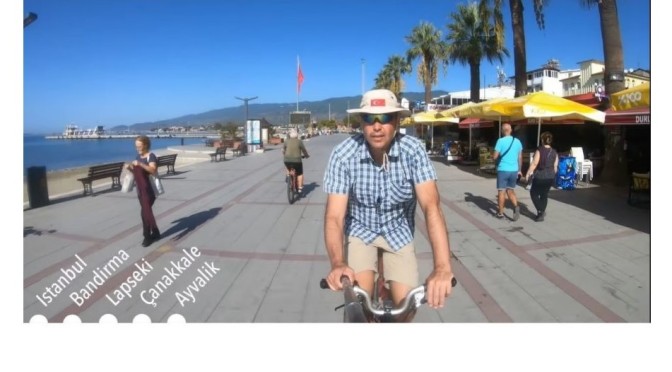
Brompton Traveler – Bikepacking with Gianni Filippinifrom Istanbul to Antalya in Turkey:
Istanbul is a major city in Turkey that straddles Europe and Asia across the Bosphorus Strait. Its Old City reflects cultural influences of the many empires that once ruled here. In the Sultanahmet district, the open-air, Roman-era Hippodrome was for centuries the site of chariot races, and Egyptian obelisks also remain. The iconic Byzantine Hagia Sophia features a soaring 6th-century dome and rare Christian mosaics.
Antalya is a Turkish resort city with a yacht-filled Old Harbor and beaches flanked by large hotels. It’s a gateway to Turkey’s southern Mediterranean region, known as the Turquoise Coast for its blue waters. Remnants remain from Antalya’s time as a major Roman port. These include Hadrian’s Gate, built to honor the Roman emperor’s visit in 130 A.D and 2nd-century Hidirlik Tower, with harbor views.
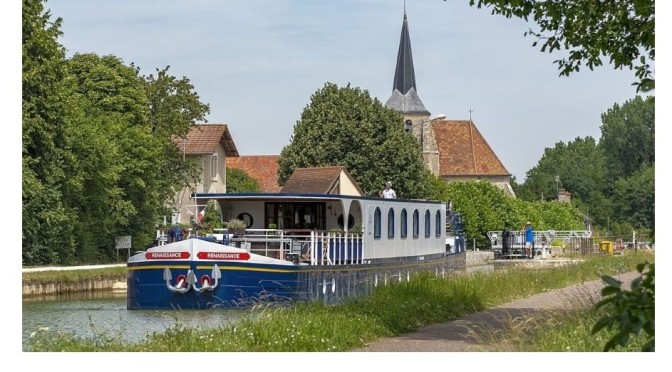
European Waterways – Luxury hotel barge Renaissance has been designed to carry 8 guests in ultimate luxury along the Canal de Briare, France’s oldest canal, completed in 1642 and steeped in history on a cruise route that features elegant châteaux, small countryside villages and the famed wine-growing region of Sancerre.
She is a very spacious hotel barge and the beautifully appointed saloon with its wooden beams, classic dining furniture and artwork, invokes the atmosphere of a classic French manor house. The comfortable leather sofas and hand-built bar where you can enjoy your pre-dinner aperitif, add to the feeling of onboard opulence. The ‘Renaissance mood’ extends to the four very generously sized twin- or double-bedded bedroom suites, (approx. average 250sq ft including en suite), each one fully air-conditioned and complemented by a large en suite shower room.
Outside, the large forward deck includes a covered roof extension with a circular table for alfresco dining, comfortable hardwood sun loungers and a heated spa pool. With her refined onboard ambience, Renaissance is the perfect vessel on which to cruise a historic canal and experience the splendour of landmarks en route, including Gustav’s Eiffels’s aqueduct across the mighty River Loire.
CRUISE HIGHLIGHTS:
– Visit the “time capsule” studio home of 19th century artist Rosa Bonheur and lunch in her salon
– Tour of the privately-owned Château de La Bussière, including a cooking demonstration using seasonal produce from the gardens
– 7-lock flight at Rogny-Les-Sept-Ecluses, a national historic monument – Cruise across the aqueduct at Briare, built by Gustave Eiffel over the River Loire
– Private wine tasting at the renowned Sancerre winery of La Perriere – Excellent opportunities for walking and biking. Biking Plus option available
Brno is a city in the Czech Republic. It’s known for its modernist buildings, like the restored Villa Tugendhat, completed in 1930 by architect Mies van der Rohe. The medieval Špilberk Castle houses a city museum, gardens and a former prison with vaulted tunnels. The Cathedral of St. Peter and Paul has baroque altars, a 14th-century statue of the Madonna and Child, and city views from its steeple.
Filmed in November 2022.
News, Views and Reviews For The Intellectually Curious






 Boomers Daily