
From a Circulation online release:
 …these results indicate that sleep may play an important role in health disparities and may represent a modifiable risk factor (along with diet and physical activity) for cardiometabolic risk in general and cardiometabolic health disparities specifically.
Statement Summary
Our review of the epidemiological data on the impact of sleep duration and disorders on cardiovascular health suggests the following:
-
Both short- and long-duration sleep and sleep disorders such as SDB and insomnia are associated with adverse cardiometabolic risk profiles and outcomes.
-
Sleep restriction has a negative impact on energy balance, but it is less clear whether treating sleep disorders has a positive impact on obesity risk.
-
Treating those with sleep disorders may provide clinical benefits, particularly for blood pressure.
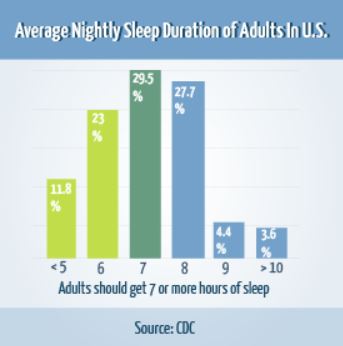
Sleep is increasingly recognized as an important lifestyle contributor to health. However, this has not always been the case, and an increasing number of Americans choose to curtail sleep in favor of other social, leisure, or work-related activities. This has resulted in a decline in average sleep duration over time. Sleep duration, mostly short sleep, and sleep disorders have emerged as being related to adverse cardiometabolic risk, including obesity, hypertension, type 2 diabetes mellitus, and cardiovascular disease.
To read more click on the following link: https://www.ahajournals.org/doi/10.1161/CIR.0000000000000444
 In people having lack of Vitamin D, the muscle strength of waist, back, neck decreases. Decreased muscle strength can cause herniated disc and cervical discal hernia. All of this is reflected in the patient’s pain. We wanted to pay attention to the necessity of considering the lack of Vitamin D in low back pain (LBP) which is one of the common complaints of our patients.
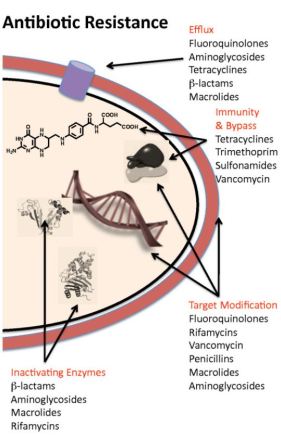 Antibiotic resistance is a global threat for public health. It is widely acknowledged that antibiotics at sub-inhibitory concentrations are important in disseminating antibiotic resistance via horizontal gene transfer. While there is high use of non-antibiotic human-targeted pharmaceuticals in our societies, the potential contribution of these on the spread of antibiotic resistance has been overlooked so far. Here, we report that commonly consumed non-antibiotic pharmaceuticals, including nonsteroidal anti-inflammatories (ibuprofen, naproxen, diclofenac), a lipid-lowering drug (gemfibrozil), and a β-blocker (propanolol), at clinically and environmentally relevant concentrations, significantly accelerated the conjugation of plasmid-borne antibiotic resistance genes.
 This study, combined with the results of previous studies, supports the hypothesis that engaging in morning exercise may result in more weight loss compared to engaging in a similar amount of exercise later in the day. Furthermore, we observed individuals who performed most of their exercise sessions in the afternoon or evening tended to have slightly higher levels of EI and reduced NEPA and NEEx, suggesting that there are potentially important differences in the components of energy balance based on time of day exercise is performed.
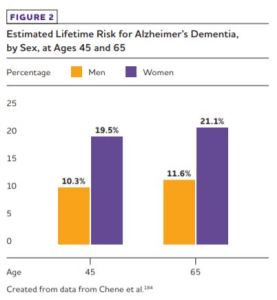 Scientists are beginning to understand why Alzheimer’s disease affects more women than men and why the disease seems to progress more quickly in women’s brains.
 Boomers Daily