
Tag Archives: Science

Preview: Johns Hopkins Magazine – Winter 2024/25

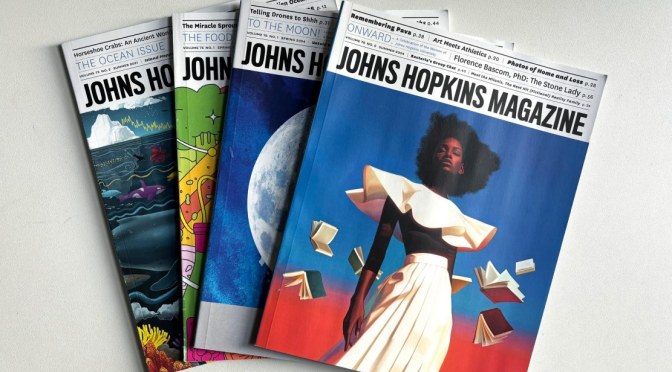
Cover of the Winter 2024 edition of Johns Hopkins Magazine

Johns Hopkins Magazine (December 6, 2024): Microplastics are among and in us; meet opera composer and hitmaker Kevin Puts; the science of seeing faces in nature; addressing the epidemic of eatings disorders in America, and more

Eating malfunction

Next to opioid use disorder, anorexia is the most deadly mental health illness. In all, 5% of patients will die within the first four years of diagnosis as a result of heart failure, organ shutdown, low blood sugar, or suicide. The Eating Disorders Coalition reports that every 52 minutes, at least one person loses their life as a direct result of an eating disorder.

A Teeny-Tiny Problem of Epic Proportions

Maya Dizack, BSPH ’24 (ScM), set out years ago on a journey down the Mississippi River to see how widespread microplastics were in this major body of water. Her findings were more alarming than expected. But just how concerned

Research Preview: Science Magazine-Dec. 6, 2024

Science issue cover

Science Magazine – November 29, 2024: The new issue features ‘Programmed T Cells’ – Targeting the brain and other tissues to treat cancer and inflammation…

Programming tissue-sensing T cells that deliver therapies to the brain

‘Brutal’ math test raises the bar for AI

Model-stumping benchmark shows human experts remain on top—for now

Beneath Antarctica’s ice, a fiery future may await

Researchers probe volcanoes’ response to a changing world

War-torn Ukraine is breeding drug-resistant bacterial strains

Urgent action underway to bolster treatments and prevent dangerous microbes from spilling across borders

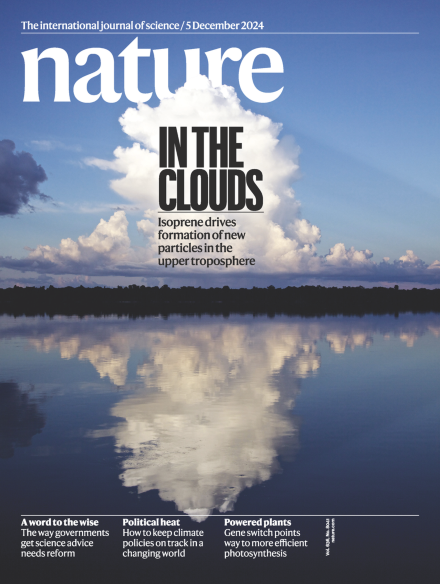
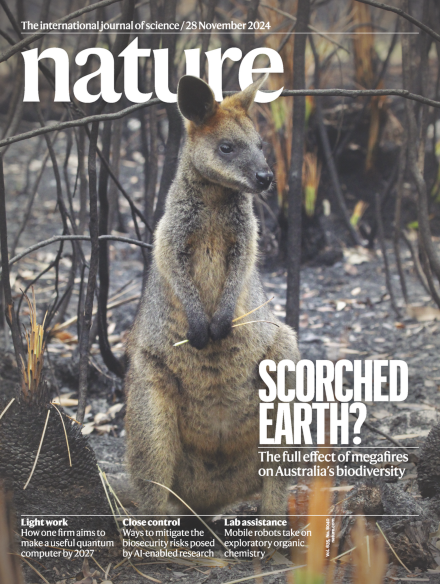
Research Preview: Nature Magazine – Dec. 5, 2024

Volume 636 Issue 8041

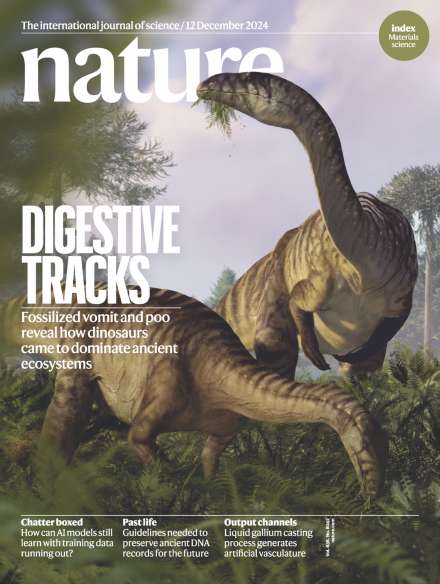
Nature Magazine – December 3, 2024: The latest issue features ‘In The Clouds’ – Isoprene drives formation of new particles in the upper troposphere…

Humble scientists earn more trust

Study participants rated fictional scientists who admitted their own knowledge gaps as more credible.

The cells that help the immune system fight lung cancer

Neighbouring cells bolster the immune cells’ tumour-fighting abilities.

Antarctica’s first known amber whispers of a vanished rainforest

The only continent where amber had not been found no longer has that distinction, thanks to a sediment core drilled just offshore.

This dwarf planet might have its very own ice volcano

Relatively warm regions of the object called Makemake could also be explained by a dusty planetary ring.

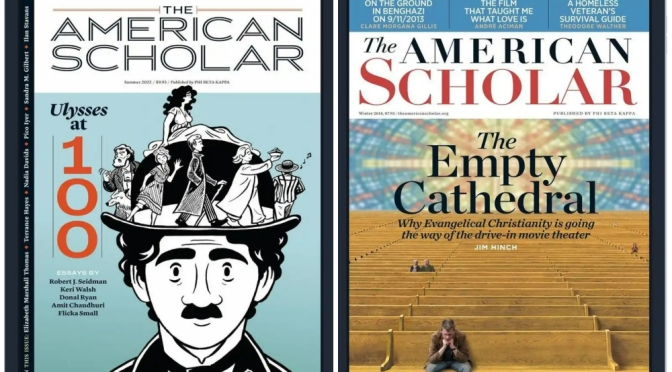
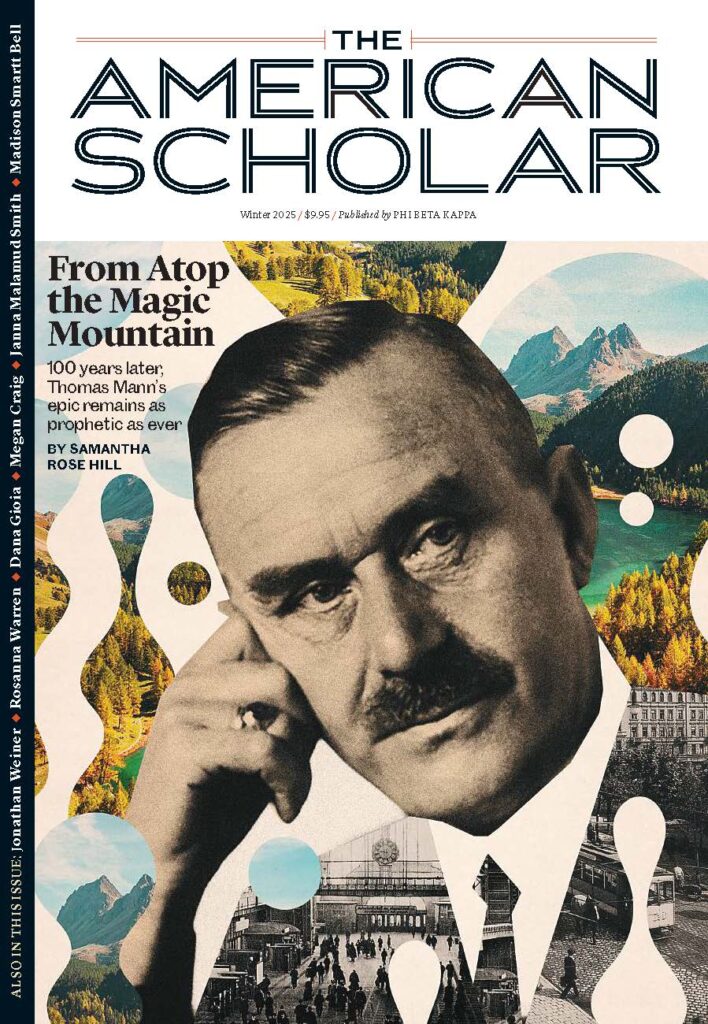
Culture: The American Scholar – Winter 2025

THE AMERICAN SCHOLAR (December 2, 2024): The latest issue featuresFrom Atop The Magic Mountain’ – One-Hundred years later, Thomas Mann’s epic remains as prophetic as ever.

Under a Spell Everlasting

Thomas Mann’s Magic Mountain, published a century ago, tells of a world unable to free itself from the cataclysm of war By Samantha Rose Hill

Aging Out

Many of us do not go gentle into that good night

The Fair Fields

Only rarely did the outside world intrude on an idyllic Connecticut childhood, but in the tumultuous 1960s, that intrusion included an encounter with evil

Research Preview: Science Magazine – Nov. 29, 2024

Contents | Science 386, 6725

Science Magazine – November 29, 2024: The new issue features ‘Eating The Earth’ – The vast, vulnerable global food trade…

Micrometer-sized robotic chameleons

A multifunctional metamaterial can change shape and steer light simultaneously

Contemporary hominin locomotor diversity

Footprints in Kenya show that hominin bipedalism had a complex evolutionary history

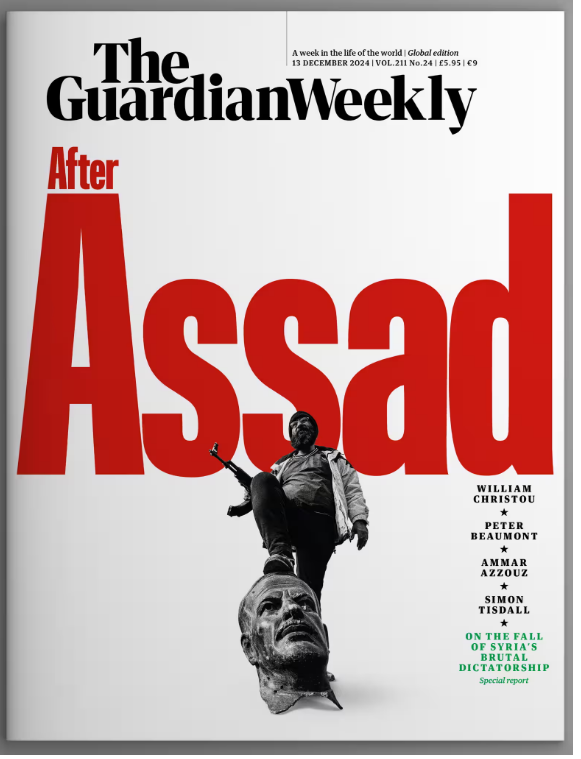
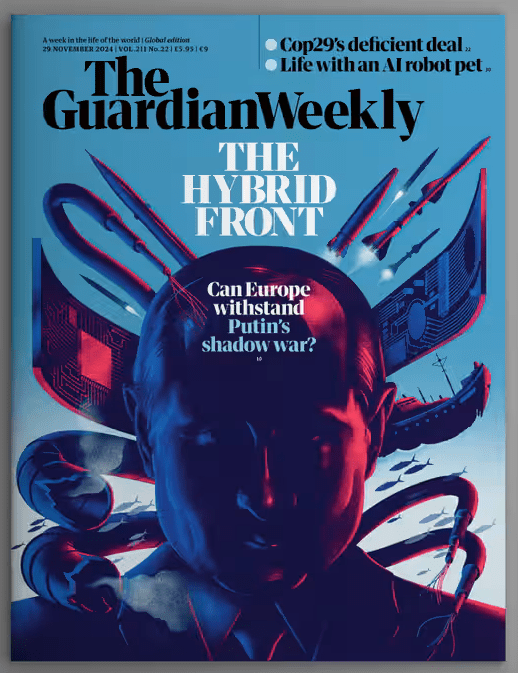
Politics: The Guardian Weekly – Nov. 29, 2024

The Guardian Weekly (November 28, 2024): The new issue features last week’s escalation of Nato ballistic missile activity, in which UK and US-made missiles were launched into Russia for the first time, brought a predictably cold response from Vladimir Putin – who loosened Moscow’s nuclear doctrines and promised more attacks with a new, experimental ballistic missile.

1

Spotlight | Does lame duck Biden have time to Trump-proof democracy?
The outgoing US president may only have weeks left in the White House, but activists say he can secure civil liberties, accelerate spending on climate and healthcare, and spare death row prisoners. David Smith reports

2

Science | My weird, emotional week with an AI pet
Casio says Moflin can develop its own personality and build a rapport with its owner – and it doesn’t need food, exercise or a litter tray. But is it essentially comforting or alienating? Justin McCurry finds out

3

Feature | Are we right to strive to save the world’s tiniest babies?
Doctors are pushing the limits of science and human biology to save more extremely premature babies than ever before. But when so few survive, are we putting them through needless suffering? By Sophie McBain

4

Opinion | A social media ban is in everyone’s interests – not just kids under 16
Van Badham on why she resents being excluded from protection against monetised fear, anger and toxicity

5

Culture | A road trip like no other: an epic drive on the Autobahn
Fifty years after electronic pioneers Kraftwerk released a 23-minute song about a road – and changed pop music for ever – Tim Jonze hits the highways of Düsseldorf and Hamburg in search of its futuristic brilliance

Research Preview: Nature Magazine – Nov. 28, 2024

Volume 635 Issue 8040

Nature Magazine – November 13, 2024: The latest issue features

How to create psychedelics’ benefits without the ‘trip’

Stimulating certain brain cells in mice seems to ease anxiety without causing hallucination-like effects.

Farmers’ fires leave long-lasting smudge on African weather

A pall of smoke from burning cropland each year decreases rainfall in the annual monsoon.

How human brains got so big: our cells learned to handle the stress that comes with size

Understanding how human neurons cope with the energy demands of a large, active brain could open up new avenues for treating neurological disorders.

MIT Technology Review – The Top Stories (11.24.24)

a person with luggage walks through and airport setting

MIT Technology Review (Novemer 24, 2024): This week’s round up includes Google DeepMind has a new way to look inside an AI’s “mind”. Inside Clear’s ambitions to manage your identity beyond the airport. Who’s to blame for climate change? And more.

Inside Clear’s ambitions to manage your identity beyond the airport
The company that has helped millions of people cut security lines wants to give you a frictionless future—in exchange for your face.

Read more →

Google DeepMind has a new way to look inside an AI’s “mind”
Autoencoders are letting us peer into the black box of artificial intelligence. They could help us create AI that is better understood, and more easily controlled.

Read more →

How this grassroots effort could make AI voices more diverse
A massive volunteer-led effort to collect training data in more languages, from people of more ages and genders, could help make the next generation of voice AI more inclusive and less exploitative.

Read more →

Who’s to blame for climate change? It’s surprisingly complicated.The world’s biggest polluters, by the numbers.

Read more →

The rise of Bluesky, and the splintering of social
You may have read that it was a big week for Bluesky. If you’re not familiar, Bluesky is, essentially, a Twitter clone that publishes short-form status updates.

Read more →

Research Preview: Science Magazine – Nov. 15, 2024

Science issue cover

Science Magazine – November 21, 2024: The new issue features ‘All Of It’ – Three-dimensional single cell imaging of the entire mouse brain…

Prospect of RFK Jr. at HHS alarms biomedical community

Robert F. Kennedy Jr. has vowed to scrutinize proven vaccines and slash staff at research and regulatory agencies

China’s hunger for minerals spurs massive geology survey

$1 billion SinoProbe II will map the depths with drill rigs and instrument arrays

Culture: New Humanist Magazine – Winter 2024-25

New Humanist's winter 2024 cover shows a futuristic blue face with the words: 'Our cyborg future?'

NEW HUMANIST MAGAZINE – WINTER 2024/2025 ISSUE: The new issue features ‘Our Cyborg Future?’

The new age of the cyborg?

Neurobiologist and journalist Moheb Costandi explores the rapidly-developing world of brain-computer interfaces. For some people, these devices are already transforming lives – but the technology is quickly overtaking the ethics.

A dangerous calculation

Peter Ward unpicks the dark philosophy of the tech billionaires and how it is infiltrating some of our most powerful organisations.

There’s a product for that

A recent film, The Substance, explored the growing pressure on all of us – particularly women – to modify our bodies, not only through make-up and cosmetic procedures but also through digital filters. Clare Chambers, professor of political philosophy at the University of Cambridge, talks to us about the power of resistance and allowing our bodies to be “good enough”.

New life in the veins

Peter Salmon recounts the bizarre history of blood transfusion – and why the super-rich remain fascinated by its possibilities.