

From a FoodDive online review:
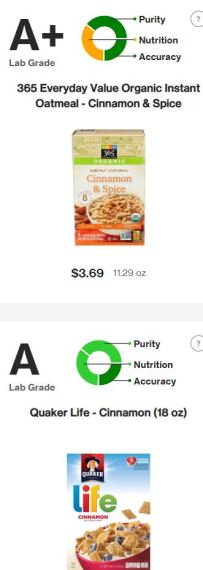 Pure Market is offering consumers a chance to purchase products that have already been pre-graded in an effort to provide transparency and save time. Although the service just launched, it has reviewed the chemical compositions of several thousand products, with 805 in the food category and another 125 in beverages.
The service rates products in terms of purity, efficacy, accuracy and nutrition. Purity tests the level of contaminants in a product. Efficacy rates how well a product delivers on the promises on its label. Accuracy refers to the contents of the product being consistent with those on the label. Nutrition evaluates the ratio of “good stuff” to “bad stuff,” according to the website.
To read more: https://www.fooddive.com/news/will-consumers-use-a-new-site-grading-food-on-label-accuracy/566391/

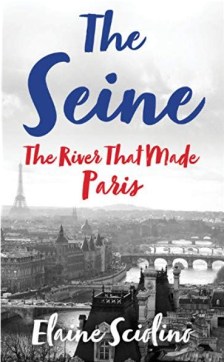 Sciolino’s keen eye and vivid prose bring the river to life as she discovers its origins on a remote plateau of Burgundy, where a pagan goddess healed pilgrims at an ancient temple. She follows the Seine to Le Havre, where it meets the sea. Braiding memoir, travelogue, and history through the Seine’s winding route, Sciolino offers a love letter to Paris and the river at its heart and invites readers to explore its magic.
 To meet Passive House standards, the Cousins River Residence features an airtight building envelope, triple-glazed windows with a u-value of 0.16, a heat recovery ventilation system with 90% efficiency, and a 4.6 kW south-facing photovoltaic array on the garage roof that makes the house nearly net-zero energy.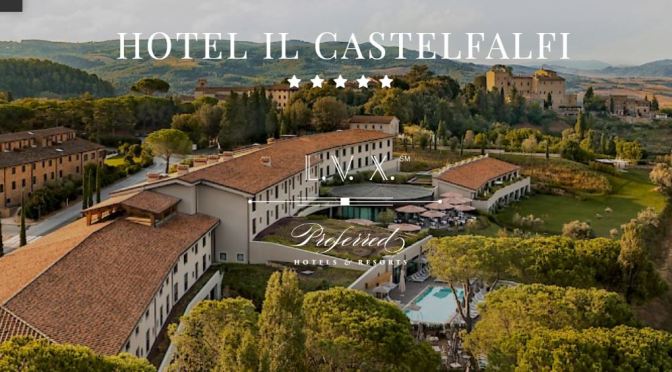
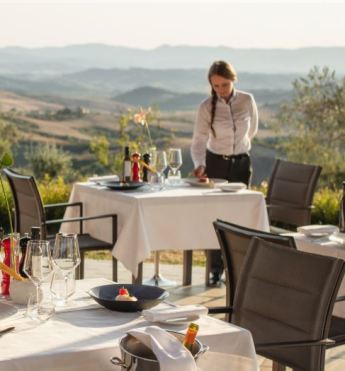 Once owned by the Medici family, this 2,700-acre, 800-year-old medieval village in Montaione fell away from the public eye—that is, until lifestyle hotel brand TUI Blue saw its potential. With the help of the surrounding village’s government, the town has been resurrected into a sprawling five-star resort. Il Castelfalfi, the region’s first new-build hotel in years, offers suites with both sunrise and sunset patio views. Across the street, a disused tobacco factory is now an adjacent boutique hotel, ruinous farmhouses have become holiday homes, and acres of surrounding lands now make up Tuscany’s largest golf course.
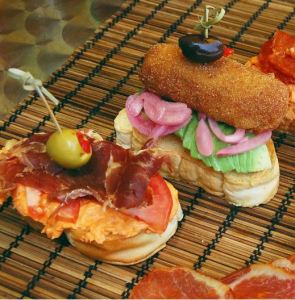 Chief among these delicacies is Cuban lard bread, which is what inspired the opening of Pilar Cuban Bakery: Ricardo Barreras, the owner of Pilar Cuban Eatery, next door, decided to start baking it himself, using dough, shipped frozen, from a trusted supplier in Florida. When he realized that his kitchen wasn’t big enough for the operation, he figured he might as well open a second place.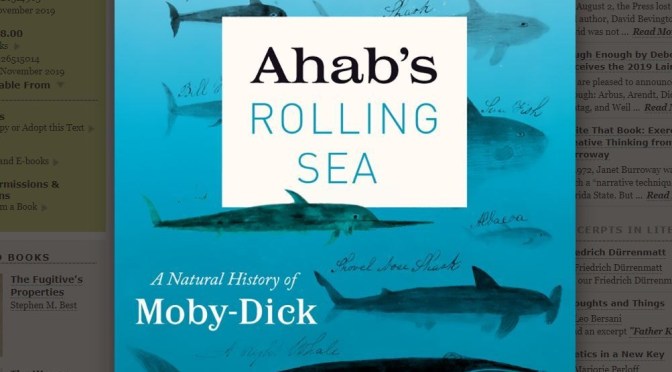
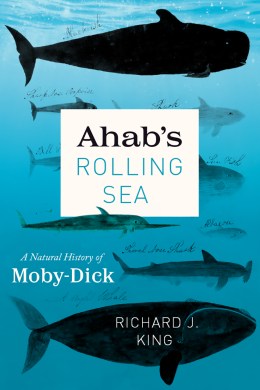 A revelation for Moby-Dick devotees and neophytes alike, Ahab’s Rolling Sea is a chronological journey through the natural history of Melville’s novel. From white whales to whale intelligence, giant squids, barnacles, albatross, and sharks, Richard J. King examines what Melville knew from his own experiences and the sources available to a reader in the mid-1800s, exploring how and why Melville might have twisted what was known to serve his fiction. King then climbs to the crow’s nest, setting Melville in the context of the American perception of the ocean in 1851—at the very start of the Industrial Revolution and just before the publication of On the Origin of Species.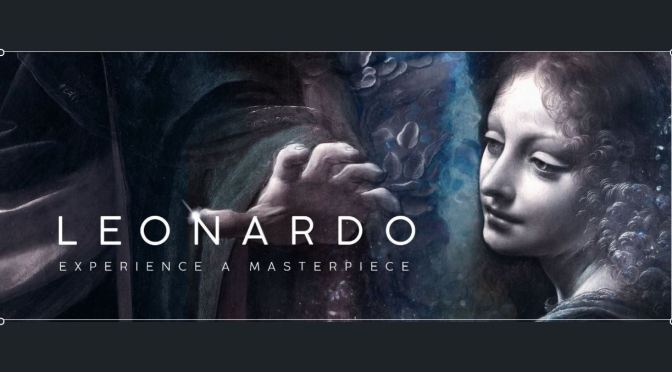
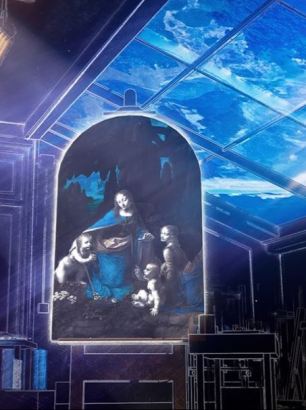 The mind of Leonardo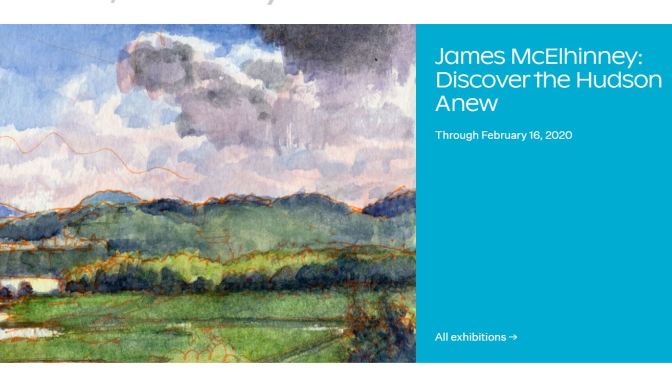
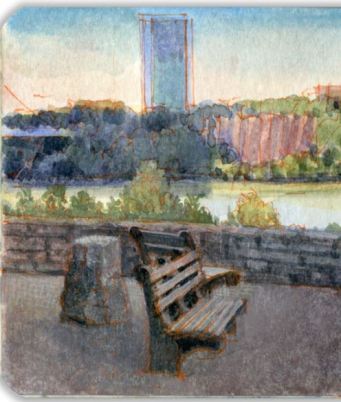 James McElhinney: Discover the Hudson Anew presents the painter’s sketch books and prints related to the River in a comprehensive showing for the first time. A video program, animating turning pages, will allow visitors to see additional sketchbook paintings. McElhinney says he wants his art to demonstrate “that constructive dialogue between humanity and nature is alive and well, while underscoring how art provides durable and dynamic modes of engagement.”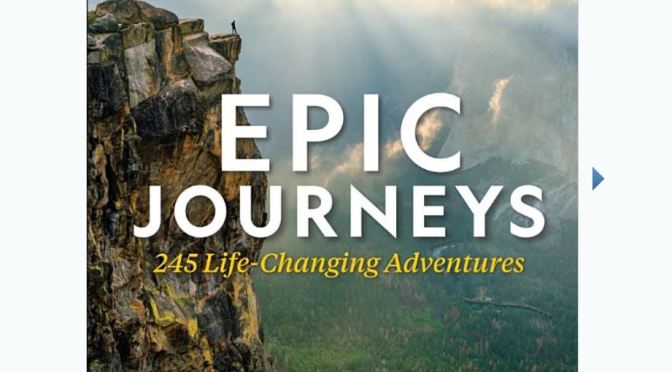
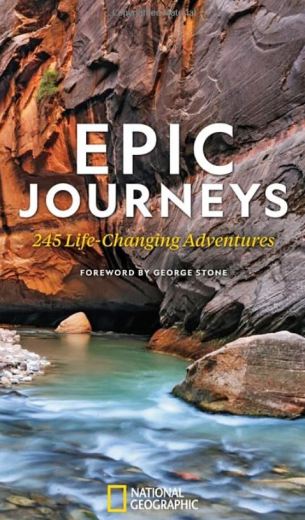 Travelers are dreamers who act on their inspirations. The new National Geographic book
  Boomers Daily