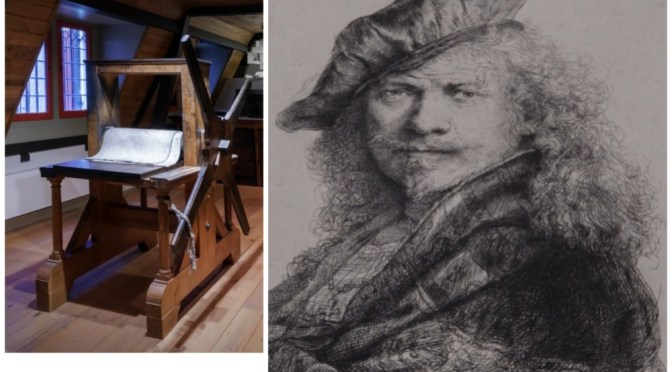
Christie’s (November 26, 2023) – Rembrandt House Museum Specialist Tim Schmelcher and Head of Collections, Epco Runia, discover more about Rembrandt’s life in Amsterdam, in particular his printmaking.
Then a more detailed look at the Sam Josefowitz Collection of Rembrandt prints – the most comprehensive and impressive in private hands – as we examine some of the highlights of these graphic masterpieces.
On 7 December 2023, Christie’s will be offering a selection of these prints across two sales in London: Old Masters Part I and The Sam Josefowitz Collection: Graphic Masterpieces by Rembrandt van Rijn.
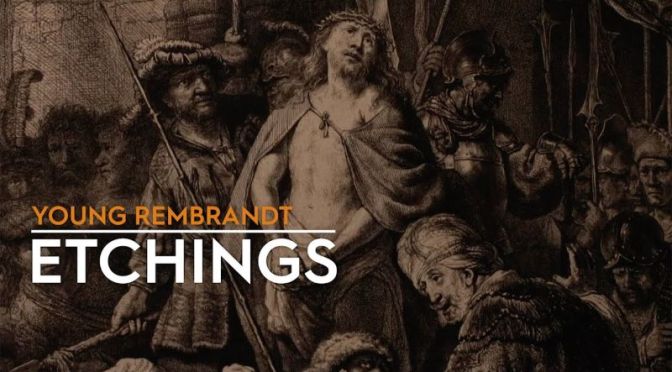
Curator An Van Camp explains Rembrandt’s use of a printmaking technique known as etching, and what his early experiments tell us about the young artist’s working process.
Excerpts from a Christie’s online article (Feb 28, 2020):
Joan Miró
Like Pablo Picasso, his compatriot and peer, Miró had an unwavering commitment to printmaking. Also like Picasso, he created more than 2,000 works in the medium. It’s often said that Miró’s fondness for calligraphic lines — such a distinctive feature of his paintings — lent itself naturally to graphic work.
‘In terms of both the quality and quantity of his output, Joan Miró was one of the most important printmakers of the 20th century,’ says Murray Macaulay, Head of Prints at Christie’s in London.
The son of a watchmaker, Joan Miró was born in Barcelona in 1893. He moved to Paris in the early 1920s and soon joined the Surrealist movement. He also befriended a host of avant-garde writers, such as Max Jacob, Tristan Tzara, Antonin Artaud, André Breton and Paul Eluard.
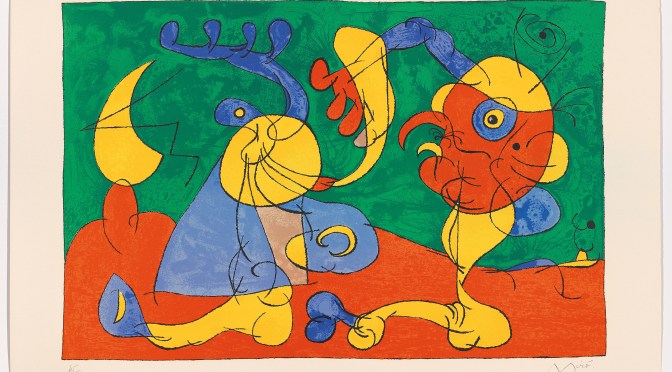
The first prints Miró ever made were illustrations for Tzara’s 1930 book of poems, L’arbre des Voyageurs. Literary sources would prove to be a constant inspiration for him, with notable examples including Alfred Jarry’s play, Ubu Roi; Stephen Spender’s poem, Fraternity; and the mystic, medieval text, Canticle of the Sun, by St Francis of Assisi.


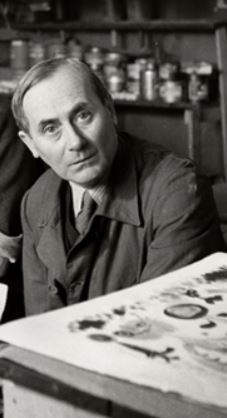
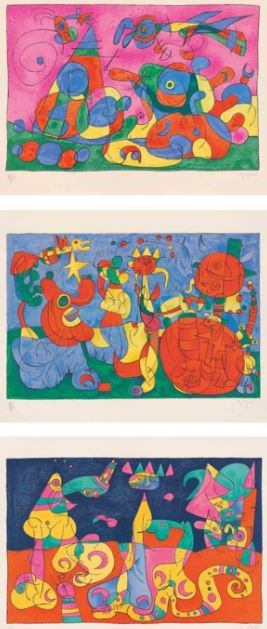 The son of a watchmaker, Joan Miró was born in Barcelona in 1893. He moved to Paris in the early 1920s and soon joined the Surrealist movement. He also befriended a host of avant-garde writers, such as Max Jacob, Tristan Tzara, Antonin Artaud, André Breton and Paul Eluard.
 Boomers Daily