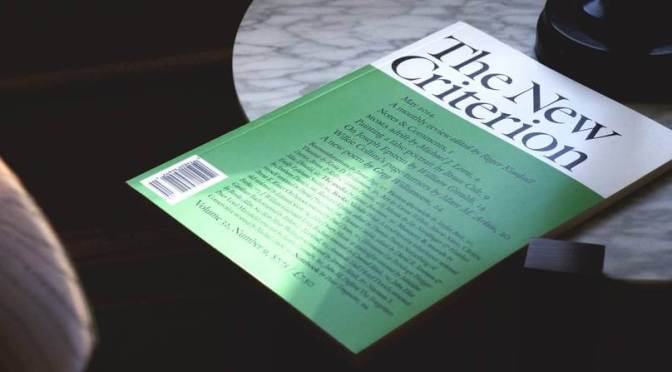
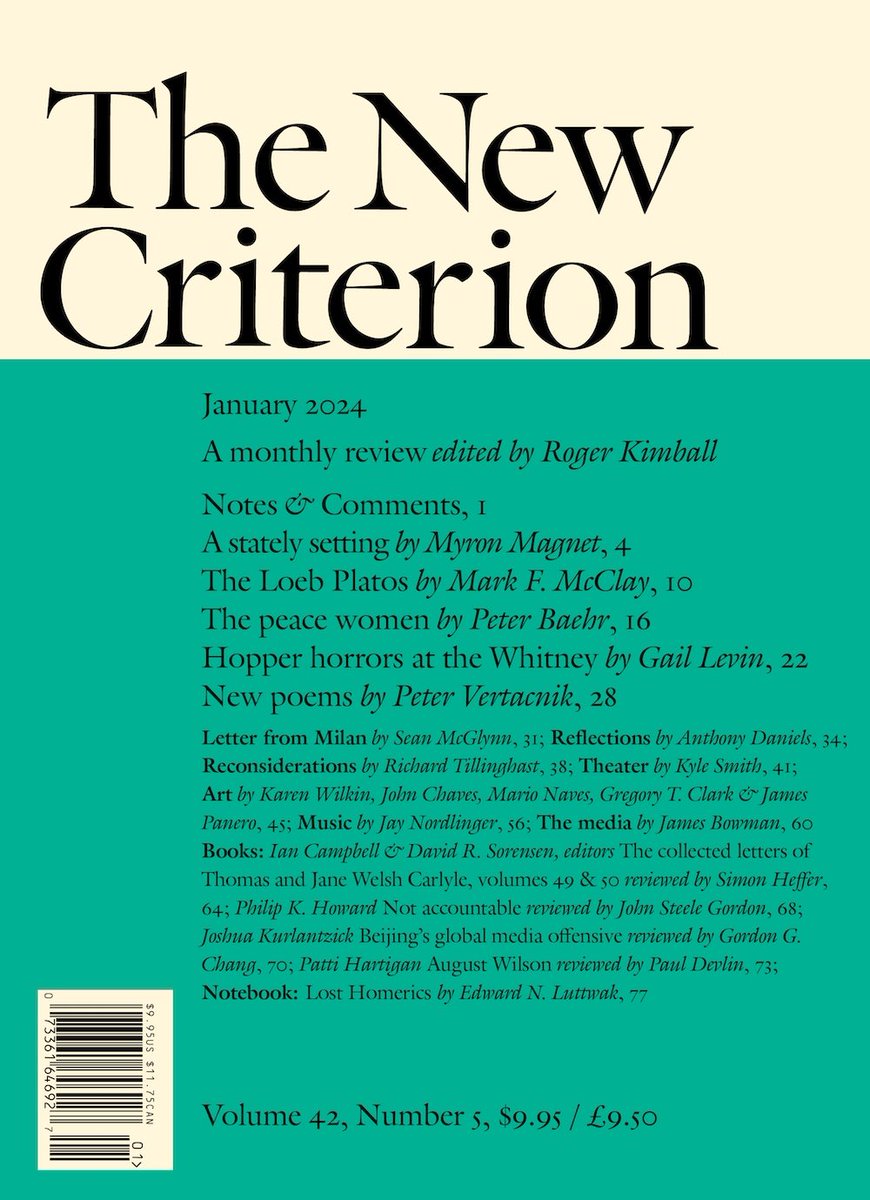
The New Criterion – January 2024 Preview

 The New Criterion – January 2024 issue:
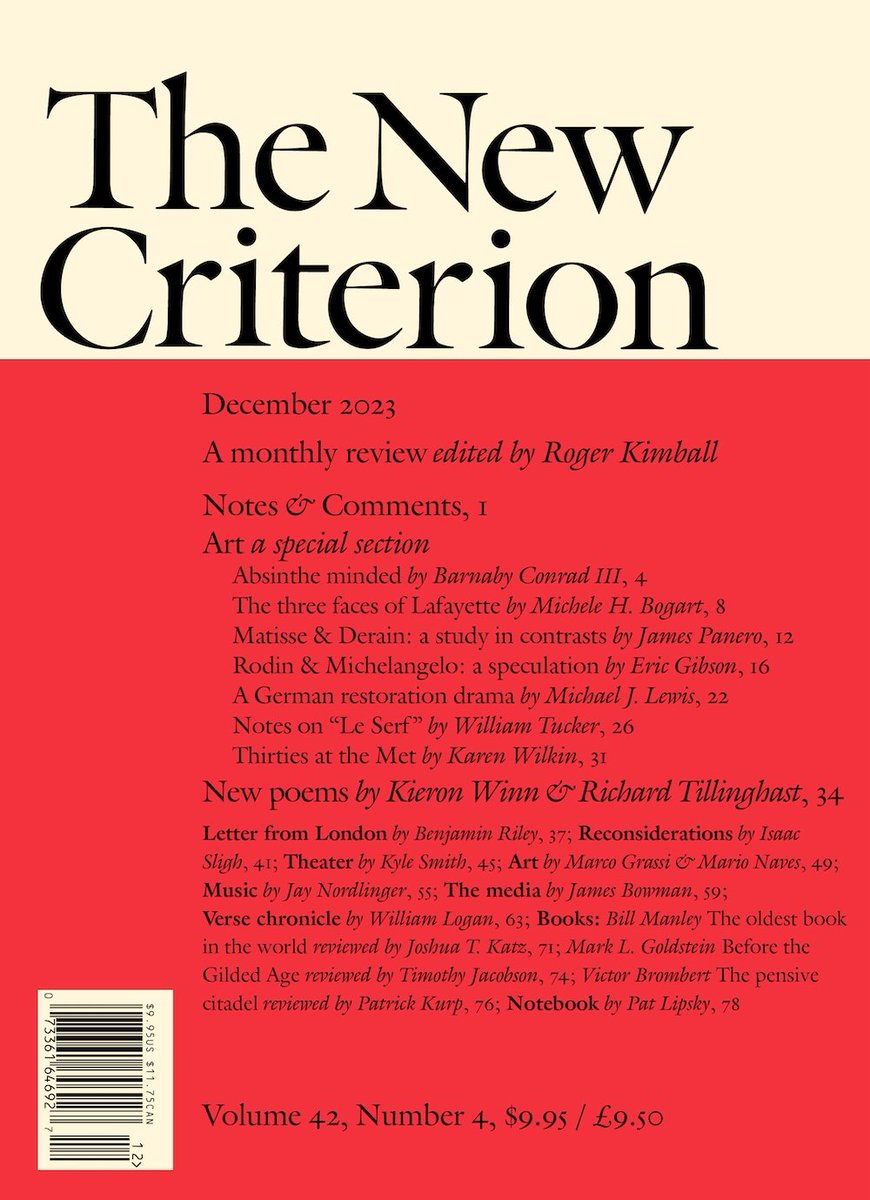 The New Criterion – December 2023 issue:
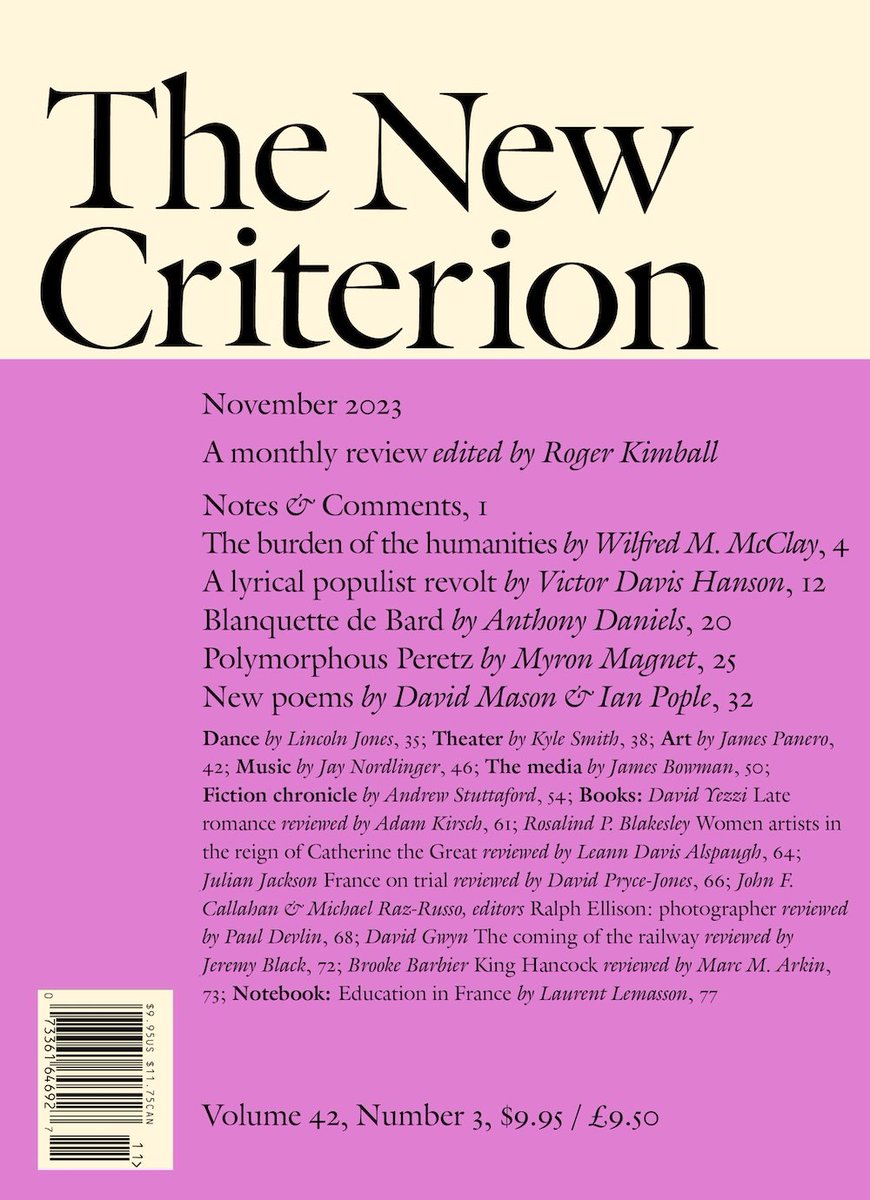 The New Criterion – November 2023 issue: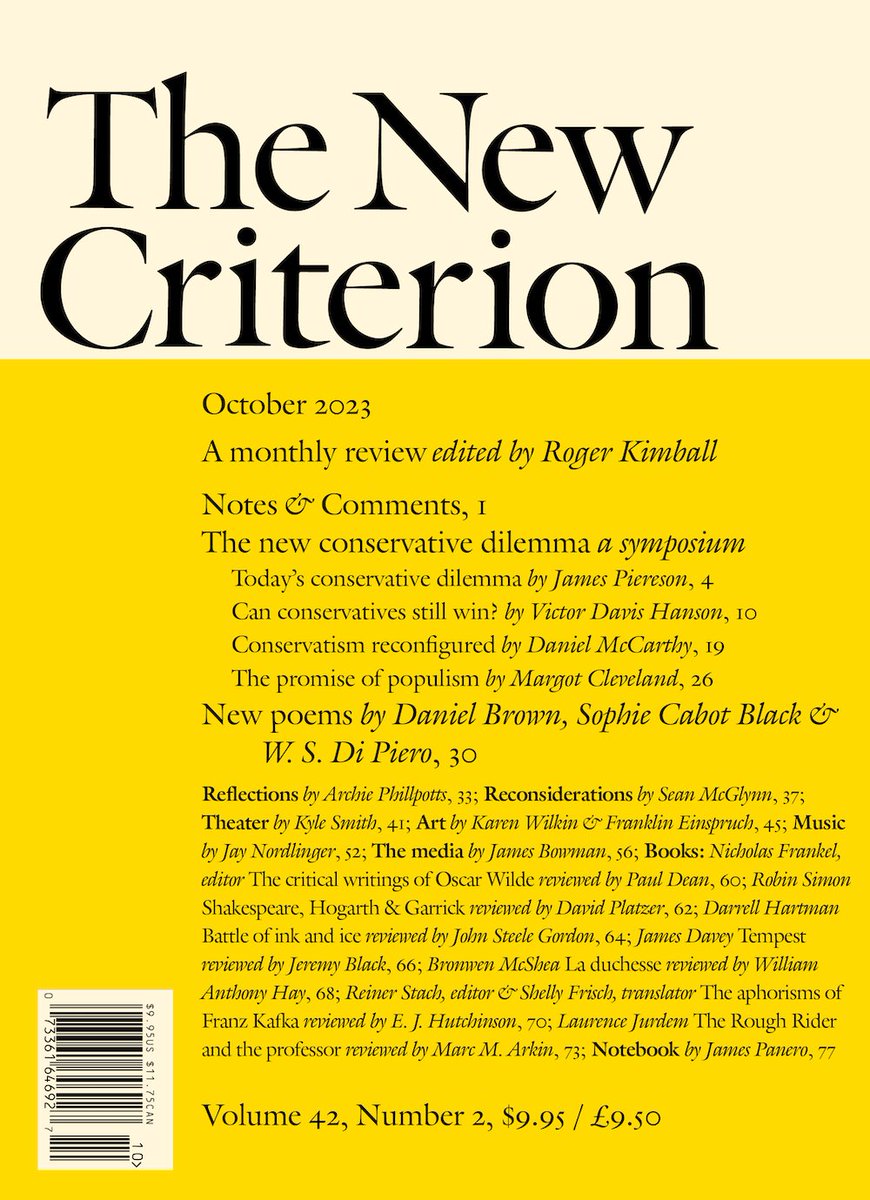
‘Editor’s Picks’ Podcast (June 5, 2023) – A selection of three essential articles read aloud from the latest issue of The Economist. This week, the economic consequences of the global collapse in fertility, Scotland’s holiday from reality (10:10) and the business of the rapper, Bad Bunny (18:10).

What might change the world’s dire demographic trajectory?
Even as artificial intelligence (ai) leads to surging optimism in some quarters, the baby bust hangs over the future of the world economy.

Populism can unravel quickly. But its effects are long-lasting
Scotland was the first part of Britain to get high on populist referendums. In 2014, two years before the Brexit vote, the Scottish independence campaign exhorted people to ignore the experts and revel in a glorious national renewal.

On Spotify and Netflix Spanish seems to be taking over the world
In November Spotify crowned Bad Bunny, a rapper from Puerto Rico, its most-streamed artist for the third year in a row.
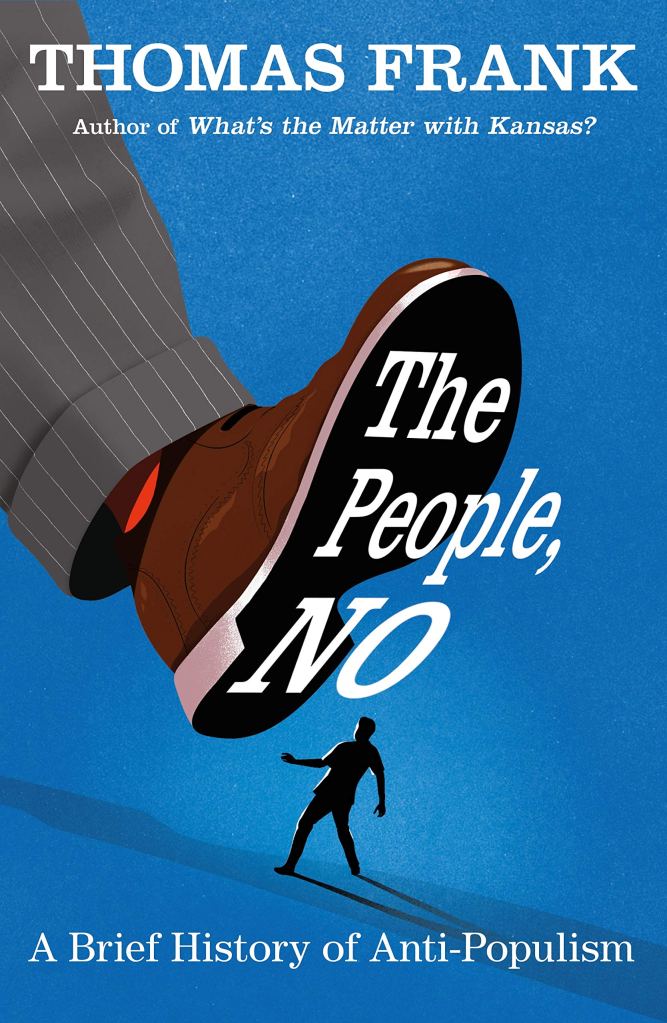
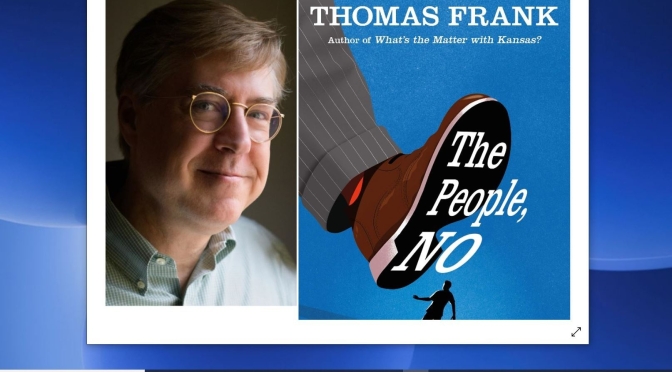
Rarely does a work of history contain startling implications for the present, but in The People, No Thomas Frank pulls off that explosive effect by showing us that everything we think we know about populism is wrong. Today “populism” is seen as a frightening thing, a term pundits use to describe the racist philosophy of Donald Trump and European extremists. But this is a mistake.
The real story of populism is an account of enlightenment and liberation; it is the story of American democracy itself, of its ever-widening promise of a decent life for all. Taking us from the tumultuous 1890s, when the radical left-wing Populist Party―the biggest mass movement in American history―fought Gilded Age plutocrats to the reformers’ great triumphs under Franklin Roosevelt and Harry Truman, Frank reminds us how much we owe to the populist ethos. Frank also shows that elitist groups have reliably detested populism, lashing out at working-class concerns. The anti-populist vituperations by the Washington centrists of today are only the latest expression.
Frank pummels the elites, revisits the movement’s provocative politics, and declares true populism to be the language of promise and optimism. The People, No is a ringing affirmation of a movement that, Frank shows us, is not the problem of our times, but the solution for what ails us.
 Boomers Daily