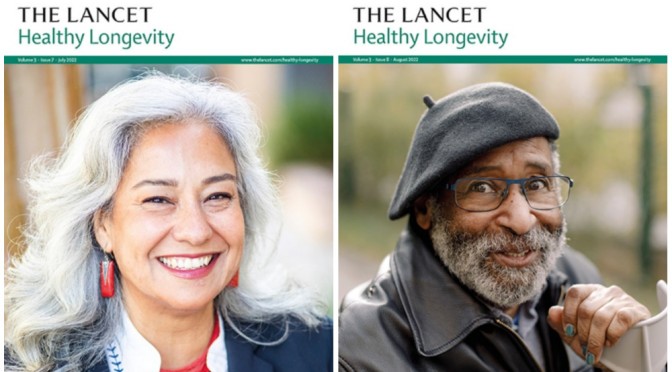


Inside the November 2022 Issue:
Research & review on #Alzheimers, global burden of benign prostatic hyperplasia, #WHO def of vitality capacity, IPD meta on social connection & #cognition, #oralhealth for older people & more.

Inside the November 2022 Issue:
Research & review on #Alzheimers, global burden of benign prostatic hyperplasia, #WHO def of vitality capacity, IPD meta on social connection & #cognition, #oralhealth for older people & more.
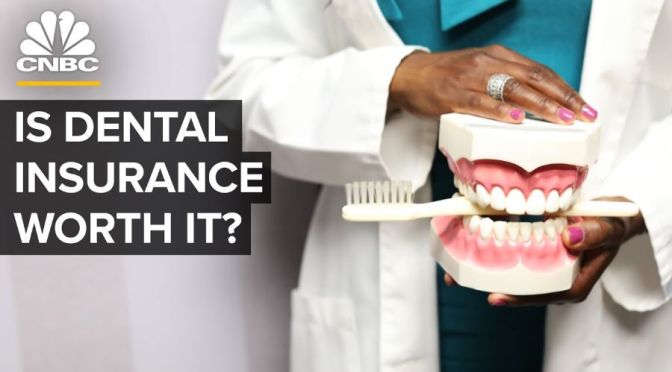
Americans have a tendency to avoid the dentist. More than 40% of Americans said they don’t see a dentist as often as they would like, according to a 2018 survey by the American Dental Association.
Their number one reason for skipping visits is cost, even among those with dental insurance. Dental insurance policies can be confusing and difficult to use, making some Americans wonder whether dental insurance is worth investing in at all. Watch the video to find out to learn what it actually costs to go to the dentist, whether dental insurance is worth investing in and what patients and policymakers can do about it.
Chapters 0:00 – Introduction 1:42 – How dental insurance works 4:15 – Dental care costs 6:17 – Is dental insurance worth it? 9:49 – Solutions Americans have a tendency to avoid the dentist. More than 40% of Americans said they don’t see a dentist as often as they would like, according to a 2018 survey by the American Dental Association. People have lots of reasons for not going, including fear, inconvenience and trouble finding a dentist who take their insurance. But the top reason Americans cite for avoiding the dentist is cost, with nearly 60% of Americans saying cost was the main reason they haven’t visited the dentist in the past 12 months. Cost remained the number one reason regardless of age, income level or type of insurance. Dental insurance can be confusing since it’s considered a separate service from medical insurance, which means it has different policies and procedures that many patients are not familiar with. From a lack of transparency about benefits to rules like annual maximums — which means plans stop paying for treatment after hitting a certain amount for the year — some patients question whether dental insurance is worth investing in at all. “There’s this misnomer that you need dental insurance to go to the dentist, you really don’t,” said Dr. Mark Vitale, a general dentist and owner of Edison Dental Arts in Edison, New Jersey. “Dental insurance is not the panacea that most people think it is.” But the industry landscape is shifting as more traditional health insurance companies are supplementing their medical plans with dental benefits. “Dental insurance is extremely profitable to the insurance companies, which is why many of the insured many of the major carriers offer dental insurance,” Vitale said.
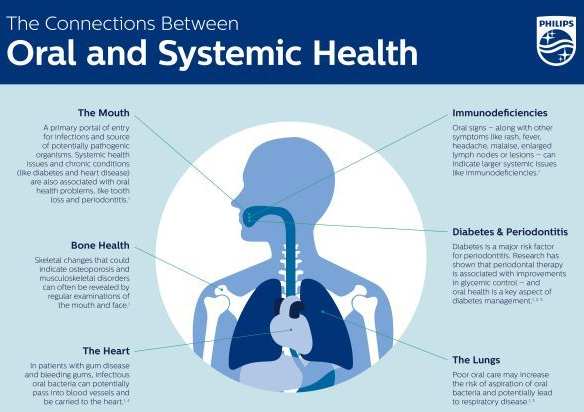
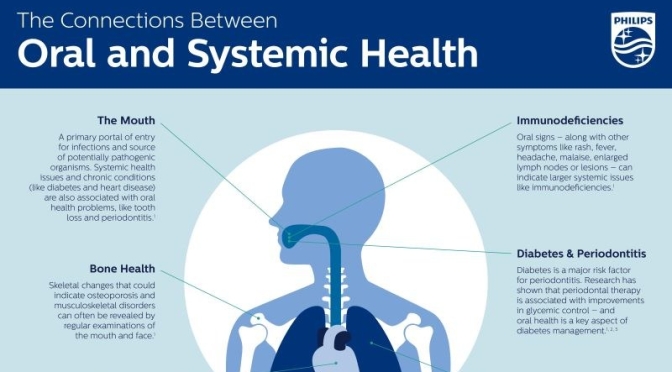
People today want to be more in control of their own health and are more attuned to getting the support and information they need online, from apps, and from connected products. Yet there are gaps in both their knowledge and daily commitment to good oral hygiene, and they need help along the way. Depending on lifestage, patient’s oral health concerns can evolve from plaque removal and aesthetics to larger concerns around gum health and disease. Too often, by the time they begin thinking about gum health, it’s too late. Multiple studies have revealed linkages between periodontal diseases and certain systemic diseases, such as diabetes, heart disease and kidney disease [4][5][6].
Prevention is key. Along with professional deep cleaning, good daily brushing and interdental cleaning are critical. It’s also important for patients to have regular conversations with their dentist about oral health issues and the linkage to their overall health.
From a Journal of the American Geriatrics Society release:
 In our study, we found significant associations between baseline teeth symptoms and change in episodic memory. Deficits in episodic memory (ie, ability to retain new information) are most common in older adults with mild cognitive impairment making them more likely to progress to Alzheimer’s disease dementia.30 Furthermore, changes in episodic memory are often reported in older adults several years before the onset of dementia.
Our findings point to the importance of assessing oral health symptoms in this population. Developing policy measures aimed at ameliorating health and improving cognition in this high‐risk fast‐growing population in the United States would need to include oral health preventive and dental care services. Medical and dental care providers can identify problematic oral health symptoms as risk factors of cognitive decline. Outreach programs that target older adults to improve the awareness of these problems can then be developed. Dental care community outreach programs should focus their information on practical ways to prevent oral health problems and provide information on accessible treatment options.
To read more: https://onlinelibrary.wiley.com/doi/10.1111/jgs.15748

 Boomers Daily