

MONOCLE RADIO (February 2, 2025): Tyler Brûlé is joined by Gorana Grgić and Chandra Kurt. We hear the latest from Monocle’s Helsinki correspondent, Petri Burtsoff, speak with ‘Zeit Magazin editorial director Christoph Amend and get an update on the art world from Aurelia Rauch.
Tag Archives: Opinion
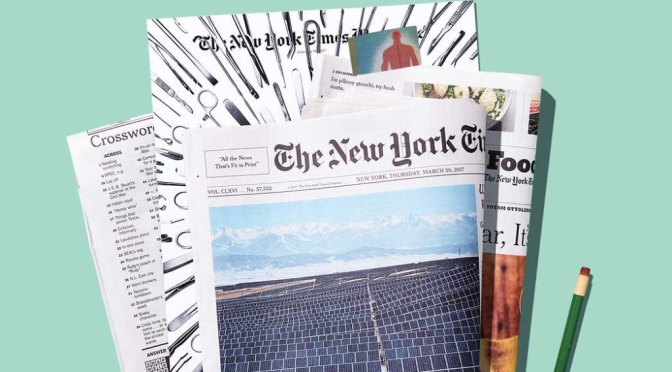
The New York Times – Sunday, February 2, 2025

Trump Signs Orders Imposing Tariffs on Canada, Mexico and China
The president signed executive orders placing tariffs on Canada, Mexico and China that were set to take effect on Tuesday, a move that could lead to a new era of global tensions.
Life After a Rebel Takeover
For those living in Goma, which has been captured by Rwanda-backed rebels, there is little water, little food and much uncertainty.
How the World Is Reeling From Trump’s Aid Freeze
President Trump’s order to halt most foreign aid has intensified humanitarian crises and raised questions about the United States’ reliability as a global leader.
Beneath Trump’s Chaotic Spending Freeze: An Idea That Crosses Party Lines
There is a long, bipartisan history of attempts to rein in spending and address concerns about government inefficiencies, though the parties have grown increasingly divided about what to cut.
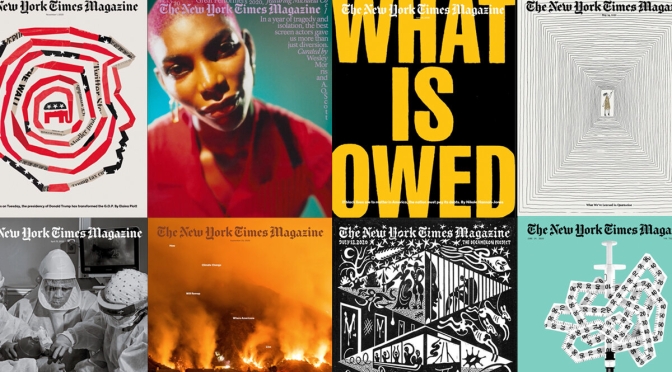
The New York Times Magazine – Feb. 2, 2025

THE NEW YORK TIMES MAGAZINE (February 1, 2025): The 2.2.25 Issue features Charles Homans on Trump supporters’ wishes for his return to power; James Forman Jr. on the emptying on America’s youth prisons; C.J. Chivers on invasive crabs in New England; and more.
What Trump’s Supporters Want for the Future of America
Scenes from a return to power in Washington.
Invasive Crabs Have Taken Over New England. One Solution? Eat Them.
America’s Northeastern coast has been overrun by crabs from Europe and Asia. Luckily, they’re delicious.
‘The Return of the King’: Trump Embraces Trappings of the Throne
Restored to power, President Trump claimed that God put him there and asserted the right to single-handedly redraw the world map as he sees fit.

Saturday Morning: News And Stories From London
MONOCLE RADIO (February 1, 2025): Emma Nelson and Alex von Tunzelmann explore the week’s top global stories and cultural highlights. Plus: Georgina Godwin brings us the latest from Jaipur.
The New York Times – Saturday, February 1, 2025
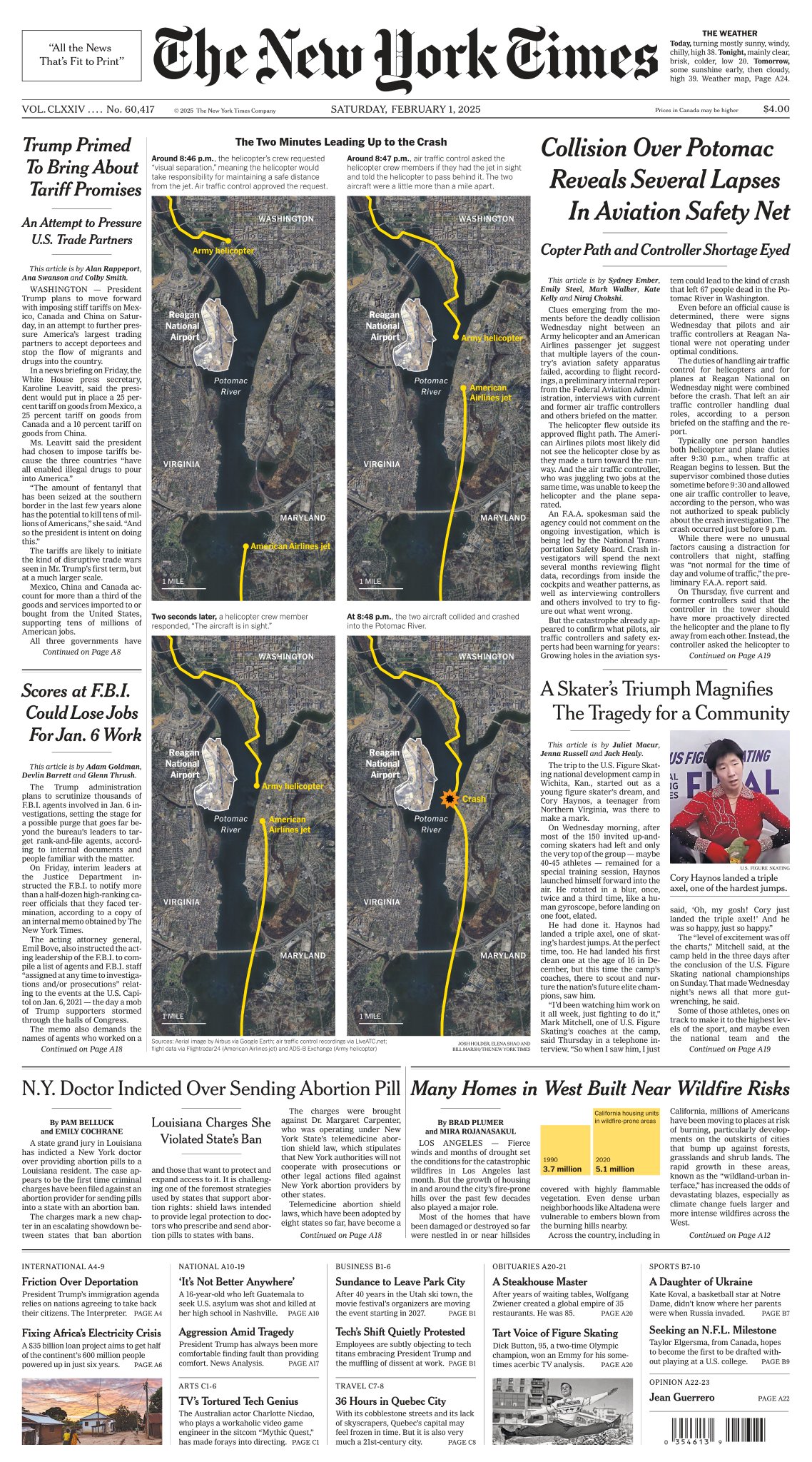
Washington Crash Renews Concerns About Air Safety Lapses
Clues emerging from the moments before an Army helicopter collided with a passenger jet suggest breakdowns in the system meant to help aircraft land safely at the busy Reagan National Airport.
Trump Will Hit Mexico, Canada and China With Tariffs
The White House said it would move forward with levies on America’s largest trading partners on Saturday.
Immigrant Communities in Hiding: ‘People Think ICE Is Everywhere’
Schools, churches and shops are feeling the chilling effect of the fear of deportation. One minister said fewer congregants were showing up for services.
Trump Officials Fire Jan. 6 Prosecutors and Plan Possible F.B.I. Purge
The prosecutor firings and a move to scrutinize thousands of F.B.I. agents were a powerful indication that the president has few qualms deploying federal law enforcement to punish perceived enemies.
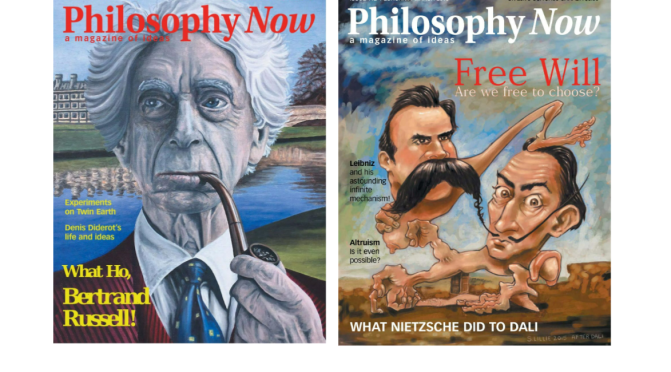
Philosophy Now Magazine – February/March 2025
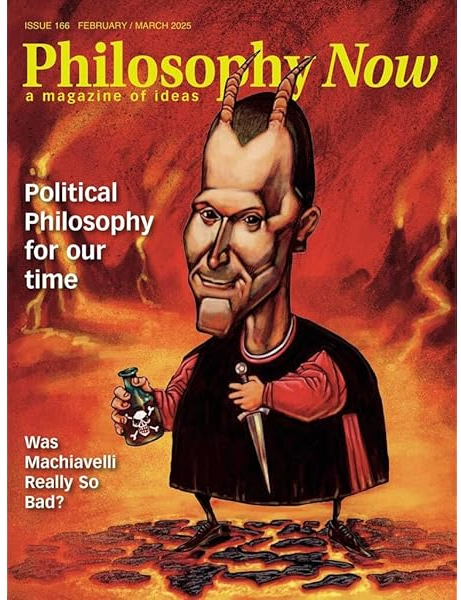
PHILOSOPHY NOW MAGAZINE (January 31, 2025): The latest issue features ‘Political Philosophy For Our Times’ – Was Machiavelli really so bad?…
Too Late To Awaken by Slavoj Žižek
T.W.J Moxham reads Slavoj Žižek’s little book of Hegelian horrors.
Exploring Atheism
Amrit Pathak gives us a run-down of the foundations of modern atheism.
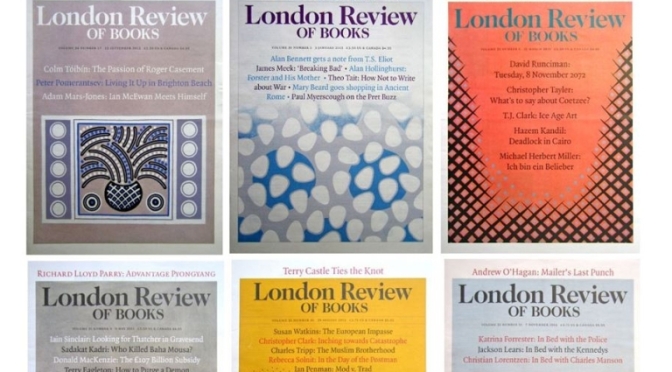
London Review Of Books – February 6, 2025 Preview
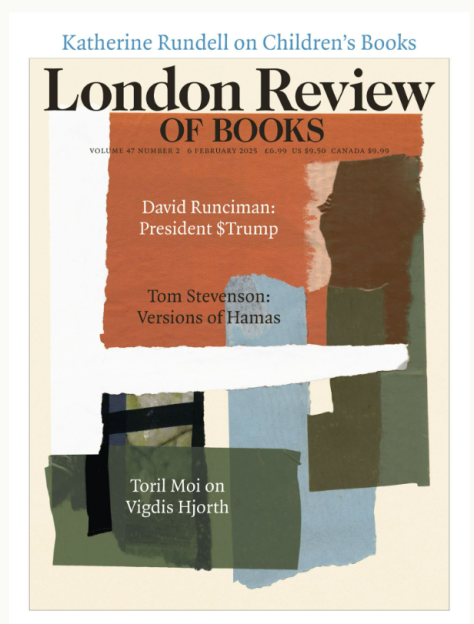
LONDON REVIEW OF BOOKS (January 31, 2025): The latest issue features David Runciman on President $Trump; Versions of Hamas and Toril Mok on Vigdis Hjorth…
Tom Stevenson: Hamas: The Quest for Power by Beverley Milton-Edwards and Stephen Farrell
Jessie Childs: The Forbidden Garden of Leningrad: A True Story of Science and Sacrifice in a City under Siege by Simon Parkin
Michael Wood: At the Movies: ‘The Brutalist’
Alex de Waal: How to Measure Famine
Michael Dobson:
White People in Shakespeare: Essays in Race, Culture and the Elite edited by Arthur LittleShakespeare’s White Others by David Sterling BrownThe Great White Bard: How to Love Shakespeare while Talking about Race by Farah Karim-Cooper
Katherine Rundell: Why children’s books?
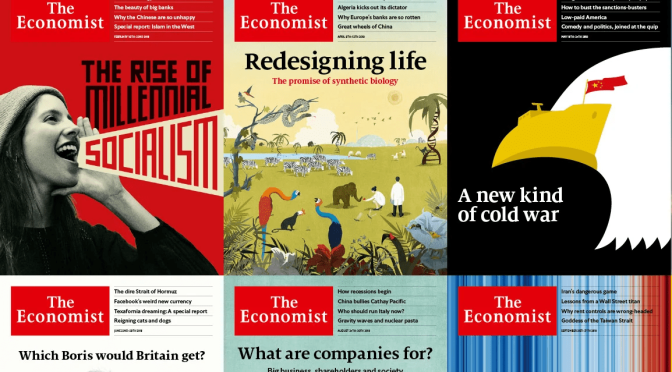
The Economist Magazine – February 1, 2025 Preview

THE ECONOMIST MAGAZINE (January 30, 2025): The latest issue features ‘The Revolt Against Regulation’….
Milei, Modi, Trump: an anti-red-tape revolution is under way
Done right, deregulation could kick-start economic growth
By cutting off assistance to foreigners, America hurts itself
Donald Trump’s chaotic aid freeze makes his country weaker
The real meaning of the DeepSeek drama
The Chinese model-maker has panicked investors. But it is good for the users of AI

News: New Syria President, Myanmar Junta Extends Its State Of Emergency
MONOCLE RADIO (January 31, 2025): Ahmed al-Sharaa has been tapped to be Syria’s transitional president. What does his consolidation of power mean for the country? Plus: Myanmar’s junta prepares for elections and we head to Utah for the Sundance Film Festival. Then: Andrew Mueller tells us what he learned this week.
The New York Times – Friday, January 31, 2025

Washington Crash Renews Concerns About Air Safety Lapses
Clues emerging from the moments before an Army helicopter collided with a passenger jet suggest breakdowns in the system meant to help aircraft land safely at the busy Reagan National Airport.
Trump Kicks Congress to the Curb, With Little Protest From Republicans
The administration is showing it doesn’t view the House and Senate as equal partners. So far, Republicans, who hold both majorities, are accepting their new status.
Patel Works to Persuade Senators His Loyalty to Trump Is Not Absolute
Testifying in a confirmation hearing, Kash Patel, who is nominated to lead the F.B.I., also sought to allay fears about his fitness to serve.
Israel Frees Palestinian Prisoners After Chaotic Hostage Handover
Hamas freed three Israelis and five Thai nationals in exchange for more than 100 Palestinians. But the militant group struggled to control crowds, prompting a delay.
 Boomers Daily