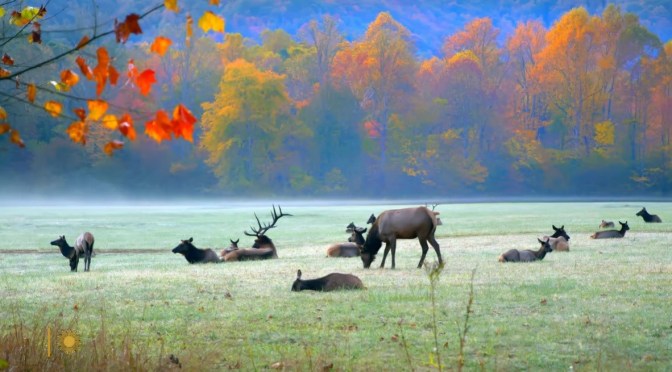

Videographer: Charles Schultz. @NationalParkService

Videographer: Charles Schultz. @NationalParkService
April 30, 2023: Tyler Brûlé hosts a special edition of the programme live from Asheville, North Carolina, with guests discussing the weekend’s top stories, as well as the best in business and craftsmanship from the region.
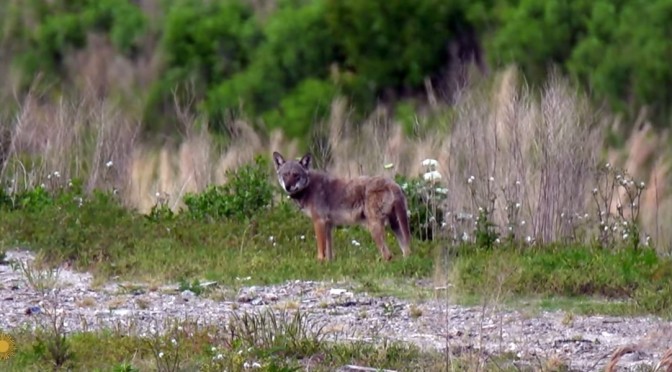
“Sunday Morning” takes us among red wolves, a critically endangered species, near Pamlico Sound in eastern North Carolina. Videographer: Carl Mrozek.
One of the best ways to get a sense of the retro-urban city of Asheville, North Carolina is to visit with the designers and artists who call it home.
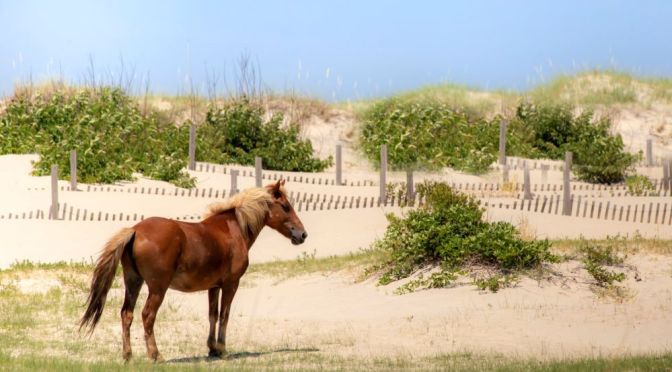
“Sunday Morning” leaves us with wild horses along the Outer Banks near Corolla, North Carolina. Videographer: Carl Mrozek.
The Corolla Wild Horses are located in the northernmost beaches of the Outer Banks, in the 4WD area that’s just north of Corolla. Wild horses, also known as Wild Ponies, are also found on Ocracoke Island, and can be viewed at the Ocracoke Pony Pen just south of the Hatteras / Ocracoke ferry docks.
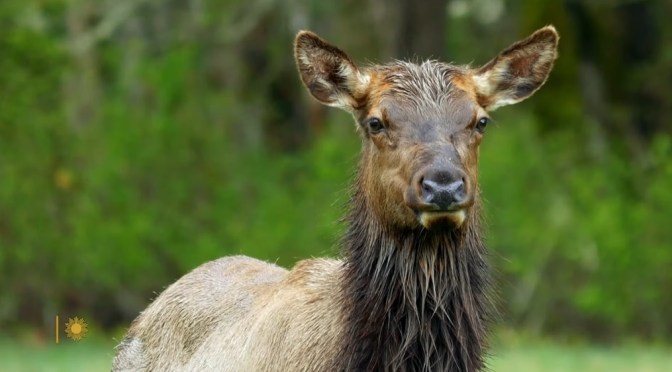
“Sunday Morning” takes us among the elk and turkeys at the Great Smoky Mountains National Park in North Carolina. Videographer: Scot Miller.
Elk are the second-heftiest members of the deer family, after the bigger and darker-haired moose. While there’s really no mixing up those two giant deer, the names are definitely a cause for confusion from an international perspective. In Europe, what North Americans call moose are known as “elk.” The word “moose” is an indigenous North American (likely Algonquin) word, and in New England, early European colonists distinguished between the “black moose”—the moose as we know it today—and the “grey moose,” or elk.
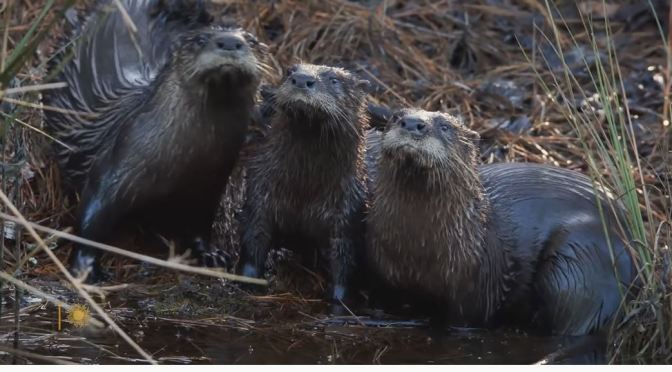
“Sunday Morning” takes us to the Alligator River National Wildlife Refuge in North Carolina, where otters are lazing around. Videographer: Alex Goetz.
Five stories to know for April 27: North Carolina shooting, Justice Department’s probe into Breonna Taylor’s death, Republicans’ drive to recall Gavin Newsom, India’s COVID deaths near 200,000 and fighting in Myanmar.
1. Attorneys for the family of Andrew Brown Jr., a Black man shot by sheriff’s deputies in North Carolina during an attempted arrest last week, said body camera footage showed Brown had been “executed”.
2. The Justice Department launched a civil probe of the Louisville, Kentucky, police department whose officers last year fatally shot Breonna Taylor in a botched raid.
3. A Republican-led effort to recall California Democratic Governor Gavin Newsom has garnered enough valid signatures to make the ballot.
4. Vital medical supplies poured into India as hospitals starved of life-saving oxygen and beds turned away coronavirus patients, while a surge in infections pushed the death toll towards 200,000.
5. Ethnic minority Karen insurgents attacked a Myanmar army outpost near the Thai border in some of the most intense clashes since a military coup threw the country into crisis.
Charlotte is a major city and commercial hub in North Carolina. Its modern city center (Uptown) is home to the Levine Museum of the New South, which explores post–Civil War history in the South, and hands-on science displays at Discovery Place. Uptown is also known for the NASCAR Hall of Fame, which celebrates the sport of auto racing through interactive exhibits and films.
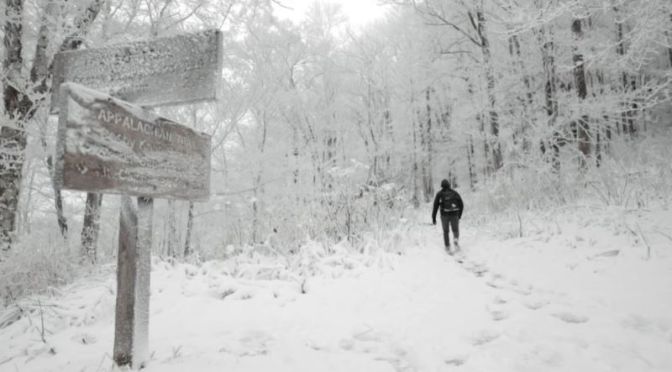
The Great Smoky Mountains turned into quite the winter wonderland last week. A few inches of snow may not sound like much, but in the Southeast it’s cause to drop everything and hit the trail. Decided to try my hand at a silent (well, technically one-word) hiking video. Hope it gets you excited for winter.
The Great Smoky Mountains are a mountain range rising along the Tennessee–North Carolina border in the southeastern United States. They are a subrange of the Appalachian Mountains, and form part of the Blue Ridge Physiographic Province.




 Boomers Daily