

 It’s too soon to know what downtown cities will look like after the coronavirus pandemic. What we do know is that no business will be spared. Both small mom and pops and big retailers will have to shut their doors and move away from dense city centers. That could mean landowners, consumers and retailers will have to work together to imagine the new iteration of the American city.
- Plus, the more we learn about kids and the coronavirus, the riskier it seems to resume in-person schools.
- And, the 2020 presidential election won’t like anything we’ve ever seen.
Guests: Axios’ Dion Rabouin, Caitlin Owens, and Sara Goo.

 Staff Writer Meredith Wadman joins host Sarah Crespi to discuss the
 NPR New Now: The Beirut explosion killed at least 135 people, the 2020 U.S. Presidential election, and other top news.
 NPR Up First reports: The death toll is rising from yesterday’s explosions in Beirut. A longtime incumbent loses in Missouri’s Democratic Primary. And, some U.S COVID-19 relief checks were sent to non-American workers overseas.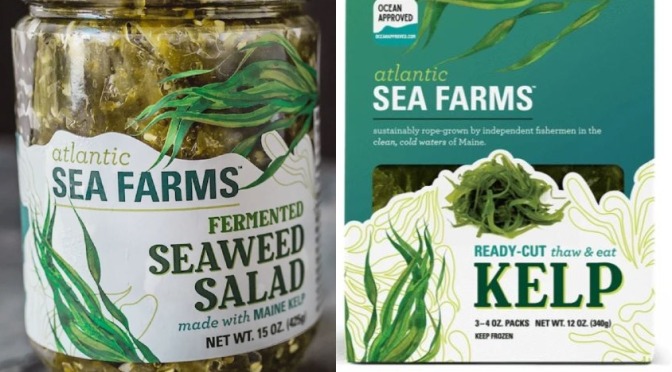
 Atlantic Sea Farms is the largest commercial seaweed farm in the U.S. They line-grow their seaweed in clear, icy cold Maine waters. The seaweed — which is sold frozen in pureed cubes and in ready to eat cut strands and fermented products — is never dyed or dehydrated.
 This week, lawmakers in Capitol Hill are trying to piece together the next stimulus package as many benefits like unemployment insurance and forgiving evictions expire. Democrats and Republicans both agree that a new bill is necessary but there’s been a lot of back and forth about the specifics. And they’re running out of time.
 Boomers Daily