Tag Archives: Nature

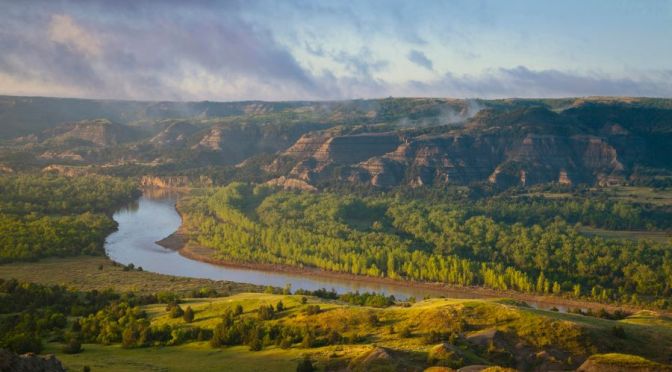
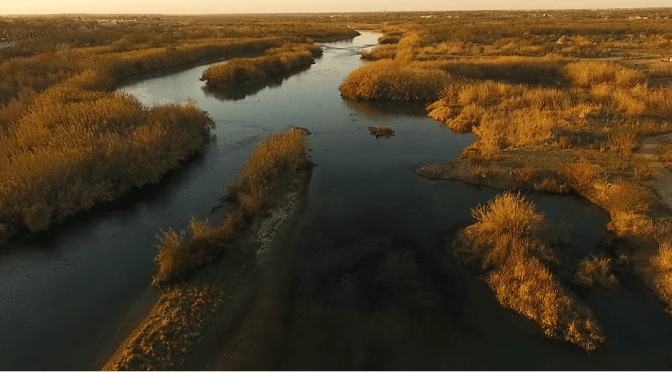
Views: San Felipe Creek In Southwestern Texas

Fly above San Felipe Creek and the Rio Grande at the golden hour before sunset.

The Rio Grande, known in Mexico as the Río Bravo del Norte and as the Río Bravo, is one of the principal rivers in the southwestern United States and in northern Mexico. The length of the Rio Grande is 1,896 miles and originates in south-central Colorado, in the United States, and flows to the Gulf of Mexico.
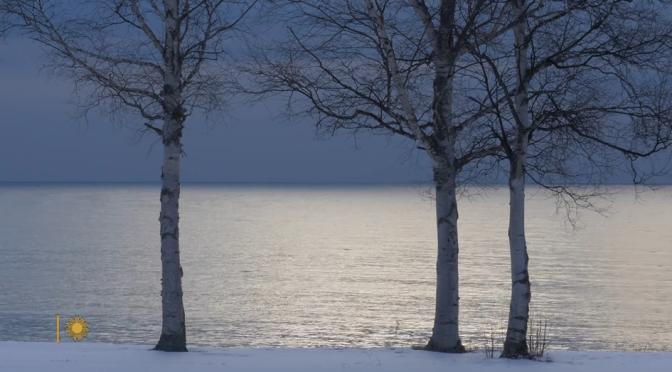
Winter: North Shore Of Lake Superior, Minnesota

“Sunday Morning” leaves us on this first Sunday morning of winter on the north shore of Lake Superior. Videographer: Scot Miller.

The North Shore of Lake Superior runs from DuluthMinnesota, United States, at the southwestern end of the lake, to Thunder Bay  and  NipigonOntario, Canada, in the north to Sault Ste. Marie, Ontario, in the east. The shore is characterized by alternating rocky cliffs and cobblestone beaches, with forested hills and ridges through which scenic rivers and waterfalls descend as they flow to Lake Superior.

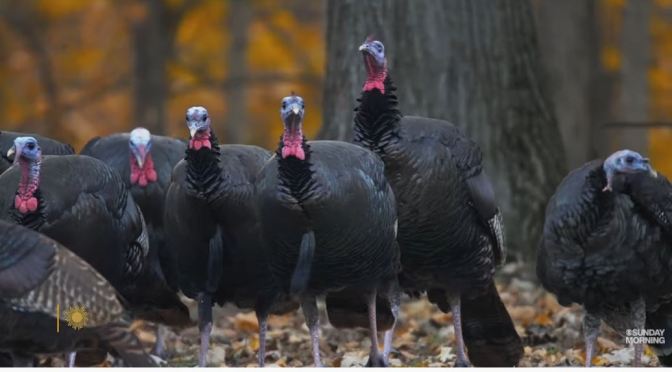
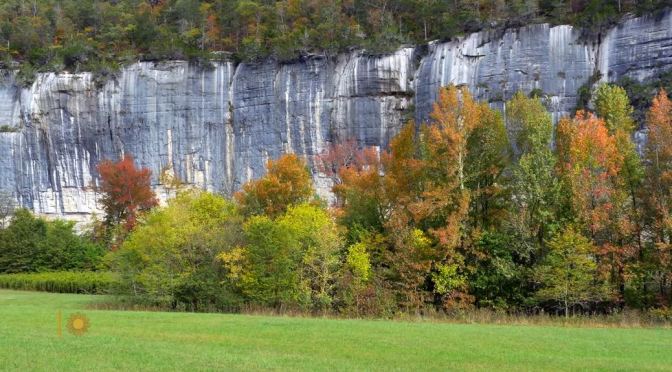
Nature: Buffalo National River, Northern Arkansas

Sunday Morning” takes us to the banks of the Buffalo National River in northern Arkansas. Videographer: Scot Miller.

The Buffalo River, located in Northern Arkansas, was the first National River to be designated in the United States. The Buffalo River is 153 miles long. The lower 135 miles flow within the boundaries of an area managed by the National Park Service, where the stream is designated the Buffalo National River.

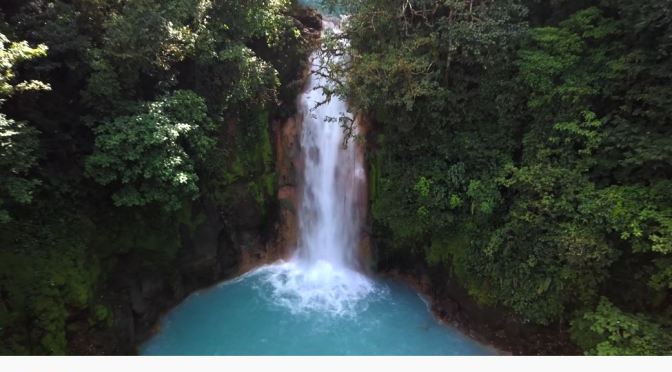
Nature Views: Rainforests & Wildlife In Costa Rica

Costa Rica is a rugged, rainforested Central American country with coastlines on the Caribbean and Pacific. Though its capital, San Jose, is home to cultural institutions like the Pre-Columbian Gold Museum, Costa Rica is known for its beaches, volcanoes, and biodiversity. Roughly a quarter of its area is made up of protected jungle, teeming with wildlife including spider monkeys and quetzal birds.

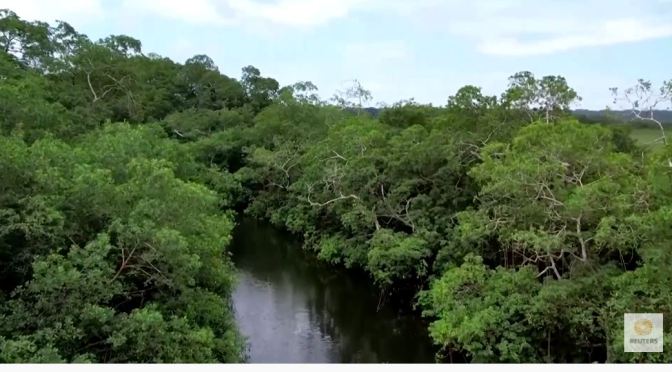
Nature: Mangrove Swamps Of Gabon, Central Africa

The towering trees in Gabon’s mangrove swamps have helped to make the Central African country one of the world’s few net absorbers of carbon. However, many are under threat from urbanization, with former swamps being illegally cleared for construction.