Tag Archives: National Geographic

National Geographic Magazine – August 2024

National Geographic Magazine (July 16, 2024) The new issue features ‘Rebirth Of The Seine’ – Inside France’s efforts to restore the iconic river to its former glory, in time for the Olympics…

Paris made an Olympic-sized effort to clean up the Seine—did they succeed?

For centuries, the Seine River has been Paris’s dumping ground. A billion-dollar cleanup is trying to make it swimmable again.

How the Seine River shaped the city of Paris

The history of Paris is inextricably linked to the river that flows through its center—from Neolithic settlement to this year’s Olympic games.

Meet the ancient goddess of the Seine River: Sequana

The opening ceremony for the Paris 2024 Summer Olympics will take place on the fabled French waterway. But did you know it was named for a Gallo-Roman deity?
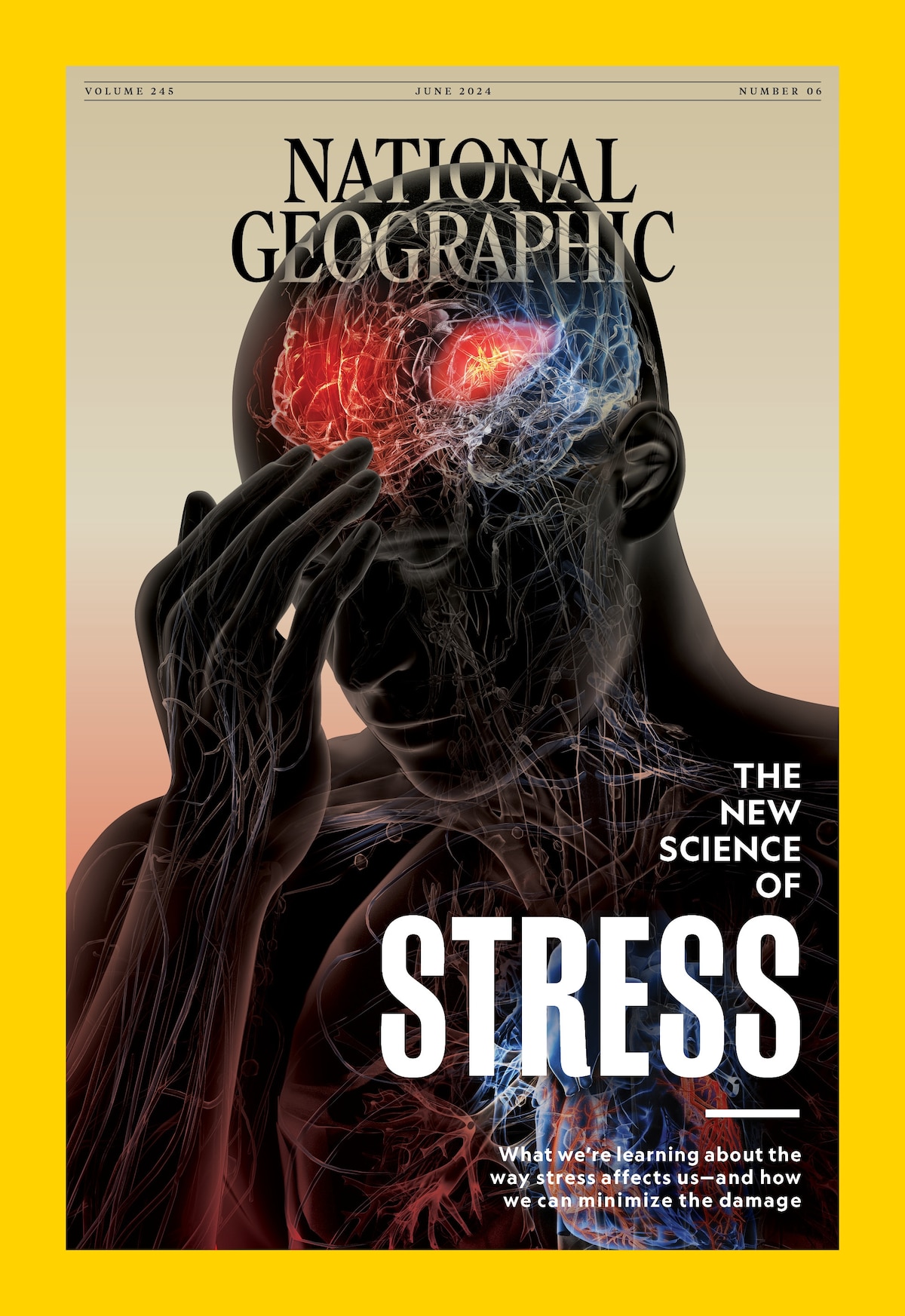
National Geographic Magazine – June 2024

June 2024 Issue

National Geographic Magazine (May 15, 2024) The new issue features ‘Stress’ – What we’re learning about the way stress affects us. And how we can minimize the damage.

Can scientists ‘solve’ stress? They’re trying.

Three young girls eat bowls of cereal at the dining table as their mother and father stand distracted in the back of a cluttered kitchen.

From cardiovascular disease and obesity to a weakened immune system, the side effects of stress can be life-altering. But there may be a way to prevent those outcomes.

ByYudhijit Bhattacharjee

Does meditation actually work? Here’s what the science says.

Research is finally catching up to the idea that meditation—which has been practiced for millennia—also provides many health benefits, including managing stress and anxiety.
National Geographic Magazine – March 2024

Image

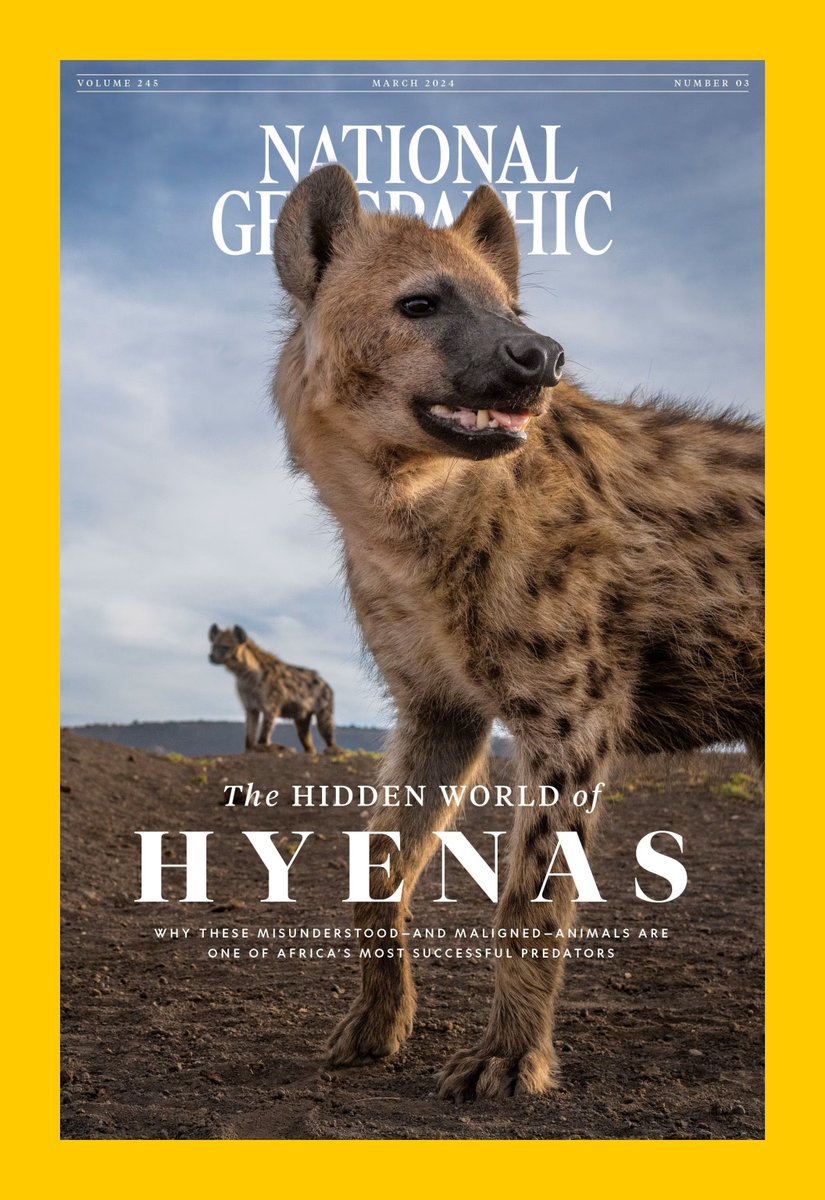
National Geographic Magazine (February 14, 2024) The new issue features ‘The Hidden World of Hyenas – Why these misunderstood – and maligned – animals are one of Africa’s most successful predators…

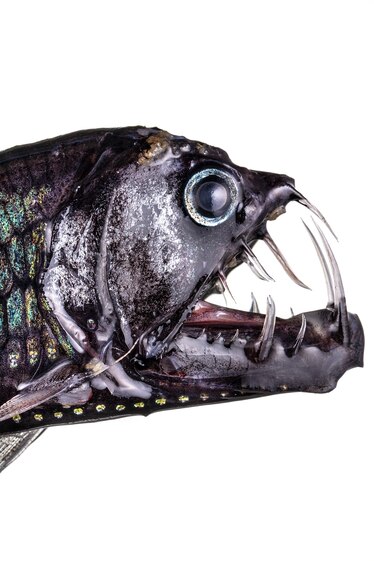
These creatures of the ‘twilight zone’ are vital to our oceans

With with big eyes and very long teeth.

The species help harness carbon dioxide, a greenhouse gas, deep in the ocean, but much is still unknown about this region and its fascinating inhabitants.

Love them or hate them, hyenas are getting the last laugh

The spotted hyena is Africa’s most successful predator—and one of its most misunderstood animals. But decades of cutting edge research is yielding greater understanding, respect, and protection.
National Geographic Magazine – January 2024

Image

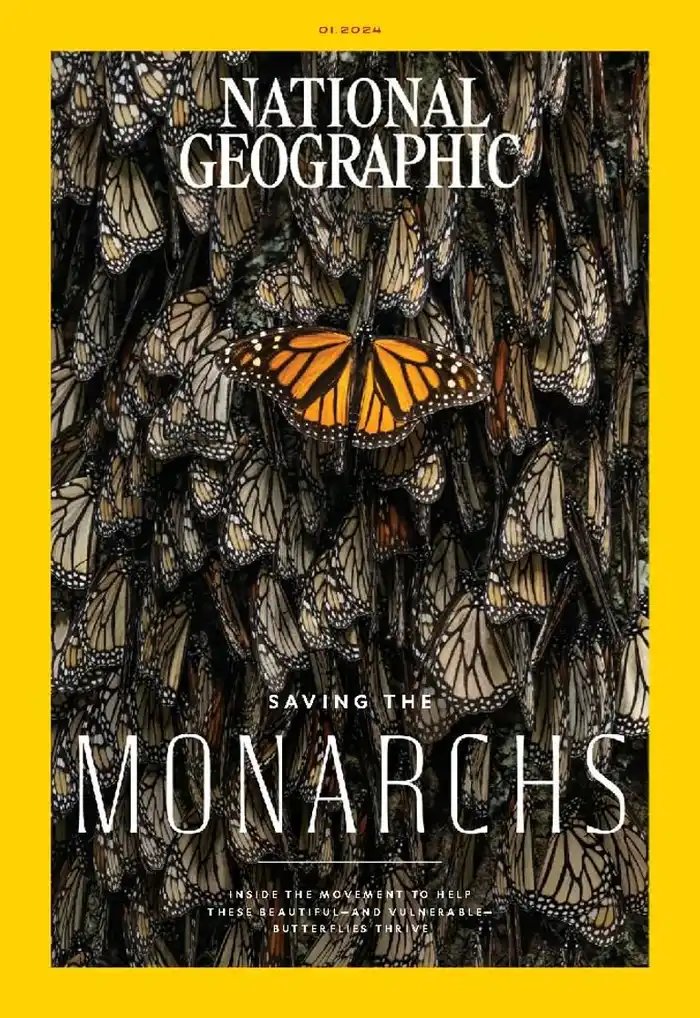
National Geographic Magazine (January 1, 2024) The new issue features ‘Saving The Monarchs’ – Inside the movement to help these beautiful and vulnerable butterflies thrive; Can monarchs adapt to a rapidly changing world? – Extreme weather and rising temperatures threaten their epic migration, but scientists say targeted habitat restoration can help….

Follow the monarch on its dangerous 3,000-mile journey across the continent

The iconic North American butterfly’s annual migration patterns are under threat from habitat loss and extreme weather, causing its devoted fans to research solutions and push for protection from the Endangered Species Act.
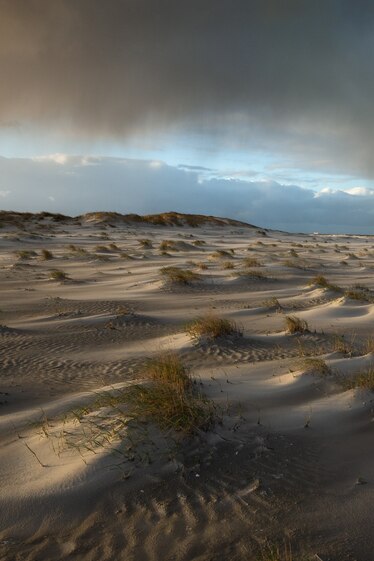
He spent 50 days on a deserted island. Then he found a message in a bottle.

The sea of sand with waves and grass instead of sea-foam.

Jasper Doest spent nearly two months photographing the Netherlands’ Rottumeroog, where visitors are usually prohibited and he found a new sense of freedom.

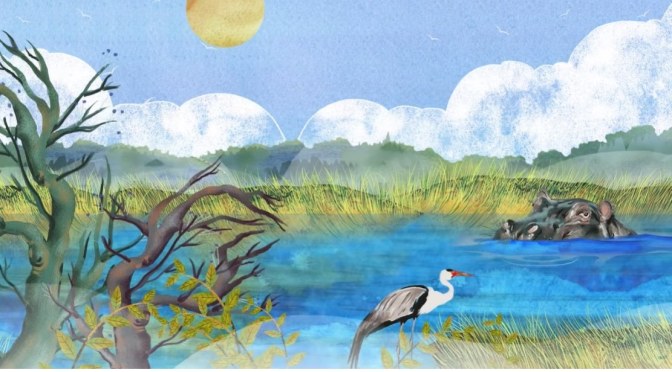
Africa Ecosystems: Life Source Of The Okavango

National Geographic (December 18, 2023) – As the rivers of the Okavango Basin pump life into an otherwise dry African region, a team of researchers and local communities, supported by the Okavango Eternal partnership, follow the flow every year to determine how we can preserve these vital water systems.

Paid content for De Beers.

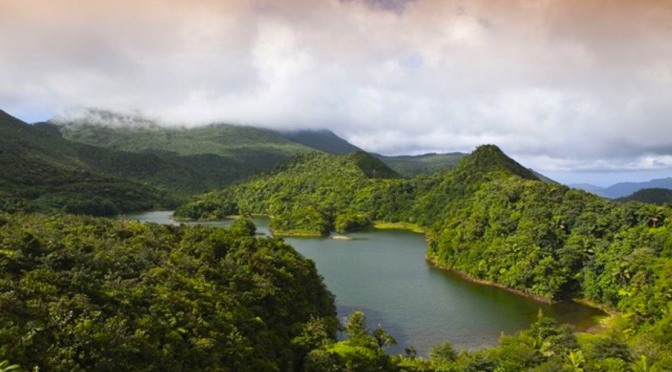
Caribbean Tour: Dominica – The Nature Island (2023)

National Geographic (November 14, 2023) – Dominica: The Nature Island (2023) follows the National Geographic Pristine Seas team as they partner with local leadership to conduct the first full-island survey of the marine ecosystems around the island.

The scientific results from the international team’s weeks of work will help inform the Dominican government and its people in their resilience planning to ensure their marine environment’s irreplaceable assets continue to sustain the well-being of many generations of Dominicans.

After the harrowing experiences of Hurricane Maria in 2017, Dominica committed to transforming the island into the world’s first climate resilient nation.

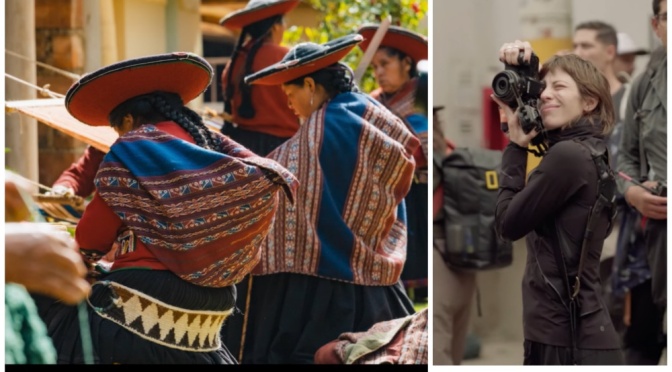
National Geographic: One Week With Photographer Taylor Pendleton In Peru

graincheck Films (November 2023) – Photographer and director Taylor Pendleton traveled to Peru for one week to shoot photos for National Geographic. This video chronicles her experiences and impressions.

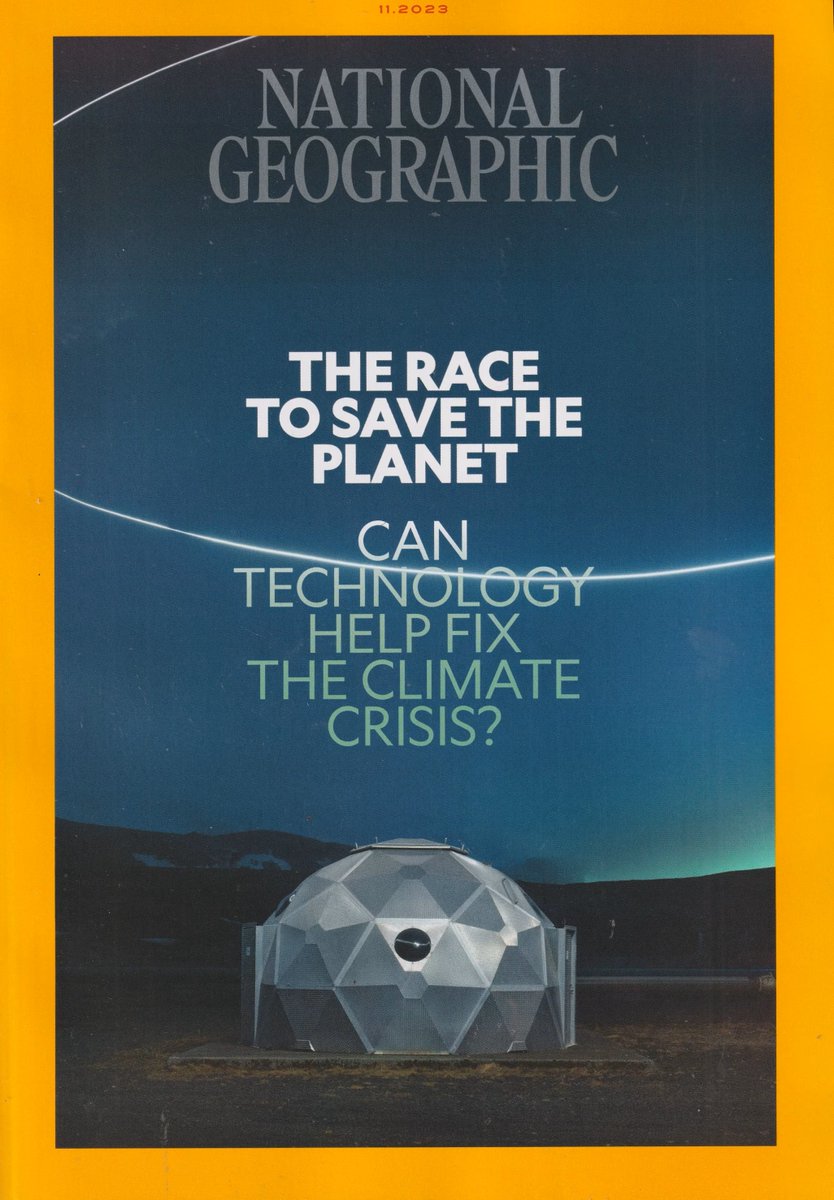
NATIONAL GEOGRAPHIC MAGAZINE – NOVEMBER 2023

Image

National Geographic (NOVEMBER 2023) – The latest issue features The race to capture carbon – Any climate solutions strategy requires the removal of carbon from the atmosphere. Here are 12 of the most promising strategies; What flashy feathers reveal about the secret lives of birds, and more…

Another weapon to fight climate change? Put carbon back where we found it

Diver in wetsuit next to free-floating experimental enclosures.

Getting to zero carbon emissions won’t save the world. We’ll have to also remove carbon from the air—a massive undertaking unlike anything we’ve ever done.

BY SAM HOWE VERHOVEK

Over the past few centuries, we have dug, chopped, burned, drilled, pumped, stripped, forged, flared, lit, launched, driven, and flown our way to adding 2.4 trillion metric tons of carbon dioxide to Earth’s atmosphere.

That’s as much CO2 as would be emitted annually by 522 billion cars, or 65 cars per person living today.

On a lonely, lunar-like valley 20 miles outside of Reykjavík, Iceland, Edda Aradóttir is on a mission to put it back where it came from.
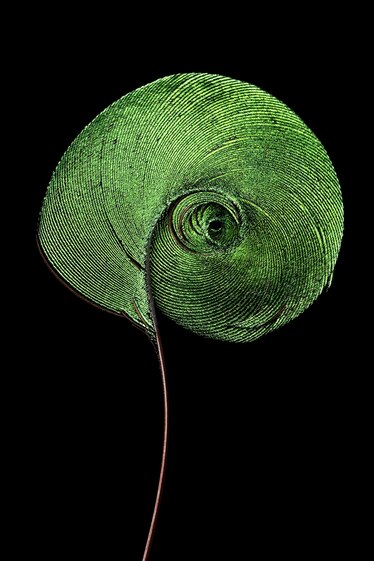
What these flashy feathers reveal about the secret lives of birds

Shimmery. Spiky. Shaggy. Soft. Feathers are what make birds so alluring—but these photographs remind us that they also tell a story about the science of evolution.

BY ANNIE ROTH

PHOTOGRAPHS BY HEIDI AND HANS-JÜRGEN KOCH

In 1860 Charles Darwin wrote, “The sight of a feather in a peacock’s tail, whenever I gaze at it, makes me sick!” The plumes were so extravagant, he surmised, they could be a hindrance to survival. Darwin’s frustration with their seemingly inexplicable elegance eventually led him to the idea of sexual selection. Although this form of natural selection—driven by the preference of one sex for certain characteristics in individuals of the other sex—is well understood today, a peacock’s feather can still hold mystery for its viewers, says Heidi Koch. She and her husband, Hans-Jürgen, have spent the past few years photographing feathers in all their glorious detail.
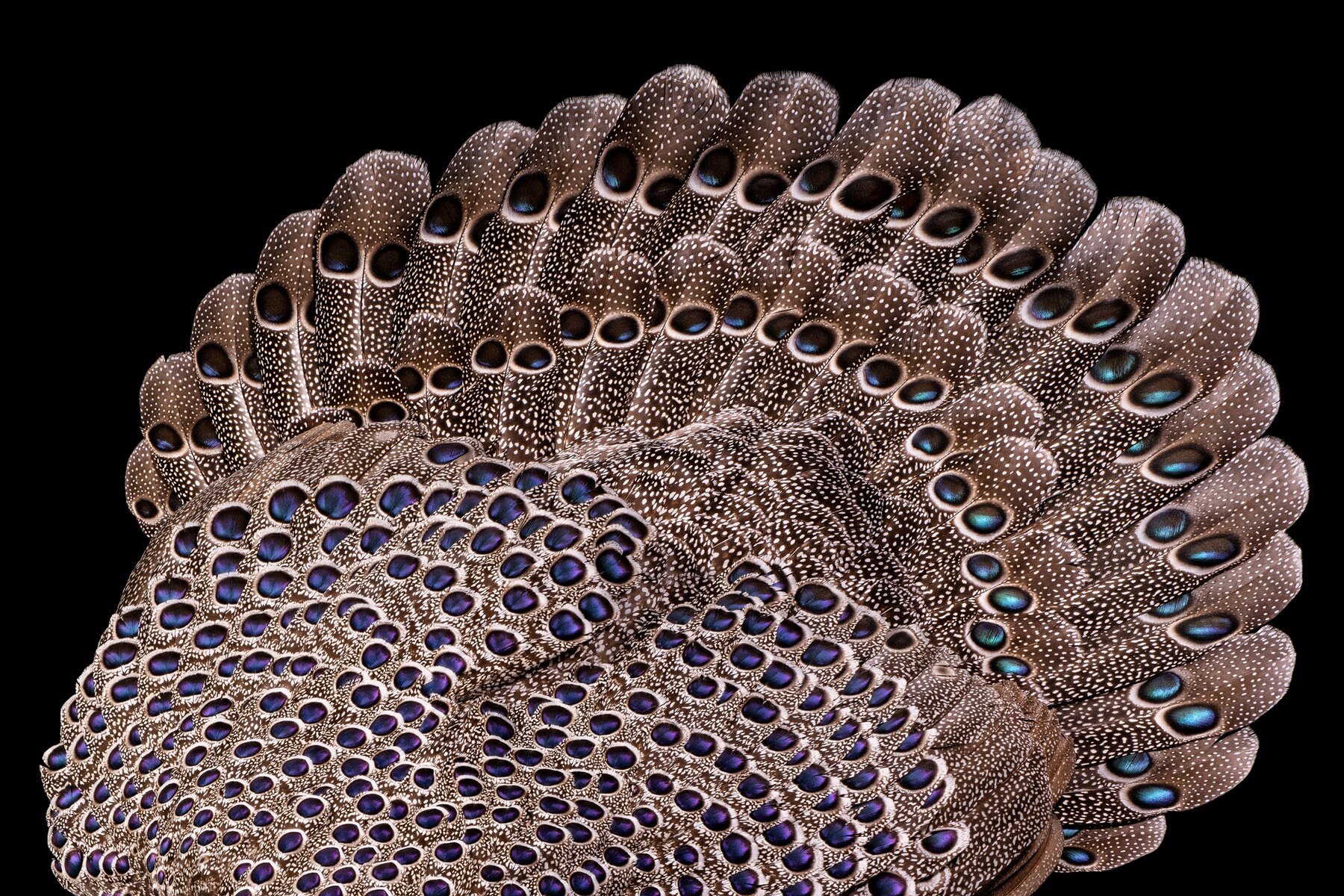
Although both sexes of the gray peacock pheasant have back and tail feathers adorned with brilliant eyespots, the males make the best use of them. During elaborate wooing rituals, they raise and fluff up their feathers—which can reach nearly 16 inches in length—putting..

Travel & History: National Geographic — OCT 2023

Image

National Geographic Magazine (October 2023): Space – What we’re learning, Where we’re going…

We’re in Mercury retrograde. Here’s what that really means.

The planet’s apparent backward motion occurs for a few weeks about every four months. Here’s what’s really happening—and how astrology became a modern phenomenon.

Michigan Travel: A Tour Of The Upper Peninsula

National Geographic (August 9, 2023) – From mountain biking to experiencing the northern lights, join National Geographic Photographer Michael George as he explores Michigan’s Upper Peninsula.

The Upper Peninsula is a forested region in Michigan bordering 3 of the Great Lakes and extending outward from Wisconsin. It’s connected to Michigan’s Lower Peninsula by the roughly 5-miles-long Mackinac Bridge, which spans the Straits of Mackinac.

Sandwiched between the 2 peninsulas is Mackinac Island, a car-free vacation destination with the iconic 1887 Grand Hotel and the Victorian-era Fort Mackinac.