
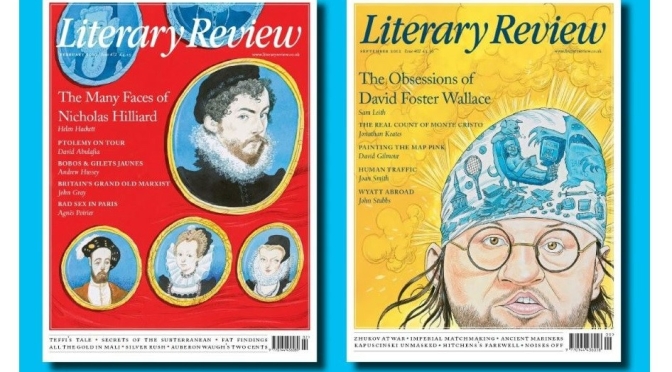


Literary Review – September 2023: The new issue features Yoga Goes To Hollywood by Dominic Green; How England Lost France; Who’s Afraid of AI?; Don’t Mention Tiananmen; Anne Boleyn’s Ascent and Tastes of China….
Dates with Destiny

RICHARD VINEN
Turning Points: Crisis and Change in Modern Britain, from 1945 to Truss By Steve Richards
In the good old days, dates were for foreigners. France, to take the obvious example, had repeatedly been turned upside down by war, revolution and changes of regime. But the English tourist in Paris rarely bothered to find out which of these distasteful events might be commemorated by, say, the rue du Quatre Septembre. The history of England (this was less true of Scotland and not at all true of Ireland) was a smooth and mostly benign progression. Educated people could tell you what the Glorious Revolution was but might be hazy about when exactly it had happened.
Cyborgs Old & New

BLAKE SMITH
The Handover: How We Gave Control of Our Lives to Corporations, States and AIs By David Runciman
Artificial intelligence, it is commonly acknowledged, will pose one of the gravest challenges to humanity in the coming years. In the minds of some, it is already the most urgent problem we face. While there are a number of possible dangers that might bring about the extinction of our species, AI confronts us with a particularly dire situation, because it may well be that we have only a brief amount of time – perhaps a generation – in which to set up norms and constraints on the development of autonomous, non-human intelligences that may otherwise escape our control.






 Boomers Daily