Tag Archives: July 2023

National Geographic Traveller – July/Aug 2023

Image

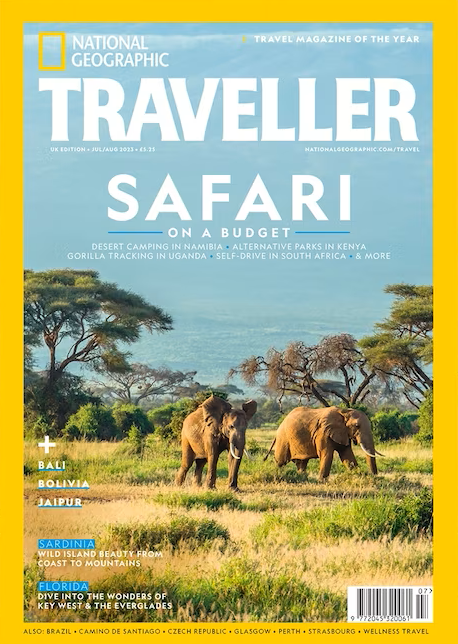
National Geographic Traveller Magazine (July/August 2023): The issue features the best-value safaris available, an off-road journey in Bolivia, three Camino de Santiago itineraries and a weekend in Czech Republic’s South Moravia.

This issue also comes with a free UK & Ireland guide — featuring 52 short breaks around Britain and Ireland, whether it’s cycling in the Peak District or exploring Edinburgh’s finest wine bars.

Also inside this issue:

Bolivia: An off-road take on the classic journey from the Atacama Desert to the Uyuni Salt Flat.
Florida: The show must go on in the Sunshine State, be it the Everglades or tropical Keys.
Sardinia: Hiking trails, colourful townsand resilient communities from coast to mountains.
Camino de Santiago: Retrace ancient pilgrim paths.
Jaipur: Art is all around you in Rajasthan’s largest city.
Perth: The capital of Western Australia beckons with revitalised public spaces.
South Moravia: Germanic villages, ancient forests and wine cellars in the Czech Republic’s south east.
Belém: Long overlooked as a culinary destination, this Brazilian city puts the spotlight on Amazonian ingredients.
Bali: Where to stay on this popular Indonesian island.
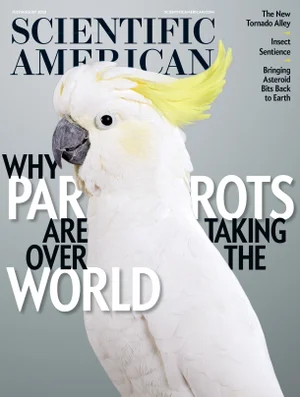
Science Review: Scientific American – July 2023 Issue

Image

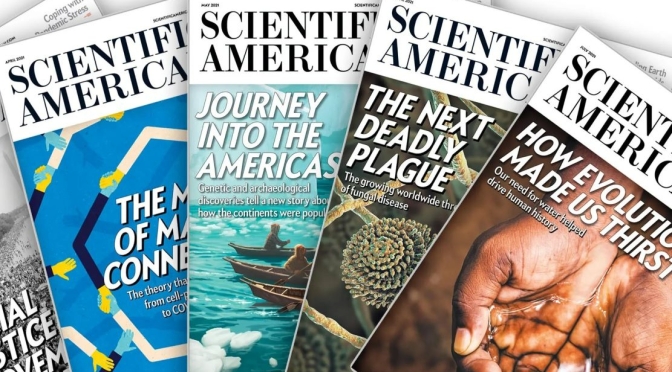
Scientific American – July 2023 Issue: Smart, adaptable and loud, parrots are thriving in cities far outside their native ranges.

Parrots Are Taking Over the World

Parrots Are Taking Over the World

By Ryan F. Mandelbaum

At Brooklyn’s Green-Wood Cemetery the living get as much attention as the dead. Groundskeepers maintain the 478-acre historic landmark as an arboretum and habitat for more than 200 breeding and migratory bird species. But many visiting wildlife lovers aren’t interested in those native birds. They’re at the entryway, their binoculars trained on the spire atop its Gothic Revival arches. They’ve come to see the parrots.

Extreme Heat Is Deadlier Than Hurricanes, Floods and Tornadoes Combined

Extreme Heat Is Deadlier Than Hurricanes, Floods and Tornadoes Combined

When dangerous heat waves hit cities, better risk communication could save lives

By Terri Adams-Fuller

Exposure to extreme heat can damage the central nervous system, the brain and other vital organs, and the effects can set in with terrifying speed, resulting in heat exhaustion, heat cramps or heatstroke. It also exacerbates existing medical conditions such as hypertension and heart disease and is especially perilous for people who suffer from chronic diseases. The older population is at high risk, and children, who may not be able to regulate their body temperatures as effectively as adults in extreme conditions, are also vulnerable.

Brain Waves Synchronize when People Interact

Brain Waves Synchronize when People Interact

The minds of social species are strikingly resonant

By Lydia Denworth

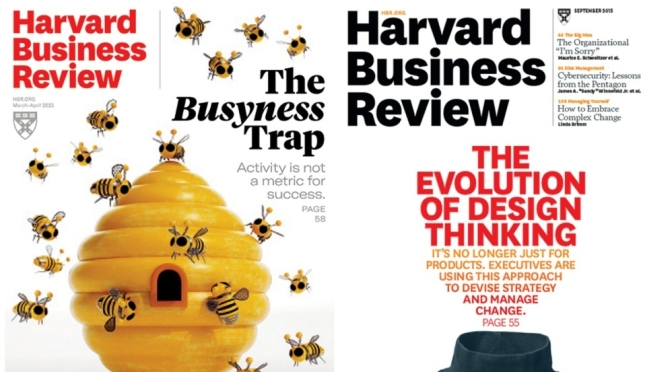
Harvard Business Review – July/August 2023 Issue

Harvard Business Review (June 12, 2023) – Gen AI and the New Age of Human Creativity: How revolutionary technology can enhance, rather than replace, our powers of imagination.

How Generative AI Can Augment Human Creativity

Use it to promote divergent thinking. 

There is tremendous apprehension about the potential of generative AI—technologies that can create new content such as audio, text, images, and video—to replace people in many jobs. But one of the biggest opportunities generative AI offers to businesses and governments is to augment human creativity and overcome the challenges of democratizing innovation.

The TV You Watch When You’re Young Can Make You More Entrepreneurial

Having studied TV signals in East Germany from the 1960s to 1989 and rates of entrepreneurship there after German reunification, the researchers found that people in households with access to West German broadcasts were more likely than other East Germans to launch companies later in life.

Travel & Nature: National Geographic — July 2023

Image

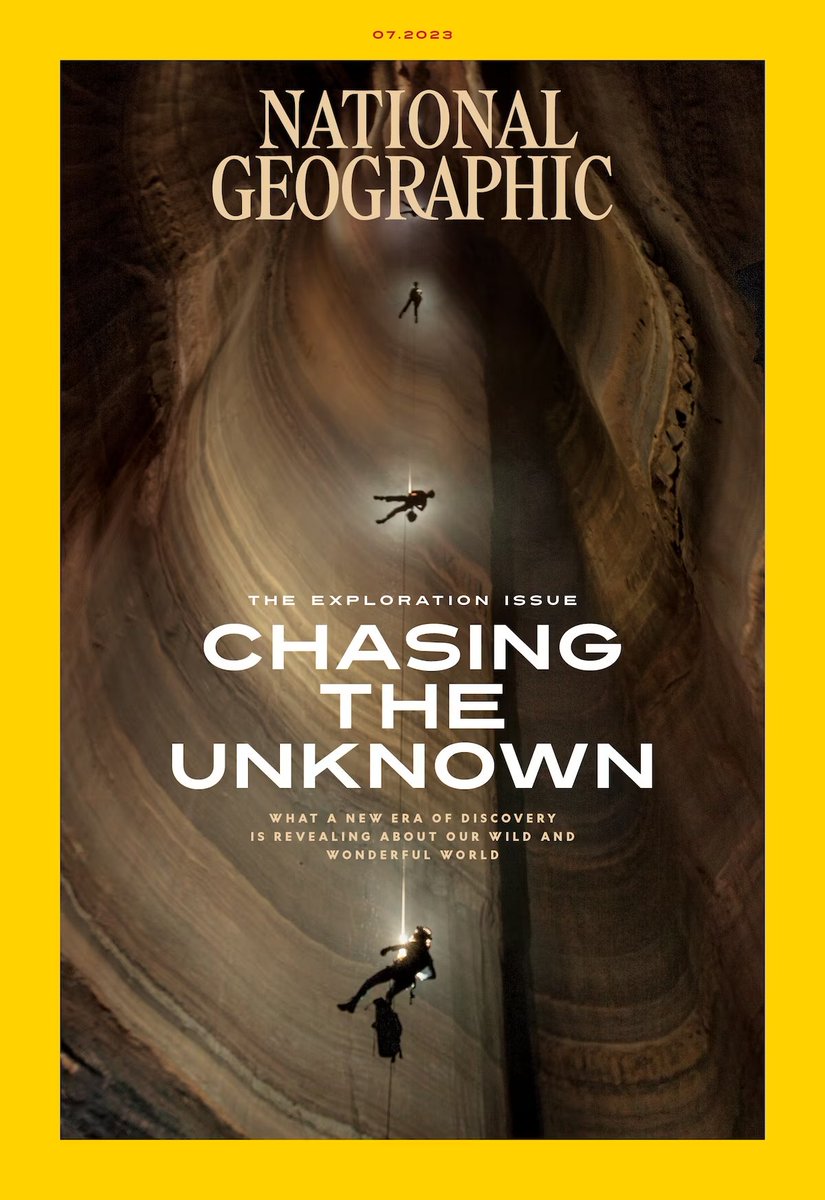
National Geographic Magazine (July 2023): The ‘Exploration Issue’ features ‘Chasing the Unknown – What a new era of discovery is revealing about our wild and wonderful world.

Beyond the Western myth of exploration lies a rich and often overlooked history

The diver in dark blue water in the rays of light from above.

Why do we explore? It’s just what humans do. But how we define it is changing.

BY NINA STROCHLIC

There is only one museum along the old Oregon Trail that tells the story of America’s westward expansion through the eyes of those being expanded into. In a corner of Oregon bordered by Washington and Idaho, this wood-paneled warren of galleries and interactive exhibits celebrates the heritage of Native people and mourns what was destroyed when the pioneers arrived. Walking down a long ramp, visitors enter the brick facade of a replica “Indian training school,” where Native children were forcibly converted and assimilated. A life-size photo of the students stares back from over a century ago; their matching uniforms make them look like tiny soldiers.

Rarely seen cliff art reveals the majesty of the Amazon’s aquatic realm

Picture of

In a two-year expedition, a National Geographic photographer is documenting the mighty river and the greater ecosystem from the Andes to the Atlantic.

STORY AND PHOTOGRAPHS BY THOMAS PESCHAK

Two jaguars leap into the river, lunging at pacas. These oversize rodents, with blotched and striped coats, are agile swimmers. Piranhas, attracted by the commotion, hover nearby.  

I’m photographing this riveting scene, but I’m not underwater as I usually am when I’m on assignment. Instead of diving to see this aquatic life, I’ve climbed to a rocky ledge far above a rainforest. The jaguars, pacas, and piranhas are not flesh and blood; they are prehistoric artworks painted with hematite, a blood-red iron oxide, in exquisite detail. I am in awe, as if seeing the ceiling of the Sistine Chapel for the first time. 

Front Cover: The Atlantic Magazine – July/Aug 2023

Image

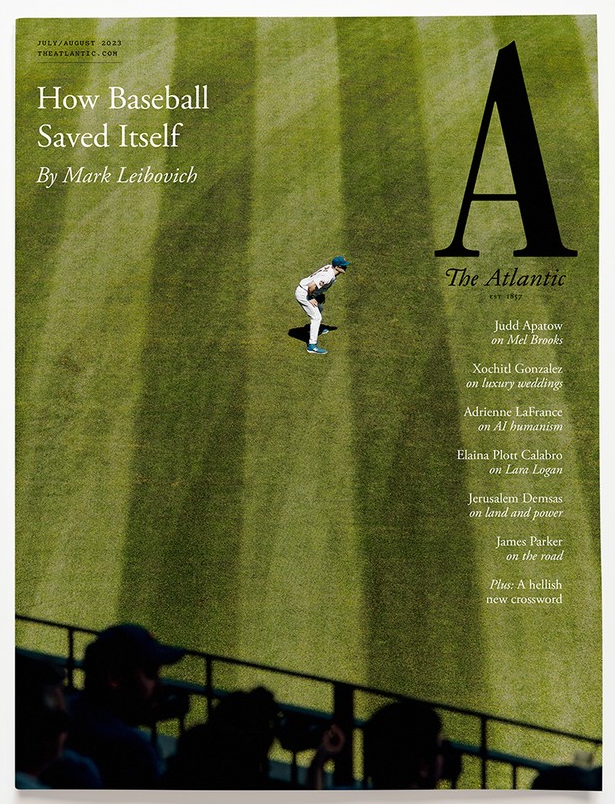
The Atlantic Magazine – July/August 2023 issue: Mark Leibovich goes inside the MLB’s desperate effort to rescue America’s pastime from irrelevance

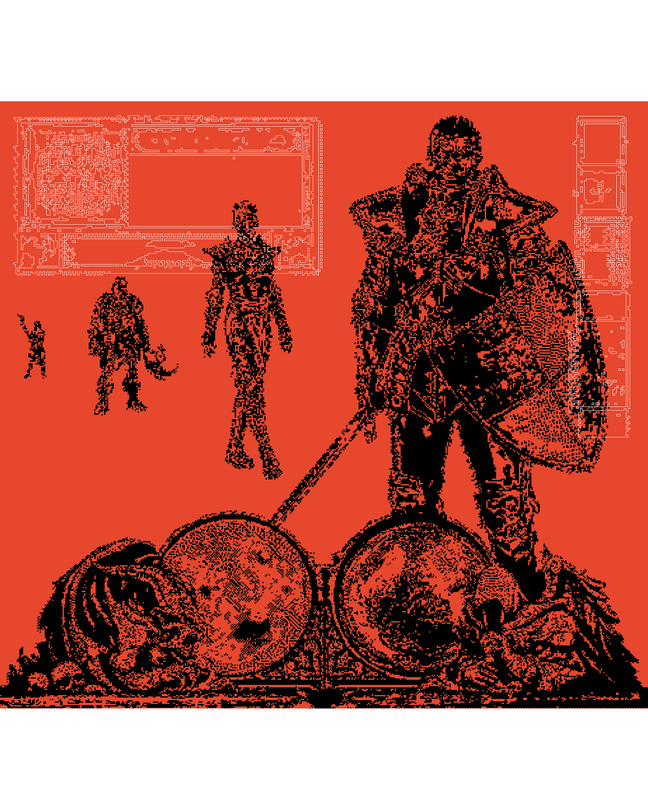
‘HELL WELCOMES ALL’

A graphic illustration of black, pixelated video-game characters on a red background.

Can hard-core gamers learn to play well with others? By Spencer Kornhaber

Playing a prerelease version of Diablo IV, the latest installment in a 26-year-old adventure series about battling the forces of hell, I faced swarms of demons that yowled and belched. My character, a sorcerer, shot them with lightning bolts, producing a jet-engine roar. 

HOW BASEBALL SAVED ITSELF

Inside the desperate effort to rescue America’s pastime from irrelevance By Mark Leibovich

A photograph of a baseball outfielder on green field with fans silhouetted in the foreground.

Where in the name of human rain delays is Juan Soto?

The stud outfielder is late. Everyone keeps checking their phones—the antsy Major League Baseball officials, the San Diego Padres PR guy, the handful of reporters, and the assorted hangers-on you encounter around baseball clubhouses. Everyone is wondering when the Padres superstar will show up. He was supposed to be here half an hour ago, just after this baseball players’ sanctum opened and we were allowed to join them in their most elemental of baseball activities: waiting around.

Philosophy Now Magazine June / July 2023 Preview

Image

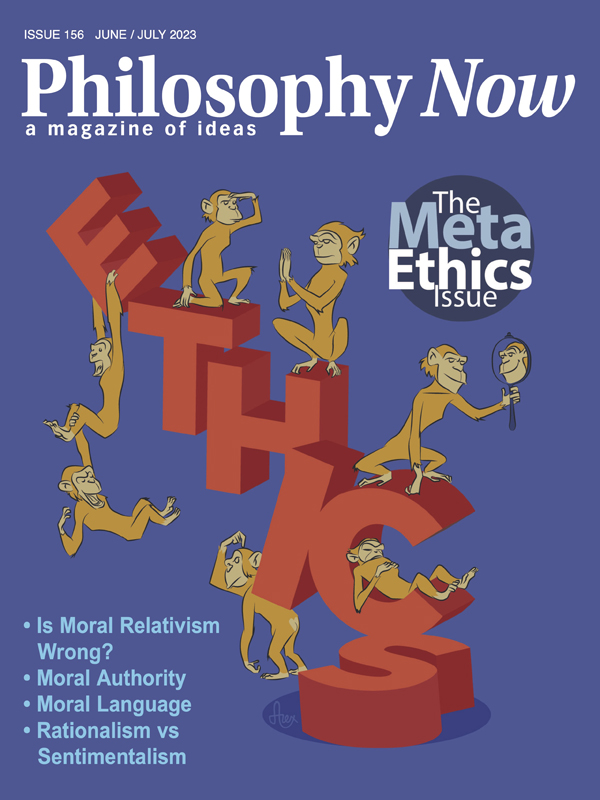
Philosophy Now Magazine (June/July 2023) – The ‘Meta Ethics Issue’ featuring Back to the Sophists: Nana Ariel corrects the record and the modern application of Sophistry and Will the Real John Locke Please Step Forward? Hilarius Bogbinder shows how Locke’s intellectual identity changed over time.

The Cognitive Gap

Justin Bartlett explores a basic distinction between understandings of ethics.

Who’s To Say?

Michael-John Turp asks if anyone has the authority to establish moral truth.

Right & Wrong About Right & Wrong

Paul Stearns argues against moral relativism and moral presentism.

Ethical Truth in Light of Quantum Mechanics

Myles King contends that physics helps us understand ethics.

Can You Be Both A Moral Rationalist & A Moral Sentimentalist?

Andrew Kemle says that evolutionary forces give us the answer.