
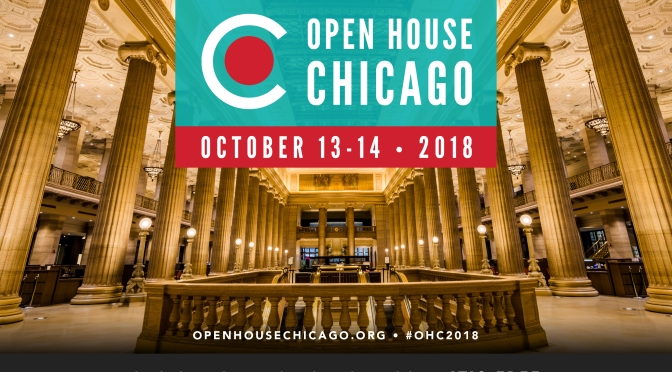
From the OpenHouseChicago.org website:
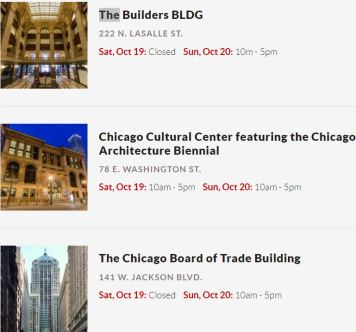 The Chicago Architecture Center’s Open House Chicago (OHC) is the city’s annual architecture festival. For one weekend in October you can explore Chicago’s most iconic and unique architectural treasures. From mansions to sacred spaces, theaters to private clubs, hotels to secret rooms—OHC gives visitors a behind-the-scenes look at many of the city’s great spaces that are rarely, if ever, open to the public.
OHC is a citywide event that includes more than 350 sites located in more than 38 neighborhoods. Sites reflect the cultural diversity and history of Chicago, as well as the unique character of each community. Locations include private clubs, residential spaces, offices, hotels, theaters, design/architecture studios, schools and places of worship as well as manufacturing, cultural and government facilities. This diverse selection of sites allows visitors to plan an itinerary according to their own specific interests. Browse the sites that have participated in OHC since 2015.
To read more: https://openhousechicago.org/
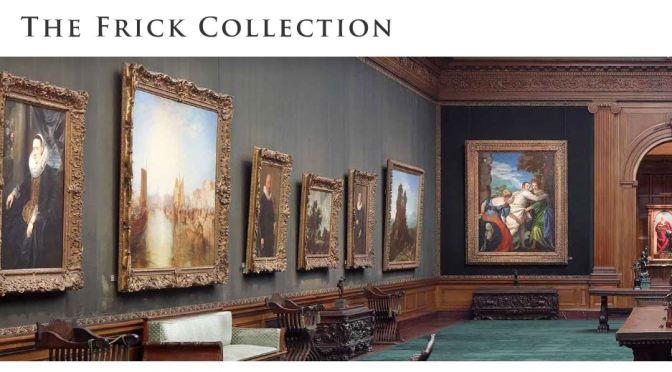
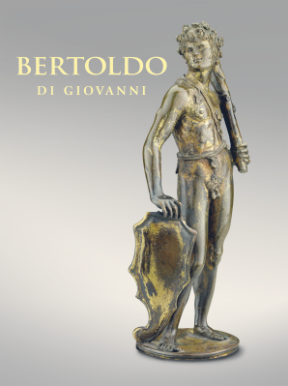 This fall, The Frick Collection will present the first-ever exhibition on the Florentine sculptor Bertoldo di Giovanni (ca. 1440–1491), a renowned student of Donatello, a teacher of Michelangelo, and a great favorite of Lorenzo “il Magnifico” de’ Medici, his principal patron. More than twenty statues, reliefs, medals, and statuettes — constituting nearly his entire extant oeuvre — will be on view exclusively at the Frick, which houses the only sculptural figure by Bertoldo outside of Europe. The exhibition will
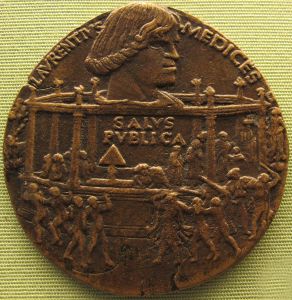 highlight the ingenuity of the artist’s designs across media, including bronze, wood, and terracotta, and provide the first chance to fully explore longstanding questions of attribution, function, groupings, and intended display. Bertoldo di Giovanni: The Renaissance of Sculpture in Medici Florence will bring into focus the sculptor’s unique position at the heart of the artistic and political landscape in fifteenth-century Italy.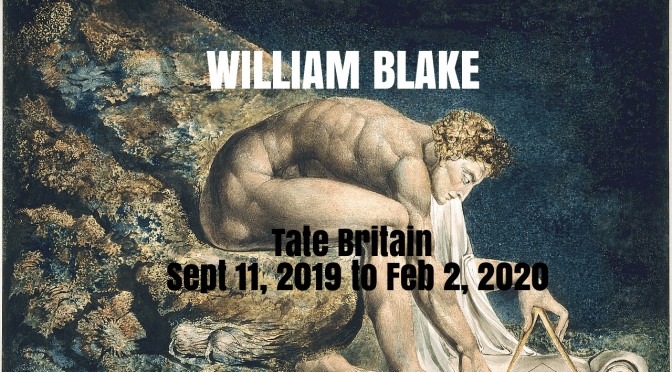
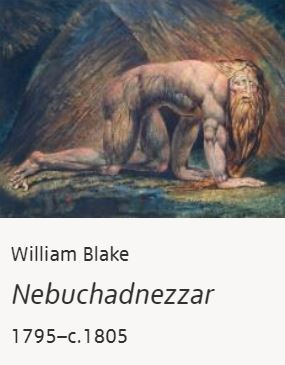 Although Blake was considered mad by contemporaries for his idiosyncratic views, he is held in high regard by later critics for his expressiveness and creativity, and for the philosophical and mystical undercurrents within his work. His paintings and poetry have been characterised as part of the Romantic movement and as “Pre-Romantic”. A committed Christian who was hostile to the Church of England (indeed, to almost all forms of organised religion), Blake was influenced by the ideals and ambitions of the French and American Revolutions.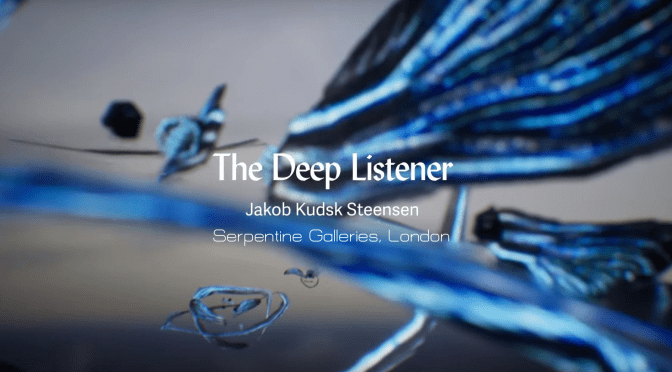
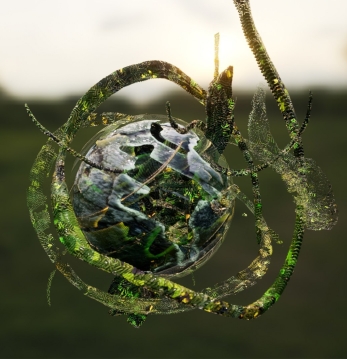 Designed as an augmented reality and spatial audio work downloadable as an app for mobile devices, it is both a site specific public artwork and a digital archive of these species, using tools and platforms from a range of fields including video games, computer generated images and film. Inspired by ecological science-fiction and scientific research, Kudsk Steensen creates a form of ‘slow media’ that uses the technological to foster attention rather than distraction.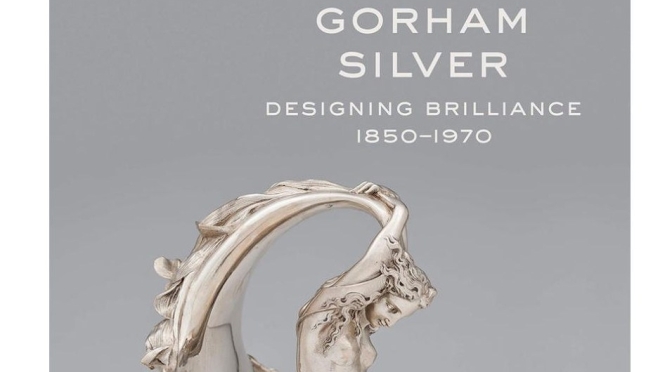
 Established in 1831, the Gorham Manufacturing Company adeptly coupled art and industry, rising to become an industry leader of stylistic and technological achievement in America and around the world. It produced public presentation pieces and one-of-a-kind showstoppers for important occasions, as well as tableware for everyday use. Its works trace a narrative arc not only of great design but also of American ambitions. In this volume, insightful essays are accompanied by gorgeous new photography of splendid silver pieces along with a wealth of archival images, design drawings, casting patterns, and company records that reveal a rich heritage of a giant in decorative arts and silver manufacturing.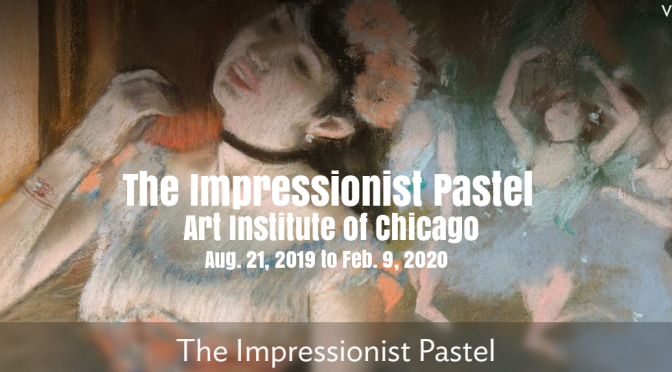
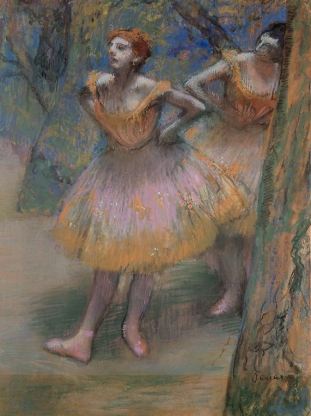 This focused installation features pastels by four artists whose work was shown in the Impressionist exhibitions: Mary Cassatt, Edgar Degas, Eva Gonzalès, and Berthe Morisot. Their subjects range from scenes of modern life, such as ballet performers and a woman working in a hat shop, to depictions of intimate moments of bathing and women with children.
 Pastel, a medium used to draw on paper or, less often, on canvas, is made by combining dry pigment with a sticky binder. Once artists have applied the pastel to the surface, they can either blend it, leave their markings visible, or layer different colors to create texture and tone. Pastel portraits had previously gained popularity in France and England in the 18th century, but fell out of fashion with critics when pastel was deemed too feminine; not only was it used by women artists, but it had a powdery consistency similar to women’s makeup. The Impressionists rejected this bias and instead embraced the medium’s ability to impart immediacy, boldness, and radiance.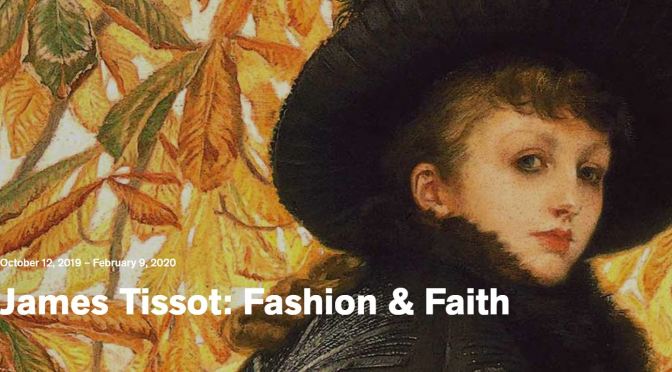
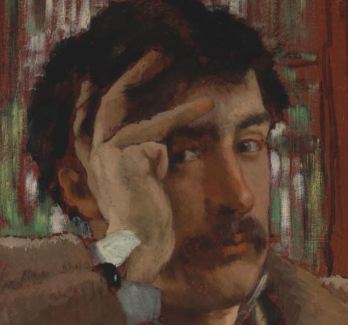 Tissot consistently defied convention in both his professional and personal life. His contributions to the academy and the avant-garde are documented by participation at diverse venues such as the Paris Salon as well as London’s Royal Academy and the Grosvenor and Dudley Galleries. This exhibition explores his multifaceted career with a fresh perspective and original scholarship and will also question where and how Tissot should be situated in narratives of the nineteenth-century canon.
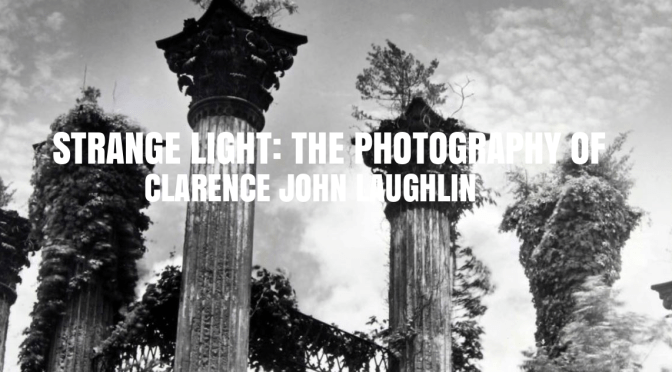
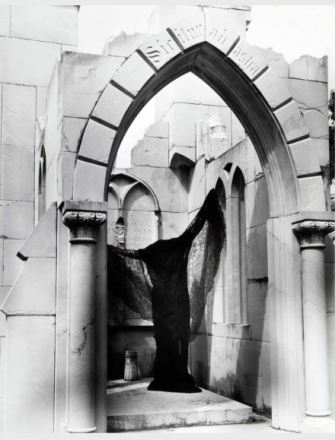 Dubbed “The Father of American Surrealism,” Clarence John Laughlin (American, 1905-1985) was the most important Southern photographer of his time and a singular figure within the burgeoning American school of photography. Known primarily for his atmospheric depictions of decaying antebellum architecture that proliferated his hometown of New Orleans, Laughlin approached photography with a romantic, experimental eye that diverged heavily from his peers who championed realism and social documentary.
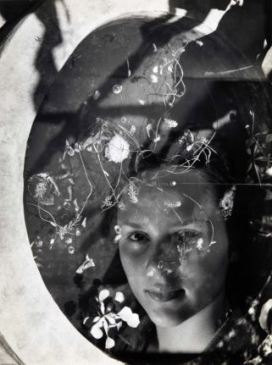 The exhibition surveys Laughlin’s signature bodies of work made between 1935 and 1965, emphasizing his inventiveness, artistic influences, and deep connection to the written word. The High began collecting Laughlin’s work in 1974 and Strange Light: The Photography of Clarence John Laughlin is the first major presentation of Laughlin’s photographs by the High Museum following a landmark acquisition of his work in 2015.
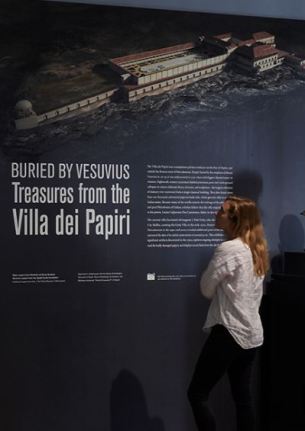 …the Getty Villa, despite some anomalies and insertions, is considered a strong likeness, which makes it a powerful locale for “Buried by Vesuvius: Treasures From the Villa dei Papiri,” the first major exhibition of works discovered in the Roman residence. The show includes Weber’s 1758 architectural map—used to build the Getty Villa—along with some of the approximately 90 sculptures pulled from the site, showing athletes, philosophers, rulers, poets and mythological figures. The exhibition also displays findings from the recent excavations.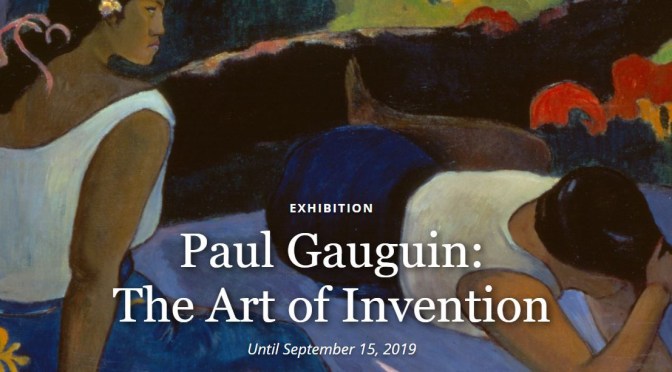
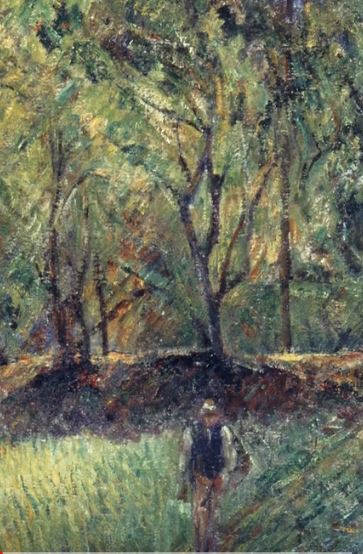 Comprising 55 Gauguin masterworks on loan from Copenhagen’s Ny Carlsberg Glyptotek, as well as some 35 objects from the collection of the Saint Louis Art Museum, “Paul Gauguin: The Art of Invention,” now on view in St Louis, offers a superb overview and deep insight into the life, thought and art of this quasi-mythological being whose shadow looms large not only over artistic Modernism but over the very romantic notion of the artist who sacrifices everything for art.
 Boomers Daily