
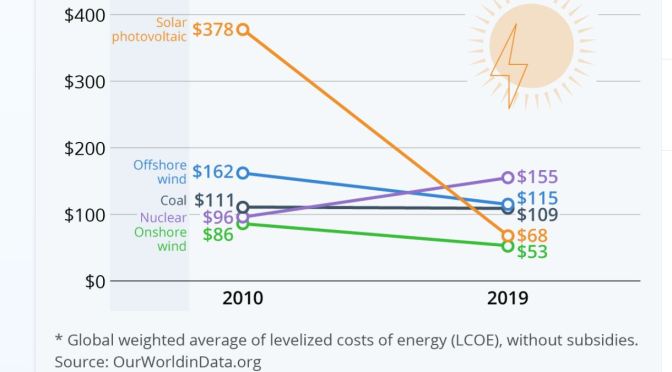
The price of #renewable energy is dropping, but are more countries picking up these sources?
— Statista (@StatistaCharts) November 3, 2021
Well, we still have a long way to go, but figures covered by @OurWorldInData reveal that at least when it comes to cost, things are certainly moving in the right direction.#COP26
Tag Archives: Energy

Analysis: Green Era Energy Shock, From Pandemic To Endemic, Poland’s ‘Polexit’
A selection of three essential articles read aloud from the latest issue of The Economist. This week, the first big energy shock of the green era, how covid-19 will move from pandemic to endemic (11:29) and our Charlemagne columnist assesses the odds of “Polexit” versus a “dirty remain” (17:21).

Morning News: G20 Meets In Italy, Afghanistan And Europe’s Energy Woes
We react to the G20’s latest meeting in Italy, as the member states hope to solve the deepening humanitarian crisis in Afghanistan. Plus: Europe’s energy woes and the latest on Poland’s rule-of-law debate.

Morning News: UK Energy Transition, Interest Rates & Inflation, Lego’s Rise
A.M. Edition for Oct. 6. WSJ’s Rochelle Toplensky explains what went wrong in Britain’s energy transition and what other countries can learn from this. The Senate prepares another vote on raising the U.S. debt limit.
New Zealand raises interest rates as more central banks worry about rising inflation. Hundreds more join the oil spill cleanup in California. Plus, how the world’s biggest toy maker, Lego, stayed popular during the pandemic. Peter Granitz hosts.
Analysis: Is Hydrogen The Fuel Of The Future?
It’s been hailed as fuel of the future. Hydrogen is clean, flexible and energy efficient. But in practice there are huge hurdles to overcome before widespread adoption can be achieved.
Video timeline: 00:00 How hydrogen fuel is generated. 02:04 How hydrogen fuel could be used. 02:46 Why hydrogen fuel hasn’t taken off in the past. 03:40 Is hydrogen fuel safe? 04:31 Hydrogen’s advantage over batteries. 05:00 How sustainable is hydrogen fuel? 06:13 Why the hype about hydrogen may be different this time.
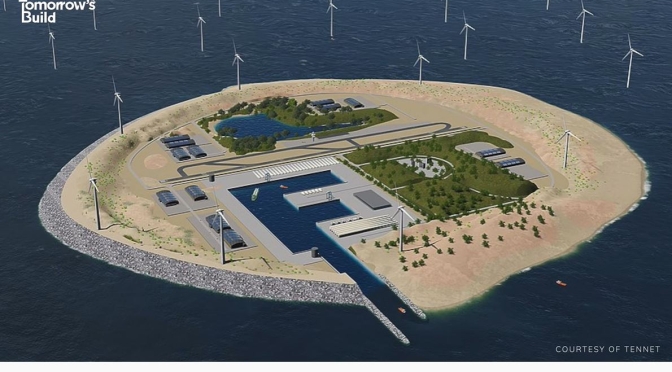
Views: Denmark’s $34 Billion Energy Islands
The energy islands and the wind farms with a combined capacity of 5 GW are expected to be commissioned by 2030.
The North Sea energy island will have an initial capacity of 3 GW which could potentially be further scaled up to 10 GW offshore wind. This will be an artificial island.
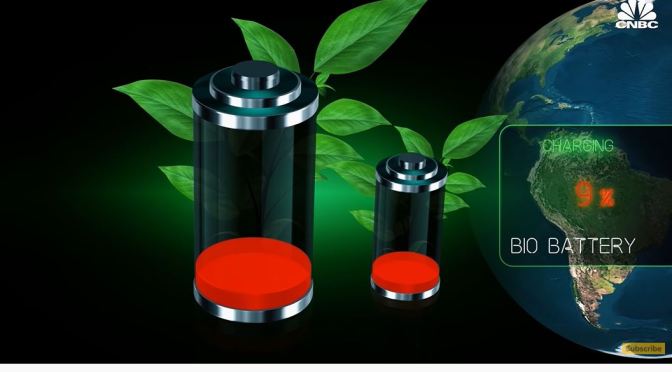
Green Energy: Using Soil To Generate Electricity
Bioo is generating electricity from the organic matter in soil and creating biological batteries to power agricultural sensors, a growing $1.36 billion global market. Eventually, Bioo envisions a future where biology could help to power our largest cities.
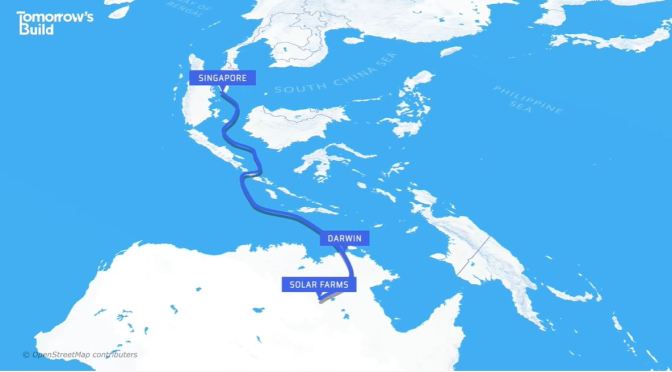
Technology: $23 Billion Plan For Australia To Solar Power Singapore
Someone came up with the idea to build the world’s largest solar array in the Australian outback and then connect it to Singapore with a 3,750-kilometre undersea cable. This is how it’ll be done.

Analysis: Colonial Pipeline Cyberattack Explained
A cyberattack on the U.S.’s largest fuel pipeline on May 7 forced a shutdown that triggered a spike in gas prices and shortages in parts of the Southeast. WSJ explains just how vulnerable the nation’s critical energy infrastructure is to attack. Photo illustration: Liz Ornitz/WSJ
Energy: Why Hydrogen Is The Fuel Of The Future
There’s a lot of interest in the hydrogen fuel economy. Here’s what you need to know about how it works and the hurdles it faces.
Hydrogen is a clean fuel that, when consumed in a fuel cell, produces only water. Hydrogen can be produced from a variety of domestic resources, such as natural gas, nuclear power, biomass, and renewable power like solar and wind. These qualities make it an attractive fuel option for transportation and electricity generation applications. It can be used in cars, in houses, for portable power, and in many more applications.
 Boomers Daily