
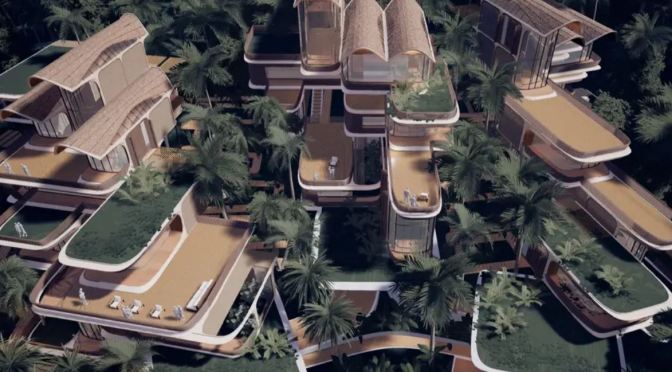
 The first residential units on Roatán Próspera are a case study in local sustainability and global integration. Combining the most advanced modular construction techniques with sustainably-sourced local materials, the design and planning for the first dwellings in Próspera is a tangible example of the dramatic shift in development methodologies taking place around the world.
The people of neighboring settlements will take part in construction and management and part of the purchase of each residence goes toward the construction of a sister residence in the neighboring community.
Roatán Próspera rethinks the whole design and conventional delivery approach to development, starting from understanding the local supply chain, logistics, energy and economical aspects as a basis to engage technologically-curious, ecologically-minded, entrepreneurial building contractors. Local labor and methods are engaged for construction methodologies and logistics of supply, procurement, and assembly in Roatán.
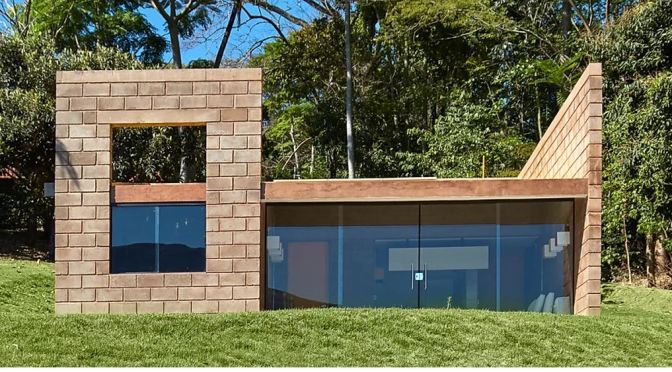
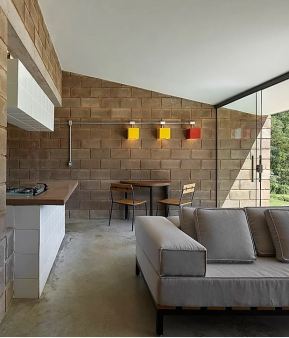 “Our SUSTAINABLE HOME is made of matter and spirit. The raw material, the unused by-products of the mining activity, is the main component: from it we take advantage of its qualities and properties. Finding an ecologically suitable use for this waste determines the unique character of the housing unit. In its spirit, the housing unit intends, in addition to its technical function, to be a home, a place for each person to feel valued, welcomed in their dreams, hopes and desire to live together. Each house, even in its simplicity, must be able to create a sense of pride and self-esteem ”, adds Gustavo Penna.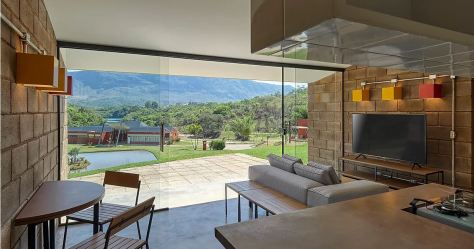

 The real California, though, the California of immigrant dreams that break and get reborn, of lives as they turn out not as they are planned, is the California of the eucalyptus.
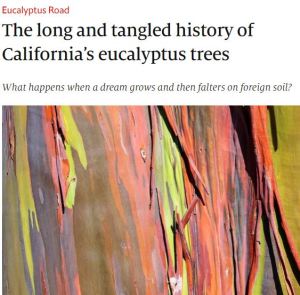 Like his friend John Muir, Lukens believed that California desperately needed more forests. Since the mid-19th century forests, and their loss, had been the principal focus of conservationist thought in America. According to Jared Farmer, who traces the history of the eucalyptus in California in “Trees in Paradise” (2013), Lukens and Muir were particularly keen on growing forests as a way to provide water—always a key to power in the state. Trees brought rain and captured fog and moisture; without forests, the men feared the state’s great cities would dry up.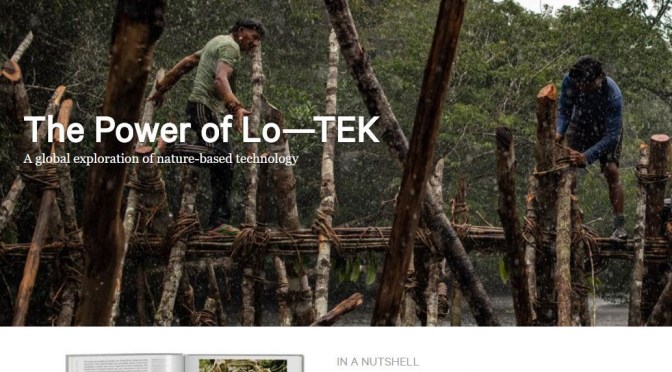
 Lo—TEK, derived from Traditional Ecological Knowledge, is a cumulative body of multigenerational knowledge, practices, and beliefs, countering the idea that indigenous innovation is primitive and exists isolated from technology. It is sophisticated and designed to sustainably work with complex ecosystems.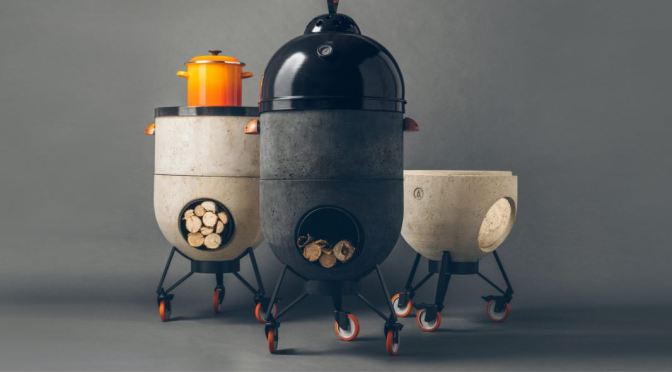
 The creators of Noori based the product on the traditional rocket stove design, which burns small-diameter wood fuel in a combustion chamber linked to an insulated vertical chimney.
 Boomers Daily