Climate change is putting parasites — the unseen pests running our planet — in peril, but a small band of scientists is fighting to save them from extinction. By Kate Golembiewski
What Goes On Inside the Mind of a Dog?
Help researchers understand the underpinnings of dog personality and behavior with these Citizen Science projects.
Discover Magazine (June 30, 2024): The latest issue features ‘Next-Gen Medicine’ – Recreating human organs on microchips; Inside the new Opioid Crisis; History’s strangest sleep study and Prehistoric Family Secrets…
Cellular Cleanup Crew Fasting and caloric restriction both can ramp up autophagy, a kind of cellular housekeeping. When cells are in famine mode and don’t have to break down food, they pause their usual tasks and stop dividing. Instead, they work on repairing and recycling damaged components, and cleaning out dead or harmful cell matter. Alison Mackey/Discover
…It seems fasting triggers a dramatic switch in the body’s metabolism, according to a paper Mattson and colleagues published in February in the experimental biology journal FASEB. In humans, fasting for 12 hours or more drops the levels of glycogen, a form of cellular glucose. Like changing to a backup gas tank, the body switches from glucose to fatty acids, a more efficient fuel. The switch generates the production of ketones, which are energy molecules that are made in the liver. “When the fats are mobilized and used to produce ketones, we think that is a key factor in accruing the health benefits,” says Mattson.




![Discover Magazine Subscription [6 issues]](https://img.discountmags.com/products/extras/4577-discover-cover-2024-july-1-issue.jpg)



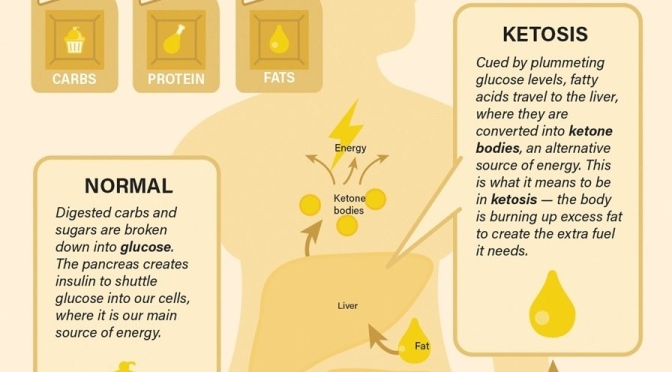
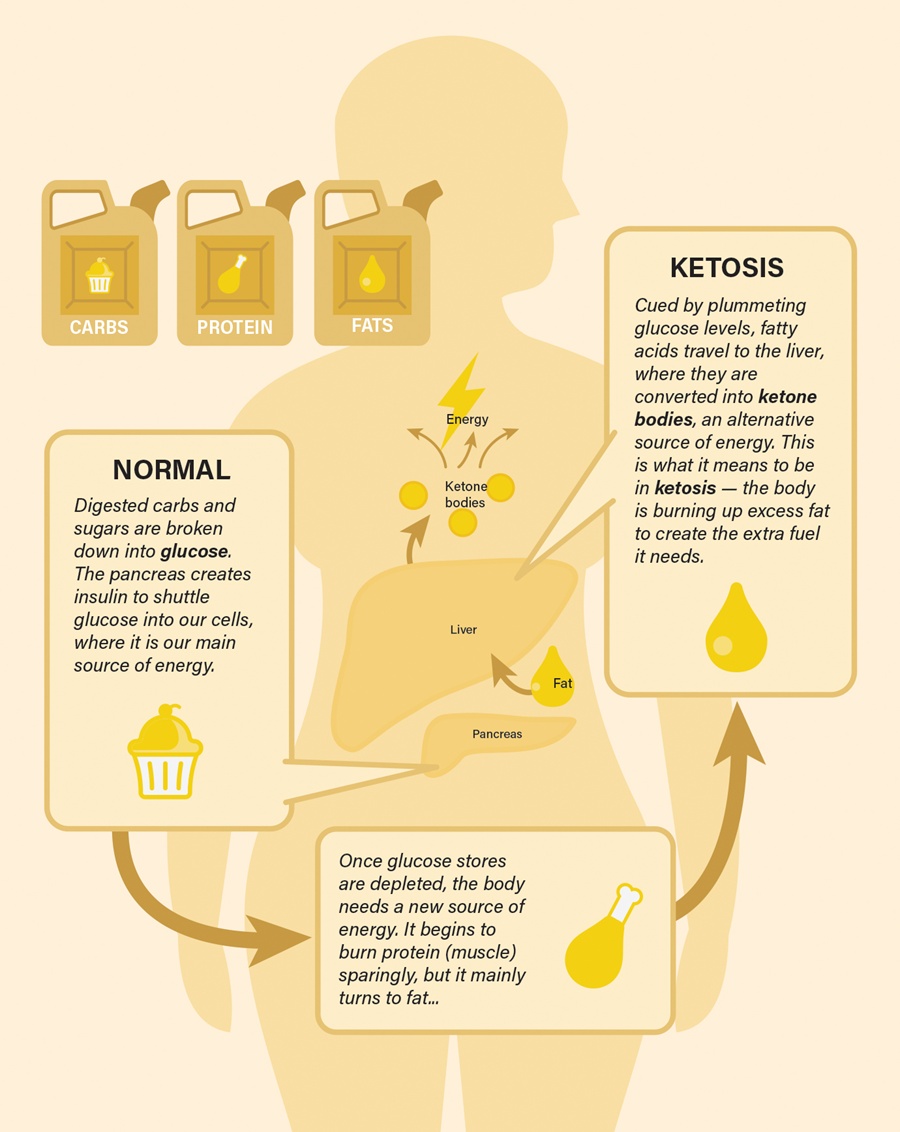
 to a paper Mattson and colleagues published in February in the experimental biology journal FASEB. In humans, fasting for 12 hours or more drops the levels of glycogen, a form of cellular glucose. Like changing to a backup gas tank, the body switches from glucose to fatty acids, a more efficient fuel. The switch generates the production of ketones, which are energy molecules that are made in the liver. “When the fats are mobilized and used to produce ketones, we think that is a key factor in accruing the health benefits,” says Mattson.
 Boomers Daily