

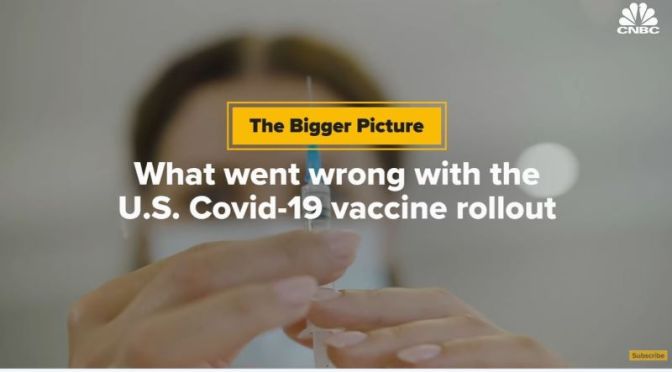
The U.S. coronavirus rollout has been anything but smooth. States are reporting limited supply of vaccines, leading them to delay appointments and close clinics to the public. Some states lack staff and essential resources to get the job done. With little guidance from the previous White House administration on how to effectively administer vaccines, it’s up to states and local health officials to get the job done. President Joe Biden announced the administration will buy 200 million more vaccines and institute a national vaccine program to vaccinate 100 million doses in his first 100 days. But can it be done? Here’s what went wrong with the U.S. coronavirus vaccine rollout and how a new White House plans to turn things around.
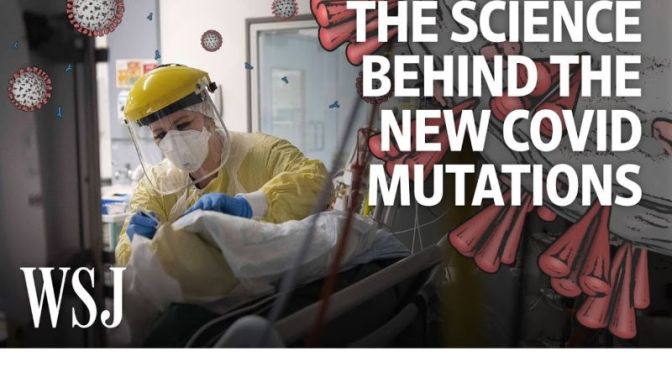
As new coronavirus variants sweep across the world, scientists are racing to understand how dangerous they could be. WSJ explains. Illustration: Alex Kuzoian/WSJ
Over the course of the pandemic, scientists have been monitoring emerging genetic changes to Sars-Cov-2. Mutations occur naturally as the virus replicates but if they confer an advantage – like being more transmissible – that variant of the virus may go on to proliferate.
This was the case with the ‘UK’ or B117 variant, which is about 50% more contagious and is rapidly spreading around the country. So how does genetic surveillance of the virus work? And what do we know about the new variants? Ian Sample speaks to Dr Jeffrey Barrett, the director of the Covid-19 genomics initiative at the Wellcome Sanger Institute, to find out Coronavirus – latest updates See all our coronavirus coverage.
When Covid-19 sparked lockdowns around the world, emissions of one of the greenhouse gases responsible for climate change, atmospheric carbon dioxide, plummeted. But is this record drop a short-term effect of the 2020 pandemic or a ‘new normal’? BBC Weather’s Ben Rich explores the impact of coronavirus on the global climate.
Motion graphics by Jacqueline Galvin
Produced by Soraya Auer
From the race to roll-out coronavirus vaccinations around the world, to other concerns such as mental health and measles, BBC Health Reporter Smitha Mundasad looks at the health challenges facing the world in the next year.
Virologist Angela Rasmussen talks about her battle against misinformation in the media, the virus, vaccines, disinfecting surfaces, home testing, and the next pandemic.
Eric J. Topol, MD: Hello, I’m Eric Topol for Medscape, and this is Medicine and the Machine. I’m so glad to have my colleague and partner in this podcast, Abraham Verghese, with me from Stanford. Today, we have the rarefied privilege to discuss the whole pandemic story, the virus and vaccines, with one of the country’s leading virologists, Dr Angela Rasmussen. Welcome, Angie.
Angela L. Rasmussen, MA, MPhil, PhD: Thank you so much for having me, Eric. It’s wonderful to be here.
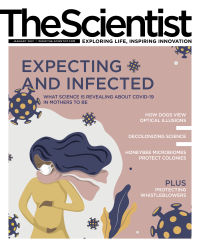
We enter 2021 surrounded by these rays of hope that the end of the pandemic might be in sight. But monumental challenges remain. Vaccine manufacture, distribution, and uptake are substantial pieces of a complex puzzle that must be completed to reach the 75–90 percent vaccination rate that global health experts say is key to stopping the spread.
And the virus itself is almost sure to change as it infects more people, possibly becoming more transmissible or dangerous. For instance, as I write this in late December 2020, public health officials in the UK are reporting the rapid spread of a new strain of SARS-CoV-2 that seems to be highly infectious.
This is a perfect example of the continued surprises this pandemic may yet throw at us. But virologists, epidemiologists, drug developers, and other scientists will continue to band together to study this virus and share information that can help humanity address this and future issues appropriately. In addition to careful monitoring of the virus as it mutates and spreads, I fully expect there to be regular monitoring of vaccinated individuals, further refinement of vaccine, and continued development of new COVID-19 therapies. And I can promise that The Scientist will continue to track these developments closely and provide up to date and accurate information about the COVID-19 pandemic and other scientific issues in 2021 and beyond.

Mitch McConnell blocks vote on bigger stimulus checks, pandemic budget crunches sink Democrats’ hopes for expanding health insurance, and the onesie snowsuit makes a comeback.
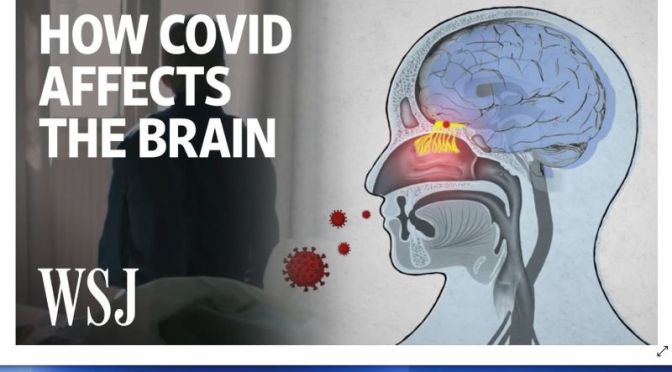
New research could help explain why thousands of Covid-19 survivors are facing debilitating neurological symptoms months after initially getting sick. WSJ breaks down the science behind how the coronavirus affects the brain, and what this could mean for long-haul patients. Illustration: Nick Collingwood/WSJ

 Boomers Daily