
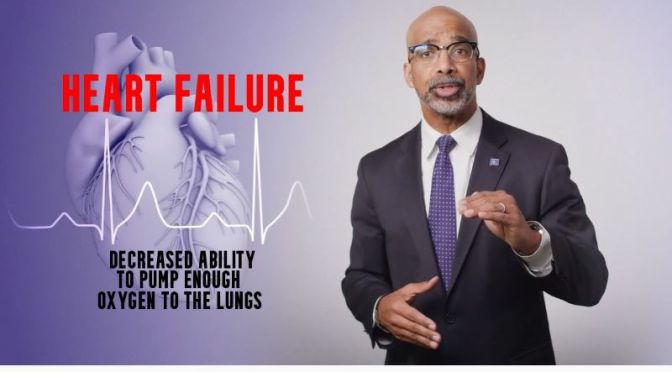
The heart is a hero. It works relentlessly to deliver oxygen and nutrients to the body. But just like all heroes, sometimes it gets tired, and can’t do its job as well. This is called heart failure – the inability for the heart to pump enough blood and oxygen to the lungs and rest of the body. In this video, Northwestern Medicine cardiologists Clyde W. Yancy, MD, MSc and Jane E. Wilcox, MD, MSc explain what heart failure is and the integrated and collaborative approach used to diagnose, stage and treat heart failure at Northwestern Medicine. For more information, visit http://heart.nm.org
Tag Archives: Cardiologists
Study: “Dysfunctional And Variable Sleep” Increases Risks Of Cardiovascular Disease
From a MedPageToday.com online article (March 2, 2020):
 “Dysfunctional sleep likely is by far the most prevalent comorbidity in CVD. This makes it essential to explore the nature of sleep, but this is reliant on the enthusiasm of clinician scientists,” according to the editorialists.
“In modern society, both the quantity and quality of sleep are negatively influenced by factors such as longer hours of work, more shift work, artificial light and cell phones, all leading to self-reported daytime symptoms such as fatigue, tiredness, and sleepiness,”
A larger range in individual sleep duration and sleep timing across 7 days of wrist actigraphy was associated with significantly more CVD events over a median 4.9 years of follow-up (P=0.002 for both trends).
Health Studies: Marijuana Use Associated With Rise In Cardiovascular Disease
From a Journal of the American College of Cardiology:
Observational data suggest associations between marijuana and a broad range of adverse cardiovascular risks. Marijuana is becoming increasingly potent, and smoking marijuana carries many of the same cardiovascular health hazards as smoking tobacco. Synthetic cannabinoids have been linked to more sustained and deleterious pharmacodynamic effects.
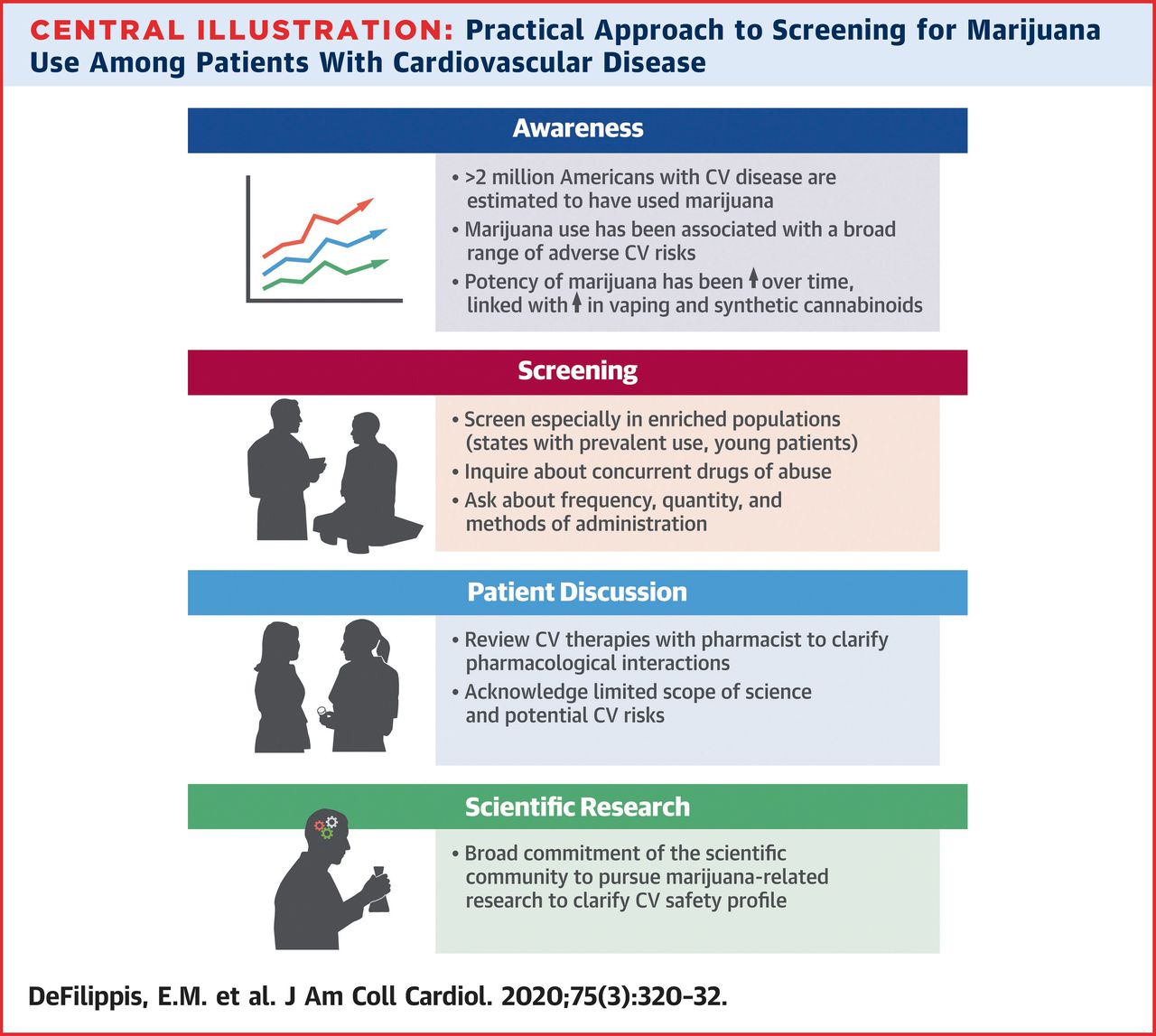
Marijuana use is increasing as more states are legalizing cannabis for both medicinal and recreational purposes. National survey data estimate that >2 million Americans with established cardiovascular diseases currently use or have used marijuana in its variety of forms, including inhalation and vaping. Cannabinoid receptors are distributed in multiple tissue beds and cells, including platelets, adipose tissue, and myocytes.
Highlights
-
• We estimate that >2 million U.S. adults who have reported ever using marijuana have cardiovascular disease.
-
• Observational studies have suggested an association between marijuana use and a range of cardiovascular risks.
-
• Marijuana is becoming increasingly potent, and smoking marijuana carries many of the same cardiovascular health hazards as smoking tobacco.
-
• Few randomized clinical trials have been conducted or are planned to explore the effects of marijuana on cardiovascular risk.
-
• Screening and testing for use of marijuana are encouraged in clinical settings, especially in the care of young patients presenting with cardiovascular disease.
 Boomers Daily