
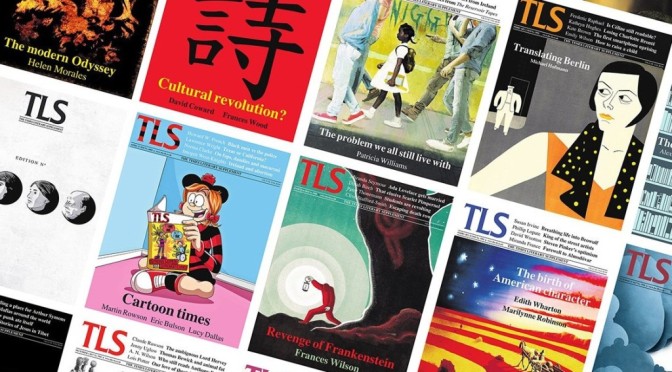
Times Literary Supplement May 13, 2022 – Raphael: worn out by love, or work? | James Hall [reviews] Antonio Forcellino’s newly translated biography of the “most rounded, efficient and consistently accomplished of Renaissance artists”
Tag Archives: Book Reviews
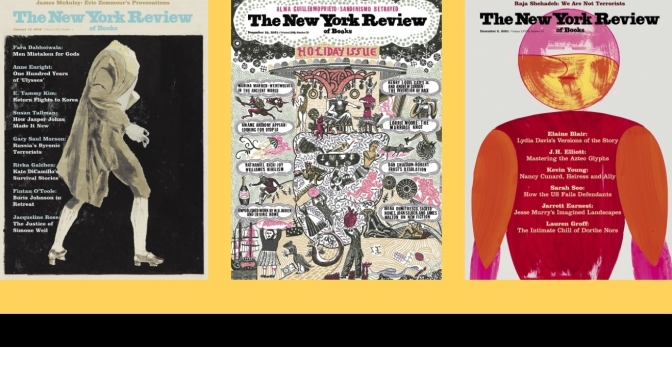
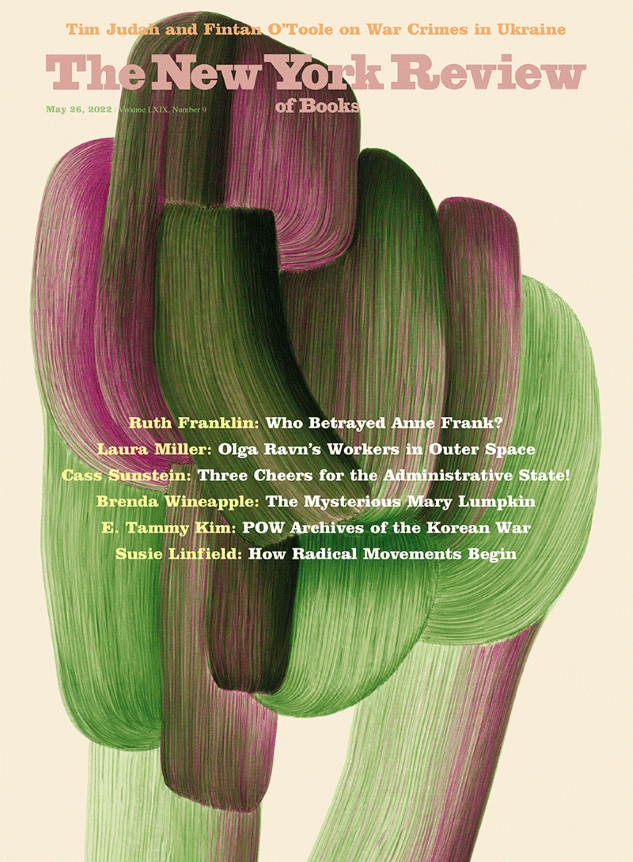
Previews: The New York Review Of Books – May 26
Geoffrey O’Brien – Schemes Gone Awry
Richard Wilbur’s translations of Molière, now in the Library of America, have a fluency that goes beyond meter and rhyme to encompass textures of speech and movements of thought.
Molière: The Complete Richard Wilbur Translations
Fintan O’Toole – Our Hypocrisy on War Crimes
The US’s history of moral evasiveness around wartime atrocities undermines the very institution that might eventually bring Putin and his subordinates to justice: the International Criminal Court.
Preview: Times Literary Supplement – May 6, 2022
Times Literary Supplement, May 6, 2022 – This week’s @TheTLS, featuring James Fenton on Volume IV of John Richardson’s Picasso biography; @joemoransblog on the “Premonitions Bureau”; @JuliusKrein on the American Right; @MElizabethLowry on William Kentridge; @AnaAliciaGarza on James Agee – and more
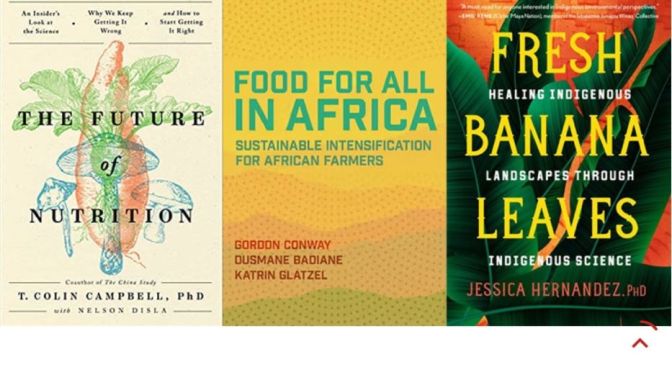
Reviews: New Books On Food Science – May 2022
May 2, 2022 – Our food system is a rich, complex blend of biology and culture. From the biodiversity in forests, oceans, and farms to the living weave of long-standing traditions and emerging trends, food touches every aspect of life on Earth. This diversity hasn’t always carried through to agricultural and culinary literatures, but fortunately this is changing. Fresh perspectives are emerging in the literary discussions of food, addressing a range of topics and cuisines. In 2022, Science will share this tapestry in a limited podcast series on science and food. Hosted by journalist Angela Saini, the series will highlight books from around the world that intersect with this theme. A different book and its author will appear monthly on the Science podcast, beginning on 26 May 2022.
Together, the books discussed in these segments expose an entanglement of biology, culinary science, and culture. In Eating to Extinction: The World’s Rarest Foods and Why We Need to Save Them, Dan Saladino addresses biodiversity loss and the future of food. Saladino covers vast swaths of time and space, taking us from wild honey gatherers in Africa to rare Orkney barley as he demonstrates that species loss is linked to cultural loss.
Food literatures also demand that we confront ourselves and our blind spots. T. Colin Campbell’s The Future of Nutrition: An Insider’s Look at the Science, Why We Keep Getting It Wrong, and How to Start Getting It Right explores the evidence of the health benefits of plant-based diets. Crucially, this book exposes the cultural and political inertia protecting animal protein from scrutiny, reminding us that scientific research is never detached from society.
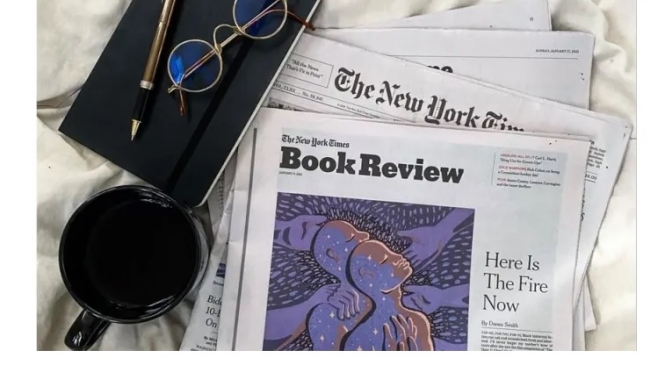
Previews: New York Times Book Review – May 1, 2022

- Abandoned, Trafficked, Living as a Man: A Chinese-American Coming of Age A debut novel takes a new spin on the 19th-century western. April 18, 2022 By JENNIFER EGAN
- ESSAY At 100, the ‘Just William’ Books Are an Icon of British Childhood Richmal Crompton’s prototypical schoolboy has survived war, upheaval, changing tastes and a new world. He’s still just 11. April 22, 2022 By SASKIA SOLOMON
Science: Dark Matter Quantum Sensors, Rabies Risks, New Book Reviews
On this week’s show: How physicists are using quantum sensors to suss out dark matter, how rabies thwarts canine vaccination campaigns, and a kickoff for our new series with authors of books on food, land management, and nutrition science
Dark matter hunters have turned to quantum sensors to find elusive subatomic particles that may exist outside physicists’ standard model. Adrian Cho, a staff writer for Science, joins host Sarah Crespi to give a tour of the latest dark matter particle candidates—and the traps that physicists are setting for them.
Next, we hear from Katie Hampson, a professor in the Institute of Biodiversity, Animal Health & Comparative Medicine at the University of Glasgow, about her work contact tracing rabies in Tanzania. Her group was able to track rabies in a population of 50,000 dogs over 14 years. The massive study gives new insight into how to stop a virus that circulates at superlow levels but keeps popping up, despite vaccine campaigns.
Finally, we launch our 2022 books series on food and agriculture. In six interviews, which will be released monthly for the rest of the year, host and science journalist Angela Saini will speak to authors of recent books on topics from Indigenous land management to foods that are going extinct. This month, Angela talks with Lenore Newman, director of the Food and Agriculture Institute at the University of the Fraser Valley, who helped select the books for the series.
Previews: Times Literary Supplement – April 29, 2022
This week’s Times Literary Supplement for April 29, 2022 @TheTLS, featuring Carol Tavris on Darwinian feminism; @TomFStevenson on geopolitics; @TobyLichtig on Compartment No. 6; Edmund Gordon on the new Jennifer Egan; @hjccochrane on Primo Levi; @rinireg on borders – and more.
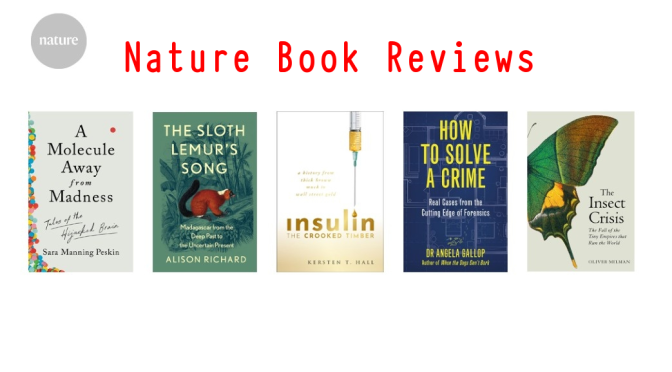
Science Books: Top New Picks – Nature Magazine
Andrew Robinson reviews five of the week’s best science picks.
Spark
Timothy J. Jorgensen Princeton Univ. Press (2022)
The use of electricity in medicine has long been controversial, notes health physicist Timothy Jorgensen. Eighteenth-century polymath Benjamin Franklin applied shocks to paralysed muscles with temporary success. In the 1930s, neurologist Ugo Cerletti pioneered painful but effective electroconvulsive therapy for schizophrenia and depression. Yet even today, “no one is sure exactly how ECT works”, says Jorgensen in his brilliant book. Now, business magnate Elon Musk plans to implant computer chips to treat brain disorders.
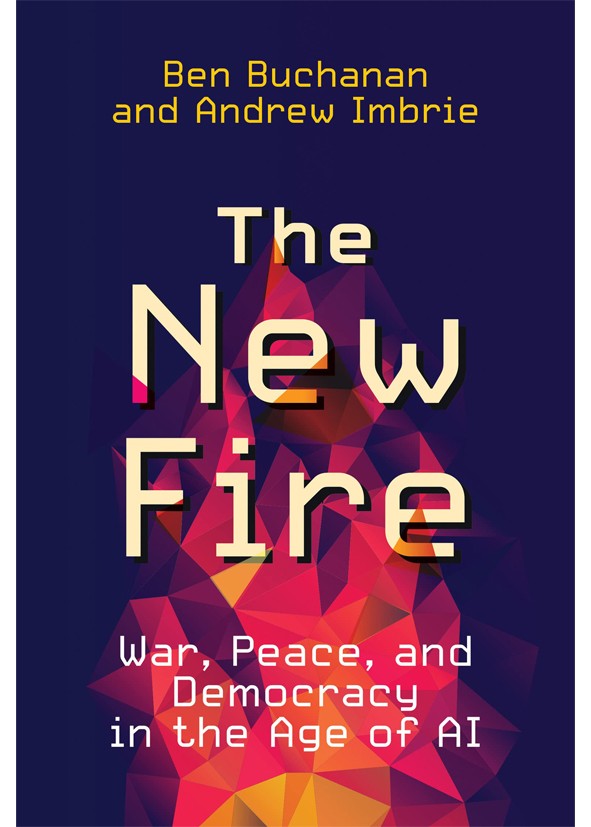
The New Fire
Ben Buchanan & Andrew Imbrie MIT Press (2022)
Artificial intelligence (AI) is not like electricity, but like fire, say Ben Buchanan and Andrew Imbrie — academic specialists in emerging technology — in their authoritative, coruscating analysis of its current and future significance. Its potential impact ranges from illuminating to catastrophic, according to three rival and sometimes overlapping views from observers whom they label “evangelists, warriors and Cassandras”. “Three sparks ignite the new fire,” say the authors: data, algorithms and computing power.
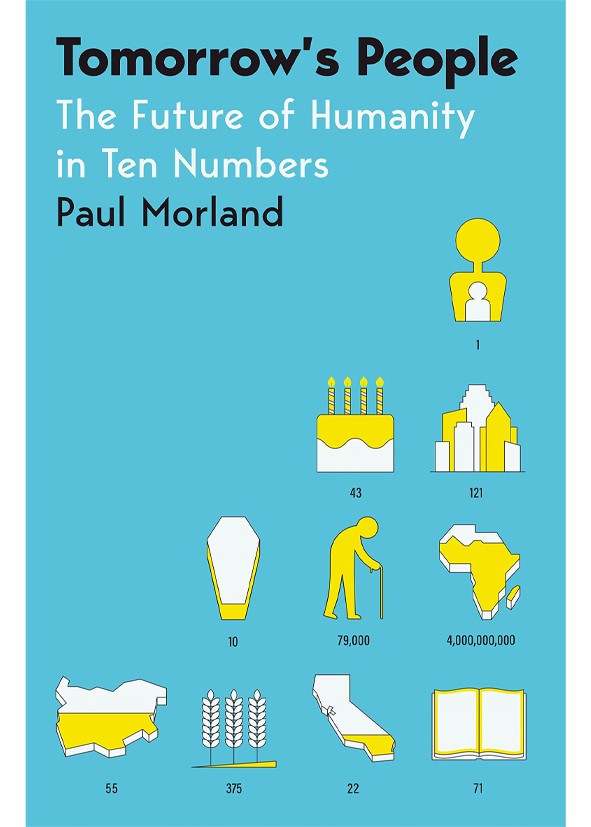
Tomorrow’s People
Paul Morland Picador (2022)
“To most of us, the influence of demography on our future is far from obvious,” writes demographer Paul Morland. City dwellers tend to have low fertility, thereby creating an older population and eventually population decline, which could prompt migration and ethnic change, as in today’s United Kingdom — or might not, as in Japan. Morland’s careful book discusses ten indicators, one per chapter: infant mortality, population growth, urbanization, fertility, ageing, old age, population decline, ethnic change, education and food.
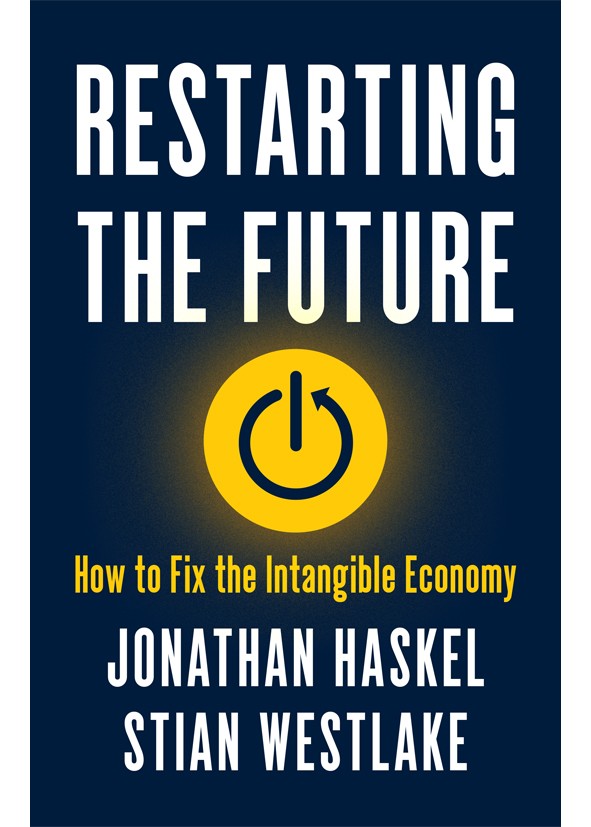
Restarting the Future
Jonathan Haskel & Stian Westlake Princeton Univ. Press (2022)
In the past few decades, growth has stagnated in advanced economies. This is odd, given low interest rates, high business profits and a wide belief that we live with “dizzying technological progress”, write economists Jonathan Haskel and Stian Westlake. They argue that the old economic model based on material production fails when it comes to intangible assets — such as software, data, design and business processes — that hinge on ideas, knowledge and relationships. Financial and state institutions must update to cope.
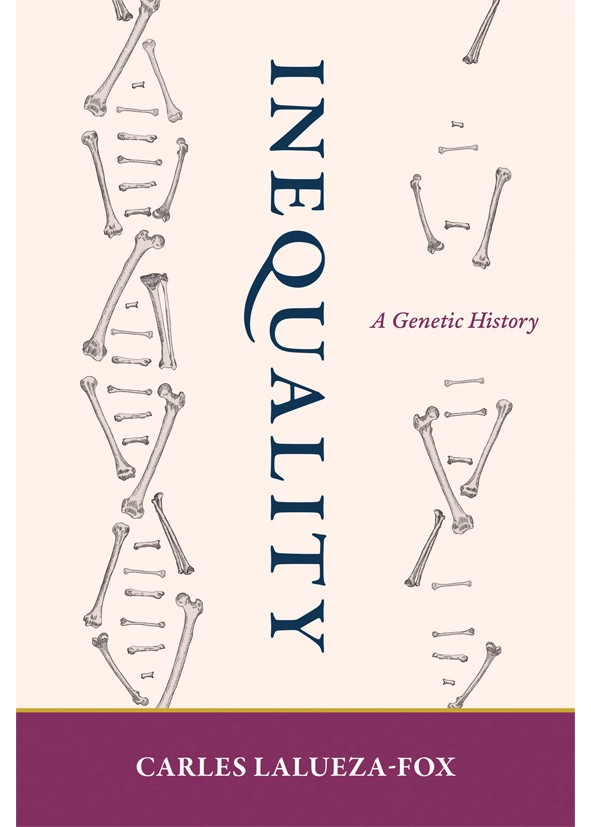
Inequality
Carles Lalueza-Fox MIT Press (2022)
Inequality and its origins will always preoccupy humans. In 2014, biologist Carles Lalueza-Fox led the retrieval of a genome from a European forager’s skeleton more than 7,000 years old; his later studies revealed genetic evidence of “inequality and discrimination in different times and periods”, as he describes in this significant book, written during the pandemic. He concludes by observing that COVID‑19 has had an enhanced impact on poor people, which he anticipates will feature in future genetic studies.
Preview: New York Times Book Review – April 24

- PICTURE BOOKS Lost, and Found, in Translation: 3 Picture Books About Language Turn Anglocentric Tropes on Their HeadEnglish is gibberish, “X” is for bear and a shared word is everyone’s cup of tea — in new work by Young Vo, Ellen Heck and Andrea Wang.By KORY STAMPERApril 22, 2022
- OUR READERS RESPOND People Cope With Tragedy by Writing Poems. Maybe They Shouldn’t.And other letters to the editor.April 22, 2022
- New in Paperback: Helen Oyeyemi and George SaundersSix new paperbacks to check out this week.By MIGUEL SALAZAR
Preview: New York Review Of Books – May 12, 2022
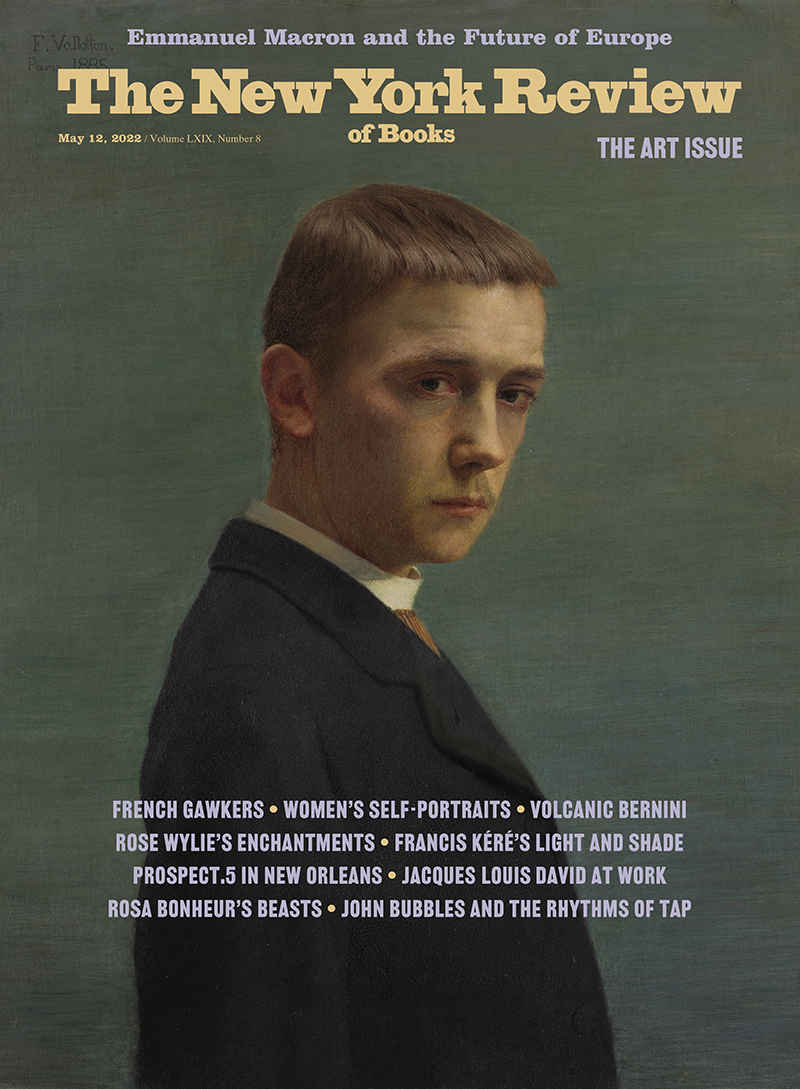
Painting Herself
From the beginning, female self-portraitists have chosen to show themselves at work, as if to demonstrate that they could handle a brush as well as male artists.
The Mirror and the Palette: Rebellion, Revolution, and Resilience: Five Hundred Years of Women’s Self Portraits
by Jennifer Higgie
The Self-Portrait
by Natalie Rudd
 Boomers Daily