


Whether used for ceremonial, astronomical or spiritual events, Stonehenge remains a subject of intrigue. Now, using the latest scientific technologies such as radiocarbon dating and 3D laser scanning, archaeologists are understanding how this colossal stone circle was built and what its purpose was, as well as gaining new insight into how our Stone Age human ancestors lived.
New studies even suggest some of the stones could align with the moon during rare lunar events.
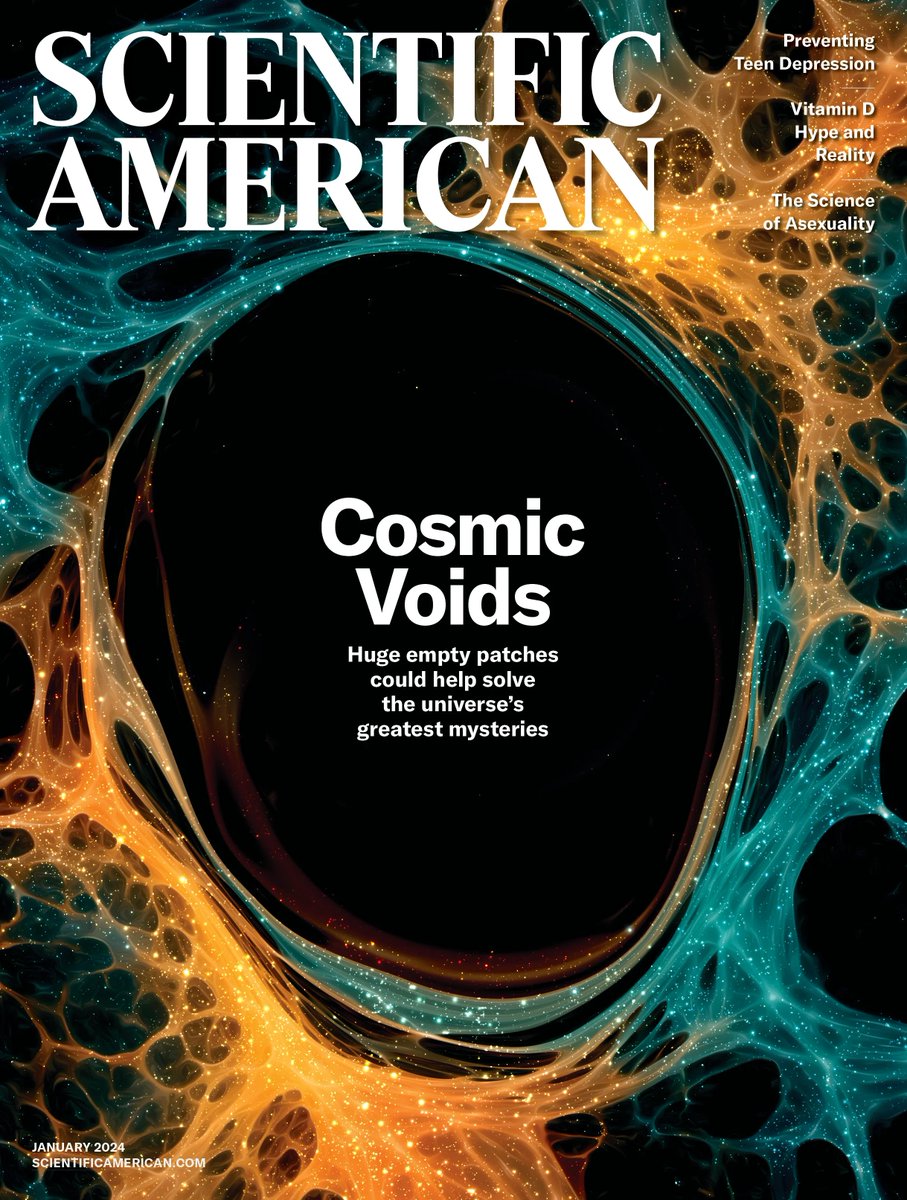
A quarter of a century after detecting dark energy, scientists are still trying to figure out what it is
One afternoon in early 1994 a couple of astronomers sitting in an air-conditioned computer room at an observatory headquarters in the coastal town of La Serena, Chile, got to talking. Nicholas Suntzeff, an associate astronomer at the Cerro Tololo Inter-American Observatory, and Brian Schmidt, who had recently completed his doctoral thesis at the Center for Astrophysics | Harvard & Smithsonian, were specialists in supernovae—exploding stars. Suntzeff and Schmidt decided that the time had finally come to use their expertise to tackle one of the fundamental questions in cosmology: What is the fate of the universe?
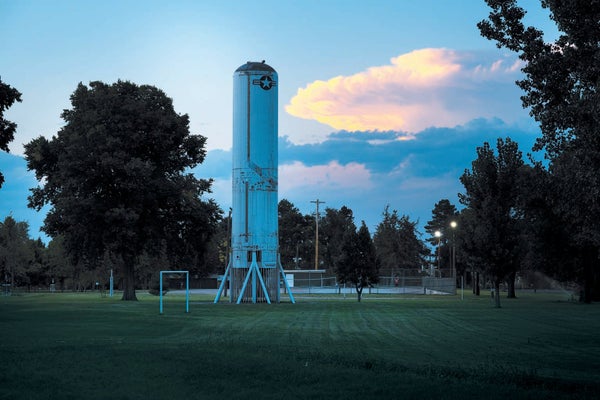
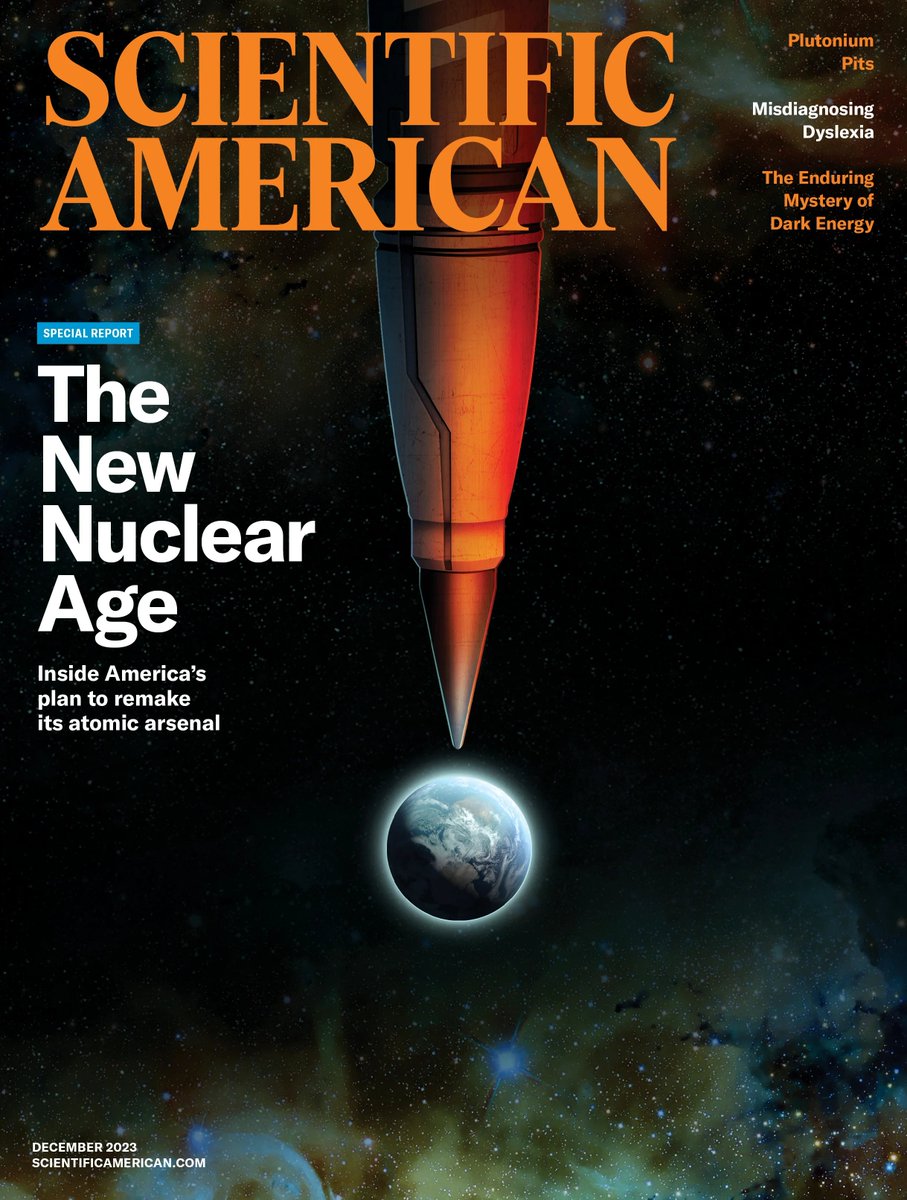
A road trip through the communities shouldering the U.S.’s nuclear missile revival
BY ABE STREEP
The point of the thing was to forever change our concept of power. When the U.S. military assembled a team of scientists, led by physicist J. Robert Oppenheimer, to build a nuclear bomb during World War II with the hope of beating the Nazis to such a terrible creation, many of those involved saw their efforts as a strange kind of civic destiny. The Manhattan Project, wrote Richard Rhodes, Pulitzer-winning author of The Making of the Atomic Bomb, was “compelled from the beginning not by malice or hatred but by hope for a better world.” Oppenheimer himself once said, “The atomic bomb was the turn of the screw. It made the prospect of future war unendurable. It has led us up those last few steps to the mountain pass; and beyond there is a different country.”
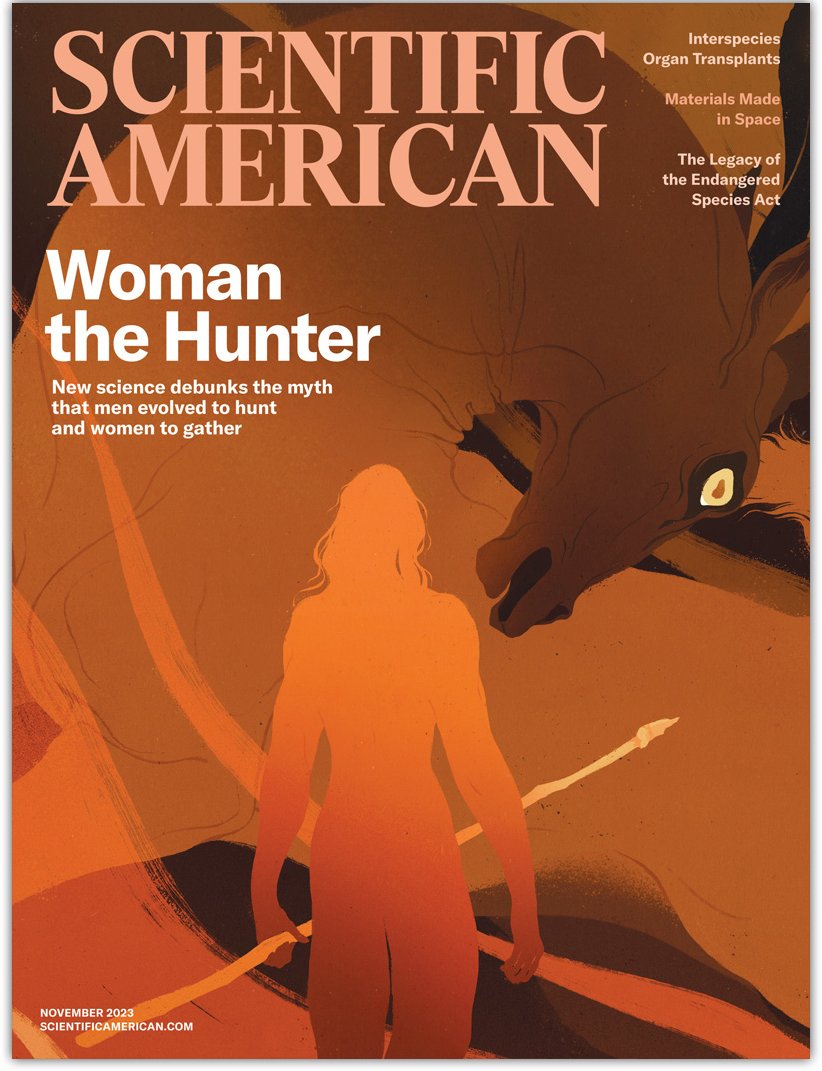

Scary play lets people—and other animals—rehearse coping skills for disturbing challenges in the real world
By Coltan Scrivner and Athena Aktipis
The Endangered Species Act requires that every U.S. plant and animal be saved from extinction, but after 50 years, we have to do much more to prevent a biodiversity crisis

Advances are increasing the supply of organs. But this isn’t enough. Enter the genetically modified donor pig
By Tanya Lewis
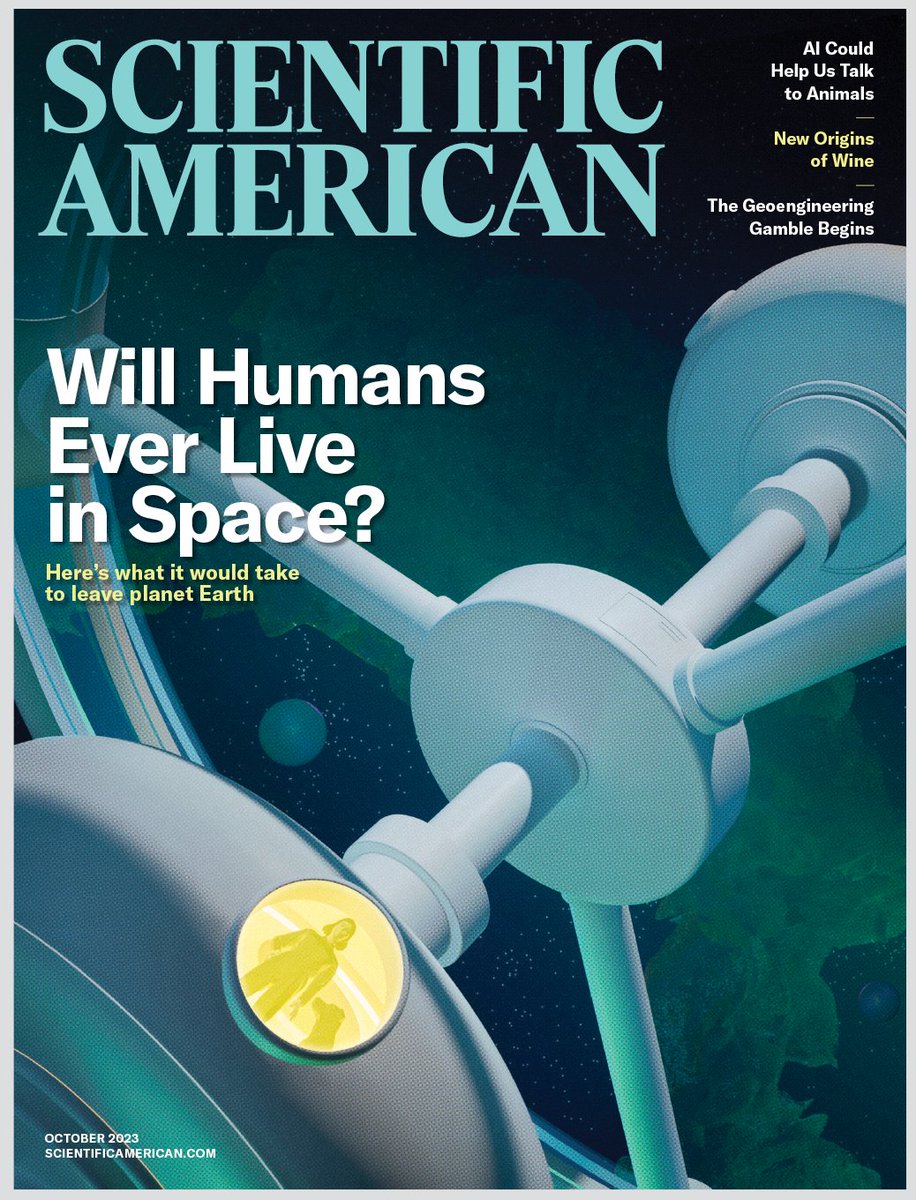
Medical, financial and ethical hurdles stand in the way of the dream to settle in space
By Sarah Scoles

Global warming is so rampant that some scientists say we should begin altering the stratosphere to block incoming sunlight, even if it jeopardizes rain and crops
By Douglas Fox
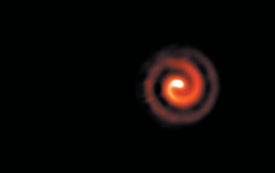
The doomed class of stars named Wolf-Rayets produce mysterious pinwheel shapes

Mining the seafloor could boost global production of clean energy technology—and destroy the ocean in the process
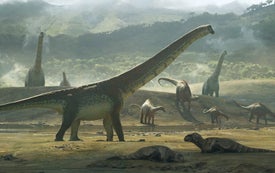
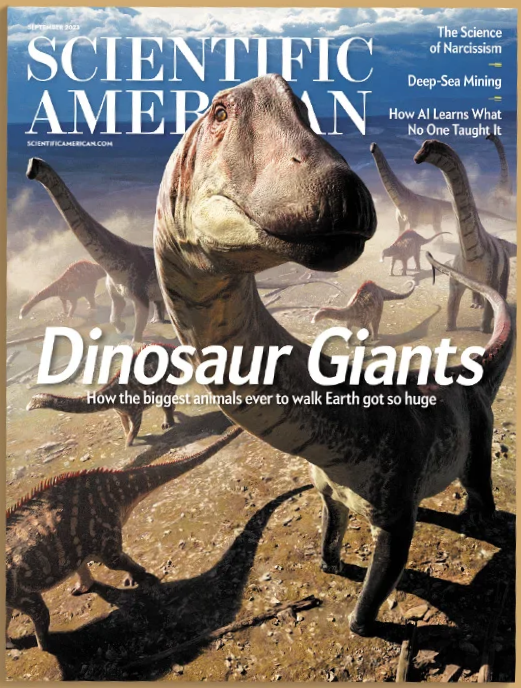
New research hints at how sauropod dinosaurs got to be so gargantuan

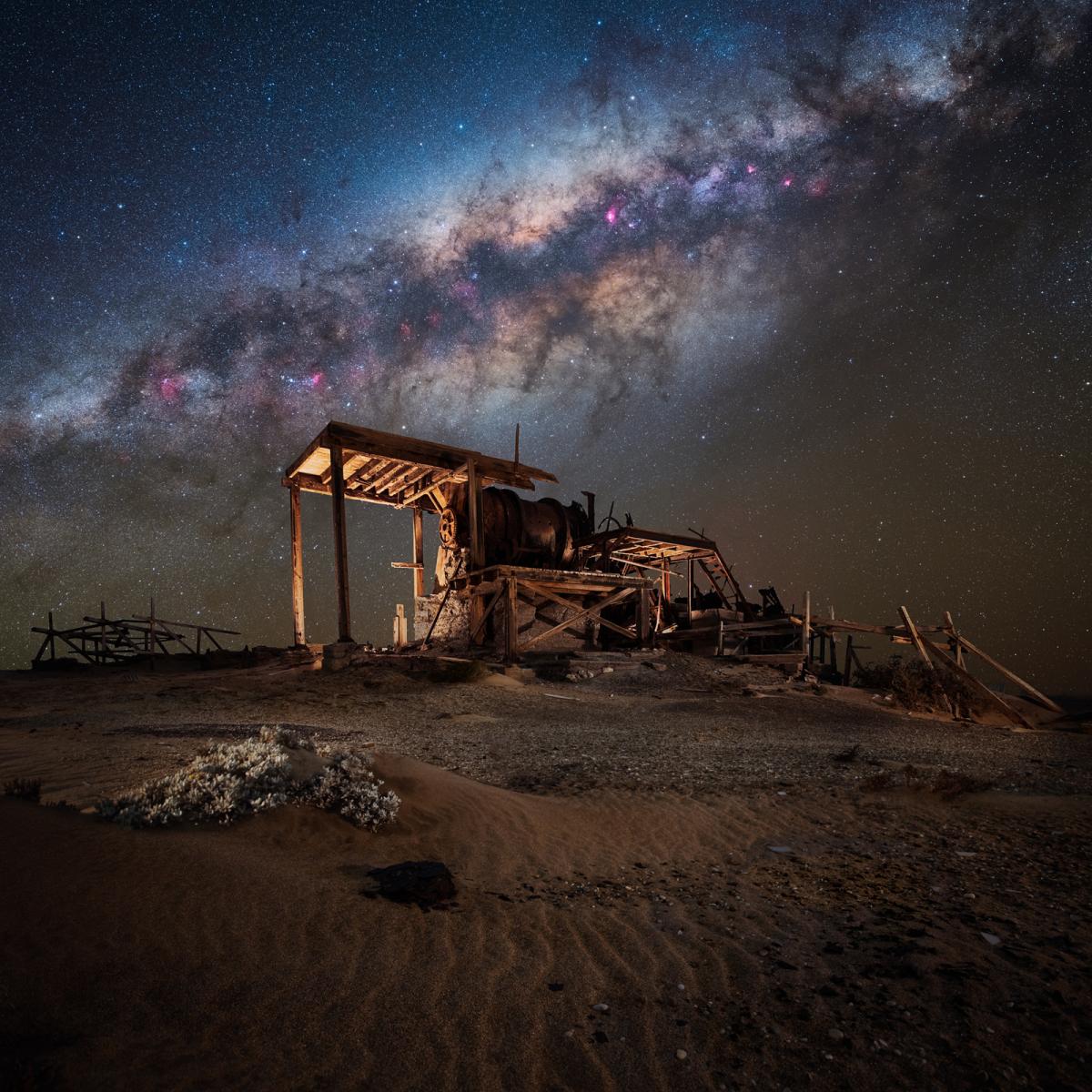
Bogenfels, Namib Desert, Namibia
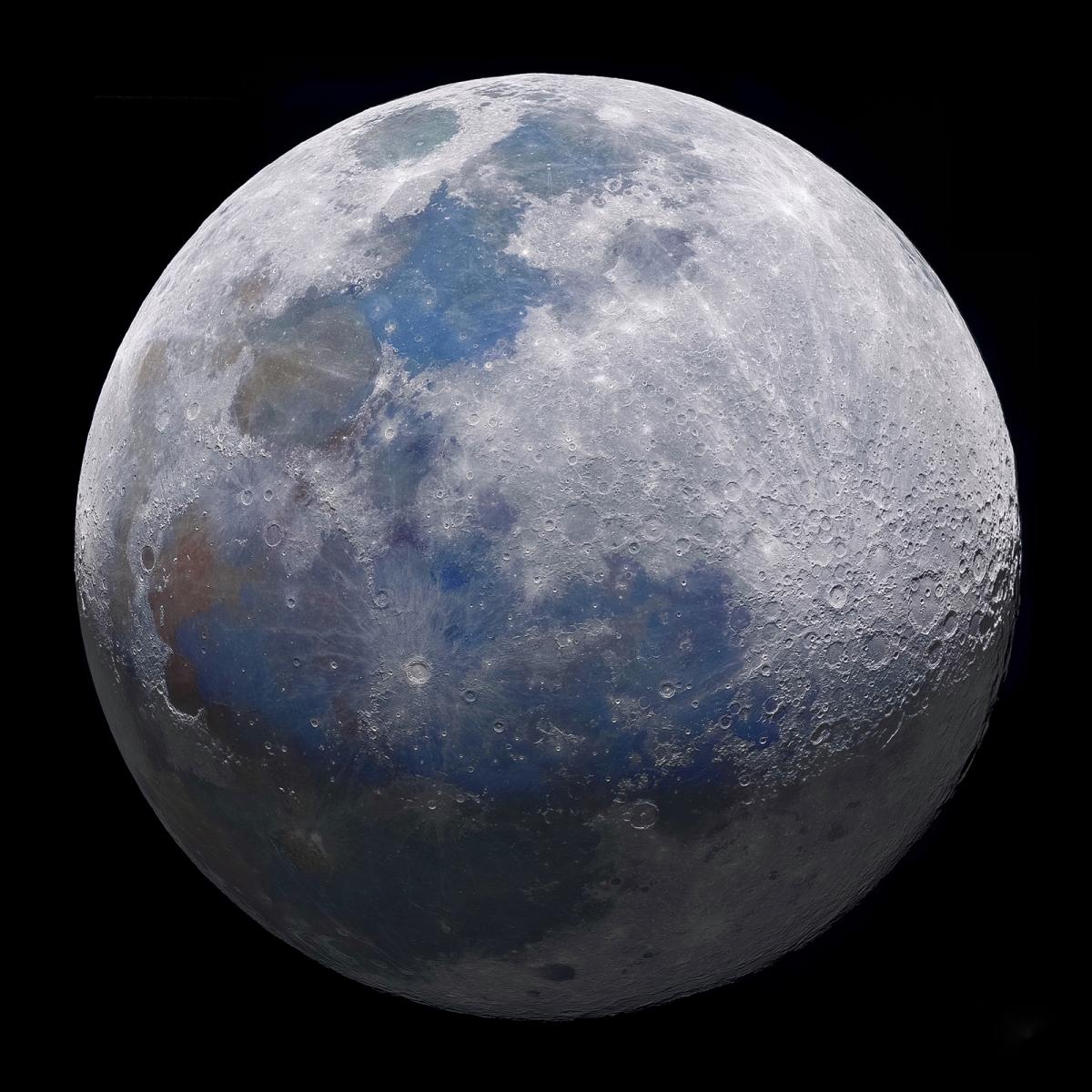
Wallasey, Wirral, Merseyside, United Kingdom
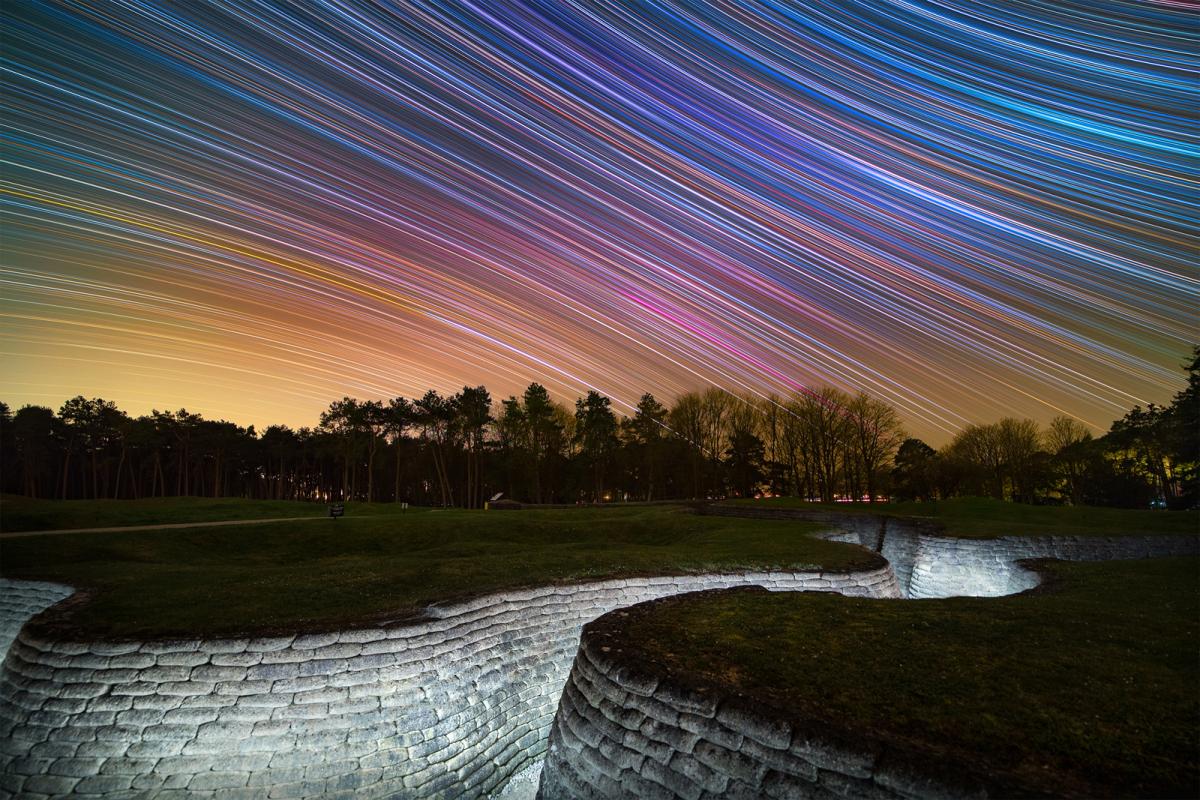
Vimy, Pas-de-Calais, France
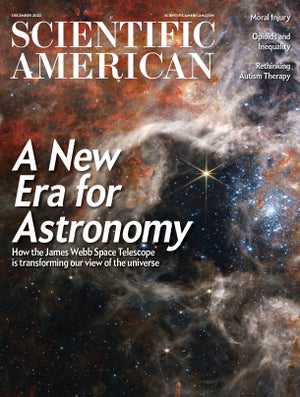

The James Webb Space Telescope has sparked a new era in astronomy
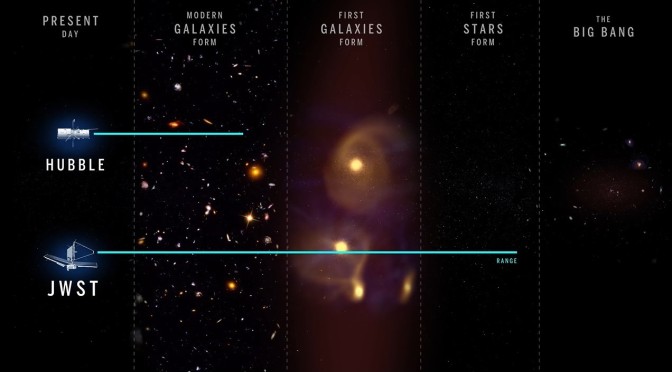
The James Webb Space Telescope’s first images of the distant universe shocked astronomers. Is the discovery of unimaginably distant galaxies a mirage or a revolution?
Deep-field images of “empty” regions of the sky from JWST and other space telescopes are revealing more of the universe than we ever thought possible
The first images from the James Webb Space telescope have been revealed. Incredibly clear images of the Carina Nebula, the Eight-Burst Nebula, a galaxy cluster called Stephan’s Quintet and an exoplanet named WASP-96b make up the first set of science data from JWST.
Decades of work, $10 billion in spending and nearly 14 billion years of cosmic history have brought us to this moment. The first science from the James Webb Space Telescope, the largest and most powerful observatory ever built. What questions will it answer? What new mysteries will discover? What will this new eye on the cosmos reveal? The telescope’s first science images will be out VERY soon. Here’s a quick look at what you can expect when they drop. For complete cover of the Webb, hit up: http://sciam.com/jwst


 Boomers Daily