
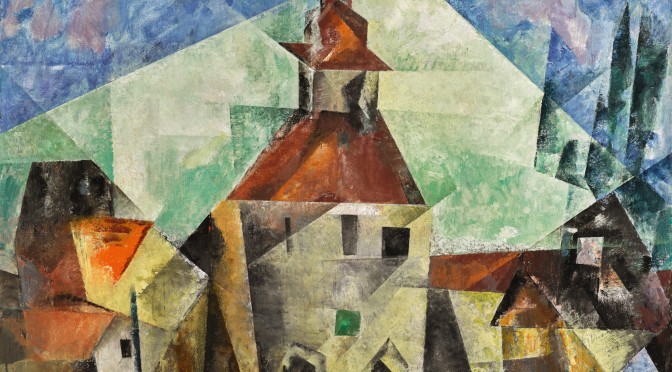
Lyonel Feininger combined influences from different art movements to find a style all his own. In this video, discover how Feininger’s work combines elements of Cubism and 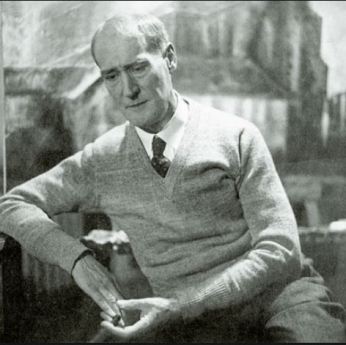 Italian Futurism, abstract form and function from the Bauhaus, and an expressive use of colour from his involvement with Die Brucke and Die Blaue Vier. Feininger’s instantly recognisable style is clearly visible in the dramatic interplay of light and shadow displayed in ‘Zottelstedt II’ from 1927.
Lyonel Charles Feininger (1871 – 1956) was a German-American painter, and a leading exponent of Expressionism. He also worked as a caricaturist and comic strip artist. He was born and grew up in New York City, traveling to Germany at 16 to study and perfect his art.
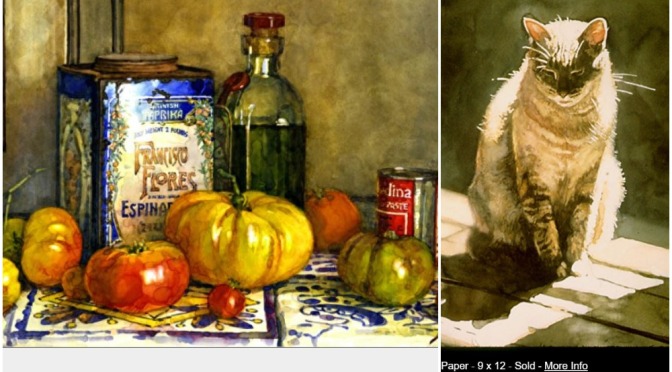
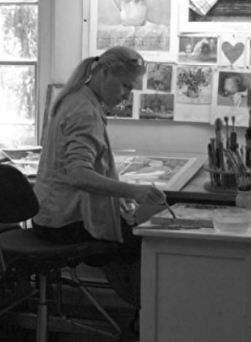 “To me architectural and still life paintings are anything but still… they are personal narratives, full of life, that tell the story of a person, time, and place that I find… endlessly inspiring.”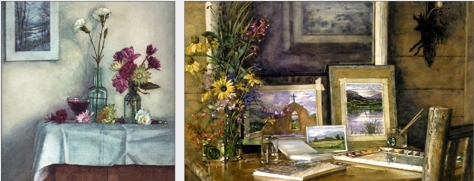
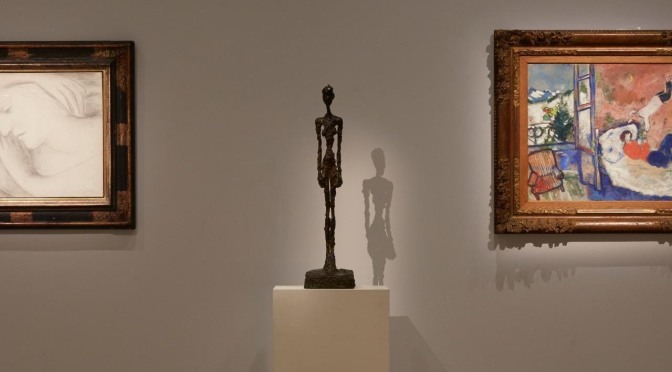
 Alberto Giacometti is one of the most admired and sought-after sculptors of the 20th century. In this video, discover how his post-war work came to embody the ideas of Existentialism and how the influence of ancient sculpture led to the attenuated human form so emblematic of his oeuvre. Conceived in 1956-57, at the height of Giacometti’s international acclaim, ‘Femme Debout’ comes from an outstanding family collection of works from the European avant-garde.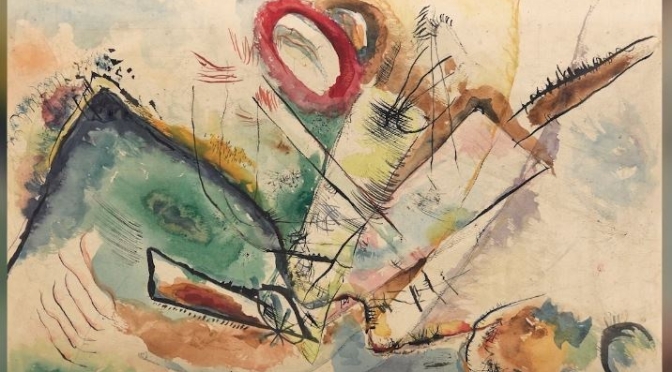
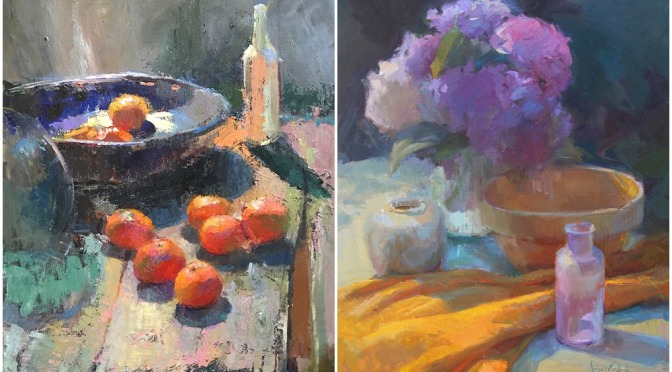
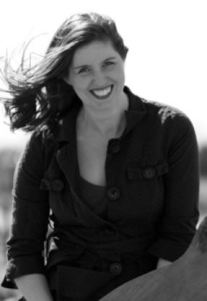 Compelled to chronicle the life and world around her, Abigail Faye McBride paints with the heart of a poet. Her oil paintings and charcoal drawings bear witness to a time, person or passing glimmer of light. Abigail paints landscape, figure and still life working interchangeably with brush and palette knife. Collectors, nationally and internationally, appreciate the color, mood and elegance of her work.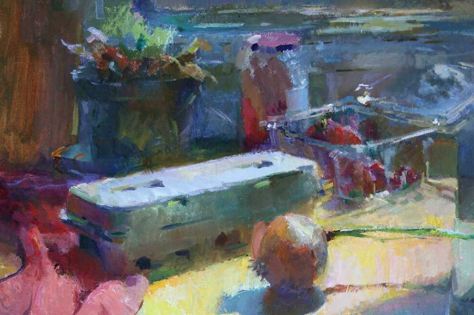
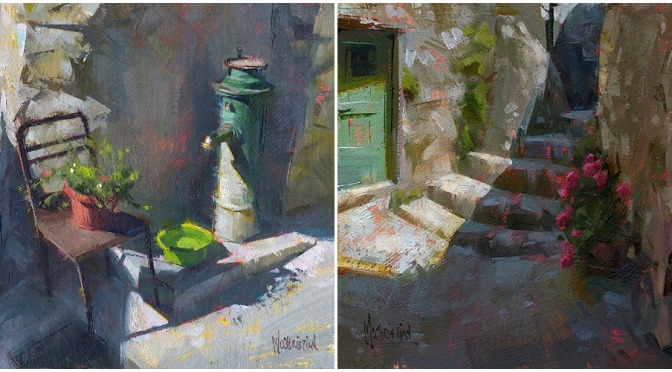
 Award winning artist, Jennifer McChristian, was born and raised in Montreal, Canada. From an early age, she knew she wanted to be an artist. Upon completing high school, McChristian began her art education at Dawson’s College in Montreal, Canada. In 1986, she and her family took permanent residency in California, where she earned a Bachelor of Fine Art Degree with Honors from Otis Art Institute in 1990.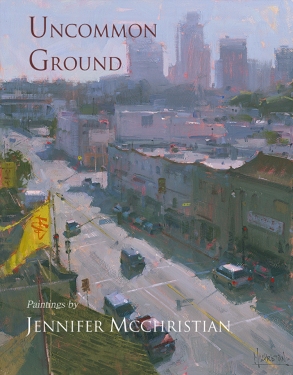
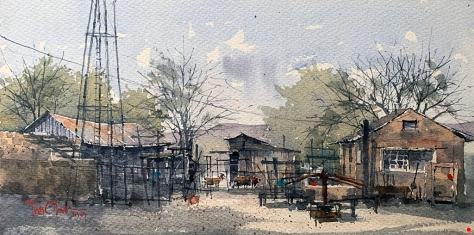
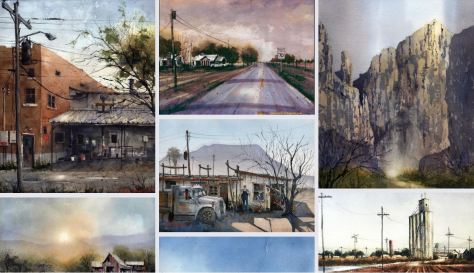
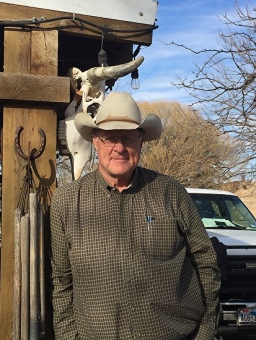 Watercolor, in a practiced hand, is the perfect medium for capturing the powerful emotion of a place. While I paint a variety of subjects, I’m most attracted to landscapes that stir passion within me in the moment. I’m always drawn to things western, rural, gritty and seemingly mundane or ordinary. Anything evocative of a ‘time long passed by’ will always capture my attention.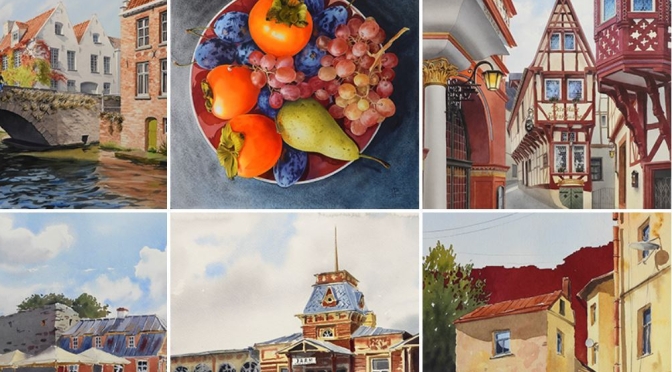
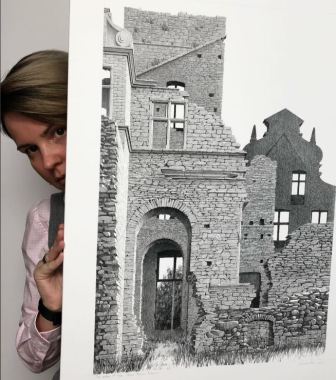 “Buildings and constructions once created by people but now fallen into oblivion have an inspirational value for me,” Mill tells My Modern Met. “They are silent witnesses of history. These giants towering over densely populated cities preserve the memories from the moment of their creation until the last stone drops off their walls.”
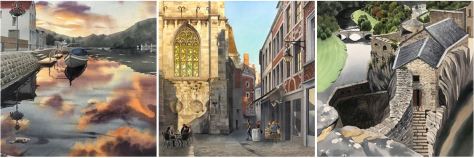 Russian graphic designer and watercolor painter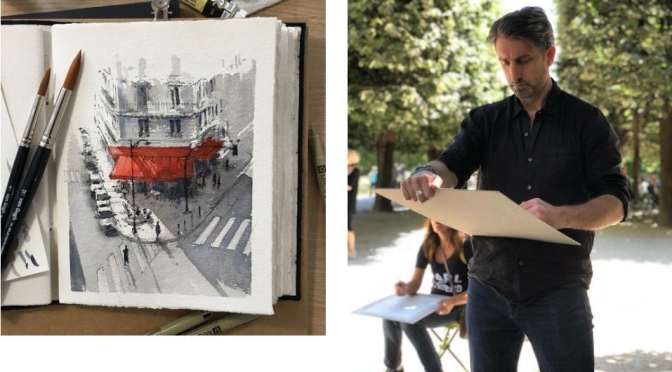
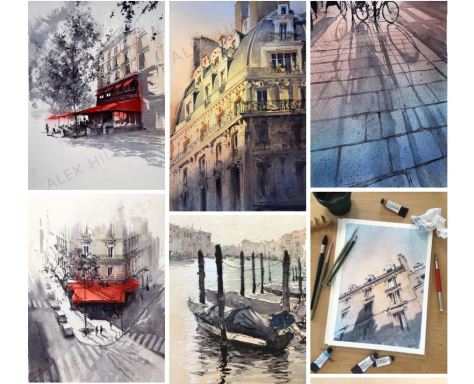 Alex currently lives in Paris with his film editor wife, Tiffany, and enjoys discovering the hidden corners of the city that sketching and plein air painting allow. He uses the language of cinema to inform his images, moving beyond what one sees, and depicting what he wants others to see. He believes that in our too-crowded lives, sketching and plein air painting invite us to move at a more deliberate pace… a true sense of place, and sometimes unexpected stories are revealed.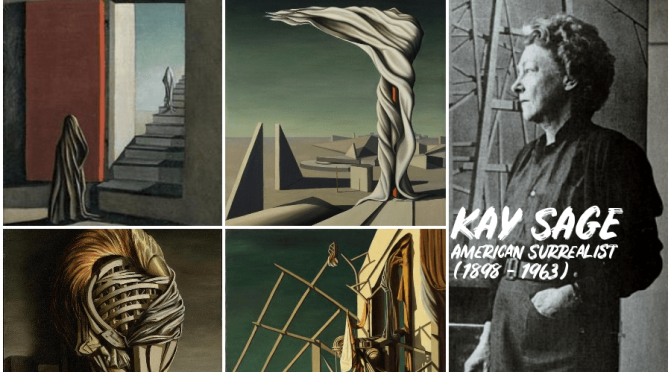
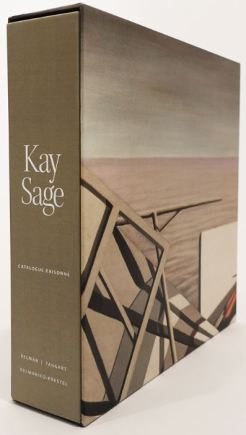 Sage is renowned for her empty, enigmatic, eerily lit landscapes. Human figures are markedly absent — their presence felt only by the monolithic, architectural structures and unidentifiable, draped objects they seem to have left behind. In this respect, 1945’s Other Answers is a quintessential Sage painting.
 In the summer of 1940, Sage had her first solo show, at the influential Pierre Matisse Gallery in Manhattan. Then, in early 1943, she was part of the landmark Exhibition by 31 Women, curated and staged by Peggy Guggenheim in her Art of This Century Gallery.
 Boomers Daily