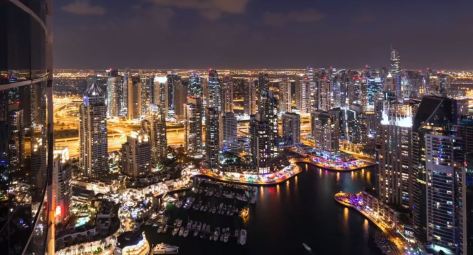
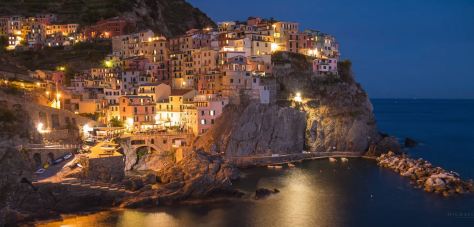
City timelapses and hyperlapses from around the world. This is a collection of my favorite cityscape timelapses from over the years. The video is a mix of static shots, motion controlled timelapses and manual hyperlapse shots. I really hope you all enjoy the video and thanks so much for watching!
Places featured in the video:
Dubai UAE
New York City, New York
Los Angeles, California
San Francisco, California
Doha, Qatar
Singapore,
Shanghai, China
Hong Kong,
Venice, Italy
Cinque Terre, Italy
Seattle, Washington
and a castle in Scotland.
There are over 140 miles of trails and roads leading to great views on Mackinac Island. Stop by the Visitor’s Center to buy a map of the trails, significant points of interest and self-tours. Or visit a rental bike shop for a map, (though these have less detail). One of the most popular trails is the 8.2-mile road along the island’s perimeter. Typically there are bikers along this trail, but plenty of pedestrians also use it to see the beautiful shorelines. The road is not very hilly but it is long, so take your time to enjoy the views and be sure to stop occasionally to read about the history of the island. If you’d like to get deeper inland, there are several trails that lead to great views of the changing reds, yellows, and oranges as well as vantage points to see the beautiful shorelines. Stay aware of bikers and horses and be sure to stop at Sugar Loaf, Fort Mackinac, Skull Cave or Arch Rock for amazing views.
The trailer is set up for families thanks to a king-size bed on one side and twin bunk beds on the other. A full bathroom boasts a shower, sink, and chemical toilet, and bamboo shelving allows for plenty of storage space. A leatherette dining area provides a place to sit inside, and on-demand hot water, a heater, and built-in air conditioning come standard.
Opus has created their first full-size, hard-sided camper. Called the Opus OP 15, the new trailer blends off-road capabilities with amenities for a family. It’s also expandable, designed with a pop-up top for extra headroom in a way that’s similar to Safari Condo’s Alto R Series trailer. This means that while you’re towing the Opus OP 15, you have a low-roof, compact, 15-foot trailer. But once you get to camp you have plenty of room inside.
The domed capsule is the brainchild of naval architect Jean-Michel Ducancelle, who was inspired by the floating saucer in the 1977 Bond film The Spy Who Loved Me. Under development for the last 15 years, this 21st-century version is outfitted with five south-facing solar panels that soak up the sun and power the electric motors and mechanical systems.
Half-boat, half-futuristic pod, the Anthenea is a bold take on sea-bound tourism. While we’ve already seen everything from an underwater Maldives hotel to an elevating floating home, the 538-square-foot Anthenea is being billed as “the world’s first eco-luxe floating hotel suite” (that can also be used as a spa, restaurant, night club, or really whatever the buyer can dream of).
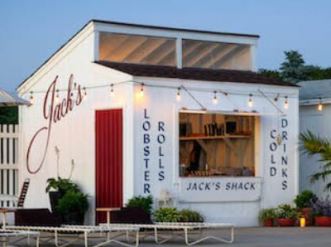
Immediately upon checking into one of the Sound View’s cedar-paneled rooms, all clean white sheets and sailcloth pillows and views straight out onto the beach (ALL of the rooms at the Sound View look straight out onto the beach), I felt my blood pressure slow. For lunch, we jammed lobster rolls the size of our faces into our faces by the pool. Come late afternoon, we sat on our sandswept porch drinking canned rosé and watched the sky turn gold.
For dinner at The Halyard (Sound View’s hotel-restaurant-that-decidedly-doesn’t-suck), we grabbed a corner table on the open-air deck and ate peak-season heirloom tomato gazpacho and crisply seared scallops caught just a few miles away. Afterwards, loose on Greenport IPAs, we moseyed over to the piano bar for karaoke night and performed Alanis Morissette duets for a group of drunken Scottish people (all of whom are now our best friends) late into the night. It was a perfect weekend, the kind that made summer feel as endless as it did in the good old days, back before Google calendars existed.
Despite the overwhelming presence of boutique inns along the Atlantic, they’re not a strictly East Coast commodity. Case in point: Sonoma’s Farmhouse Inn.
The 25-room property, located just 30 minutes from Calistoga and Napa Valley, attracts visitors from near and far with guest rooms done up in homey, (you guessed it) farmstead-style decor (think: plaid throws and rustic tree limb end tables, all adhering to a neutral palette of white, beige, and brown), brightened up by bouquets of fresh seasonal flowers. Beyond its aesthetically-pleasing interiors, the inn also knows a thing or two about food—starting with a nightly turndown service that includes homemade cookies and milk, and ending with the Farmhouse Restaurant, an onsite Michelin-starred, farm-to-table dining experience with killer dishes like peach salad, chanterelle tortellini, and wild Alaskan halibut.
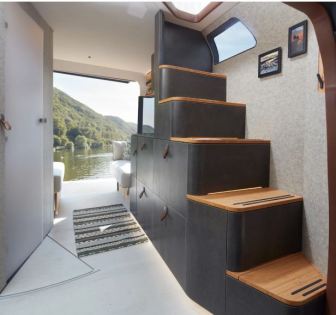
This year at Düsseldorf, the Erwin Hymer Group debuted the VisionVenture concept. Built on a Mercedes chassis, the VisionVenture is a forward-thinking camper that looks more like a high-end apartment than a striped-down adventure rig.
To accomplish this, the camper’s interior uses warm bamboo, gray felt, and leather, mixing woods with other materials to add interest. The living area is located in the rear with two white sofas and a center dining table that folds down below the passenger-side bench. The stand-out feature of the living room is the panoramic rear window and large side windows. Fold out the rear door, drop a lower gate and the van boasts its own rear deck—complete with slide-out electric grill.
It’s an impressive lounge area, and the kitchen goes even further with a flush cooktop, sink, refrigerator, and ample storage. The styling is fresh too, with modular, deck-like wall paneling that works to hang plants or cooking equipment as needed. Integrated next to the kitchen is a compact slate-colored staircase—reminiscent of tiny house design—that boasts storage, motion-activated lighting, and access to an inflatable pop-up sleeping area. The upstairs bed sleeps two and takes advantage of big views through the rear roll-up window.
On “Travel Man,” Ayoade is fun to look at (snappy suits, thick-framed glasses, expression of amused diffidence) and fun to listen to. (Of a monastery turned hotel in Naples, he says, “As well as modish guff, like a rooftop pool and a spa, it retains attractive old shiz, like staircases dug into the hillside.”) His persona is warmly amused, broadly skeptical, and gently astringent—i.e., British. He’s not a joiner. His intros conclude with him saying, in that episode’s particular city and with that episode’s particular guest, “We’re here, but should we have come?”
“Travel Man: 48 Hours in . . .” is a British series in which the comedian, writer, actor, and director Richard Ayoade spends forty-eight hours in a city, accompanied by various friends—“some of the most available and affordable names in light ent,” as he puts it—and tells us about what to do there. “Mini-breaks are a swirling nebula of nonsense!” he says at the top of “Copenhagen,” during a brisk montage of him in Venice, Copenhagen, Vienna, and Moscow. “How can anyone go somewhere new and be expected to enjoy themselves without a decade to decompress?” Exactly, I thought. This is the show for me.
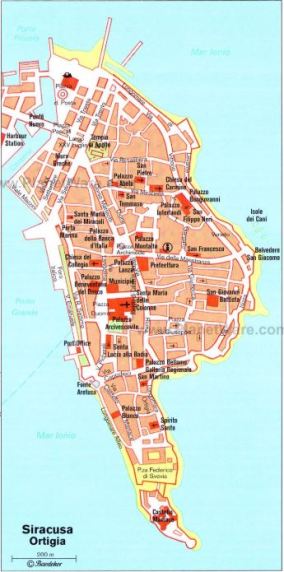
A passeggiata, or evening walk, around the perimeter of Ortigia reveals many notable structures and stories. Start from the Parco Letterario Elio Vittorini, on the eastern side, and head clockwise. As waves crash against the rocks below the sea wall, you’ll pass crenelated lookout points and the chiseled facade of the 17th-century Chiesa dello Spirito Santo, before finding yourself in the palm-planted gardens of the 13th-century Castello Maniace.
Founded by Greeks around 734 B.C., Ithe southeastern Sicilian city that Cicero called “the greatest and most beautiful of all Grecian cities” achieved a size and status in the ancient world that made it a rival of major powers like Athens and Carthage. Takeovers and makeovers by Romans, Byzantines, North Africans, Normans and others left their marks as well, influencing everything from religious art to the region’s distinctive savory-sweet-sour cooking style. Much of the ancient city has crumbled since Cicero’s day, though the ruins can still be explored in Syracuse’s celebrated archaeological park and museum. But the main attraction today is the historical center of Syracuse: Ortigia island, a maze of narrow streets, ornate Baroque churches and centuries-old palazzi.
Established in 1831, the Gorham Manufacturing Company adeptly coupled art and industry, rising to become an industry leader of stylistic and technological achievement in America and around the world. It produced public presentation pieces and one-of-a-kind showstoppers for important occasions, as well as tableware for everyday use. Its works trace a narrative arc not only of great design but also of American ambitions. In this volume, insightful essays are accompanied by gorgeous new photography of splendid silver pieces along with a wealth of archival images, design drawings, casting patterns, and company records that reveal a rich heritage of a giant in decorative arts and silver manufacturing.
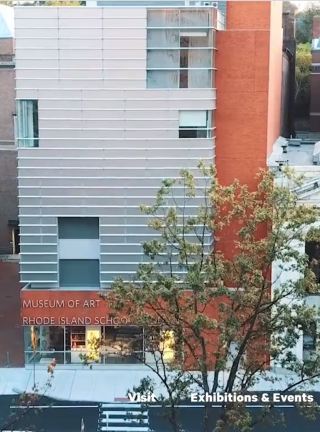
Produced in collaboration with the RISD Museum, which has the world’s most significant collection of Gorham silver, this major new book casts new light on more than 120 years of grand aesthetic styles in silver, innovative industrial practices, and American social and cultural norms.



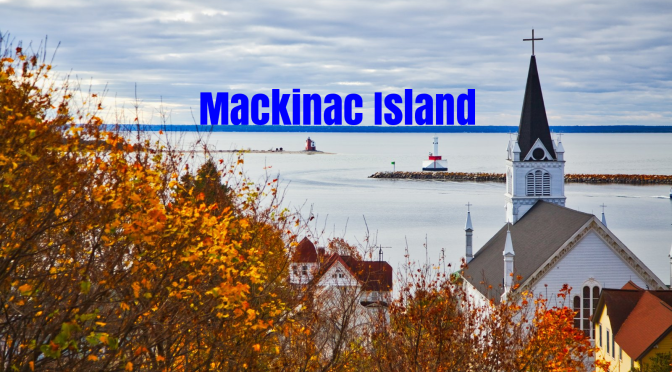
 There are over 140 miles of trails and roads leading to great views on Mackinac Island. Stop by the Visitor’s Center to buy a map of the trails, significant points of interest and self-tours. Or visit a rental bike shop for a map, (though these have less detail). One of the most popular trails is the 8.2-mile road along the island’s perimeter. Typically there are bikers along this trail, but plenty of pedestrians also use it to see the beautiful shorelines. The road is not very hilly but it is long, so take your time to enjoy the views and be sure to stop occasionally to read about the history of the island. If you’d like to get deeper inland, there are several trails that lead to great views of the changing reds, yellows, and oranges as well as vantage points to see the beautiful shorelines. Stay aware of bikers and horses and be sure to stop at Sugar Loaf,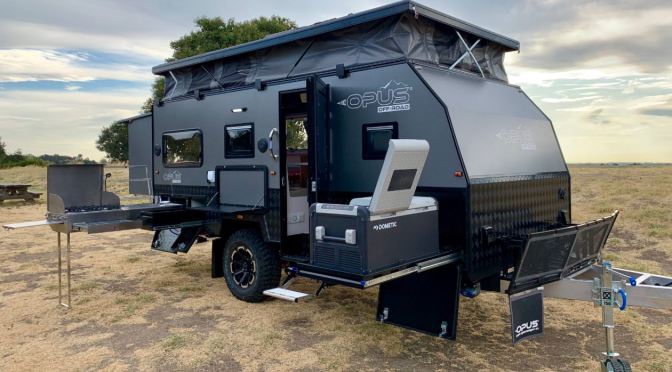
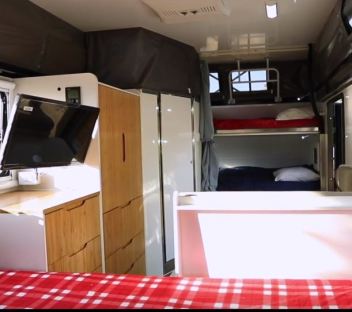 The trailer is set up for families thanks to a king-size bed on one side and twin bunk beds on the other. A full bathroom boasts a shower, sink, and chemical toilet, and bamboo shelving allows for plenty of storage space. A leatherette dining area provides a place to sit inside, and on-demand hot water, a heater, and built-in air conditioning come standard.
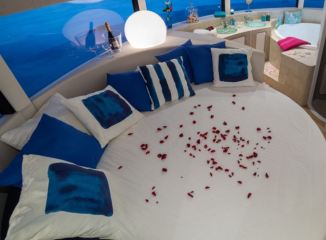 The domed capsule is the brainchild of naval architect Jean-Michel Ducancelle, who was
 Immediately upon checking into one of the Sound View’s cedar-paneled rooms, all clean white sheets and sailcloth pillows and views straight out onto the beach (ALL of the rooms at the Sound View look straight out onto the beach), I felt my blood pressure slow. For lunch, we jammed lobster rolls the size of our faces into our faces by the pool. Come late afternoon, we sat on our sandswept porch drinking canned rosé and watched the sky turn gold.

 For dinner at
 Despite the overwhelming presence of boutique inns along the Atlantic, they’re not a strictly East Coast commodity. Case in point: Sonoma’s Farmhouse Inn.
  Beyond its aesthetically-pleasing interiors, the inn also knows a thing or two about food—starting with a nightly turndown service that includes homemade cookies and milk, and ending with the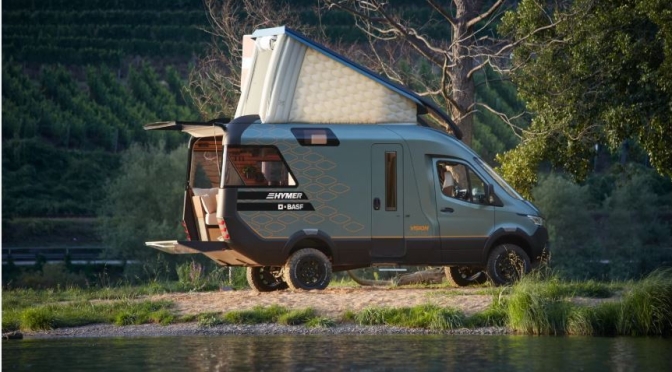
 This year at Düsseldorf, the Erwin Hymer Group debuted the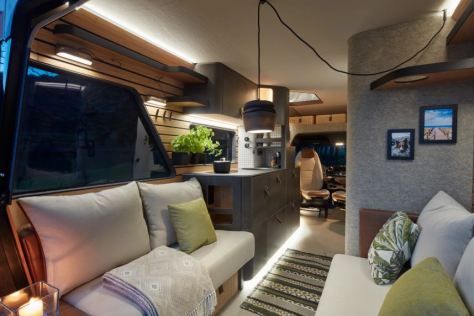

 On “Travel Man,” Ayoade is fun to look at (snappy suits, thick-framed glasses, expression of amused diffidence) and fun to listen to. (Of a monastery turned hotel in Naples, he says, “As well as modish guff, like a rooftop pool and a spa, it retains attractive old shiz, like staircases dug into the hillside.”) His persona is warmly amused, broadly skeptical, and gently astringent—i.e., British. He’s not a joiner. His intros conclude with him saying, in that episode’s particular city and with that episode’s particular guest, “We’re here, but should we have come?”
 A passeggiata, or evening walk, around the perimeter of Ortigia reveals many notable structures and stories. Start from the Parco Letterario Elio Vittorini, on the eastern side, and head clockwise. As waves crash against the rocks below the sea wall, you’ll pass crenelated lookout points and the chiseled facade of the 17th-century Chiesa dello Spirito Santo, before finding yourself in the palm-planted gardens of the 13th-century Castello Maniace.
  Ithe southeastern Sicilian city that Cicero called “the greatest and most beautiful of all Grecian cities” achieved a size and status in the ancient world that made it a rival of major powers like Athens and Carthage. Takeovers and makeovers by Romans, Byzantines, North Africans, Normans and others left their marks as well, influencing everything from religious art to the region’s distinctive savory-sweet-sour cooking style. Much of the ancient city has crumbled since Cicero’s day, though the ruins can still be explored in Syracuse’s celebrated archaeological park and museum. But the main attraction today is the historical center of Syracuse: Ortigia island, a maze of narrow streets, ornate Baroque churches and centuries-old palazzi.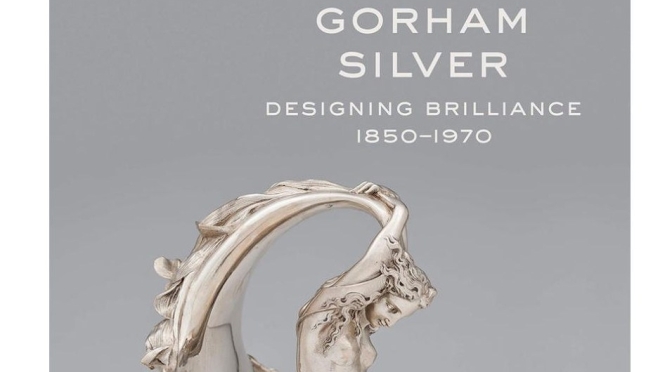
 Established in 1831, the Gorham Manufacturing Company adeptly coupled art and industry, rising to become an industry leader of stylistic and technological achievement in America and around the world. It produced public presentation pieces and one-of-a-kind showstoppers for important occasions, as well as tableware for everyday use. Its works trace a narrative arc not only of great design but also of American ambitions. In this volume, insightful essays are accompanied by gorgeous new photography of splendid silver pieces along with a wealth of archival images, design drawings, casting patterns, and company records that reveal a rich heritage of a giant in decorative arts and silver manufacturing.
 Boomers Daily