
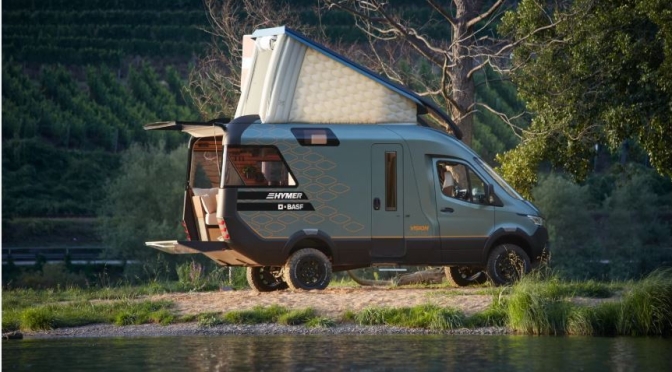
From a Curbed.com online review:
 This year at Düsseldorf, the Erwin Hymer Group debuted the VisionVenture concept. Built on a Mercedes chassis, the VisionVenture is a forward-thinking camper that looks more like a high-end apartment than a striped-down adventure rig.
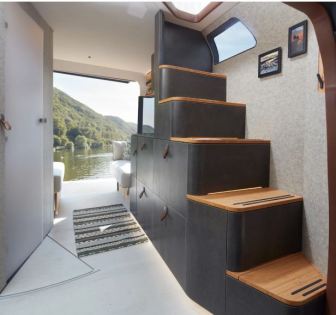
To accomplish this, the camper’s interior uses warm bamboo, gray felt, and leather, mixing woods with other materials to add interest. The living area is located in the rear with two white sofas and a center dining table that folds down below the passenger-side bench. The stand-out feature of the living room is the panoramic rear window and large side windows. Fold out the rear door, drop a lower gate and the van boasts its own rear deck—complete with slide-out electric grill.
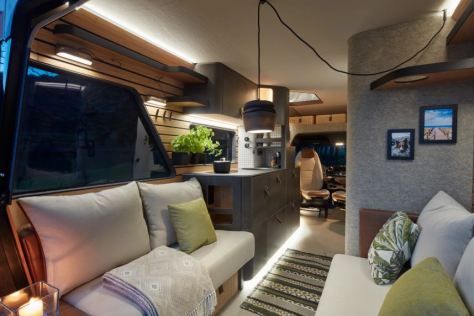
It’s an impressive lounge area, and the kitchen goes even further with a flush cooktop, sink, refrigerator, and ample storage. The styling is fresh too, with modular, deck-like wall paneling that works to hang plants or cooking equipment as needed. Integrated next to the kitchen is a compact slate-colored staircase—reminiscent of tiny house design—that boasts storage, motion-activated lighting, and access to an inflatable pop-up sleeping area. The upstairs bed sleeps two and takes advantage of big views through the rear roll-up window.
https://www.hymer.com/de/de/modelle/technologie-innovation/vision-venture
To read more: https://www.curbed.com/2019/9/5/20851580/rv-camper-van-hymer-concept-visionventure

 On “Travel Man,” Ayoade is fun to look at (snappy suits, thick-framed glasses, expression of amused diffidence) and fun to listen to. (Of a monastery turned hotel in Naples, he says, “As well as modish guff, like a rooftop pool and a spa, it retains attractive old shiz, like staircases dug into the hillside.”) His persona is warmly amused, broadly skeptical, and gently astringent—i.e., British. He’s not a joiner. His intros conclude with him saying, in that episode’s particular city and with that episode’s particular guest, “We’re here, but should we have come?”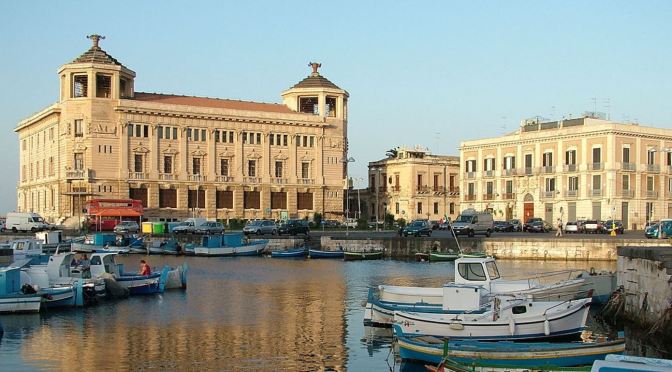
 A passeggiata, or evening walk, around the perimeter of Ortigia reveals many notable structures and stories. Start from the Parco Letterario Elio Vittorini, on the eastern side, and head clockwise. As waves crash against the rocks below the sea wall, you’ll pass crenelated lookout points and the chiseled facade of the 17th-century Chiesa dello Spirito Santo, before finding yourself in the palm-planted gardens of the 13th-century Castello Maniace.
 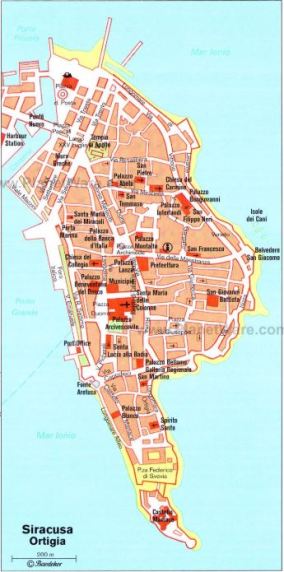 Ithe southeastern Sicilian city that Cicero called “the greatest and most beautiful of all Grecian cities” achieved a size and status in the ancient world that made it a rival of major powers like Athens and Carthage. Takeovers and makeovers by Romans, Byzantines, North Africans, Normans and others left their marks as well, influencing everything from religious art to the region’s distinctive savory-sweet-sour cooking style. Much of the ancient city has crumbled since Cicero’s day, though the ruins can still be explored in Syracuse’s celebrated archaeological park and museum. But the main attraction today is the historical center of Syracuse: Ortigia island, a maze of narrow streets, ornate Baroque churches and centuries-old palazzi.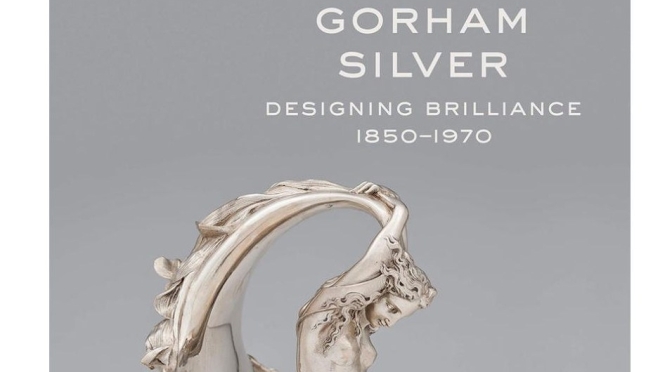
 Established in 1831, the Gorham Manufacturing Company adeptly coupled art and industry, rising to become an industry leader of stylistic and technological achievement in America and around the world. It produced public presentation pieces and one-of-a-kind showstoppers for important occasions, as well as tableware for everyday use. Its works trace a narrative arc not only of great design but also of American ambitions. In this volume, insightful essays are accompanied by gorgeous new photography of splendid silver pieces along with a wealth of archival images, design drawings, casting patterns, and company records that reveal a rich heritage of a giant in decorative arts and silver manufacturing.
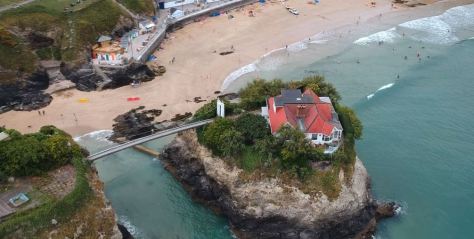
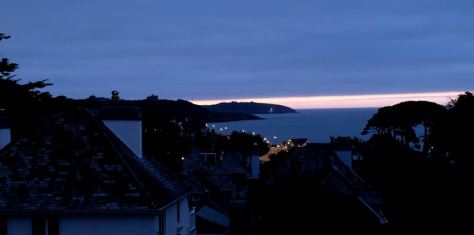
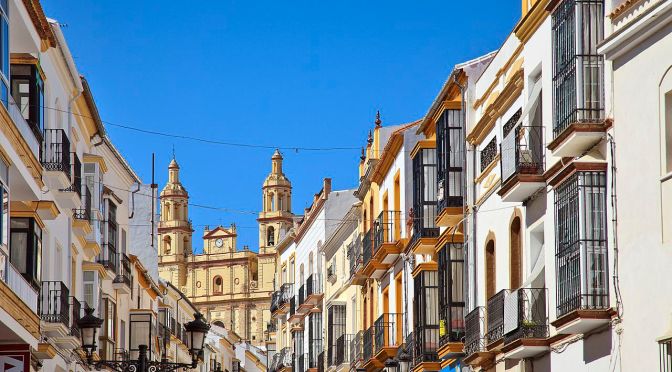
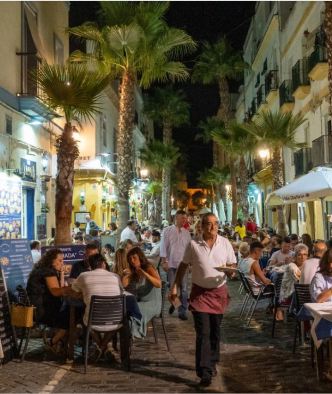 One of the reasons the province of Cádiz is on this year’s 52 Places list is food, as chefs in the area are innovating with pork and fish, the base ingredients here. I tried out a few of the white-tablecloth joints, but came away remembering the noisy, cheap tapas bars that have been around forever.
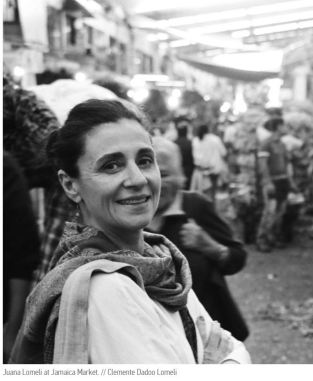 The city’s great unifier and appeal is its cuisine, especially the street-food: corner quesadillas, fast food tents outside of subway stops, stews served over hand-made tortillas, deep fried chicken tacos, tacos topped with rice served from street stands or a make-shift diner in the back of a van. In Mexico City, one can find great food everywhere at any price-point and at any time of day.


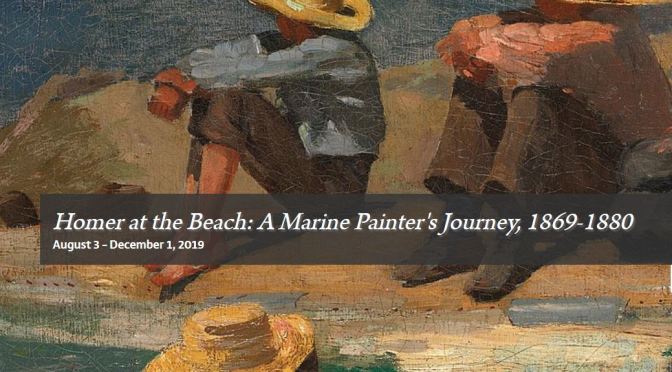
 That’s how I felt while visiting “Homer at the Beach: A Marine Painter’s Journey, 1869-1880,” an intimate exhibition at the Cape Ann Museum. The show is handsome, historically rich and perfectly positioned here at this harbor venue, which devotes galleries to regional maritime and fishing artifacts, local decorative arts, Gloucester sea captain Elias Davis ’s house and the works of the renowned illustrator and marine painter Fitz Henry Lane (1804-1865), a Gloucester native with whom Boston-born Winslow Homer (1836-1910) had much in common.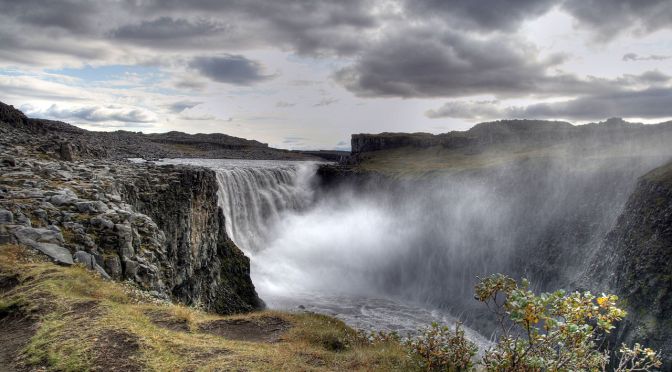
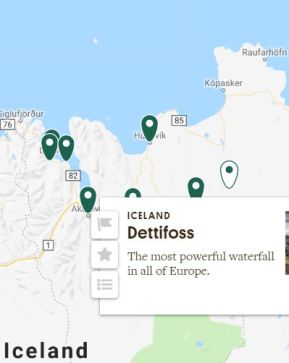 Having earned the superlative of “most powerful waterfall in Europe” because of its massive flow rate (3,059,112 U.S. gallons per minute), standing near this unfettered display of power will give you a healthy respect for the fury of nature.
  Boomers Daily