

From a ScienceDaily.com online release:
 Physical inactivity, smoking, high blood pressure, diabetes, and high cholesterol play a greater role than genetics in many young patients with heart disease, according to research presented today at ESC Congress 2019 together with the World Congress of Cardiology. The findings show that healthy behaviours should be a top priority for reducing heart disease even in those with a family history of early onset.
The study enrolled 1,075 patients under 50, of whom 555 had coronary artery disease (known as premature CAD). Specific conditions included stable angina, heart attack, and unstable angina. The average age was 45 and 87% were men. Risk factor levels and genetics in patients were compared to a control group of 520 healthy volunteers (average age 44, and 86% men). Patients and controls were recruited from the Genes in Madeira and Coronary Disease (GENEMACOR) database.
Five modifiable risk factors were assessed: physical inactivity, smoking, high blood pressure, diabetes, and high cholesterol. Nearly three-quarters (73%) of patients had at least three of these risk factors compared to 31% of controls. In both groups, the likelihood of developing CAD increased exponentially with each additional risk factor. The probability of CAD was 3, 7, and 24 times higher with 1, 2, and 3 or more risk factors, respectively.
To read more: https://www.sciencedaily.com/releases/2019/09/190902181602.htm

 Our results further suggest that optimism is specifically related to 11 to 15% longer life span, on average, and to greater odds of achieving “exceptional longevity,” that is, living to the age of 85 or beyond. These relations were independent of socioeconomic status, health conditions, depression, social integration, and health behaviors (e.g., smoking, diet, and alcohol use). Overall, findings suggest optimism may be an important psychosocial resource for extending life span in older adults.
 “While we always believed that high levels of uric acid might be bad for kidneys and that patients with gout may have a higher risk of kidney failure, we were quite surprised by the magnitude of the risk imposed by gout in these patients. We were particularly interested in the risk of advanced kidney disease, as these patients in general have a higher risk of kidney failure and death.
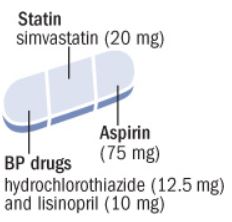 Use of polypill was effective in preventing major cardiovascular events. Medication adherence was high and adverse event numbers were low. The polypill strategy could be considered as an additional effective component in controlling cardiovascular diseases, especially in LMICs.
 The use of n-3 FA (4 g/d) for improving atherosclerotic cardiovascular disease risk in patients with hypertriglyceridemia is supported by a 25% reduction in major adverse cardiovascular events in REDUCE-IT (Reduction of Cardiovascular Events With EPA Intervention Trial), a randomized placebo-controlled trial of EPA-only in high-risk patients treated with a statin.

 2 years of moderate calorie restriction significantly reduced multiple cardiometabolic risk factors in young, non-obese adults. These findings suggest the potential for a substantial advantage for cardiovascular health of practicing moderate calorie restriction in young and middle-aged healthy individuals, and they offer promise for pronounced long-term population health benefits.
 This joint position statement from the International Atherosclerosis Society and the International Chair on Cardiometabolic Risk Working Group on Visceral Obesity summarises the evidence for visceral adiposity and ectopic fat as emerging risk factors for type 2 diabetes, atherosclerosis, and cardiovascular disease, with a focus on practical recommendations for health professionals and future directions for research and clinical practice.
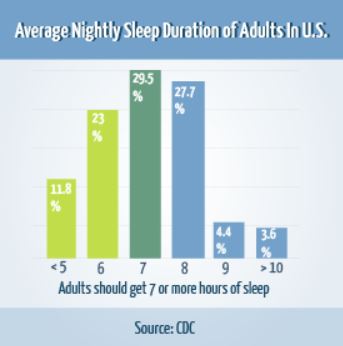 …these results indicate that sleep may play an important role in health disparities and may represent a modifiable risk factor (along with diet and physical activity) for cardiometabolic risk in general and cardiometabolic health disparities specifically.

 Boomers Daily