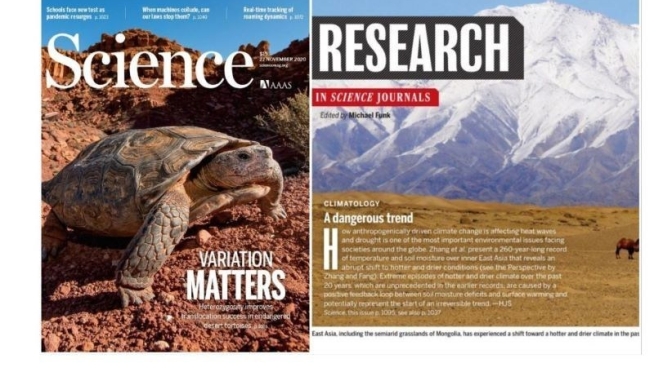


Many schools closed in the spring, during the first wave of the coronavirus pandemic. Many opened in the fall. Staff Writer Jennifer Couzin-Frankel joins host Sarah Crespi to talk about what was learned in spring about how coronavirus spreads in schools that might help keep children safe as cases surge once again.
Also this week: What makes leaves fall off deciduous trees when they do—is it the short, cold nights? Or is the timing of so-called “leaf senescence” linked to when spring happens? Sarah talked to Constantin Zohner, a lead scientist at the Institute of Integrative Biology at ETH Zurich, about his tree leaf timing study. Sarah also spoke with commentary author Christy Rollinson, a forest ecologist at the Morton Arboretum, about how important these trees and the timing of their leaf drop is for climate change. In the books segment, host Kiki Sanford talks with Ruth DeFries about her book, What Would Nature Do? A Guide for Our Uncertain Times.

Scientists have finally confirmed the existence of a CNO cycle fusion reaction in the Sun, and why women’s contraception research needs a reboot.
In this episode:
Since the 1930s it has been theorised that stars have a specific fusion reaction known as the CNO cycle, but proof has been elusive. Now, a collaboration in Italy report detection of neutrinos that show that the CNO cycle exists.
Research article: The Borexino Collaboration
News and Views: Neutrino detection gets to the core of the Sun
We discuss the search for the animal origin of SARS-CoV-2, with researchers raiding their freezer draws to see if any animals carry similar viruses, and the latest vaccine results.
News: Coronaviruses closely related to the pandemic virus discovered in Japan and Cambodia
News: Why Oxford’s positive COVID vaccine results are puzzling scientists
How sleep patterns relate to ageing, and a solar-powered steam sterilizer.
Research Highlight: For better health, don’t sleep your age
Research Highlight: Technology for sterilizing medical instruments goes solar
Since the 1960s there has been little progress on research into women’s contraceptives. This week in Nature, researchers argue that this needs to change.
Comment: Reboot contraceptives research — it has been stuck for decades
We discuss a highlight from the Nature Briefing. This time, a tool to summarise papers.
Nature News: tl;dr: this AI sums up research papers in a sentence
As the weather gets colder and people head indoors, the risk of catching Covid-19 is rising. WSJ explains why air ventilation and filtration are one of our biggest defenses against the coronavirus this winter.
Illustration: Nick Collingwood/WSJ
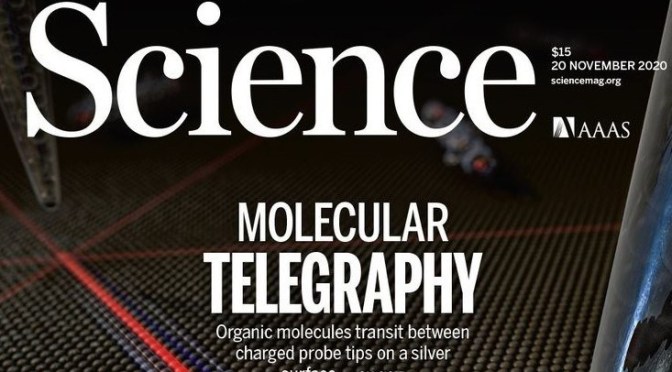
These days, about half of the protein the world’s population eats is from seafood. Staff Writer Erik Stokstad joins host Sarah Crespi to talk about how brand-new biotech and old-fashioned breeding programs are helping keep up with demand, by expanding where we can farm fish and how fast we can grow them.
Sarah also spoke with Jan Claesen, an assistant professor at the Cleveland Clinic’s Lerner Research Institute, about skin microbes that use their own antibiotic to fight off harmful bacteria. Understanding the microbes native to our skin and the molecules they produce could lead to treatments for skin disorders such as atopic dermatitis and acne. Finally, in a segment sponsored by MilliporeSigma, Science’s Custom Publishing Director and Senior Editor Sean Sanders talks with Timothy Cernak, an assistant professor of medicinal chemistry and chemistry at the University of Michigan, Ann Arbor, about retrosynthesis—the process of starting with a known chemical final product and figuring out how to make that molecule efficiently from available pieces.
The COVID-19 mortality rate is falling around the world. We discuss the reasons behind this – the role of new drugs, the treatment strategies the have been learned, or re-learned, and the ever-present worry that these hard won victories could be undone by rising infection rates.
In this episode:
00:44 An increase in survival rates
The COVID-19 mortality rate is falling around the world. We discuss the reasons behind this – the role of new drugs, the treatment strategies the have been learned, or re-learned, and the ever-present worry that these hard won victories could be undone by rising infection rates.
News Feature: Why do COVID death rates seem to be falling?
10:53 More vaccine good news
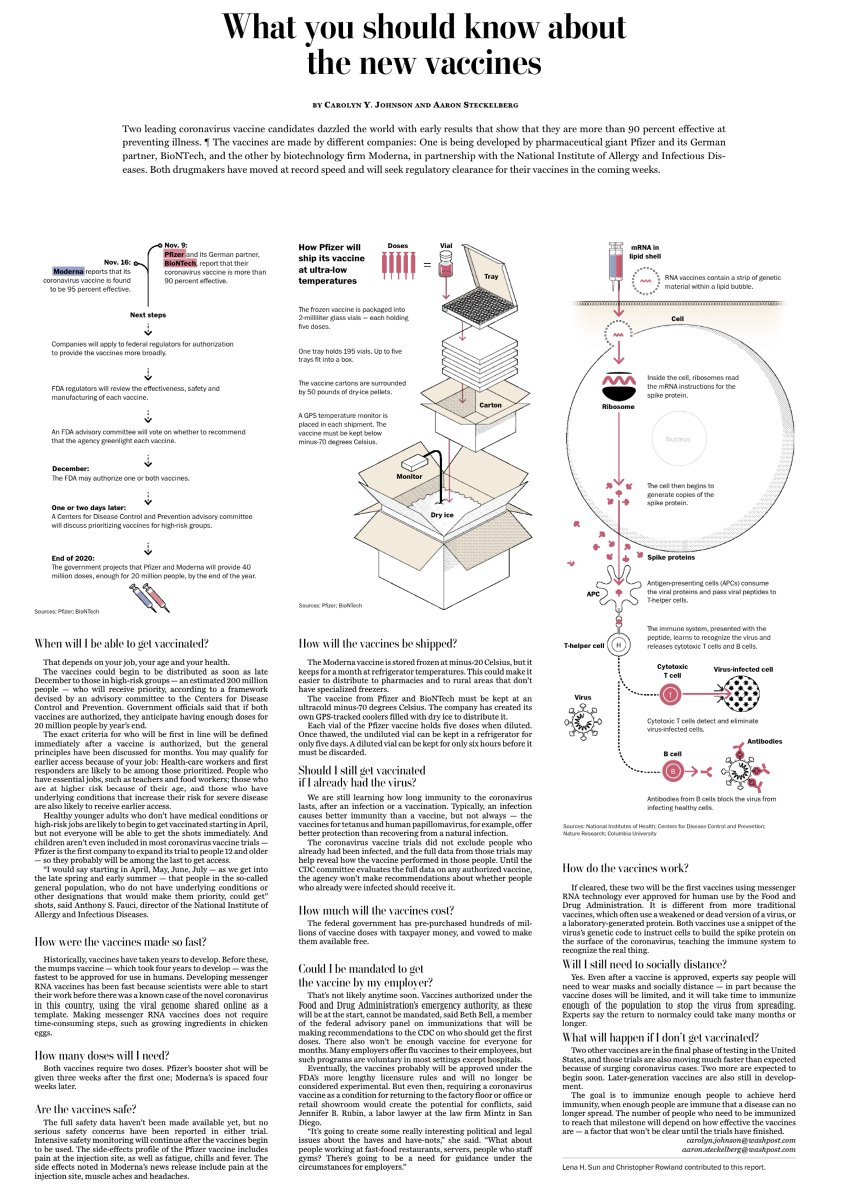
This week, Moderna released preliminary results for its COVID-19 vaccine candidate, the third positive indication from a string of vaccine announcements. Although the full data are yet to be published, do these results give us more reasons to feel hopeful?
News: COVID vaccine excitement builds as Moderna reports third positive result

Scientists have grave concerns over ethical and societal impacts of facial-recognition technology. In this surveillance special, we dig into the details.
In this episode:
03:24 Standing up against ‘smart cities’
Cities across the globe are installing thousands of surveillance cameras equipped with facial recognition technology. Although marketed as a way to reduce crime, researchers worry that these systems are ripe for exploitation and are calling for strict regulations on their deployment.
Feature: Resisting the rise of facial recognition
17:44 The ethics of researching facial recognition technology
Despite concerns surrounding consent and use, researchers are still working on facial recognition technology. Can this sort of work be justified? We hear some of the debates going on in academia about this field of research.
Feature: The ethical questions that haunt facial-recognition research
25:02 What do researchers actually think?
Nature surveyed 480 researchers who have published papers on facial recognition, AI and computer science. The results revealed that many researchers think there’s a problem.
A vaccine for covid-19 could be rolled out before the end of the year. But a worrying rise in mistrust of vaccines threatens its effectiveness. Now & Next is a series from The Economist Films: https://films.economist.com/nowandnext/




 Boomers Daily