
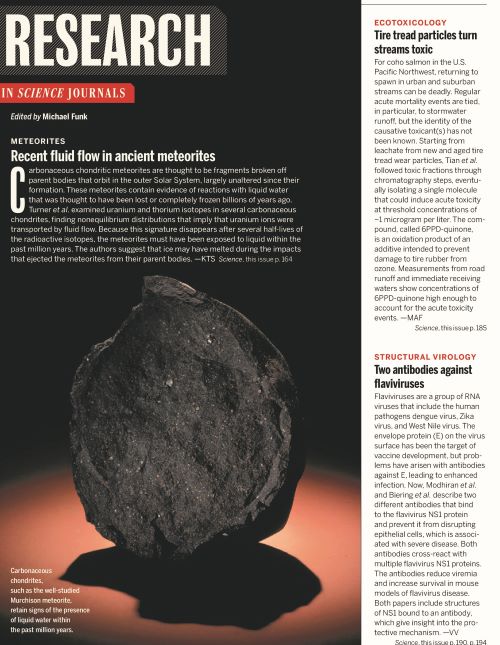
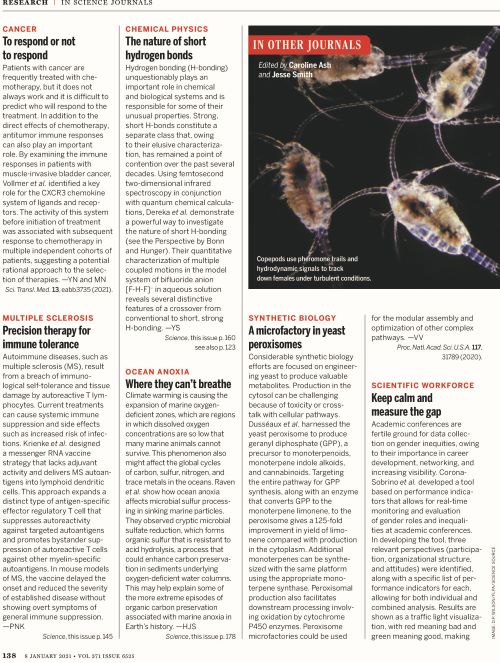

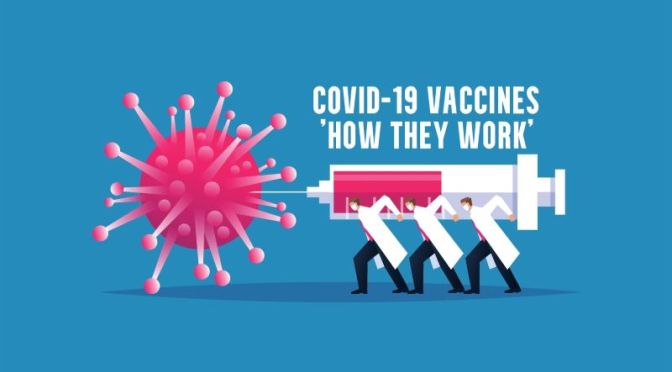
Vaccines are one of the most effective tools we have in preventing and reducing the burden of infectious diseases. In the midst of the COVID-19 pandemic, vaccines are once again poised to change the tide in our favor in the fight against a deadly virus. But how exactly do vaccines work? And are they safe? “You can think of your body’s immune system like an orchestra,” says Yale immunobiologist Akiko Iwasaki, PhD. “The different functions of the immune response are like different instruments. And vaccines work like sheet music for the orchestra, telling the immune system what to do and how to do it.” Different viruses require different types of immune responses in order to confer protection, and some of them can be complex. But with SARS-CoV-2, the virus that causes COVID-19, a simple type of response is all that’s needed to prevent infection. “You just need to trigger an antibody response where the antibodies bind to the surface of the virus and prevent it from entering our cells,” says Ruslan Medzhitov, PhD, professor of immunobiology. “And these types of vaccines tend to be extremely safe.” In addition to the inherent safety of this kind of “training” for the immune system, experts emphasize that the expedited timeline of COVID-19 vaccine development is not a reflection of lax safety standards. “Before a vaccine is approved, it goes through a rigorous amount of testing for safety and efficacy,” says Iwasaki. “So, once a vaccine is made to be publicly available, we should be lining up.” Watch this video to learn more about the fundamentals of how vaccines work, how they are developed, and the importance of vaccination for public health.
When Covid-19 sparked lockdowns around the world, emissions of one of the greenhouse gases responsible for climate change, atmospheric carbon dioxide, plummeted. But is this record drop a short-term effect of the 2020 pandemic or a ‘new normal’? BBC Weather’s Ben Rich explores the impact of coronavirus on the global climate.
Motion graphics by Jacqueline Galvin
Produced by Soraya Auer
Virologist Angela Rasmussen talks about her battle against misinformation in the media, the virus, vaccines, disinfecting surfaces, home testing, and the next pandemic.
Eric J. Topol, MD: Hello, I’m Eric Topol for Medscape, and this is Medicine and the Machine. I’m so glad to have my colleague and partner in this podcast, Abraham Verghese, with me from Stanford. Today, we have the rarefied privilege to discuss the whole pandemic story, the virus and vaccines, with one of the country’s leading virologists, Dr Angela Rasmussen. Welcome, Angie.
Angela L. Rasmussen, MA, MPhil, PhD: Thank you so much for having me, Eric. It’s wonderful to be here.
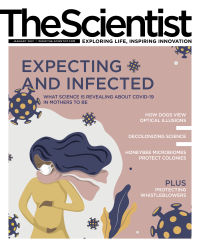
We enter 2021 surrounded by these rays of hope that the end of the pandemic might be in sight. But monumental challenges remain. Vaccine manufacture, distribution, and uptake are substantial pieces of a complex puzzle that must be completed to reach the 75–90 percent vaccination rate that global health experts say is key to stopping the spread.
And the virus itself is almost sure to change as it infects more people, possibly becoming more transmissible or dangerous. For instance, as I write this in late December 2020, public health officials in the UK are reporting the rapid spread of a new strain of SARS-CoV-2 that seems to be highly infectious.
This is a perfect example of the continued surprises this pandemic may yet throw at us. But virologists, epidemiologists, drug developers, and other scientists will continue to band together to study this virus and share information that can help humanity address this and future issues appropriately. In addition to careful monitoring of the virus as it mutates and spreads, I fully expect there to be regular monitoring of vaccinated individuals, further refinement of vaccine, and continued development of new COVID-19 therapies. And I can promise that The Scientist will continue to track these developments closely and provide up to date and accurate information about the COVID-19 pandemic and other scientific issues in 2021 and beyond.

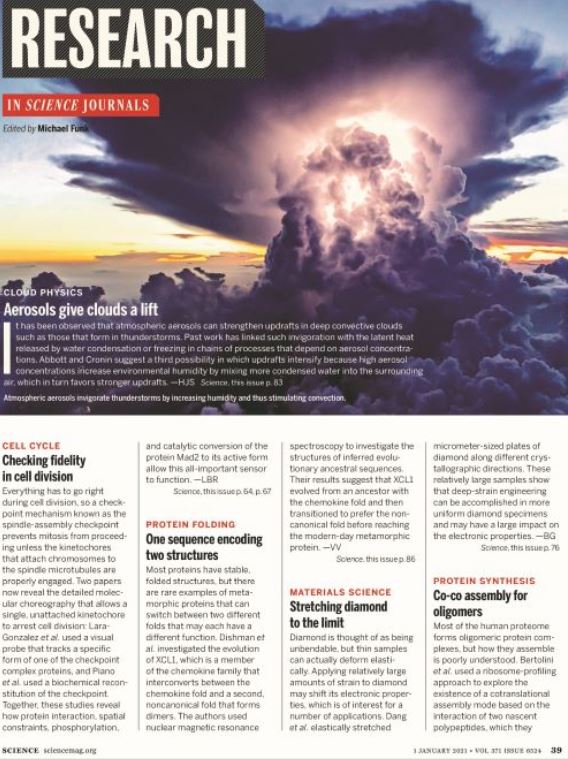
We kick off our first episode of 2021 by looking at future trends in policy and research with host Meagan Cantwell and several Science news writers. Ann Gibbons talks about upcoming studies that elucidate social ties among ancient humans, Jeffrey Mervis discusses relations between the United States and China, and Paul Voosen gives a rundown of two Mars rover landings.
In research news, Meagan Cantwell talks with Leda Kobziar, an associate professor of wildland fire science at the University of Idaho, Moscow, about the living component of wildfire smoke—microbes. The bacteria and fungi that hitch a ride on smoke can impact both human health and ecosystems—but Kobziar says much more research is needed.
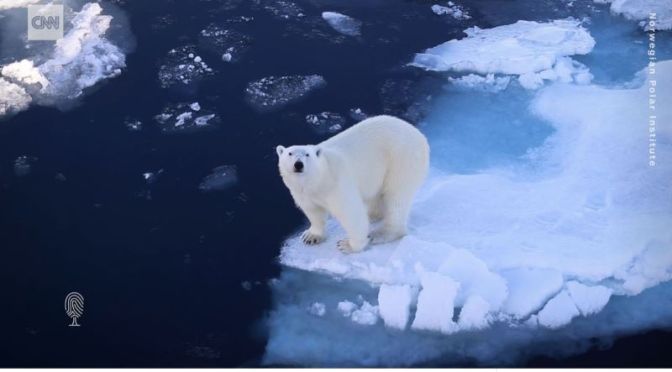
Every morning, Jon Aars, a senior researcher at the Norwegian Polar Institute, receives a batch of emails from several female polar bears in the High Arctic, checking in and letting him know where they are. “It’s always a nice way to start the day,” he says.
This was shot as part of Call to Earth, for CNN International.
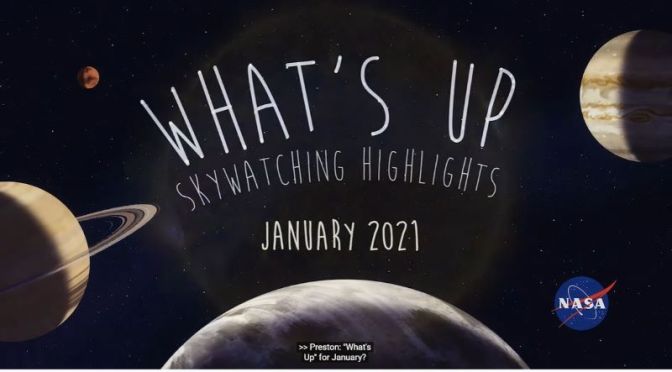
What are some skywatching highlights in January 2021? Mark Earth’s closest approach to the Sun for the year, called perihelion, at the start of the month, then spot a couple of elusive planets: Uranus on Jan. 20th and Mercury throughout the second half of the month. Additional information about topics covered in this episode of What’s Up, along with still images from the video, and the video transcript, are available at https://solarsystem.nasa.gov/whats-up….
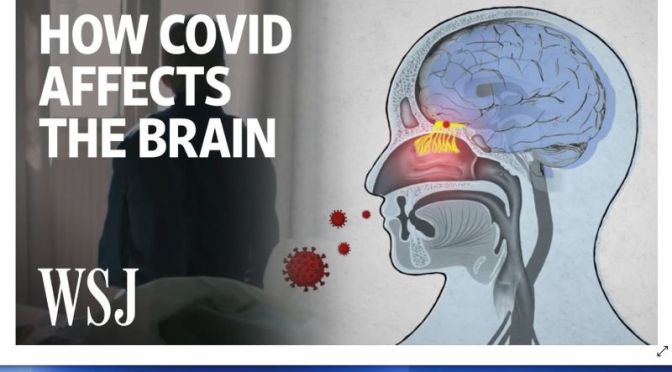
New research could help explain why thousands of Covid-19 survivors are facing debilitating neurological symptoms months after initially getting sick. WSJ breaks down the science behind how the coronavirus affects the brain, and what this could mean for long-haul patients. Illustration: Nick Collingwood/WSJ

 Boomers Daily