Category Archives: Science

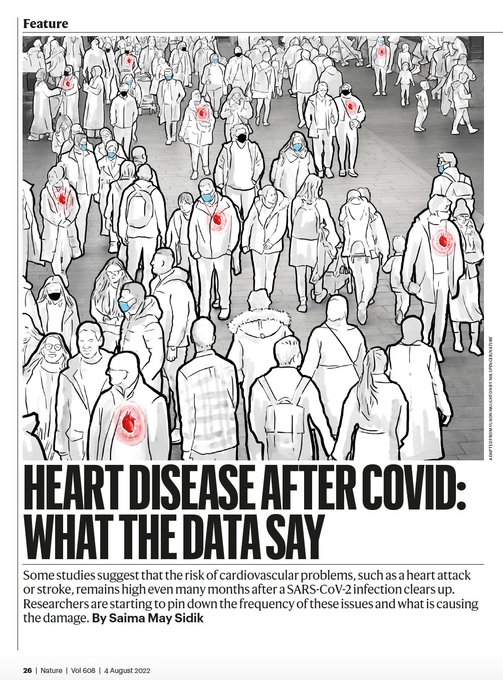
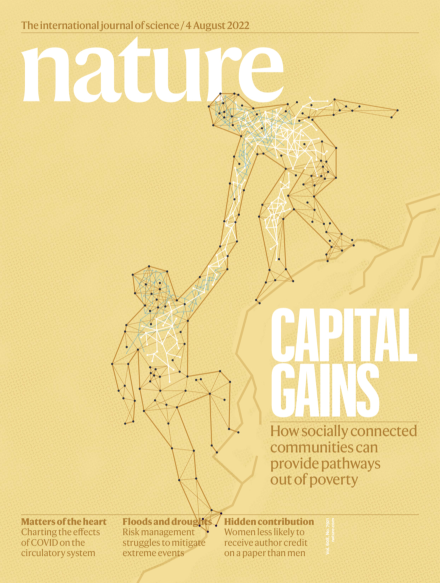
Covid-19: Heart Disease Risks Rise After Infection

Image
Image

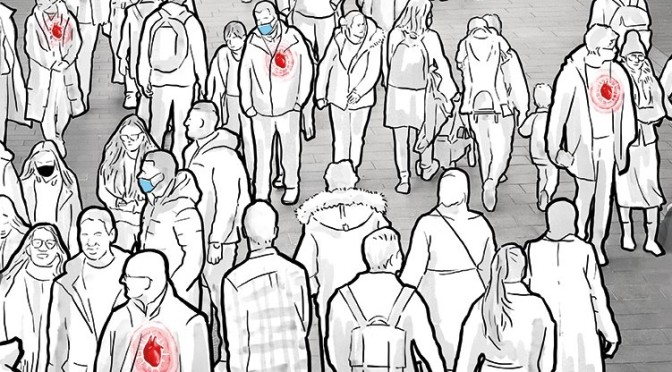
In December 2020, a week before cardiologist Stuart Katz was scheduled to receive his first COVID-19 vaccine, he came down with a fever. He spent the next two weeks wracked with a cough, body aches and chills. After months of helping others to weather the pandemic, Katz, who works at New York University, was having his own first-hand experience of COVID-19.

On Christmas Day, Katz’s acute illness finally subsided. But many symptoms lingered, including some related to the organ he’s built his career around: the heart. Walking up two flights of stairs would leave him breathless, with his heart racing at 120 beats per minute. Over the next several months, he began to feel better, and he’s now back to his normal routine of walking and cycling. But reports about COVID-19’s effects on the cardiovascular system have made him concerned about his long-term health. “I say to myself, ‘Well, is it really over?’” Katz says.

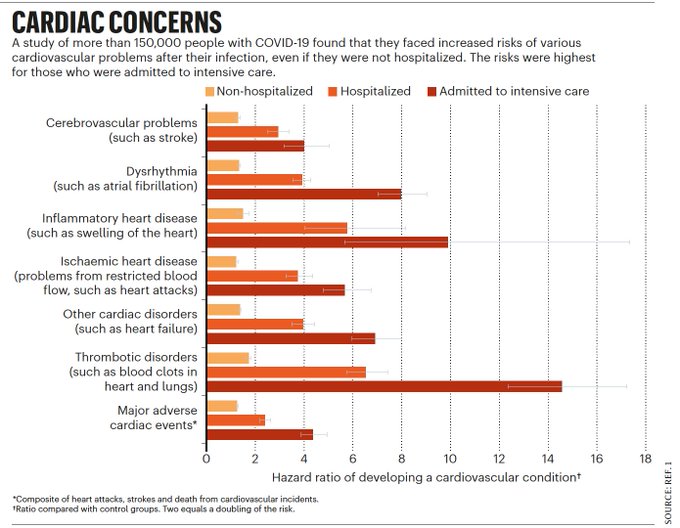
In one study1 this year, researchers used records from the US Department of Veterans Affairs (VA) to estimate how often COVID-19 leads to cardiovascular problems. They found that people who had had the disease faced substantially increased risks for 20 cardiovascular conditions — including potentially catastrophic problems such as heart attacks and strokes — in the year after infection with the coronavirus SARS-CoV-2. Researchers say that these complications can happen even in people who seem to have completely recovered from a mild infection.

Some smaller studies have mirrored these findings, but others find lower rates of complications. With millions or perhaps even billions of people having been infected with SARS-CoV-2, clinicians are wondering whether the pandemic will be followed by a cardiovascular aftershock. Meanwhile, researchers are trying to understand who is most at risk of these heart-related problems, how long the risk persists and what causes these symptoms.

Read more

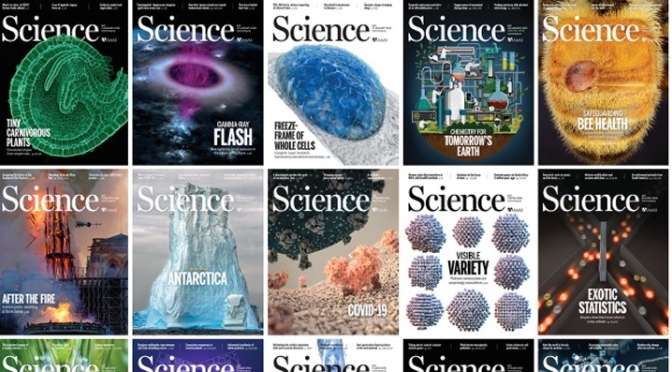
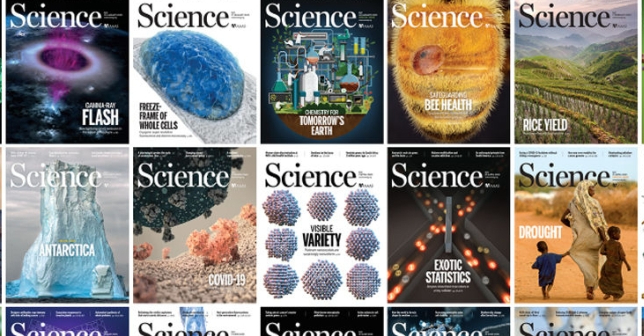
Cover Previews: Science Magazine – July 29, 2022

Image

Surprise virus tied to pediatric hepatitis cases

Two viruses plus a child’s genetic background may explain a recent surge in the United Kingdom

NSF grant decisions reflect systemic racism, study argues

Success rates for white scientists far exceed the NSF average, whereas Black and Asian researchers do worse

Ancient Europeans farmed dairy—but couldn’t digest milk

Giant study of ancient pottery and DNA challenges common evolutionary explanation for lactase persistence

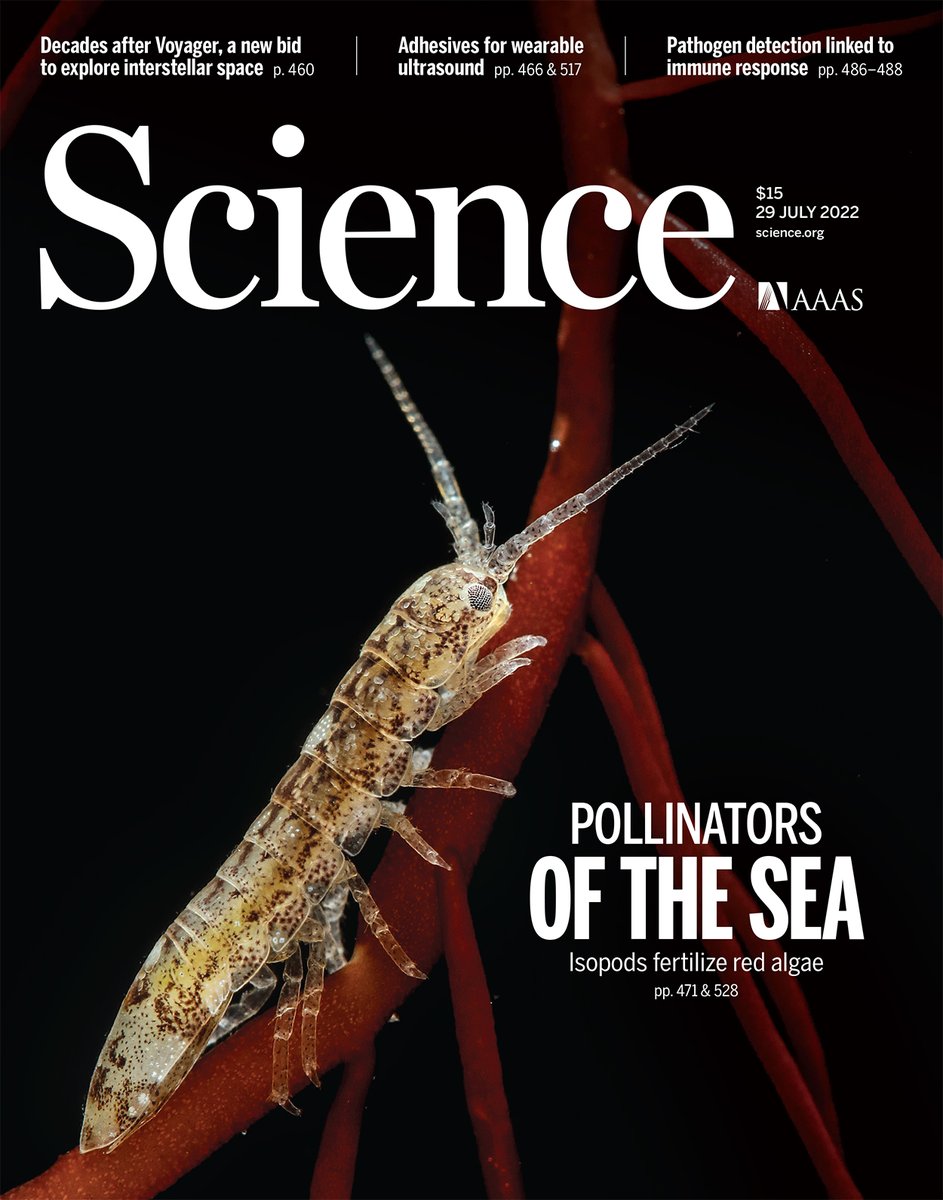
A small marine isopod plays a role in fertilizing red seaweed, according to a new report that presents evidence of animal-mediated “pollination” in the marine environment. Read that study and more this week in Science: https://fcld.ly/fhhe8ba

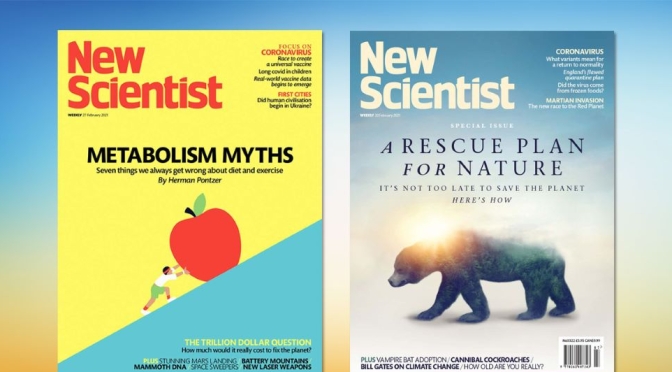
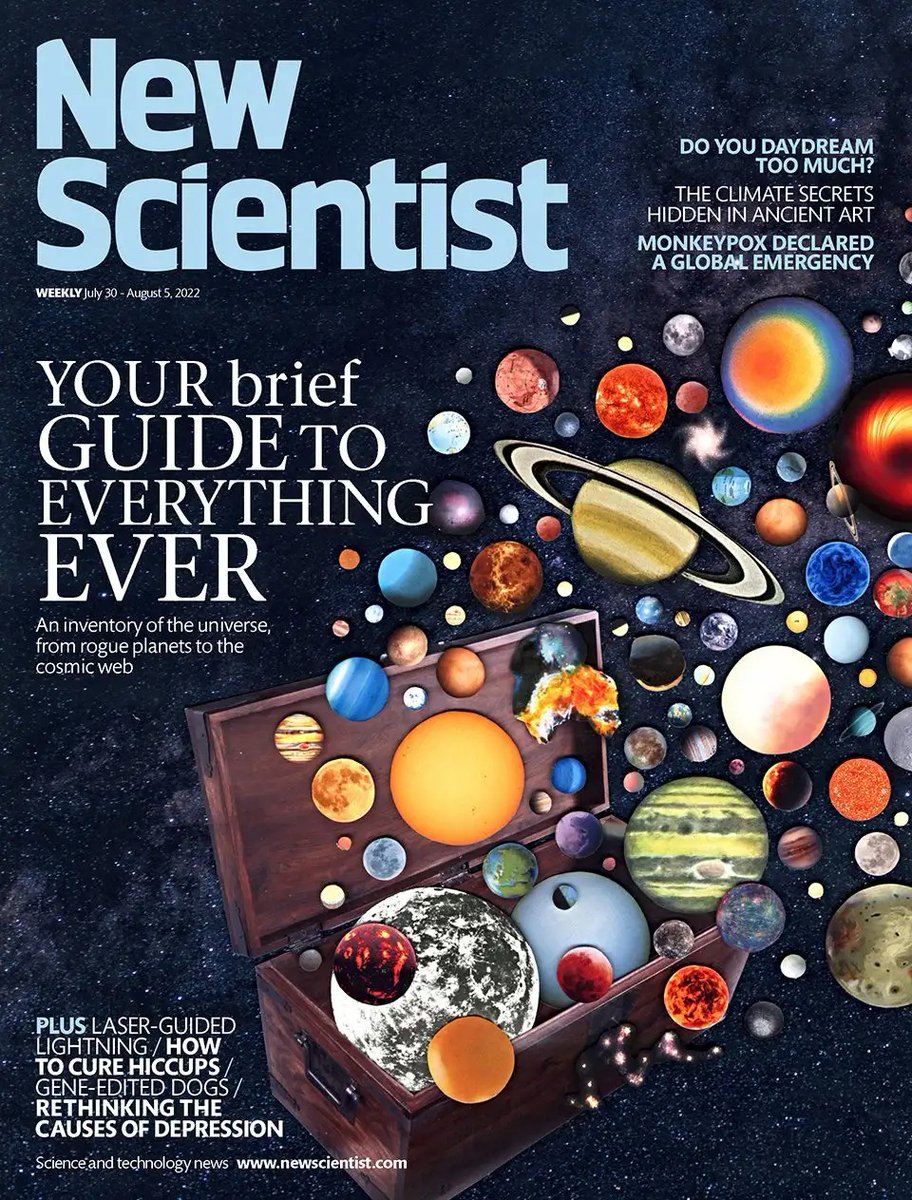
Previews: New Scientist Magazine – July 30, 2022

Image

COVER STORIES

  • FEATURES – Your essential guide to the many breathtaking wonders of the universe
  • FEATURES – Daydreaming has a dark side – is your fantasising holding you back?
  • NEWS – No link between depression and serotonin, finds major analysis

Grab a copy from newsstands now or get our app to download digital and audio editions. https://newscientist.com/issue/3397/

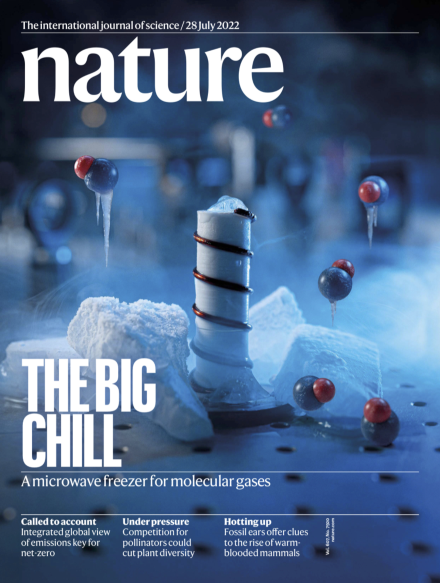
Science Previews: Nature Magazine – July 28, 2022

Volume 607 Issue 7920

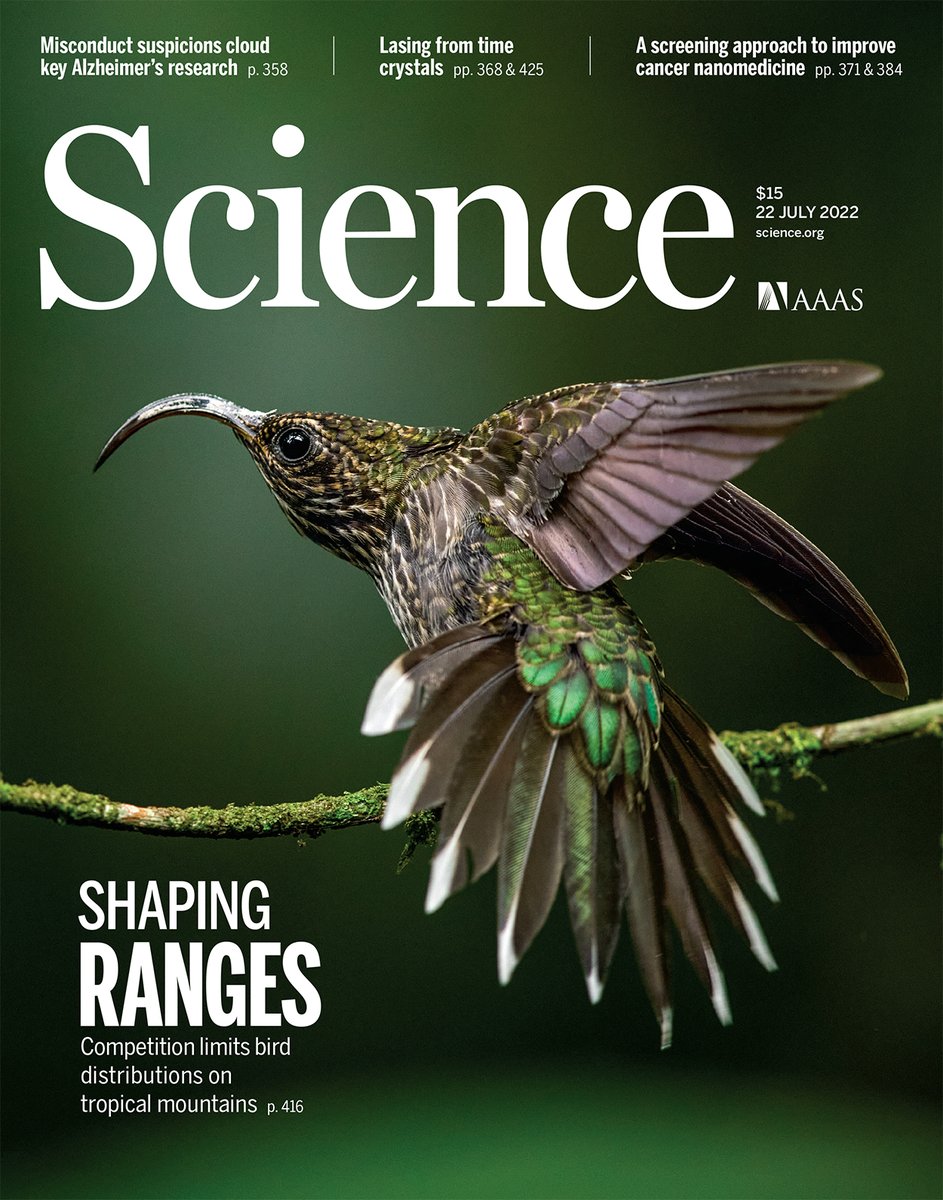
Cover Preview: Science Magazine – July 22, 2022

Image

Species tend to live in narrower slices of mountainside on tropical versus temperate mountains. Stronger competition in the tropics explains this pattern for birds. For example, the habitable range of this white-tipped sicklebill (Eutoxeres aquila) is limited as a result of competition with its close relative, the buff-tailed sicklebill (Eutoxeres condamini). See page 416.

As Omicron rages on, virus’ path remains unpredictable

Fast-spreading subvariants are coming and going. But an entirely new variant could still emerge

Cleaner air is adding to global warming

Satellites capture fall in light-blocking pollution

Consortium seeks to expand human gene catalog

Finding sequences that code for short proteins could add thousands of genes

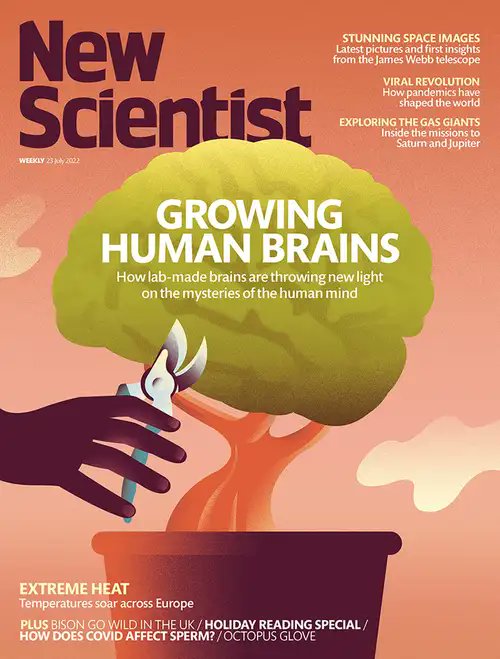
Preview: New Scientist Magazine – July 23, 2022

Image

What lab-grown ‘mini-brains’ are revealing about this mysterious organ

Blobs of human brain cells cultivated in the lab, known as brain organoids or “mini-brains”, are transforming our understanding of neural development and disease. Now, researchers are working to make them more like the real thing

  • FEATURES – Historical plagues led to revolutions – could coronavirus do the same?
  • FEATURES – Scott Bolton on his missions to the gas giants of the solar system
  • FEATURES – What lab-grown ‘mini-brains’ are revealing about this mysterious organ

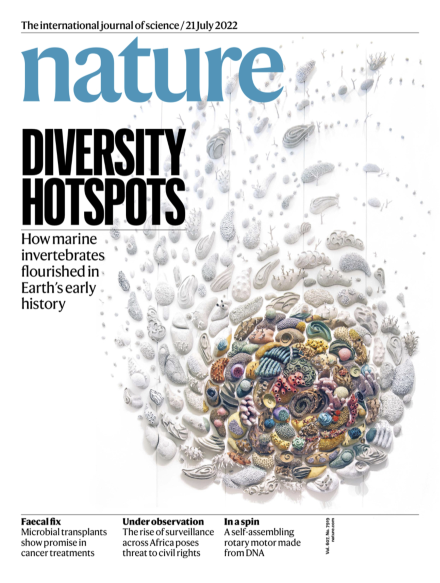
Cover Preview: Nature Magazine – July 21, 2022

Volume 607 Issue 7919

The cover shows an artistic impression of marine life in Indonesia’s coral reefs. The question of whether there are limits to biodiversity in the seas is typically addressed by examining the fossil record. In this week’s issue, Pedro Cermeño and his colleagues present a model that combines the fossil record with plate tectonics and Earth’s environmental conditions to offer insight into regional diversification of marine invertebrates. The researchers used the model to examine how biodiversity recovered after mass extinctions during the Phanerozoic eon, covering

 some 500 million years of Earth’s history. They found that throughout the Phanerozoic, less than 2% of area of the globe covered by water showed signs of diversity levels reaching saturation. The team also note that as Pangaea broke up into continents, the stability of Earth’s environmental conditions allowed the development of diversity hotspots that helped to drive an increase in biodiversity in the late Mesozoic and Cenozoic eras.


Cover Preview: Scientific American – August 2022

Mystery, Discovery and Surprise in the Oceans
Credit: Scientific American, August 2022

Mystery, Discovery and Surprise in the Oceans

Bizarre sea creatures, a new view of the ocean, the race to the moon, and more

We humans may think of ourselves, or possibly beetles, as typical Earthlings, but to a first approximation, life on Earth exists in the sea. And what spectacular life! Our special package on the oceans is teeming with images of eerie, delicate, elaborate, glowing and occasionally kind of frightening creatures that have rarely been seen by terrestrial species. The in-depth report was guided by sustainability senior editor Mark Fischetti along three main themes: mystery, discovery and surprise.

Cover Preview: Science Magazine – July 15, 2022

Image

SCIENCE – 15 JUL 2022

COVER: Voltage pulses from the tip of a scanning probe microscope induce single-molecule chemical reactions with selectivity and reversibility. Different constitutional isomers (distinguished here in shades of red, orange, and yellow) are selected by the polarity and magnitude of the voltage pulse. The findings advance the understanding of tip-induced chemistry and reduction-oxidation reactions in general. See pages 261 and 298.

Check out what’s new this week in Science: https://fcld.ly/uc4b5kh