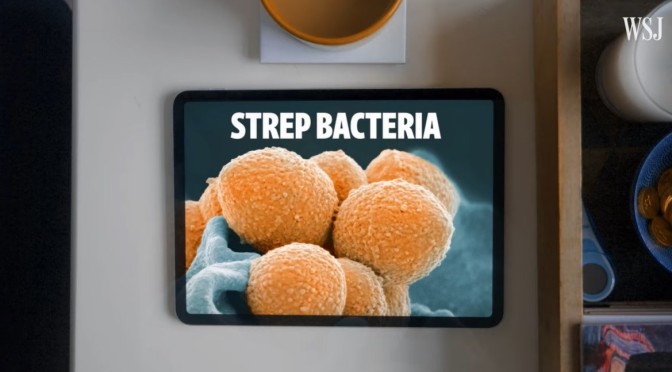

Video timeline: 0:24 – Flu Damage 1:25 – Lower population immunity 2:03 – Who’s most vulnerable? 3:05 – How can we protect ourselves?

Video timeline: 0:24 – Flu Damage 1:25 – Lower population immunity 2:03 – Who’s most vulnerable? 3:05 – How can we protect ourselves?
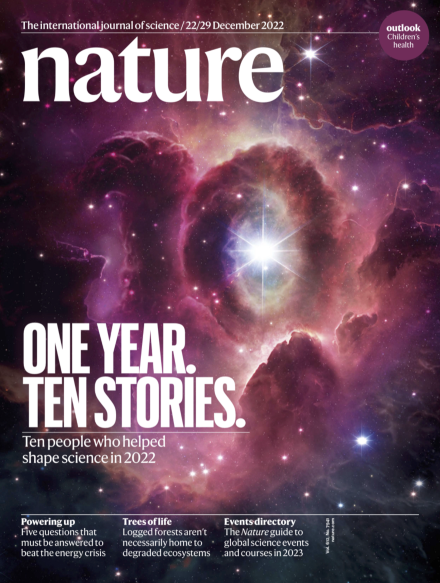

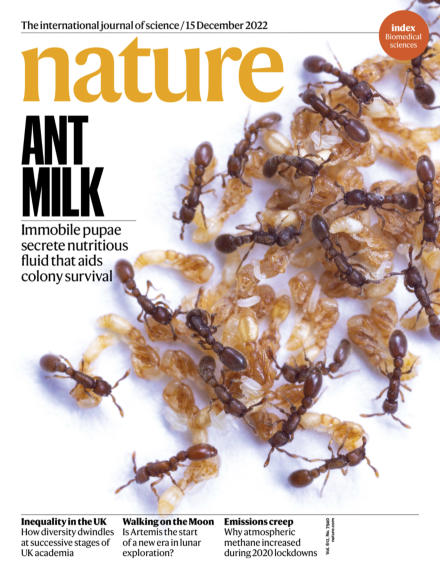
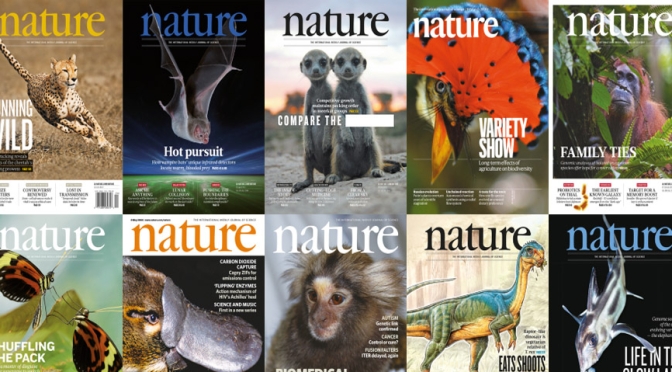
As 2022 enters its final weeks, we look back on the past 12 months through the lens of Nature’s 10 — ten people who helped to shape science during the year. The cover takes its inspiration from the stunning images that have so far emerged from the James Webb Space Telescope. Launched on Christmas Day 2021, the telescope sent its first image back to Earth this summer and has since provided astronomers with views of the Universe in unprecedented detail.
Experiments on mice suggest that gut bacteria contribute to the post-diet rebound of fat tissue.
Chemical analysis of rare gems suggests that seawater played a part in their creation.
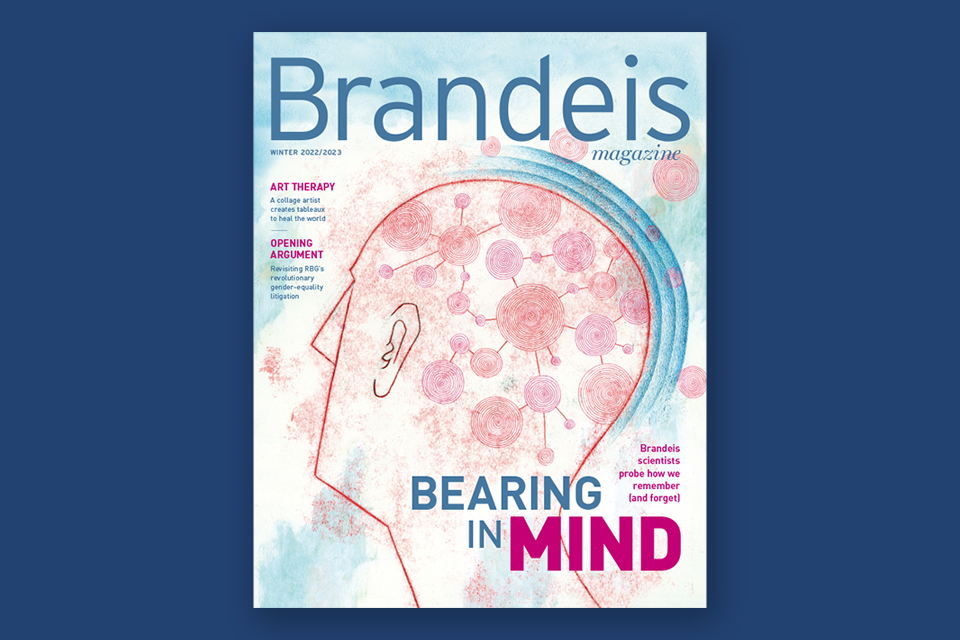

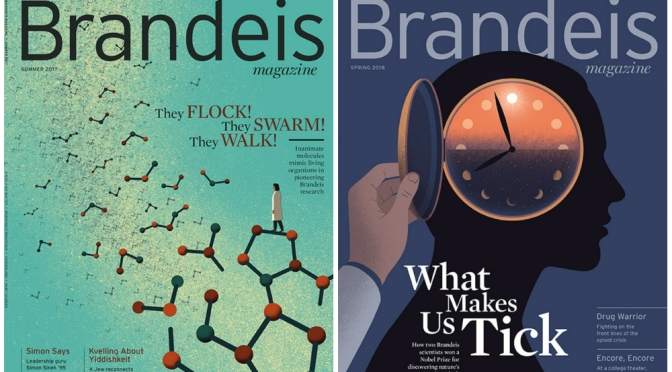
Brandeis Magazine (Winter 2022/2023):
How are memories created and preserved? Brandeis scientists are studying the brain to find out — and, ultimately, untangle disorders like Alzheimer’s and dementia.

In the 1970s, lawyer Ruth Bader Ginsburg developed an unusually successful strategy for fighting sex discrimination.

An analysis of patent data offers a window into human creativity.
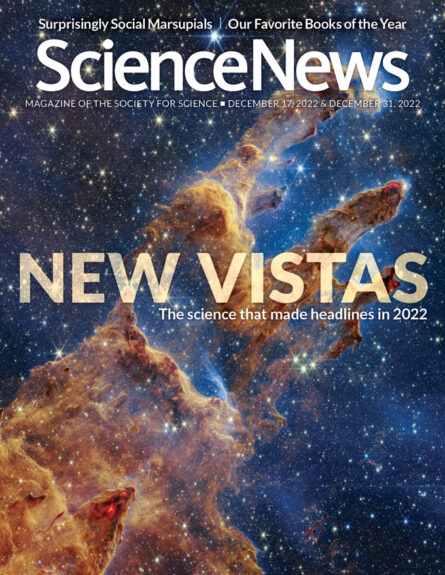

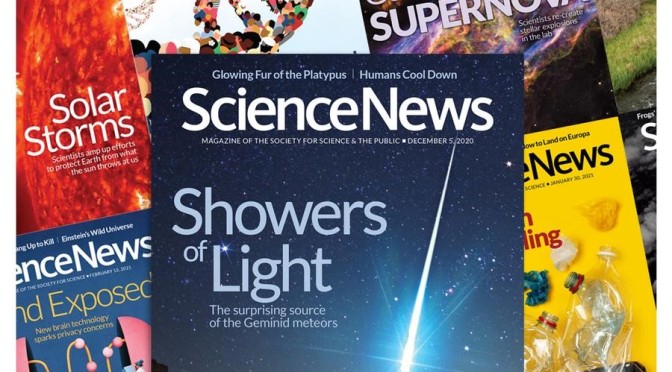
Science News looks back at some of the most stunning images from the James Webb telescope’s first year in space.

National Geographic recently spoke with Cameron from New Zealand about the science and technology of The Way of Water. What inspired these creatures, and how did Cameron and his team bring them to life?
Read the article to find out: https://on.natgeo.com/3VWciu5
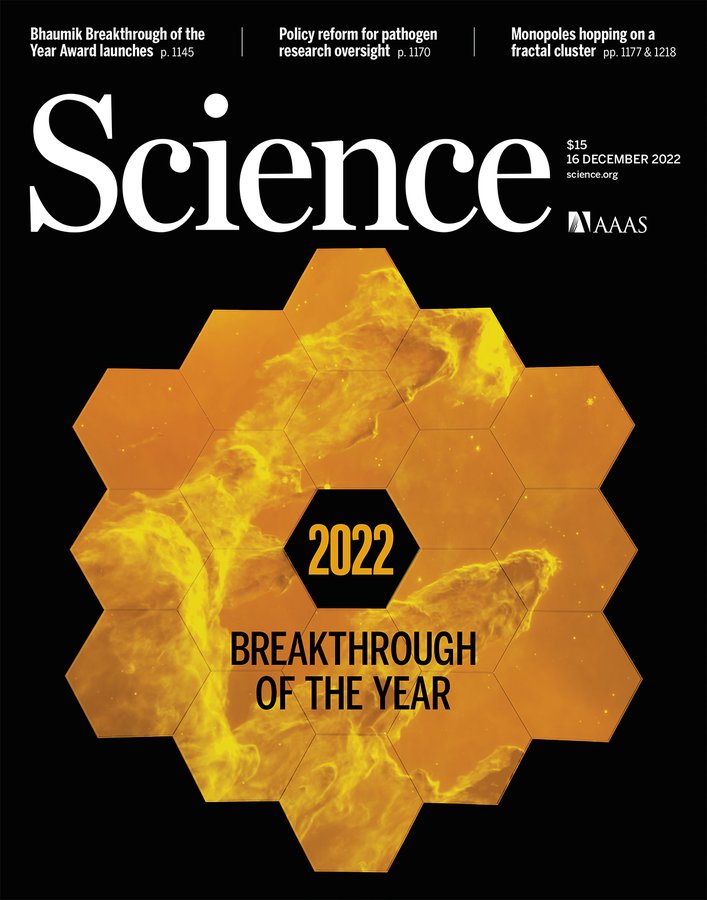

A new space telescope makes a spectacular debut after a troubled gestation

Seen with JWST’s midinfrared instrument, the newborn stars of the Tarantula nebula fade into the background while clouds of dust and gas take center stage, including hydrocarbons that will later form planets.NASA; ESA; CSA; STSCI; WEBB ERO PRODUCTION TEAM

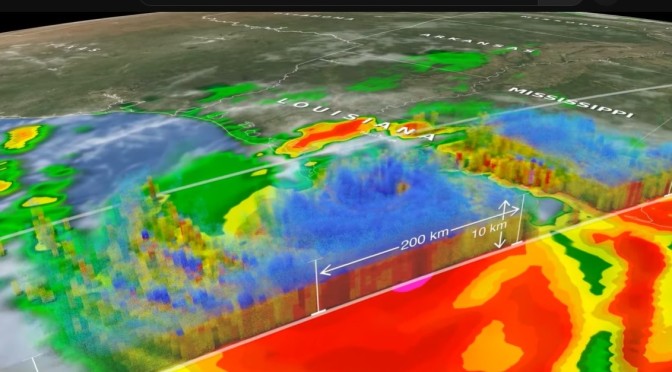
These observations will address the most pressing questions about our changing planet. Taken together as a single Observatory, NASA will have a holistic, 3D view of Earth to better understand how our planet’s complex systems work together and improve our capability to predict how our climate may change.
NASA’s Open Source Science strategy is the key to bringing the data from these missions together into a single observatory to help understand the earth as a system and accelerate our ability to use this understanding. These observations will better inform decision-makers on how our planet is changing, with greater precision on previously unimaginable scales – from entire continents down to individual trees, from atmosphere to bedrock.


It turns out reindeers’ amazing night vision is thanks to a strange ‘mirror’ in their eyes called the tapetum lucidum that is extra sensitive to UV light
The USS Monitor, an iconic piece of military history, sank 160 years ago. Now a marine sanctuary, the wreck has become an unlikely testbed for ocean conservation
The Double Asteroid Redirection Test aimed to change the orbit of the space rock Dimorphos, and it did so perfectly
Scientists refine a technology that peers through bone to image sub-surface body parts.
Two carved panels discovered in what is now Turkey illustrate a tale involving leopards and a bull.
Immune-cell-based therapy quashed tumour growth in some people with treatment-resistant melanoma.
Rapid growth in a city in Central Africa is causing a landslide to speed up.
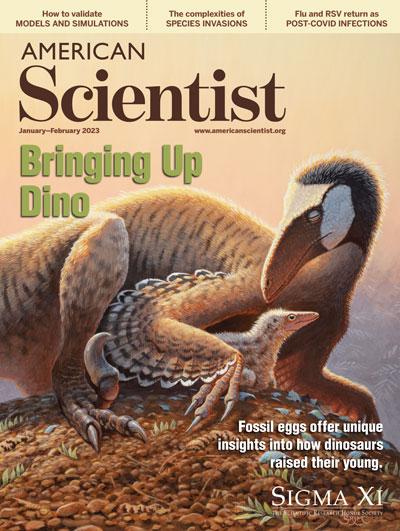

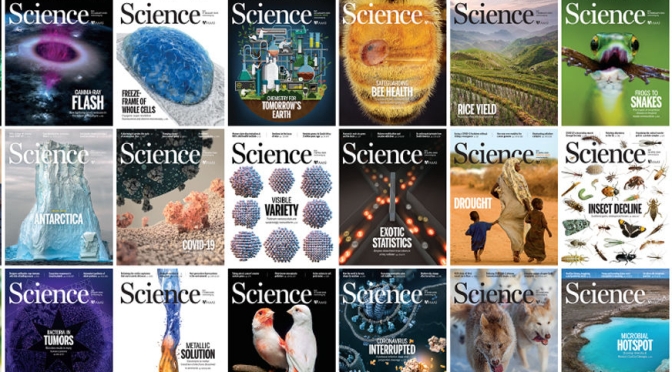
In “A New Picture of Dinosaur Nesting Ecology” (Perspective), paleontologist Daniel T. Ksepka offers an overview of these sweeping advances in his field, showcasing the spectrum of reproductive traits among the dinosaurs, often with surprising mixes of reptilian and avian traits.
Groundbreaking innovations may appear to be strokes of genius, but they are most often the product of context, consequence, and coincidence.
Originally thought of as simply harmful to native plants, this invasive herb has been spreading for far more complex reasons.

 Boomers Daily