‘Science Magazine – August 29, 2024: The new issue features‘Micronuclear Collapse’ – Mitochondria-derived reactive oxygen species disrupt micronuclear envelopes…
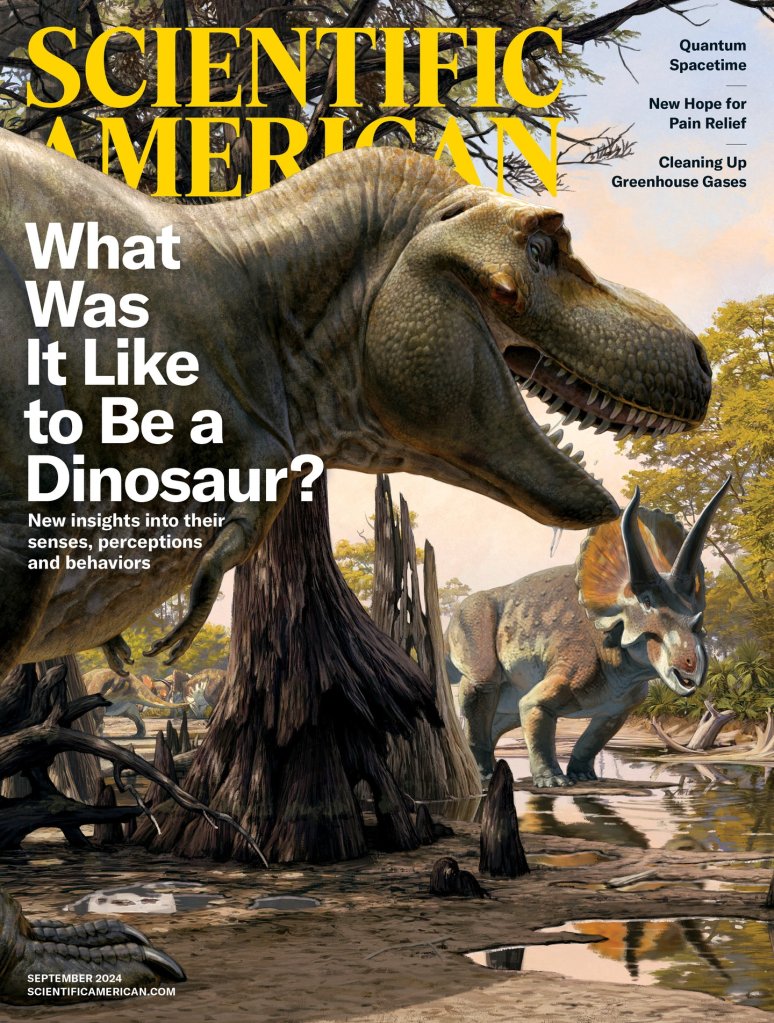
Scientific American (August 21, 2024): The September 2024 issue features ‘What Was It Like To Be A Dinosaur? – New insights into their senses, perceptions and behaviors…
New fossils and analytical tools provide unprecedented insights into dinosaur sensory perception by Amy M. Balanoff, Daniel T. Ksepka
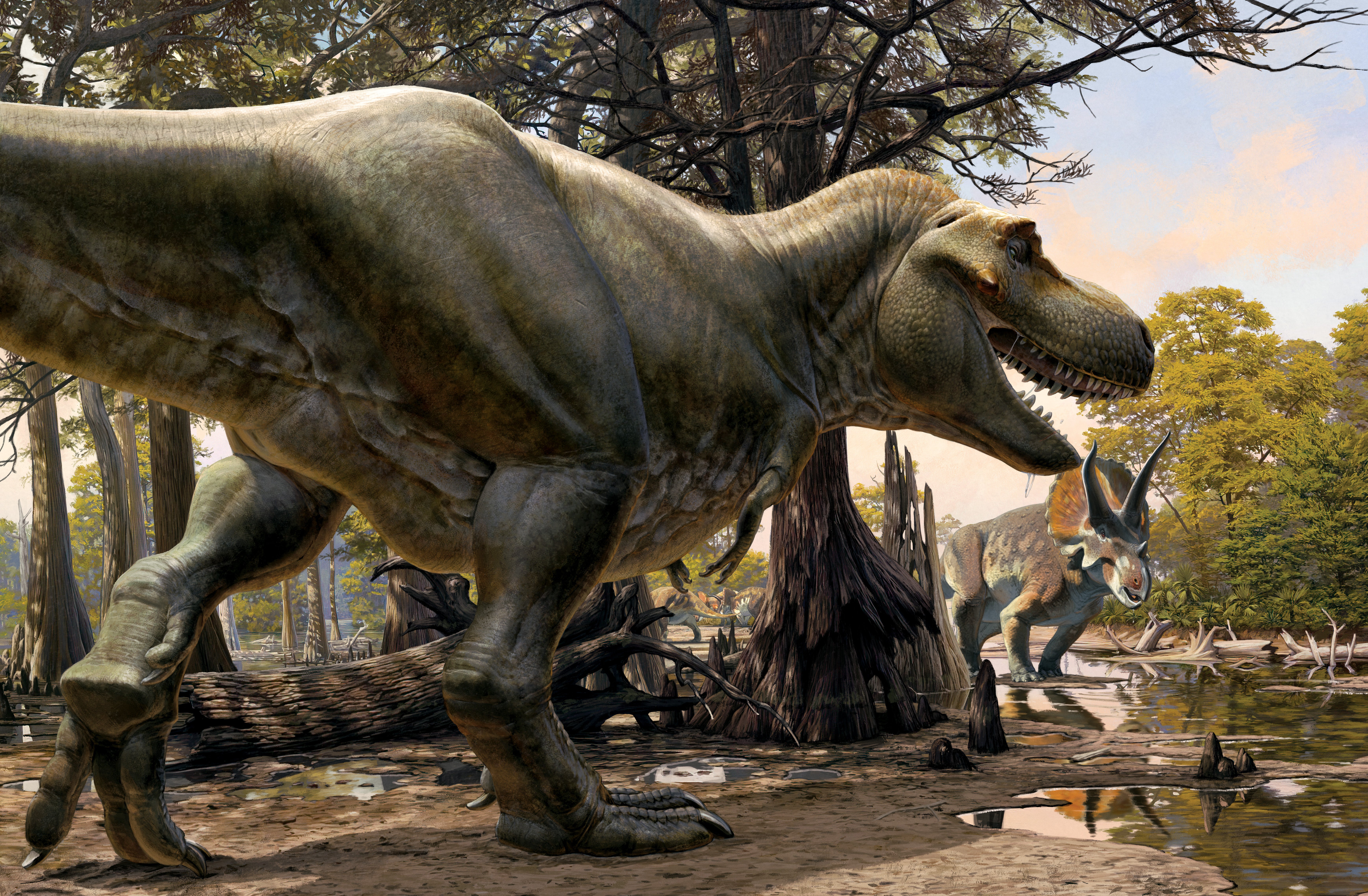
Alone Tyrannosaurus rexsniffs the humid Cretaceous air, scenting a herd of Triceratops grazing beyond the tree line. As the predator scans the floodplain, its vision suddenly snaps into focus. A single Triceratops has broken off from the herd and wandered within striking distance. Standing motionless, the T. rex formulates a plan of attack, anticipating the precise angle at which it must intersect its target before the Triceratops can regain the safety of the herd. The afternoon silence is shattered as the predator crashes though the low branches at the edge of the forest in hot pursuit.
T. rex has hunted Triceratops in so many books, games and movies that the encounter has become a cliché. But did a scene like this one ever unfold in real life? Would T. rex identify its prey by vision or by smell? Would the Triceratops be warned by a loudly cracking branch or remain oblivious because it was unable to locate the source of the sound? Could T. rex plan its attack like a cat, or would it lash out indiscriminately like a shark?
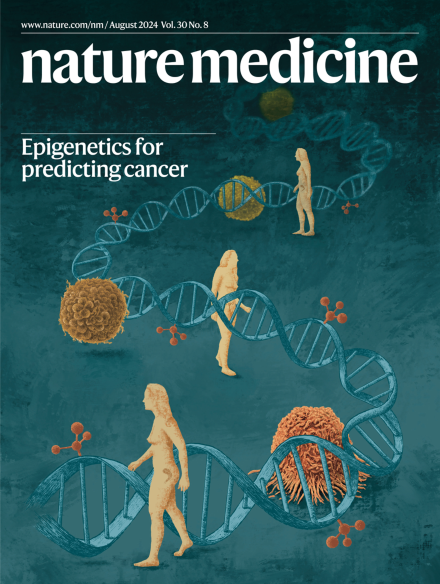
Genomics-based newborn screening has the potential to revolutionize healthcare, but new solutions are needed to ensure that the benefits are equitably available.
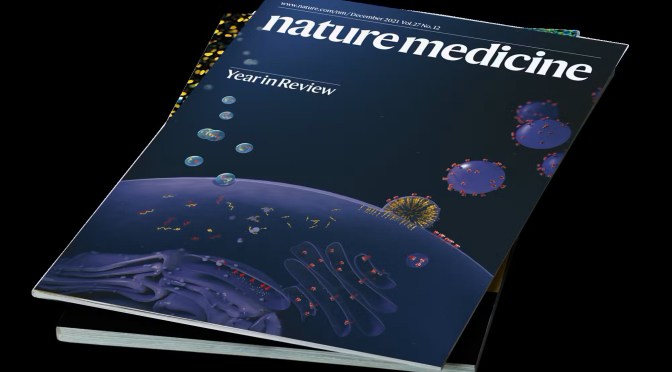
Dozens of clinical trials are testing new mRNA vaccines, using machine learning to identify antigens, and embracing new technologies such as self-amplifying RNA.
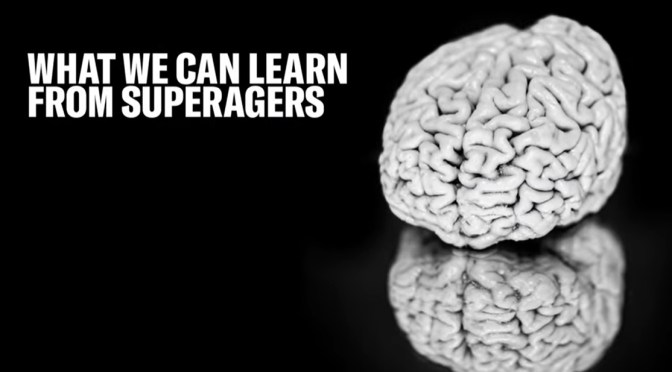
Northwestern University (August 19, 2024): By studying older individuals with exceptional memories, the Northwestern SuperAging Program advances our understanding of the aging brain — and why some stay younger than their peers.
Tamar Gefen, Molly Mather, Robert Vassar and many more at Feinberg’s Mesulam Center are on a mission to end Alzheimer’s disease and combat all forms of neurodegenerative disease.
Climate change is putting parasites — the unseen pests running our planet — in peril, but a small band of scientists is fighting to save them from extinction. By Kate Golembiewski
What Goes On Inside the Mind of a Dog?
Help researchers understand the underpinnings of dog personality and behavior with these Citizen Science projects.
‘Science Magazine – August 15, 2024: The new issue features‘Transmission Event’ – Digital contact tracing for Covid-19; What kind of asteroid killed the dinosaurs; Access to safe drinking water is far from universal; Lessons from nonhuman primates on speech evolution…












 Boomers Daily