
Category Archives: Reviews

Previews: The Economist Magazine – June 3, 2023

Image

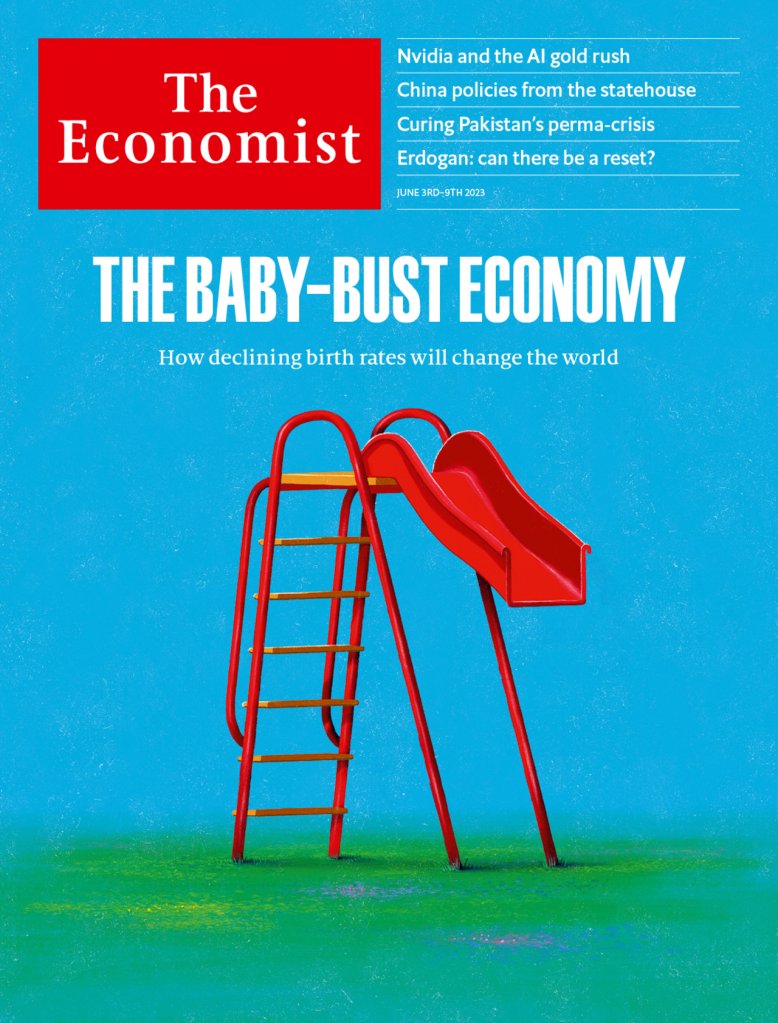
The Economist Magazine– June 3, 2023 issue: The baby-bust economy: How declining birth rates will change the world.

Global fertility has collapsed, with profound economic consequences

What might change the world’s dire demographic trajectory?

In the roughly 250 years since the Industrial Revolution the world’s population, like its wealth, has exploded. Before the end of this century, however, the number of people on the planet could shrink for the first time since the Black Death. The root cause is not a surge in deaths, but a slump in births. Across much of the world the fertility rate, the average number of births per woman, is collapsing. Although the trend may be familiar, its extent and its consequences are not. Even as artificial intelligence (ai) leads to surging optimism in some quarters, the baby bust hangs over the future of the world economy.

How to make the re-election of Recep Tayyip Erdogan less bad news

Turkish President and People's Alliance's presidential candidate Recep Tayyip Erdogan gestures to supporters at the presidential palace, in Ankara, Turkey, Sunday, May 28, 2023. Turkey President Recep Tayyip Erdogan won reelection Sunday, extending his increasingly authoritarian rule into a third decade as the country reels from high inflation and the aftermath of an earthquake that leveled entire cities. (AP Photo/Ali Unal)

There is a chance for a partial reset

It certainly wasn’t fair. Nor was it entirely free. But, like it or not, the victory on May 28th of Recep Tayyip Erdogan in Turkey’s presidential election is a fact. For the next five years Turkey, Europe and the wider world will have to deal with a prickly and authoritarian populist. That is bad news on many fronts: economically, democratically and regionally. And yet pragmatists have a duty to search for chinks of light in the gloom.

It’s not just a fiscal fiasco: greying economies also innovate less

That compounds the problems of shrinking workforces and rising bills for health care and pensions

“Adam is a special child,” says the voice-over, as the camera pans across abandoned classrooms and deserted maternity wards. “He’s the last child born in Italy.” The short film made for Plasmon, an Italian brand of baby food owned by Kraft-Heinz, a giant American firm, is set in 2050. It imagines an Italy where babies are a thing of the past. It is exaggerating for effect, of course, but not by as much as you might imagine. The number of births in Italy peaked at 1m in 1964; by 2050, the un projects, it will have shrunk by almost two-thirds, to 346,000.
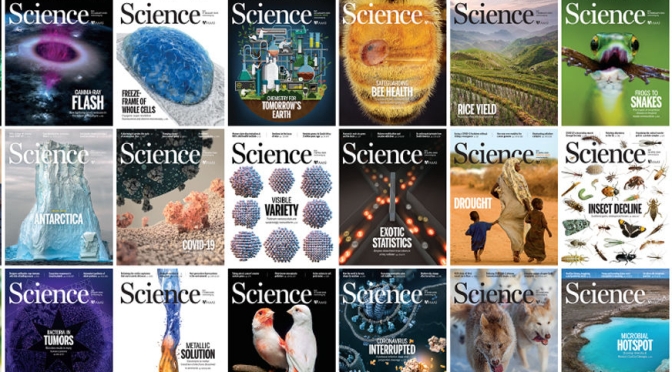
Research Preview: Science Magazine – June 2, 2023

Image

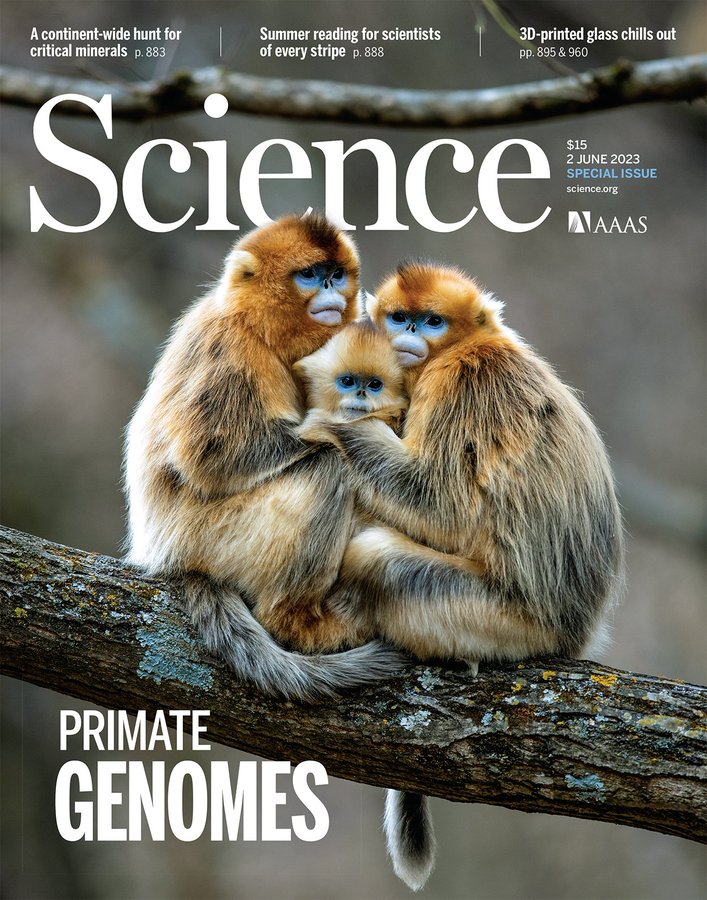
Science Magazine – June 2, 2023 issue: The snub-nosed monkey genus Rhinopithecus comprises five allopatric and morphologically differentiated species, the black-white snub-nosed monkey, the black snub-nosed monkey , the golden snub-nosed monkey, the gray snub-nosed monkey, and the Tonkin snub-nosed monkey. 

Understanding our own order

Humans are primates. If we weren’t able to do things like write poetry and drive cars, we would likely be classified as another species of great ape, along with our closest cousins—chimpanzees, bonobos, gorillas, and orangutans. Thus, understanding the genomes, evolutionary history, sociality, and, some might argue, even ecology of modern primates greatly informs our understanding of ourselves.

A cool path for making glass

Brent Grocholski

Printing glass with additive manufacturing techniques could provide access to new materials and structures for many applications. However, one key limitation to this is the high temperature usually required to cure glass. Bauer et al. used a hybrid organic-inorganic polymer resin as a feedstock material that requires a much lower temperature for curing (see the Perspective by Colombo and Franchin).

A super Sonic circadian synchronizer

Sonic Hedgehog signaling and primary cilia control the core mammalian circadian clock

Virtually all mammalian physiological functions fall under the control of an internal circadian rhythm, or body clock. This circadian rhythm is governed by master neural networks in the hypothalamus that synchronize the activity of peripheral clocks in cells throughout the body.

Art: ‘Angel Otero – The Sea Remembers’ In Hong Kong

Hauser & Wirth Hong Kong (June 1, 2023) – Angel Otero is known for his signature approach to visual storytelling, synthesizing magical realism and abstraction, the observed and the imagined, and the past and the present.

ANGEL OTERO – THE SEA REMEMBERS

1 JUN – 29 JUL 2023

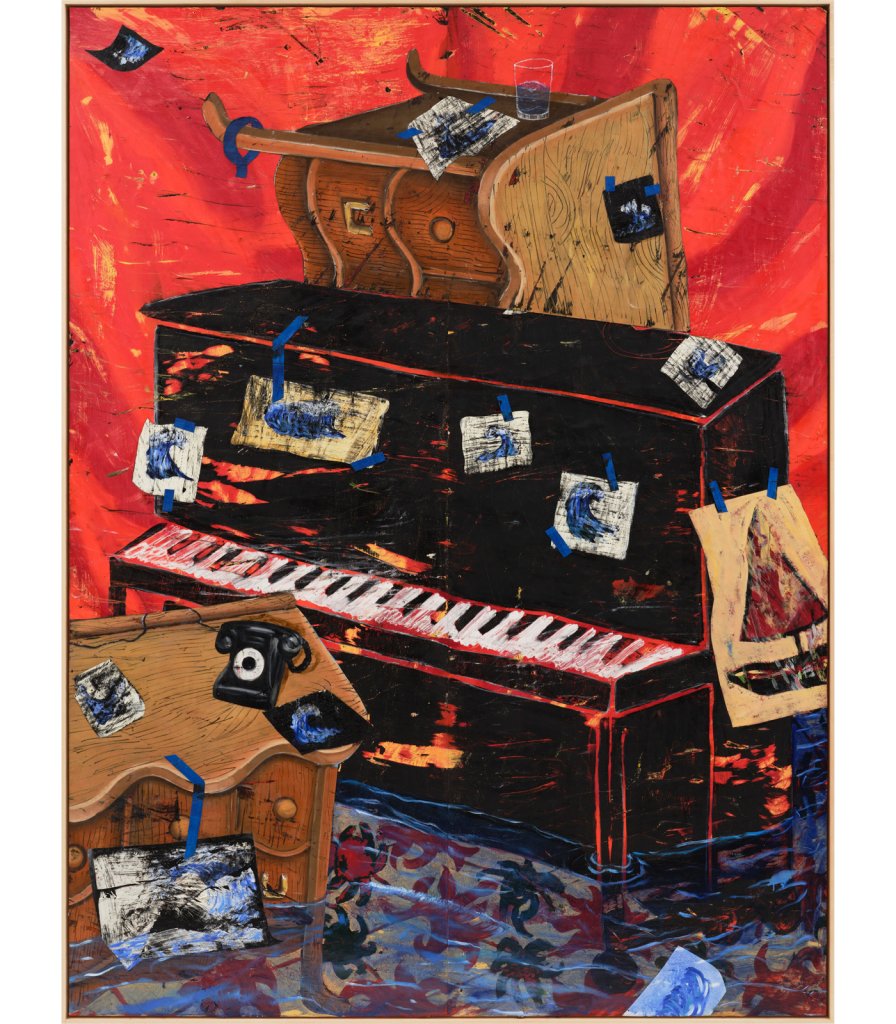
Beginning 1 June, Hauser & Wirth Hong Kong presents ‘The Sea Remembers,’ Otero’s first solo exhibition in Asia since he joined the gallery in 2022. Through a labor-intensive process of laying down, scrapping and collaging oil paint, Angel Otero’s works are rooted in abstract image making and engage with the idea of memory through addressing art history, as well as his own lived experience.

The New York Review Of Books – June 22, 2023

Image

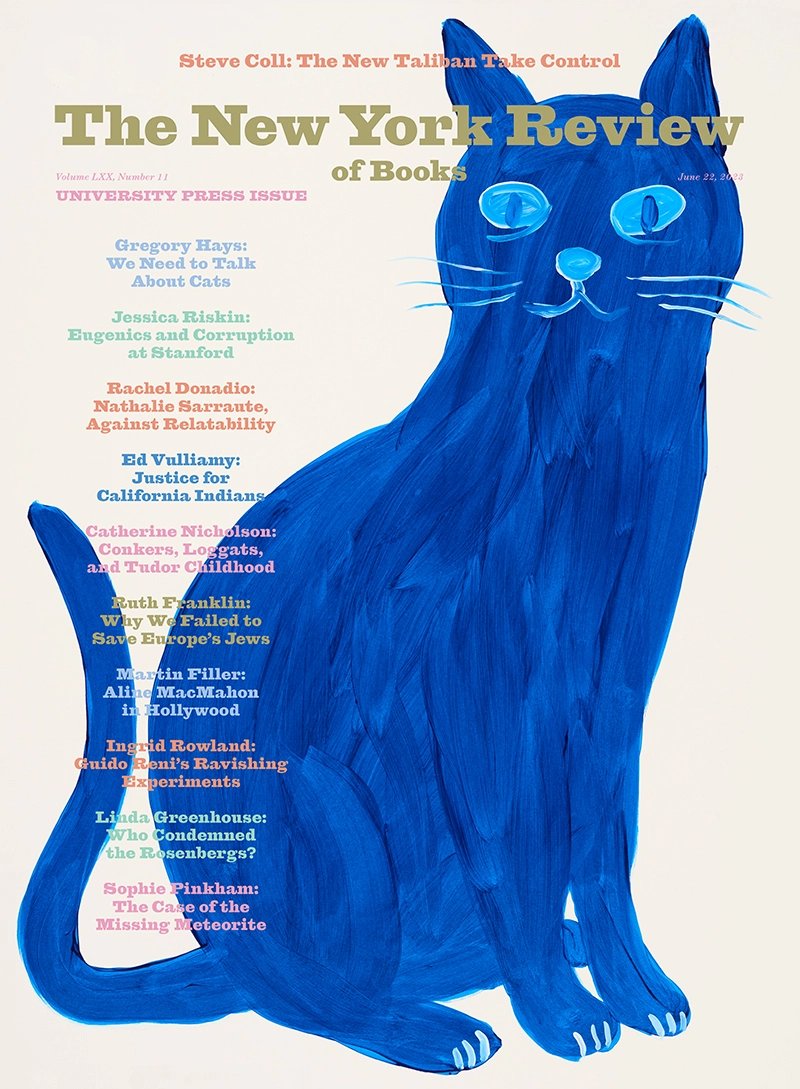
The New York Review of Books – June 22, 2023 issue: Fara Dabhoiwala on the ingenious index, Ingrid D. Rowland on Guido Reni’s questing soul, Rachel Donadio on Nathalie Sarraute’s sensual eviscerations, Steve Coll on the Taliban’s second emirate, Jessica Riskin on the poisoning of Jane Stanford, Ruth Franklin on Ken Burns’s The US and the Holocaust, Gary Saul Morson on Tolstoy’s conversion, Ed Vulliamy on the Native Americans of California, Linda Greenhouse on judging the Rosenbergs, Gregory Hays on our feline friends, poems by Shane McCrae and Fernando Pessoa, and much more.

Life Is Short. Indexes Are Necessary.

By Fara Dabhoiwala

Index, A History of the: A Bookish Adventure from Medieval Manuscripts to the Digital Age by Dennis Duncan

In his new history of the index, Dennis Duncan traces its evolution through the constantly changing character of reading itself.

In 1941 an ambitious Philadelphia pediatrician, the wonderfully named Waldo Emerson Nelson, became the editor of America’s leading textbook of pediatrics. For the next half-century the compilation of successive editions of this large volume advanced his career, consumed his weekends, and encroached heavily on his domestic life. 

Who Are the Taliban Now?

By Steve Coll

Taliban members walking past a mural on the former US embassy, Kabul

The Return of the Taliban: Afghanistan After the Americans Left by Hassan Abbas

Hassan Abbas’s book surveys the second Islamic Emirate’s ideology and leading personalities and probes its internal tensions.

Nearly two years after the Taliban’s return to power in Kabul, the UN refers to the regime only as “the de facto authorities,” to avoid any hint of formal recognition of the Islamic Emirate of Afghanistan, as the Taliban call their government. By any name, the Taliban today control Afghanistan’s territory, as well as federal ministries and local administrations. They also preside over a nation in severe crisis. Food insecurity haunts at least half of the population; a country shattered by more than four decades of war again faces the shadow of famine.

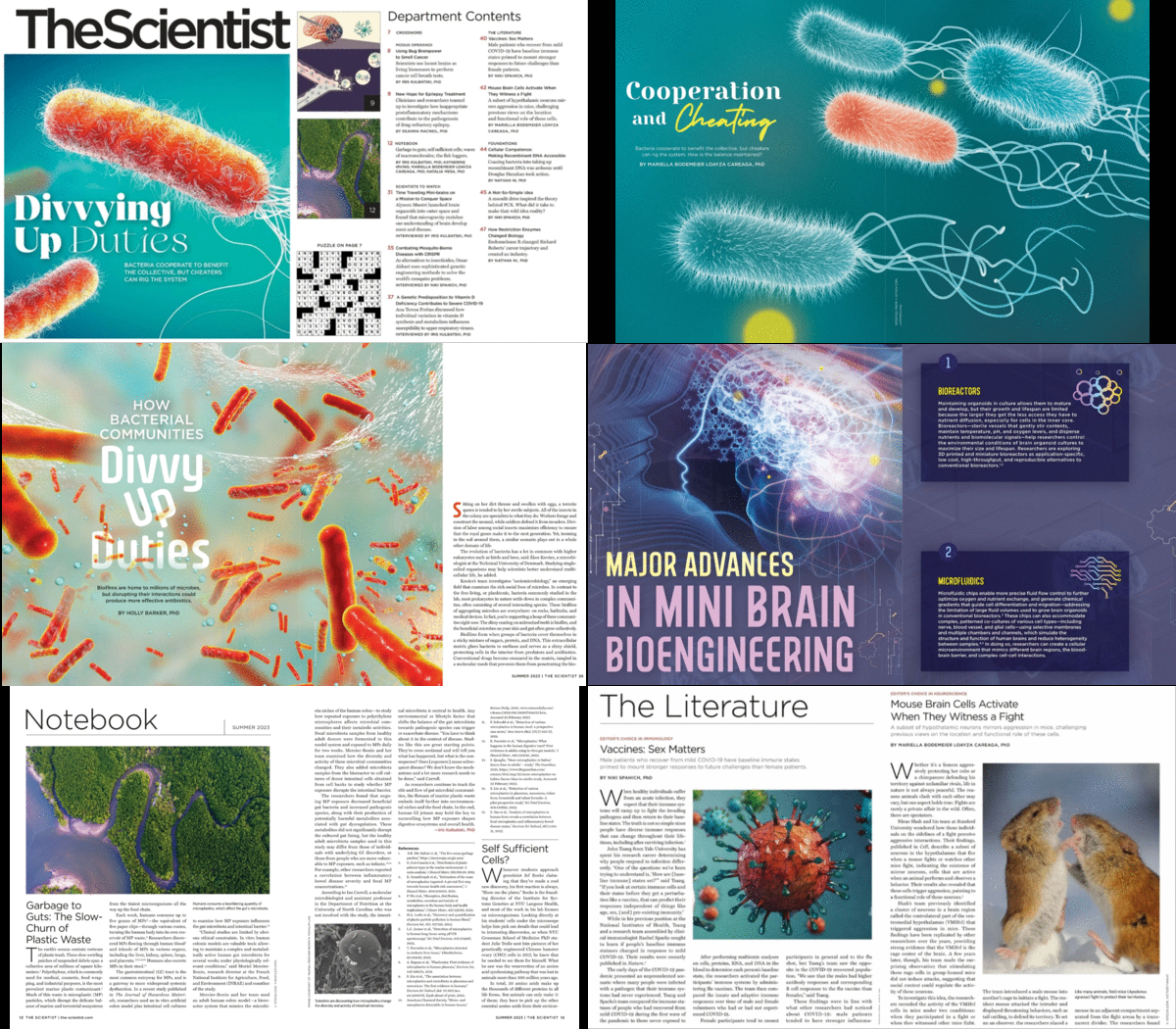
Research: The Scientist Magazine – Summer 2023

The Scientist Magazine (June 1, 2023) – The Summer Issue features bacteria cooperating to benefit the collective, but cheaters can rig the system and biofilms are home to millions of microbes, but disrupting their interactions could produce more effective antibiotics.

Cooperation and Cheating

Pseudomonas Aeruginosa

Bacteria cooperate to benefit the collective, but cheaters can rig the system. How is the balance maintained?


People often recognize social behaviors in complex organisms such as insects, nonhuman primates, and humans. But Megan Frederickson, an ecologist and evolutionary biologist at the University of Toronto, is interested in a different, microscopic social community: bacteria. “Cooperation is everywhere,” she said. “Cells cooperate in multicellular organisms; individuals cooperate in societies; and different species cooperate… Why would it not be the case that microbes cooperate with each other?” 

New Insight into Brain Inflammation Inspires New Hope for Epilepsy Treatment 

Clinicians and researchers teamed up to investigate how inappropriate proinflammatory mechanisms contribute to the pathogenesis of drug-refractory epilepsy.

3D image of a neuron cell network with a red glow representing inflammation.

Doctors treat epilepsy with anticonvulsants to control seizures, but some patients do not respond to these first-line therapies. For patients with drug-refractory epilepsy (DRE) whose seizures persist after treatment with two or more anticonvulsants, clinicians must surgically remove part of the brain tissue to cure the disease.

Documentary: ‘Your Brain – Who’s In Control’ (NOVA)

NOVA PBS Official (May 31, 2023) – Are you in control, or is your brain controlling you? Dive into the latest research on the subconscious with neuroscientist Heather Berlin. Sleepwalking, anesthesia, game theory, and more reveal surprising insights in this eye-opening journey to discover what’s really driving the decisions you make.

Chapters: 00:00 Introduction 03:22 Sleepwalking and the Brain 08:36 Anesthesia and the Brain 14:18 Results of Split Brain Surgery 22:23 Emotions and the Brain 30:01 How Does Trauma Affect the Brain? 35:39 How Much Control Do We Have of Our Brain? 45:44 Creativity and the Brain 50:17 Conclusion

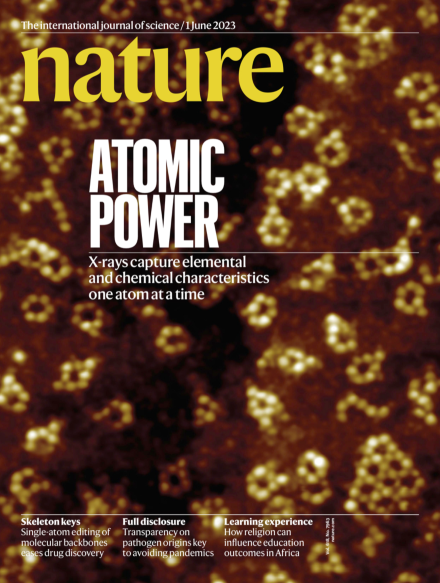
Research Preview: Nature Magazine – June 1, 2023

Volume 618 Issue 7963

nature Magazine – June 1, 2023 issue:  X-rays are widely used to characterize materials, but samples still require a reasonably high number of atoms for success. In this week’s issue, Saw-Wai Hla and his colleagues report that they have used synchrotron X-rays to characterize the elemental and chemical state of an individual atom. The team was able to detect X-ray-excited currents generated from an iron and a terbium atom in molecular hosts.

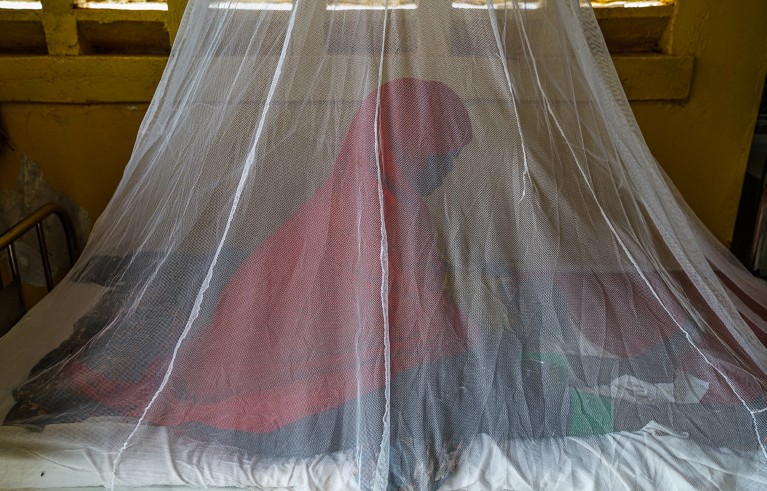
How can mosquitoes find you? All you have to do is exhale

A person sits on a bed behind a mosquito net.

Free-flying mosquitoes gravitate toward pads that emit carbon dioxide, which is found in human breath.

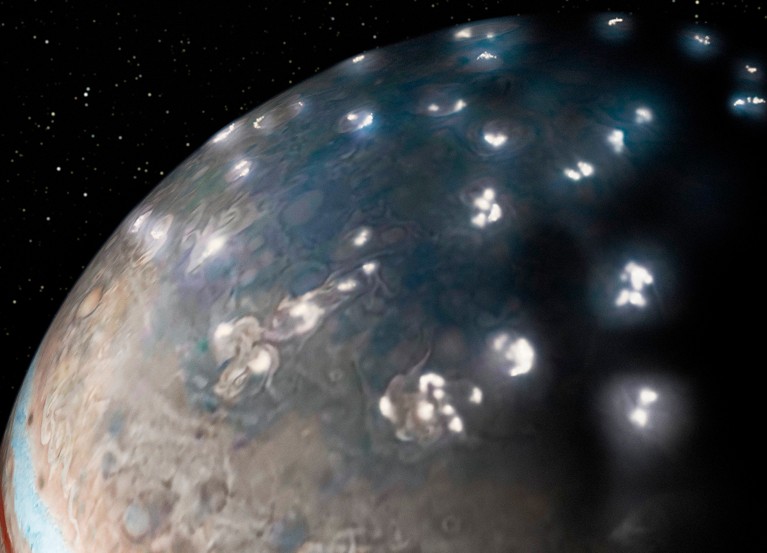
Jupiter’s lightning has rhythm — just like Earth’s

Lightning on Jupiter, composite image.

Bolts begin as a series of short pulses both on Earth and on its much bigger, gassier neighbour in the Solar System.

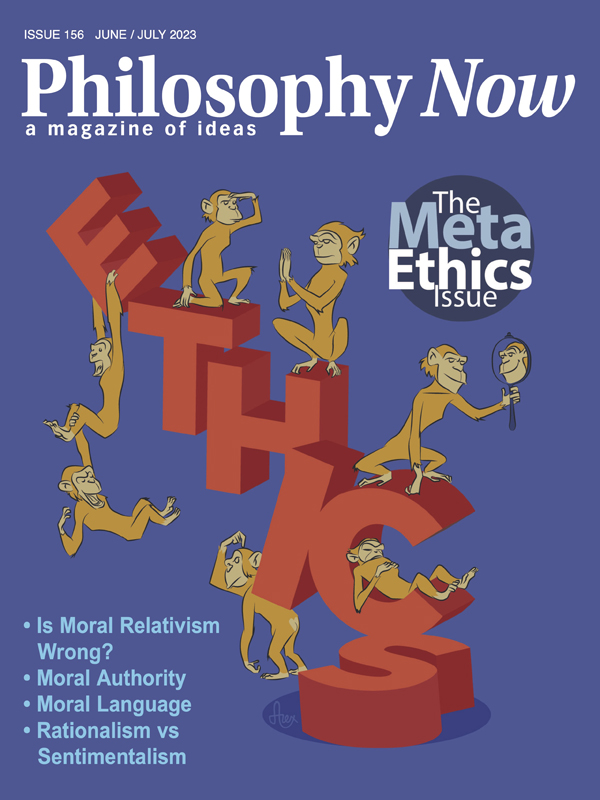
Philosophy Now Magazine June / July 2023 Preview

Image

Philosophy Now Magazine (June/July 2023) – The ‘Meta Ethics Issue’ featuring Back to the Sophists: Nana Ariel corrects the record and the modern application of Sophistry and Will the Real John Locke Please Step Forward? Hilarius Bogbinder shows how Locke’s intellectual identity changed over time.

The Cognitive Gap

Justin Bartlett explores a basic distinction between understandings of ethics.

Who’s To Say?

Michael-John Turp asks if anyone has the authority to establish moral truth.

Right & Wrong About Right & Wrong

Paul Stearns argues against moral relativism and moral presentism.

Ethical Truth in Light of Quantum Mechanics

Myles King contends that physics helps us understand ethics.

Can You Be Both A Moral Rationalist & A Moral Sentimentalist?

Andrew Kemle says that evolutionary forces give us the answer.

London Art Gallery Tour: Phillips June 2023 Exhibit

Phillips (May 31, 2023) – A tour of gallery highlights including an important group of fabric works from artists including Grayson Perry, Damien Hirst, Louise Bourgeois, and Tracey Emin.


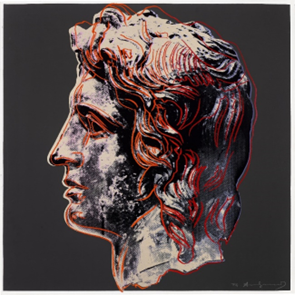
Andy Warhol – Alexander the Great (1982)
  
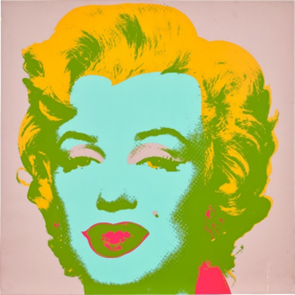
Andy Warhol – Marilyn (1967(

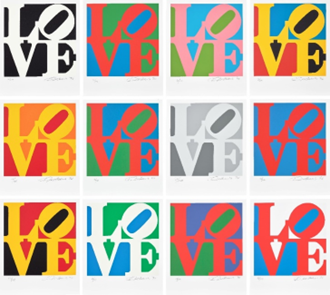
Andy Warhol’s unique trial proof of Alexander the Great and two Marilyn screenprints, along with Pop Art by Keith Haring and Robert Indiana are featured.


Robert IndianaThe Book of Love, 1996
  
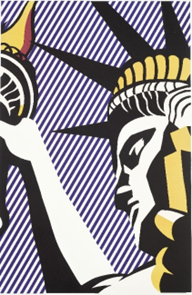
Roy Lichtenstein  I Love Liberty, 1982

Further highlights include Contemporary Street Art from the likes of Banksy and an auction debut for Thierry Noir’s East Side Heads, which will be offered alongside significant Pablo Picasso linocuts and lithographs. 

Arts/Books: Times Literary Supplement – June 2, 2023

Image

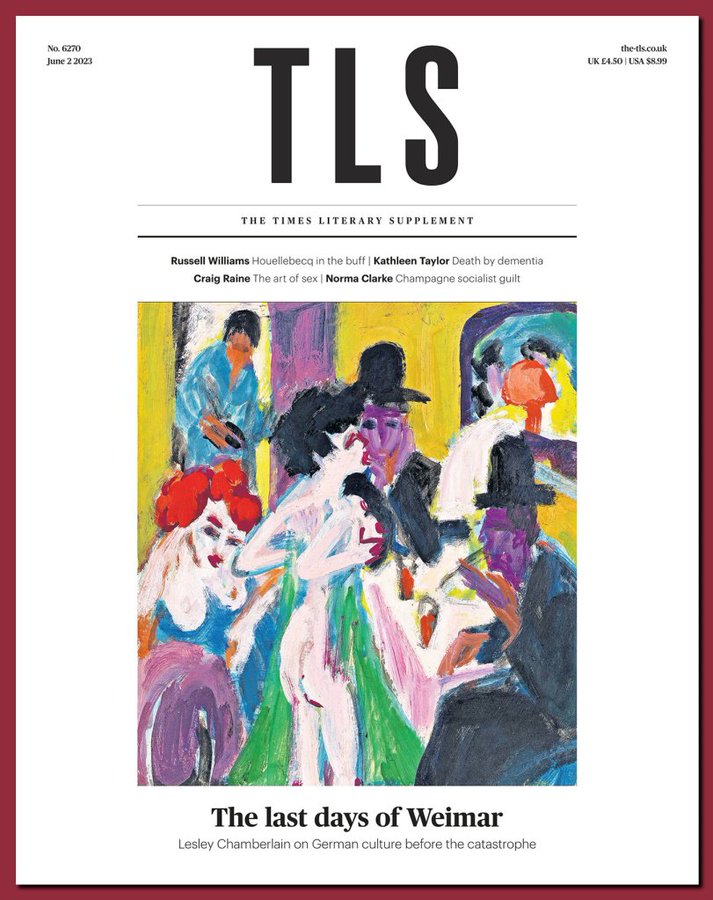
Times Literary Supplement (June 2, 2023): The Last Days of Weimar – Lesley Chamberlain on German culture before the catastrophe; Michel Houellebecq in the buff; Death by Dementia; The Art of Sex and Champagne socialist guilt.

Sophisticated Primitive

The "Monforte" altarpiece by Hugo van der Goes, c.1470-75

An early Flemish painter’s claim to greatness

By Mark Glanville

Not a team player

"The Ten Largest, Group IV, No. 3, Youth" by Hilma af Klint, 1907

An abstractionist artist who was guided by the spirit world

By Charles Darwent