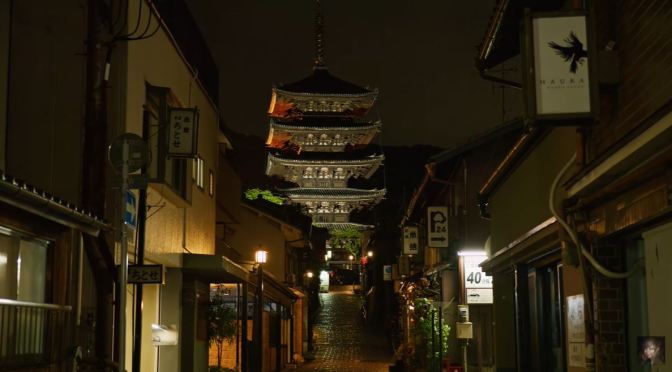
Hokanji is a temple of the Rinzai sect Kenninji school in Higashiyama Ward, Kyoto City. Located near Kiyomizu Temple. The five-storied pagoda is commonly known as the “Yasaka Tower” and is a landmark in the surrounding area.
Kyoto, once the capital of Japan, is a city on the island of Honshu. It’s famous for its numerous classical Buddhist temples, as well as gardens, imperial palaces, Shinto shrines and traditional wooden houses. It’s also known for formal traditions such as kaiseki dining, consisting of multiple courses of precise dishes, and geisha, female entertainers often found in the Gion district.
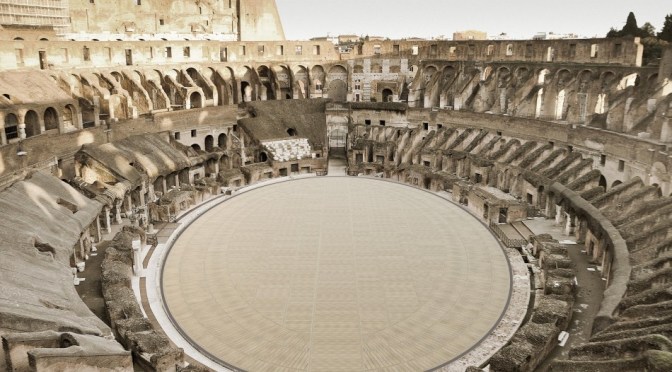
The Italian government has approved plans designed by engineering firm Milan Ingegneria to create a remote-controlled, retractable floor within the Colosseum amphitheatre in Rome.
The design competition for the new Colosseum arena floor, launched at the end of 2020, originated in 2014 with an idea by the archaeologist Daniele Manacorda and was included in the Strategic Plan for Great Cultural Projects in 2015.
The design envisages bringing to life the integral components of the largest amphitheater in the ancient world which is estimated to have held up to 87.000 spectators. The indoor arena measures 86 × 54 m with an area of 3.357 sqm. The new platform is to be placed at the height it had at the time of the Flavians and takes up the layout of the original plan. The beams will rest on the existing walls, with no mechanical anchors or any invasive impact, and will be completely reversible. Having the new floor will allow us to fully understanding its original uses and functions, while the technological solutions will guide visitors in discovering the complex organizational and scenic machine that governed the shows in Roman times.
Washington Square Park is a 9.75-acre public park in the Greenwich Village neighborhood of Lower Manhattan, New York City. One of the best known of New York City’s public parks, it is an icon as well as a meeting place and center for cultural activity.
It is named for George Washington (1732-1799), the commander of the Continental Army, who was inaugurated in New York City as the first President of the United States on April 30, 1789.
The land was once a marsh fed by Minetta Brook located near an Indian village known as Sapokanikan. In 1797 the City’s Common Council acquired the land for use as a “Potter’s Field” and for public executions, giving rise to the legend of the “Hangman’s Elm” in the park’s northwest corner.
Used first as the Washington Military Parade Ground in 1826, the site became a public park in 1827. Following this designation, prominent families, wanting to escape the disease and congestion of downtown Manhattan, moved into the area and built the distinguished Greek Revival mansions that still line the square’s north side. In 1838 the park hosted the first public demonstration of the telegraph by Samuel F.B. Morse.
Soon after the creation of the City’s Department of Public Parks in 1870, the square was redesigned and improved by M.A. Kellogg, Engineer-in-Chief, and I.A. Pilat, Chief Landscape Gardener. Their plan followed the principles of Fredrick Law Olmsted – providing a more rustic and informal space with curvilinear paths along its periphery, retaining many of the diagonal paths within the park’s core, and defining plots of grass with shade trees. The most dramatic change was the addition of a carriage drive through the park’s interior connecting Fifth Avenue to Lower Manhattan.
The marble Washington Arch, designed by noted architect Stanford White, was built between 1890-1892 and replaced a wooden arch erected in 1889 to honor the centennial of the first president’s inauguration. Statues of Washington were later installed on Arch’s north side – Washington as Commander-in-Chief, Accompanied by Fame and Valor (1916) by Hermon MacNeil, and Washington as President, Accompanied by Wisdom and Justice (1918) by Alexander Stirling Calder.
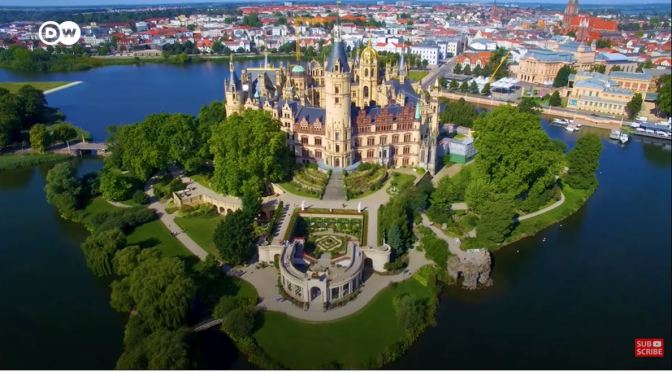
Discover seven of Germany’s beautiful palaces and castles from a bird’s-eye view! Our Flying Guide takes you to Sanssouci Palace in Potsdam, Heidelberg Castle, Schwerin Castle, Marienburg Castle, Sigmaringen Castle, Ludwigsburg Palace and Lichtenstein Castle. Come check out these architectural gems in Germany!
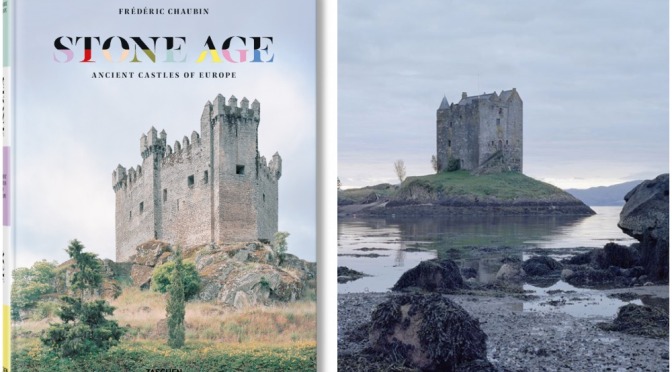
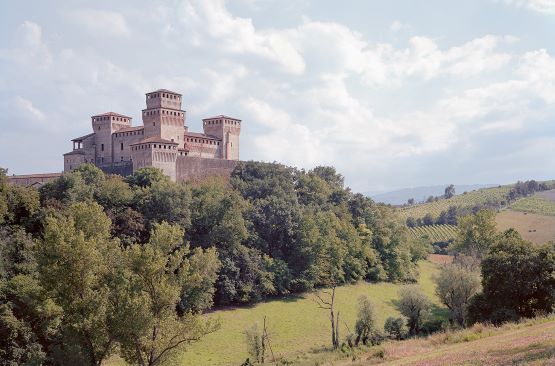
Shot on film with a Linhof view camera, the collection is the outcome of five years of travel and investigation. Complete with a practical map and explanatory essay, its castles tell the story of 400 years, unfolding through the feudal Middle Ages into the 15th century.
Follow photographer Frédéric Chaubin as he embarks on a unique, century-spanning journey through Europe. Featuring images of more than 200 buildings in 21 countries, Stone Age presents the history and architecture of the most magical medieval castles of the continent in an unprecedented collection.
Building on the success of his foray into Soviet design with CCCP, Chaubin once again documents the afterlife of highly rational structures that seem out of place in a modern-day world. Precursors of Brutalism, these castles value function over form and epitomize the raw materials and shapes that would go on to define so much of architectural history.
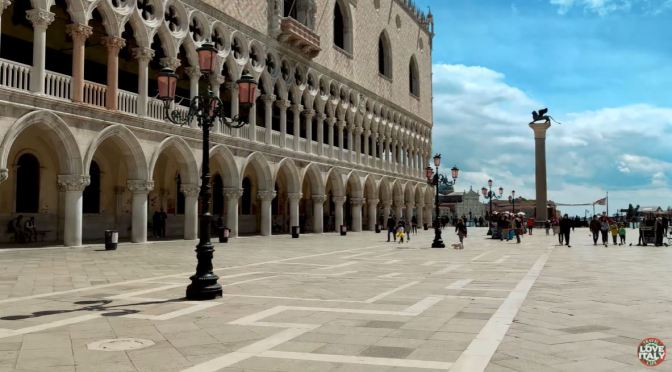
Venice, the capital of northern Italy’s Veneto region, is built on more than 100 small islands in a lagoon in the Adriatic Sea. It has no roads, just canals – including the Grand Canal thoroughfare – lined with Renaissance and Gothic palaces. The central square, Piazza San Marco, contains St. Mark’s Basilica, which is tiled with Byzantine mosaics, and the Campanile bell tower offering views of the city’s red roofs.
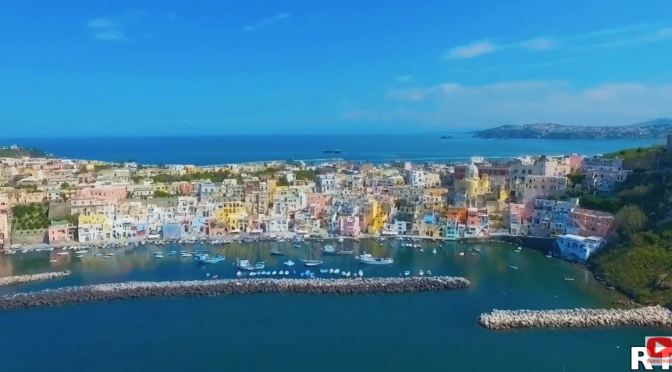
Italy, a European country with a long Mediterranean coastline, has left a powerful mark on Western culture and cuisine. Its capital, Rome, is home to the Vatican as well as landmark art and ancient ruins. Other major cities include Florence, with Renaissance masterpieces such as Michelangelo’s “David” and Brunelleschi’s Duomo; Venice, the city of canals; and Milan, Italy’s fashion capital.
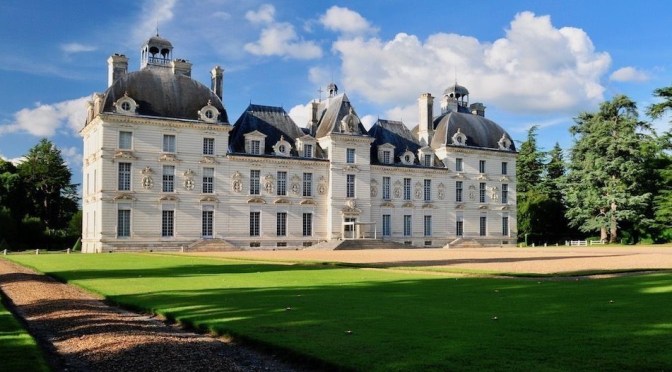
We take you to discover a magnificent stately home located in #France’s #LoireValley. The #Château of #Cheverny is listed as a historical monument and it also inspired #Tintin creator Hergé for the family home of Captain Haddock. One in three visitors to Cheverny comes for the world of Tintin, an important source of income. The same family has carefully maintained the castle and grounds for more than six centuries, with each generation laying a new stone to the edifice.
The Château de Cheverny is a grand estate which has been in the same family for over six centuries. Cheverny has always been lived in and every generation has made a great effort to take care and embellish it with a true passion.
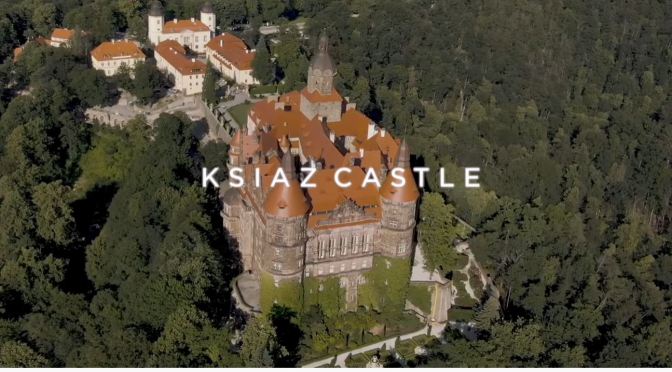
Here are 12 Beautiful Places to Visit in Poland! Beautiful Poland should be on your bucketlist for visiting Europe. This Poland travel video has some of the best places to visit in Europe, such as Wawel or Ksiaz Castle, Gdansk, Poznan or the Tatra Mountains.
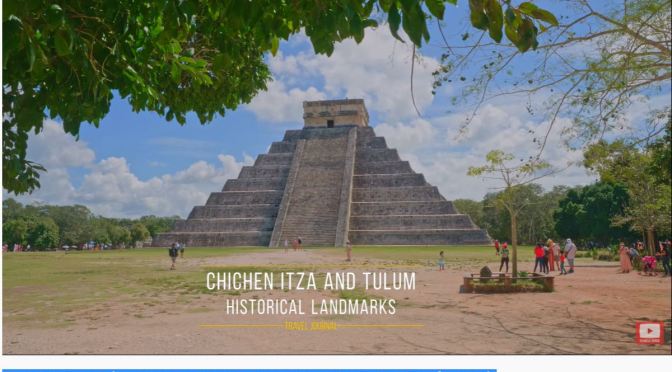
Chichén Itzá is a complex of Mayan ruins on Mexico’s Yucatán Peninsula. A massive step pyramid, known as El Castillo or Temple of Kukulcan, dominates the ancient city, which thrived from around 600 A.D. to the 1200s. Graphic stone carvings survive at structures like the ball court, Temple of the Warriors and the Wall of the Skulls. Nightly sound-and-light shows illuminate the buildings’ sophisticated geometry.
News, Views and Reviews For The Intellectually Curious




 Boomers Daily