

From a VentureBeat.com online news release:
 Vim’s solution curates top providers and pairs patients with those providers, leveraging a combination of online booking and referral coordination. On the provider side, it algorithmically analyzes referral patterns to bring to light trends without disrupting workflows, ultimately toward the goal of guiding patients to value-based health solutions in virtual networks.
 Vim says it has access to 10,000,000 patient profiles and 150,000 providers through major U.S.-based health plan partners. In the next 12 months, it loftily intends to “meaningfully reduce” the $1 trillion of excess cost in health care in the U.S. by targeting inconsistencies in treatment.
To read more: https://venturebeat.com/2019/09/09/vim-raises-24-million-to-match-patients-with-top-health-care-providers/

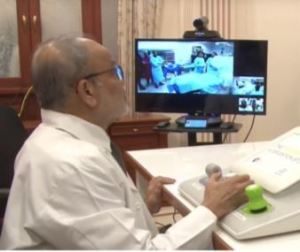 “Remote procedures have the potential to transform how we deliver care when treating the most time-sensitive illnesses such as heart attack and stroke. The success of this study paves the way for large-scale, long-distance telerobotic platforms across the globe, and its publication in Lancet’s EClinicalMedicine demonstrates the transformative nature of telerobotics,”
 The team found 85% of people first diagnosed with dementia were diagnosed by a non-dementia specialist physician, usually a primary care doctor, and an “unspecified dementia” diagnosis was common.
 In our study, we found significant associations between baseline teeth symptoms and change in episodic memory. Deficits in episodic memory (ie, ability to retain new information) are most common in older adults with mild cognitive impairment making them more likely to progress to Alzheimer’s disease dementia.
 Physical inactivity, smoking, high blood pressure, diabetes, and high cholesterol play a greater role than genetics in many young patients with heart disease, according to research presented today at ESC Congress 2019 together with the World Congress of Cardiology. The findings show that healthy behaviours should be a top priority for reducing heart disease even in those with a family history of early onset.
 Our results further suggest that optimism is specifically related to 11 to 15% longer life span, on average, and to greater odds of achieving “exceptional longevity,” that is, living to the age of 85 or beyond. These relations were independent of socioeconomic status, health conditions, depression, social integration, and health behaviors (e.g., smoking, diet, and alcohol use). Overall, findings suggest optimism may be an important psychosocial resource for extending life span in older adults.
 He wondered whether lithium could have the same tranquillizing effect on his patients. After trying it out on himself to establish a safe dose, Cade began treating ten people with mania. In September 1949, he reported fast and dramatic improvements in all of them in the Medical Journal of Australia (

 Health care is a big business, and our system reimburses hospitals and health care workers for caring for the sickest people rather than healthiest ones. This process depletes healers’ energy and often causes them to become exhausted and sick. That means all of us who work in or study to work in health care are at risk. To break this vicious cycle, we need self-scrutiny and willingness to change.
 “What is memory without forgetting?” asks Oliver Hardt, a cognitive psychologist studying the neurobiology of memory at McGill University in Montreal, Canada. “It’s impossible,” he says. “To have proper memory function, you have to have forgetting.”
 “While we always believed that high levels of uric acid might be bad for kidneys and that patients with gout may have a higher risk of kidney failure, we were quite surprised by the magnitude of the risk imposed by gout in these patients. We were particularly interested in the risk of advanced kidney disease, as these patients in general have a higher risk of kidney failure and death.
 Boomers Daily