

From a VentureBeat.com online review:
 Kaia’s iOS and Android apps were developed with the help of physiotherapists, pain management physicians, orthopedic surgeons, and clinical psychologists, the company claims, and are registered as Class 1 medical devices with the Food and Drug Administration. They serve up video clips covering basic back and COPD pain information and step-by-step physiotherapy exercises, in addition to psychological strategies, such as mindfulness and muscle relaxation.
During each of the over 120 15-minute exercises, in-app computer vision models track connective points on the body through a device’s front-facing camera while an on-screen wireframe model illustrates the steps. Audio feedback informs users whether they’re performing exercises correctly and how they might improve, and a built-in chat tool allows them to consult with a physiotherapist or sports scientist on questions related to specific moves.
To read more: https://venturebeat.com/2019/09/17/kaia-raises-8-million-to-treat-chronic-pain-with-ai-guided-exercise/



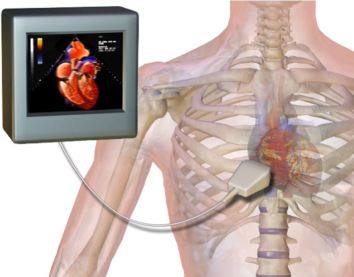 “As a result, today’s epidemic of physical inactivity in conjunction with highly processed, high-sodium diets contributes to thicker, stiffer hearts that compromise the heart’s ability to cope with endurance physical activity, and importantly this may start to occur prior to increases in resting blood pressure,” explains Shave.
 …a new
 There may be no easy fix for the loneliness epidemic plaguing the nation, but helping people cope with hearing loss could be one key to tackling this complex problem. Hearing loss affects 1 of every 5 people and is strongly linked to loneliness: Every decibel drop in perception in people under 70 increases the odds of becoming severely lonely by 7%,
 Scientific research on nursing homes and drug resistance is sparse, but some recent studies offer evidence of the problem. A
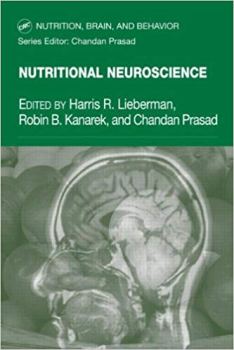 Our findings suggest that higher adherence to a Mediterranean diet is associated with better cognitive performance, and therefore less cognitive decline, in older but not middle-aged individuals.
 “We are extremely proud of what we have accomplished, from the ability to 3D bioprint human cardiac tissue last summer to a mini heart with full structure now. These milestones are a testament to the hard work of our team and the proprietary process we have developed that enables this type of scientific achievement,” said Birla in a press release. “We believe we are at the forefront of whole heart bioengineering, a field that has matured quickly over the last year, and well-positioned to continue our rapid scientific advancement.”
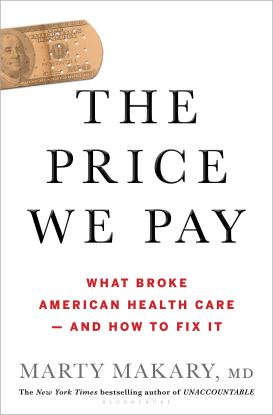 Dr. Makary examines the practice of performing unnecessary vascular procedures in a chapter of his new book, “The Price We Pay,” published Sept. 10. In it, he describes what seems to be the “predatory” practice of some doctors seeking out patients at health screenings in churches.
 Researchers say they’ve successfully plunged human livers to subzero temperatures and then warmed them back up.
 Boomers Daily