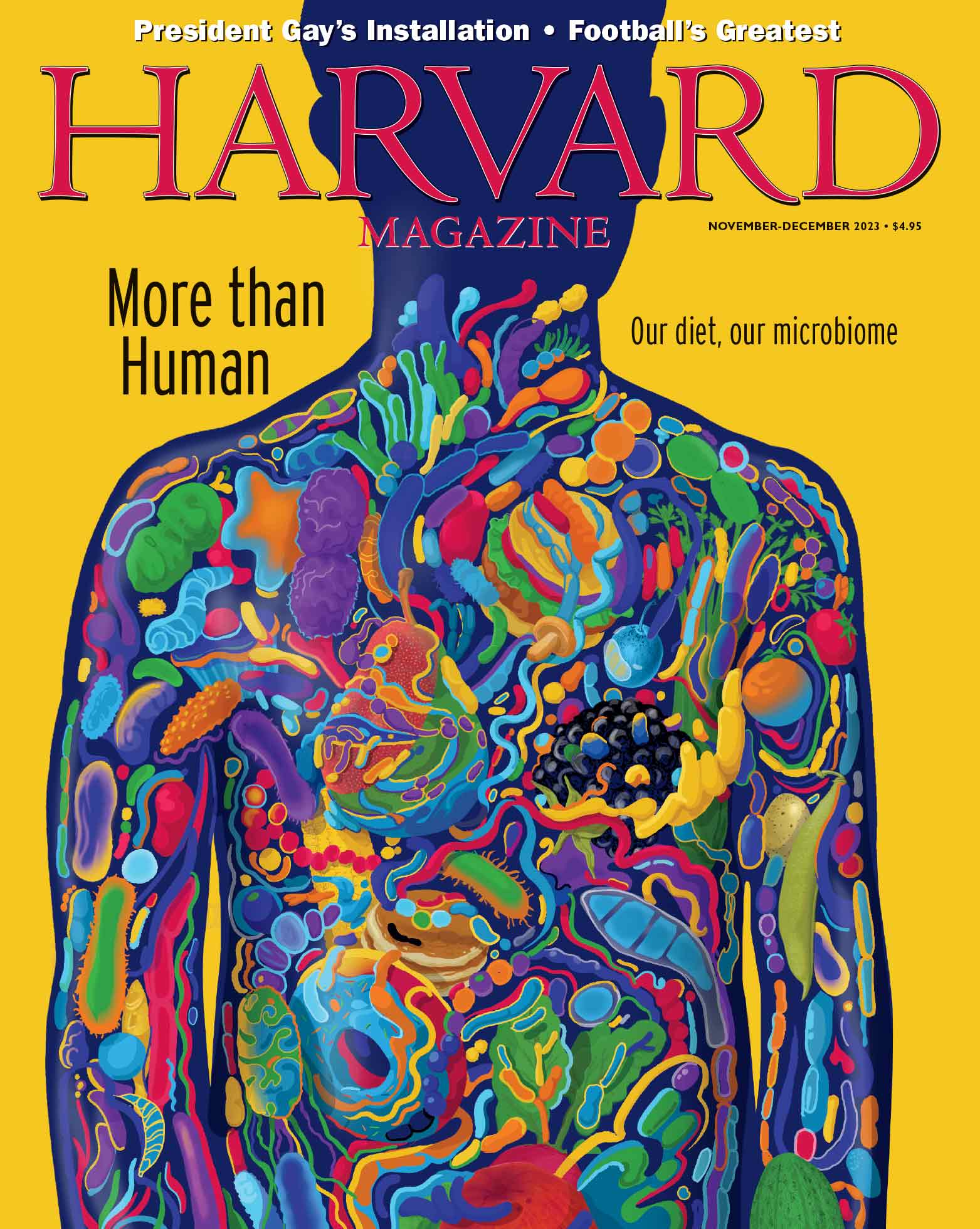
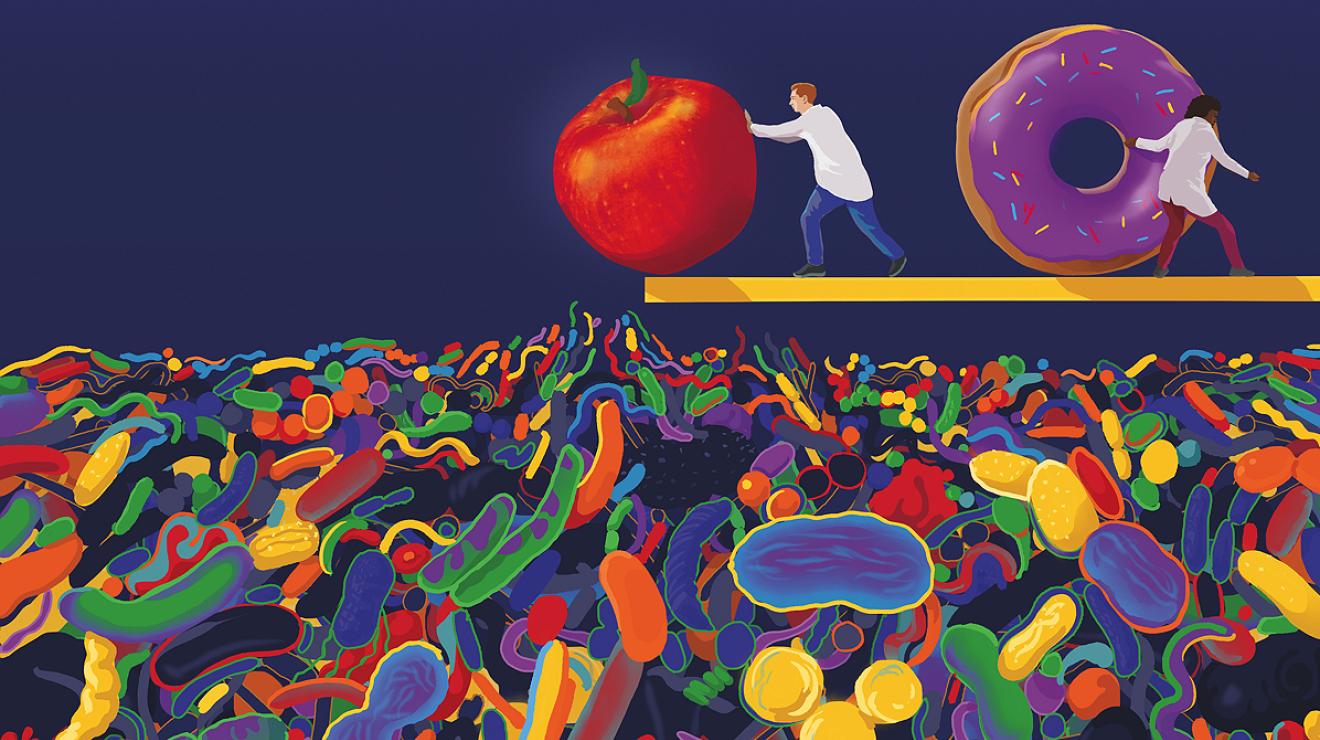
IN THE LATE 2000s, Rachel Carmody was spending a lot of time counting calories. An anthropology graduate student at Harvard, she was studying whether cooking changed the number of calories the gut can extract from food. When humans invented cooking thousands of years ago, she and her advisor Richard Wrangham wondered, had they opened the door to a new source of energy?
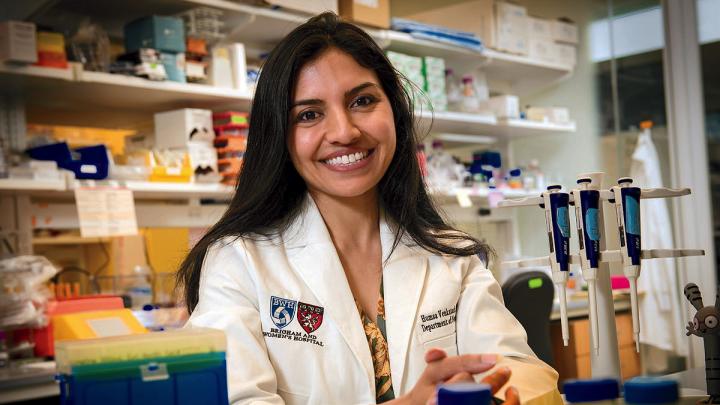
DURING THE past two decades, the number of annual cancer deaths in the United States has fallen by 27 percent, a remarkable improvement driven by new precision diagnoses and treatments tailored to individual patients. Today, oncologists can detect cancer in its earliest stages and deliver drugs that enlist the patient’s own immune system to improve their odds of survival. Yet cancer remains the second deadliest disease in the United States, claiming more than 600,000 lives every year. Its persistence underscores the urgent need for a deeper understanding of how cancer interacts with the body. Assistant professor of neurology Humsa Venkatesh believes she may have found a promising new pathway for highly effective cancer treatments in the most unexpected of places: the human brain.
New Scientist Magazine (October 7, 2023): This issue features ‘You And Your Microbiome’; How the microbiome changes our idea of what it means to be human; The best way to care for your microbiome to keep it healthy as you age; and more…
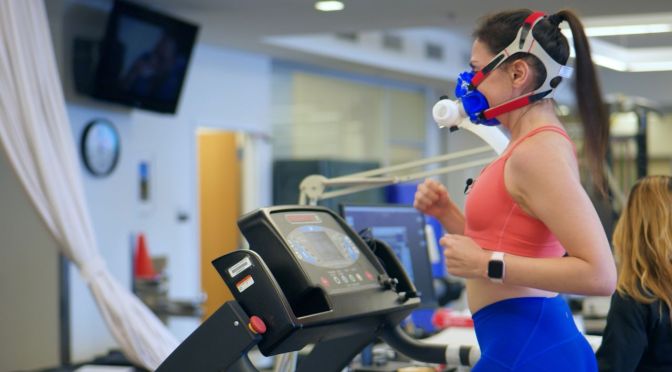
Daniela Hernandez | WSJ (September 14, 2023) – Research shows that moderate amounts of physical stress can help your body stay healthier for longer.
Video timeline:0:00 Stress exercise 0:38 Baseline longevity test 2:41 Training 3:17 The results 4:59 What can you do about it?
That’s why longevity hacks, like intermittent fasting and ice baths, are blowing up on social media. I put myself through a strenuous 10-day workout plan to learn why and how the most active form of stress–exercise–is actually your best bet for a longer, healthier life.
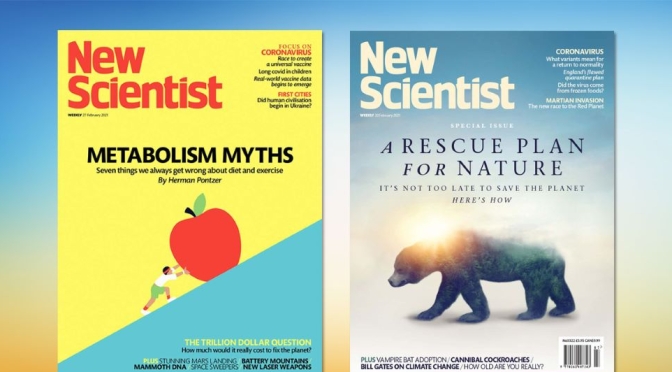
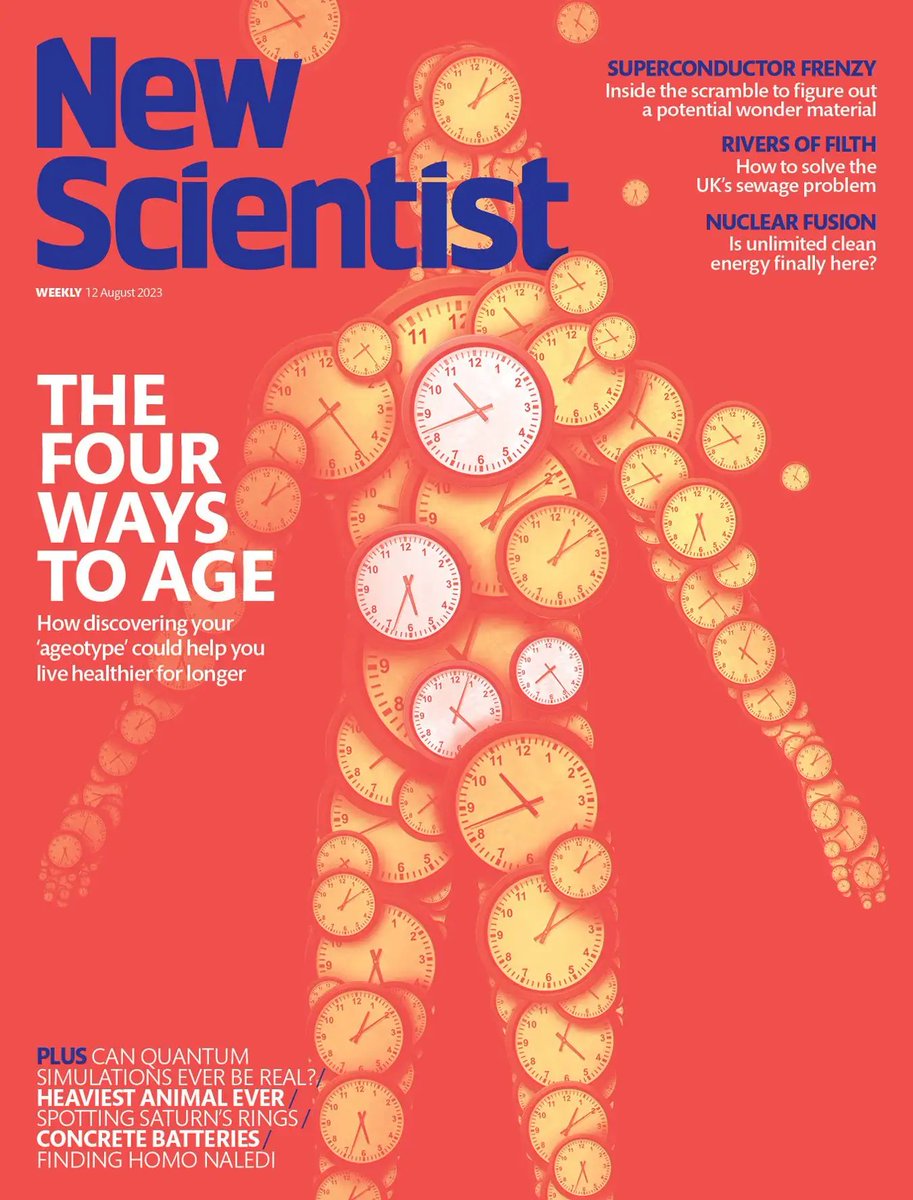
New Scientist Magazine – August 12, 2023 issue: The Four Ways to Age; Can Quantum Simulations ever be real?; Heaviest animal ever; Spotting Saturn’s Rings; Concrete batteries; Finding Homo Naledi and more…
Your body is ageing down one of four – or more – possible pathways. Figuring out your “ageotype” could help you zero in on the things you can do to stay healthier for longer
THERE is a (probably apocryphal) story about Henry Ford sending agents out to junkyards across the US in search of scrapped Model Ts. The famous industrialist wanted to know which of the car’s vital components failed first, so he could do something about it. The agents reported back that every bit of the car was susceptible to failure, but some were more susceptible than others, except for one – a component of the steering system called the kingpin, which almost never failed. They expected Ford to announce plans to extend the working lives of the weaker components. Instead, he ordered his engineers to make less resilient kingpins. No point wasting good money on a component that always outlived the others.
There’s nothing like an icy drink or frozen treat to help tame summer swelter, keep you hydrated, quench thirst, and satisfy a sweet tooth. Unfortunately, cool treats are often over-processed and packed with added sugars. Keep your cool with less processed, fruit-forward icy drinks and treats that are as healthy …
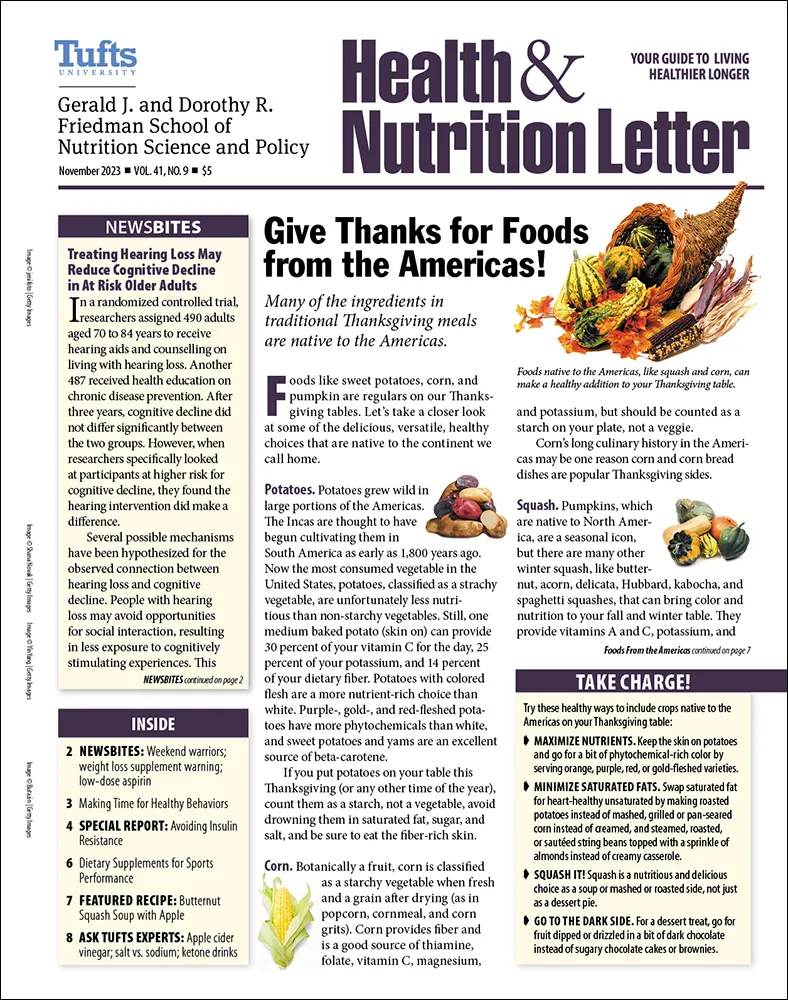
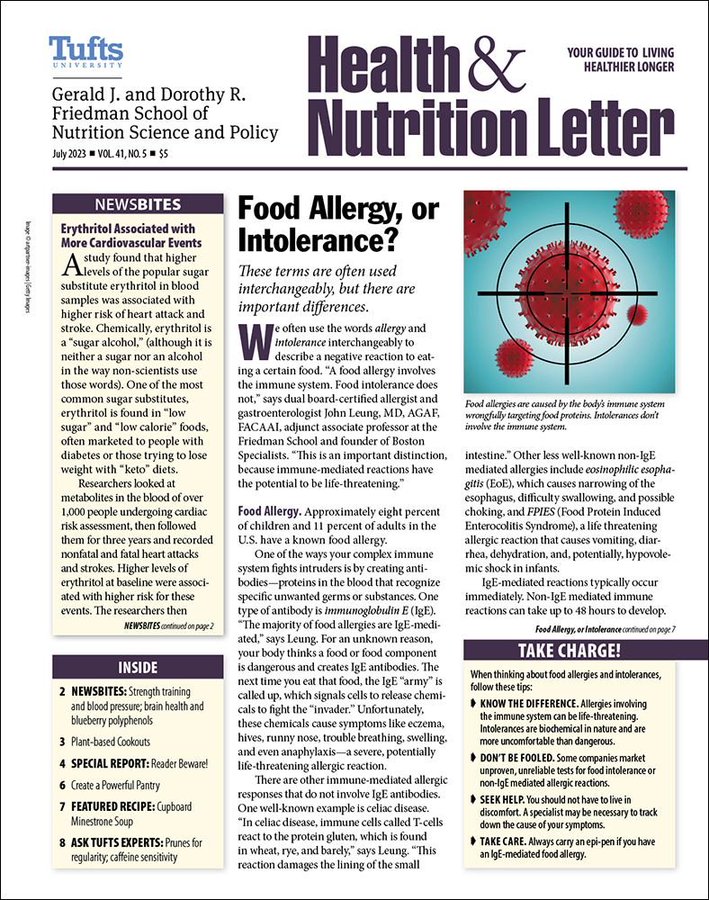
Tufts Health & Nutrition Letter (July 2023): Food Allergy, or Intolerance?; Sugar substitute Erythritol associated with higher heart attack and stroke risks; Plant-based Cookouts; Create a Powerful Pantry, and more…
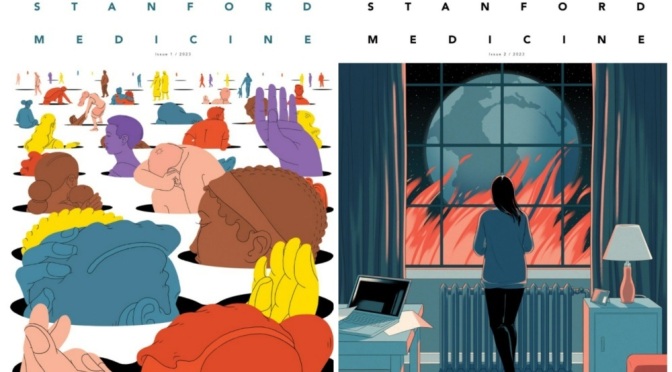
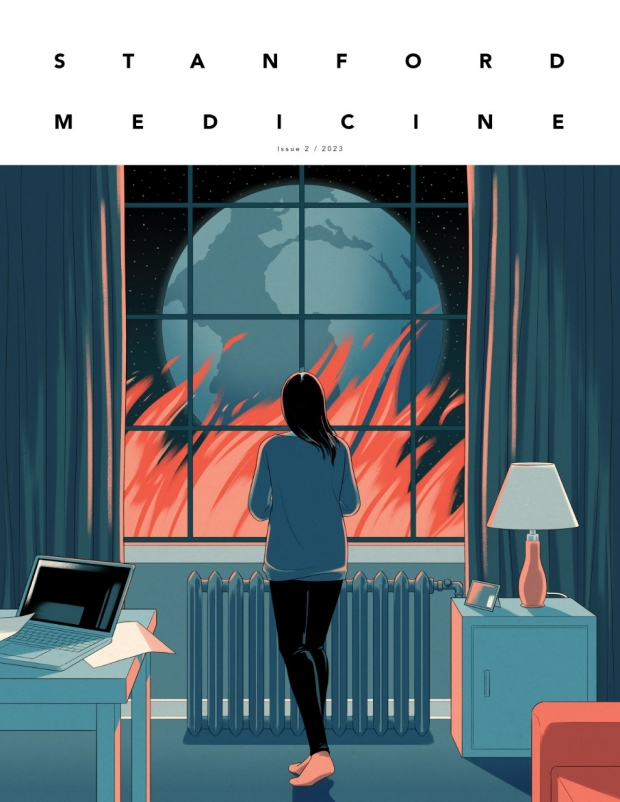
Stanford Medicine Magazine (Summer 2023) – The new issue of Stanford Medicine magazine explores how the environment and health interact — and ways to counter negative impacts.
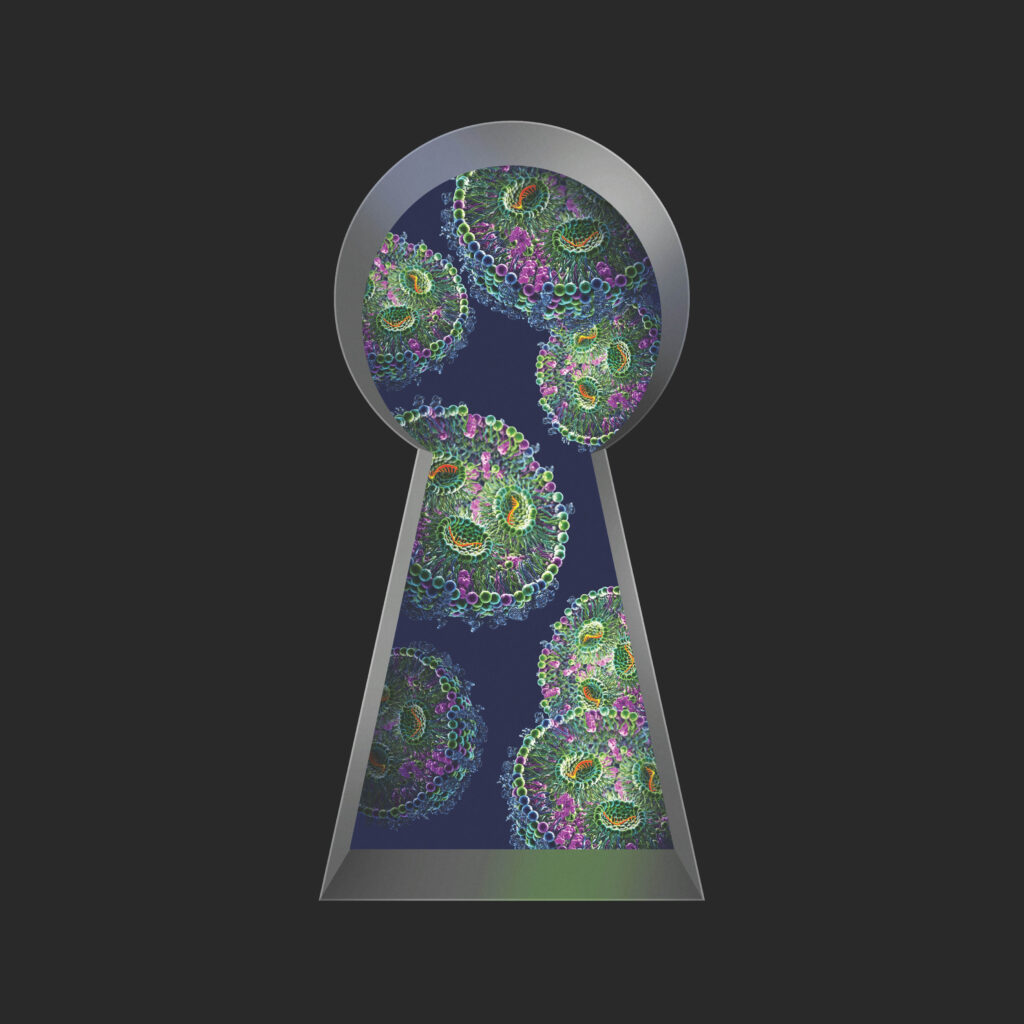
The COVID-19 pandemic, from which we’re still struggling to emerge, has expanded our working vocabulary, gifting the public lexicon with new, if admittedly mostly gloomy, words and concepts. (Examples: spike protein, intubation, N95, rapid antigen test.) We may not flood our speech with these terms, but we’re at least passingly familiar with them now.
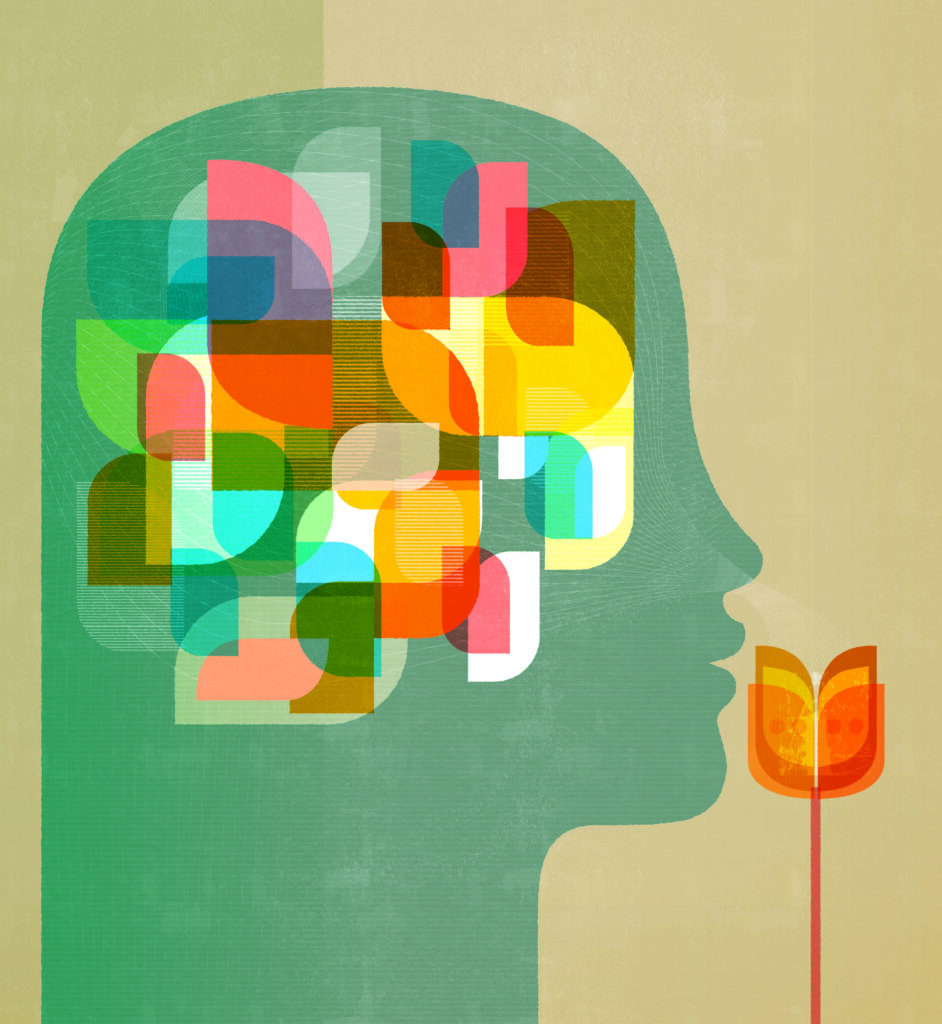
Among the human senses, smell — or more formally, olfaction — is often considered the most dispensable. In a recent survey, 1 in 6 college students said they would rather lose their sense of smell than their little left toe, and 1 in 4 would forgo their sense of smell to keep their phone.
But for people who’ve found themselves suddenly unable to smell — a more common predicament since the COVID-19 pandemic — the loss can be surprisingly, profoundly devastating.
News, Views and Reviews For The Intellectually Curious










 Boomers Daily