
Category Archives: Health

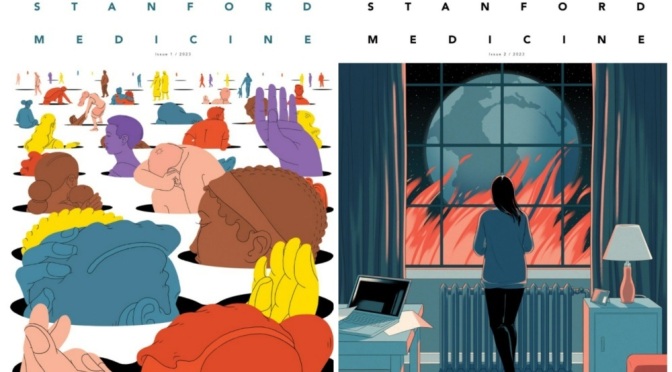
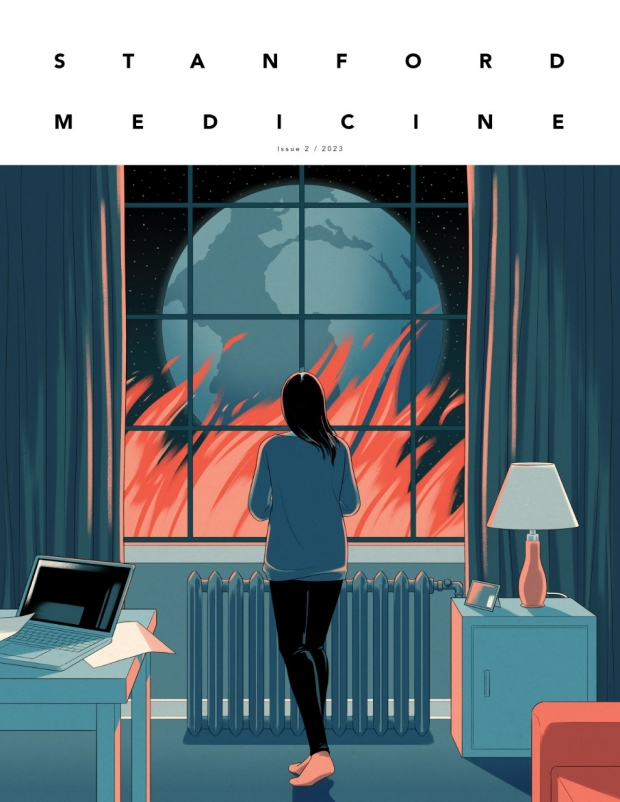
Cover: Stanford Medicine Magazine – Summer 2023

Image

Stanford Medicine Magazine (Summer 2023) – The new issue of Stanford Medicine magazine explores how the environment and health interact — and ways to counter negative impacts.

Special delivery – mRNA moves past COVID-19
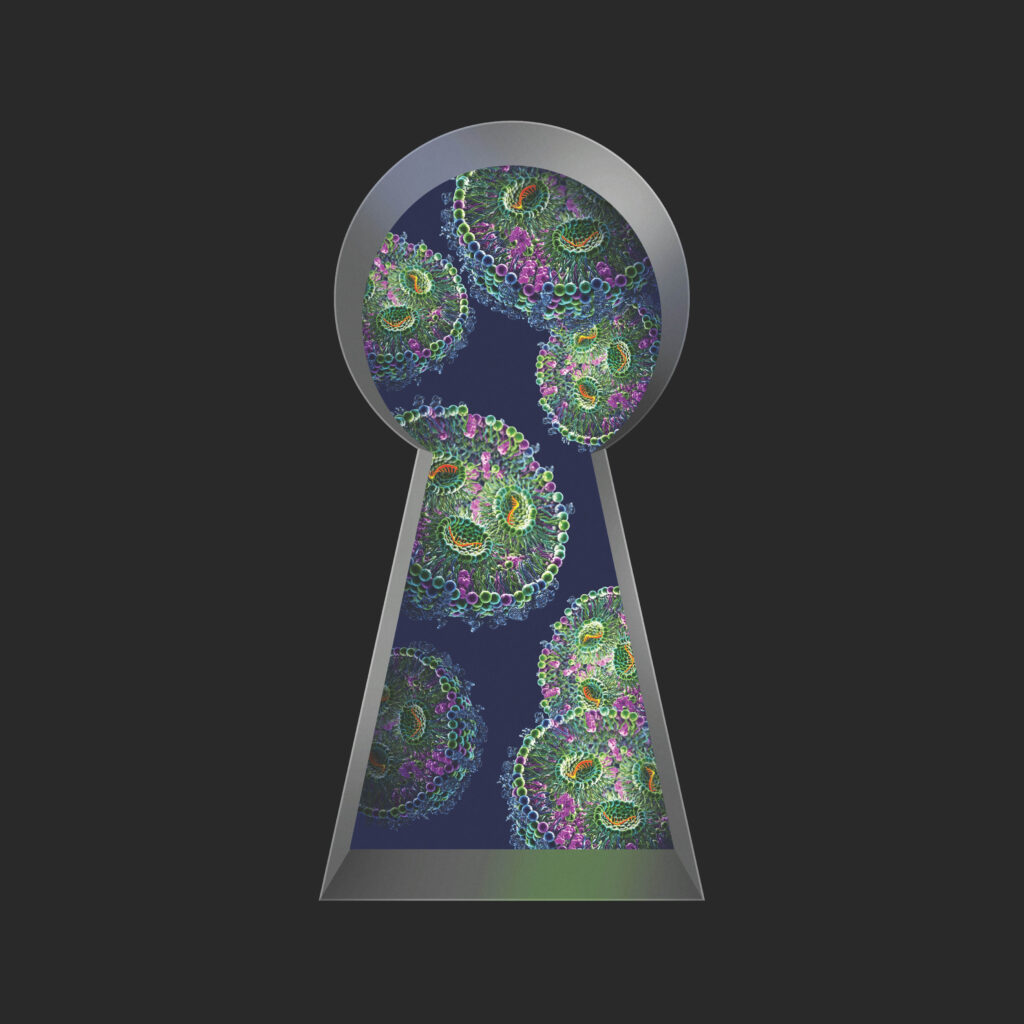
Cover for Special delivery

Catastrophe occasionally apologizes for itself by coughing up a consolation prize. World War II gave us penicillin. So, let’s count our blessings.

By Bruce Goldman

The COVID-19 pandemic, from which we’re still struggling to emerge, has expanded our working vocabulary, gifting the public lexicon with new, if admittedly mostly gloomy, words and concepts. (Examples: spike protein, intubation, N95, rapid antigen test.) We may not flood our speech with these terms, but we’re at least passingly familiar with them now.

Sniff – Making sense of smell
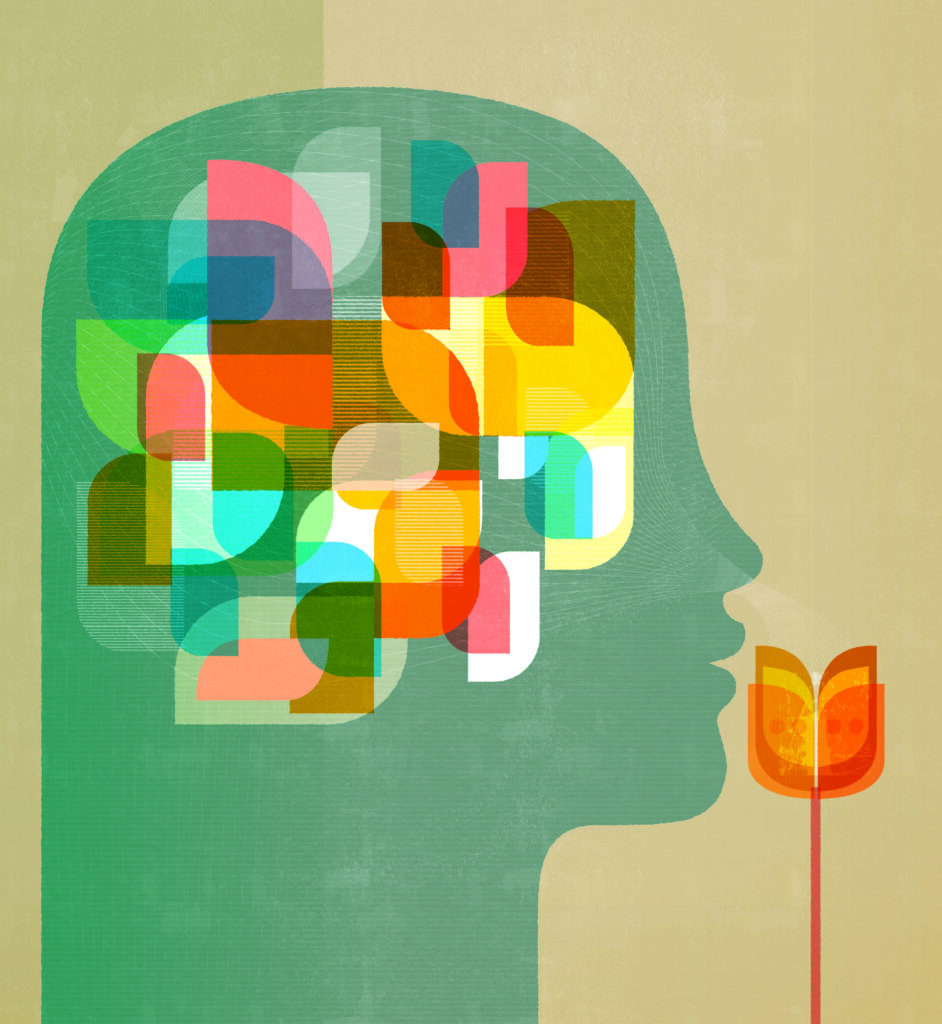
Cover for Sniff

Among the human senses, smell — or more formally, olfaction — is often considered the most dispensable. In a recent survey, 1 in 6 college students said they would rather lose their sense of smell than their little left toe, and 1 in 4 would forgo their sense of smell to keep their phone.

By Nina Bai

But for people who’ve found themselves suddenly unable to smell — a more common predicament since the COVID-19 pandemic — the loss can be surprisingly, profoundly devastating.
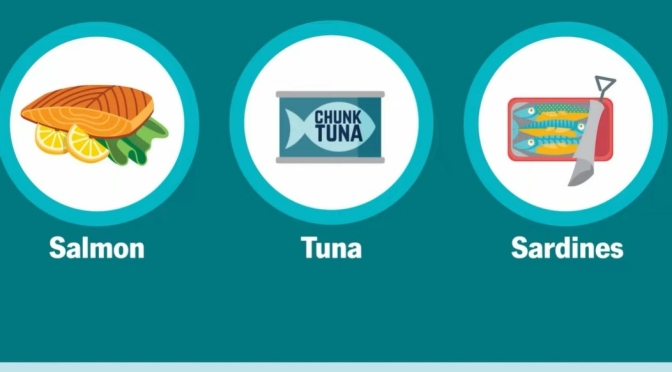
Type 2 Diabetes: Benefits Of Insulin Resistance Diet

Cleveland Clinic (May 25, 2023) – What you eat matters. You may be able to prevent insulin resistance, which can lead to Type 2 diabetes by eating a well-balanced diet. This video shares 7 tips to help prevent or manage insulin resistance.

Chapters: 0:00 What is insulin resistance? 0:34 Pick low calorie foods 0:41 Lean meats and fish 0:53 Look for high fiber ingredients 1:04 Swap full fat for low-fat 1:20 Use olive or sesame oils 1:35 Choose whole grains 1:46 Consider a low-glycemic diet 1:50 Small changes over time

Insulin Resistance

Insulin resistance is a complex condition in which your body does not respond as it should to insulin, a hormone your pancreas makes that’s essential for regulating blood sugar levels. Several genetic and lifestyle factors can contribute to insulin resistance.

Health: How The Pandemic Reshaped American Life

Image

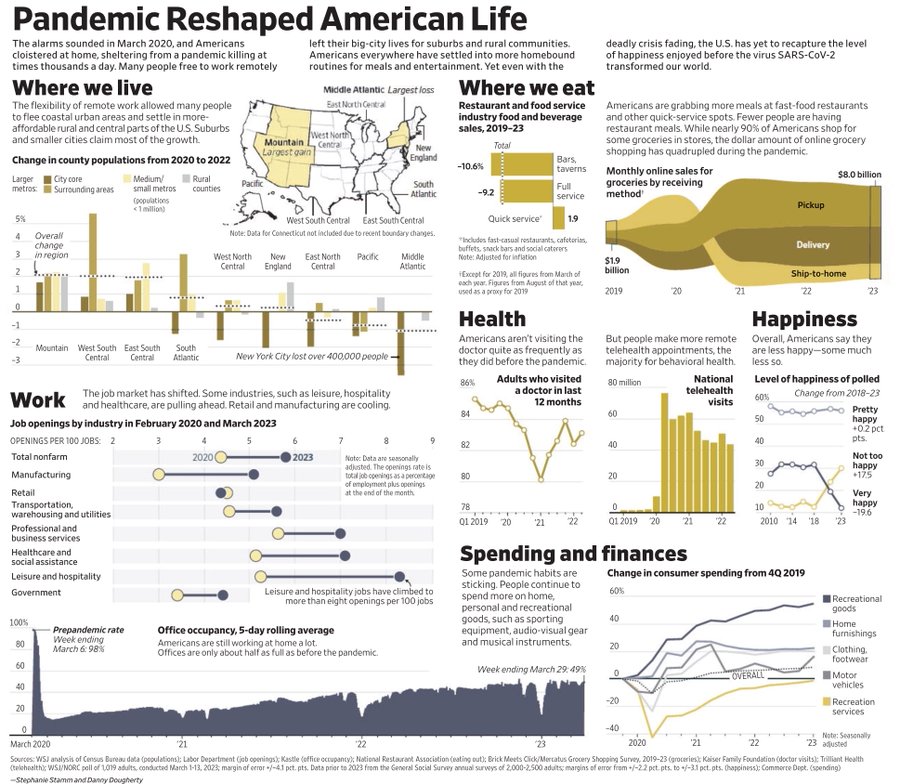
Wall Street Journal (May 5, 2023) – The alarms sounded in March 2020, and Americans cloistered at home, sheltering from a pandemic killing at times thousands a day. Many people free to work remotely left their big-city lives for suburbs and rural communities. Americans everywhere have settled into more homebound routines for meals and entertainment. Yet even with the deadly crisis fading, the U.S. has yet to recapture the level of happiness enjoyed before the virus SARS-CoV-2 transformed our world.

READ MORE AT WSJ

Type 2 Diabetes Studies: 65% Higher Death Rates With ‘Sweetened Drinks’

Image

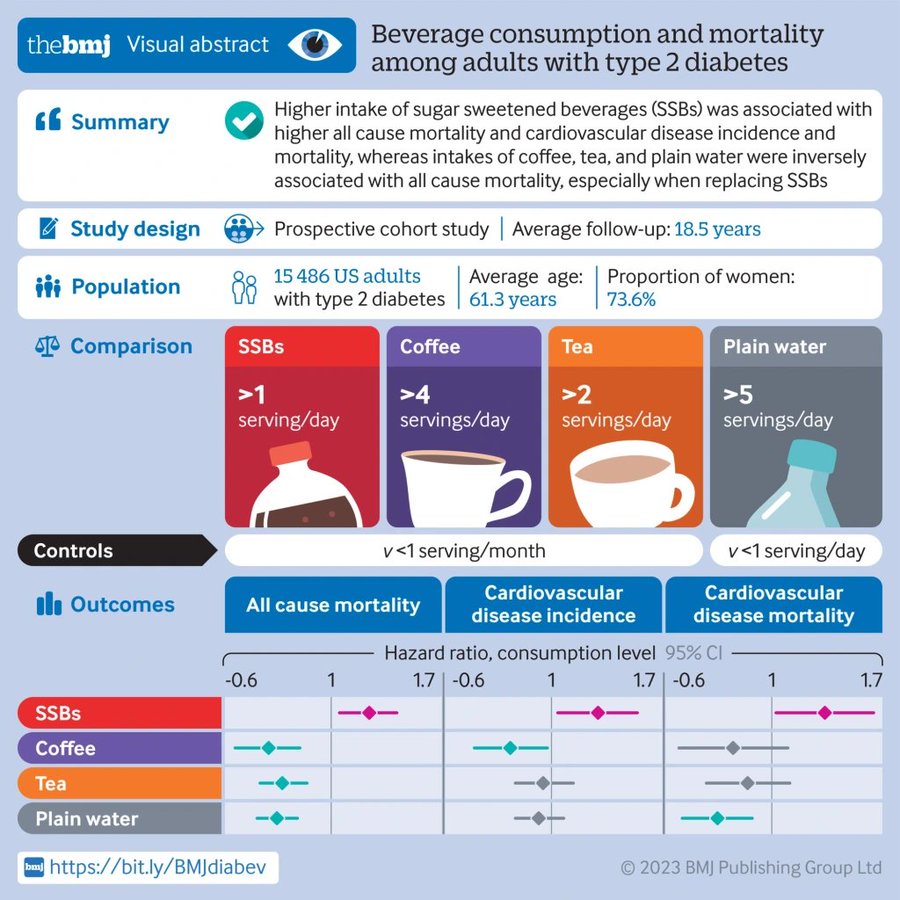
The BMJ (Published April 19, 2023) – Conclusions: Individual beverages showed divergent associations with all cause mortality and CVD outcomes among adults with type 2 diabetes. Higher intake of SSBs was associated with higher all cause mortality and CVD incidence and mortality, whereas intakes of coffee, tea, plain water, and low fat milk were inversely associated with all cause mortality. These findings emphasize the potential role of healthy choices of beverages in managing the risk of CVD and premature death overall in adults with type 2 diabetes.

READ COMPLETE BMJ RESEARCH STUDY

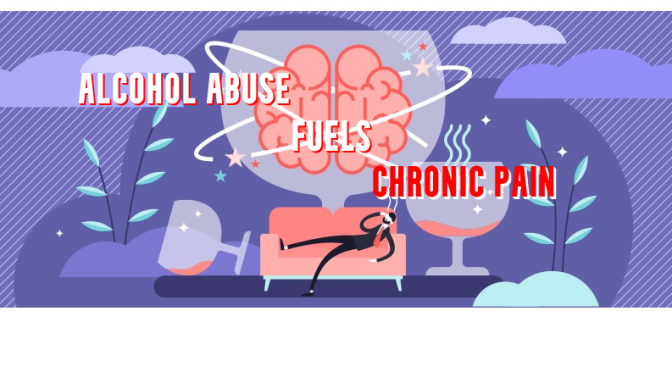
Studies: Alcohol Abuse Increases Chronic Pain

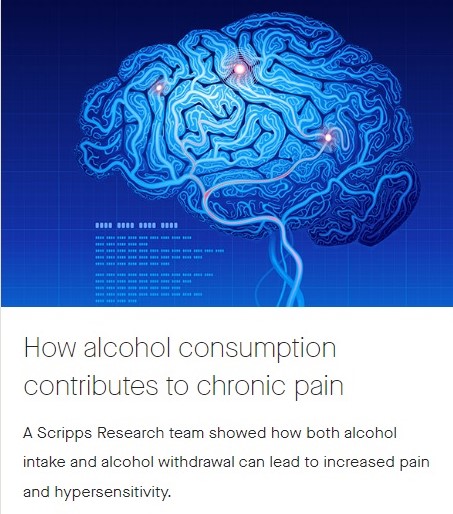
Scripps Research (April 21, 2023) – Chronic alcohol consumption may make people more sensitive to pain through two different molecular mechanisms—one driven by alcohol intake and one by alcohol withdrawal. That is one new conclusion by scientists at Scripps Research on the complex links between alcohol and pain.

The research, published in the British Journal of Pharmacology on April 12, 2023, also suggests potential new drug targets for treating alcohol-associated chronic pain and hypersensitivity.

“There is an urgent need to better understand the two-way street between chronic pain and alcohol dependence,” says senior author Marisa Roberto, PhD, the Schimmel Family Chair of Molecular Medicine, and a professor of neuroscience at Scripps Research. “Pain is both a widespread symptom in patients suffering from alcohol dependence, as well as a reason why people are driven to drink again.”

Alcohol use disorder (AUD), which encompasses the conditions commonly called alcohol abuse, alcohol dependence and alcohol addiction, affects 29.5 million people in the U.S. according to the 2021 National Survey on Drug Use and Health.  Over time, AUD can trigger the development of numerous chronic diseases, including heart disease, stroke, liver disease and some cancers.

READ MORE AT SCRIPPS RESEARCH

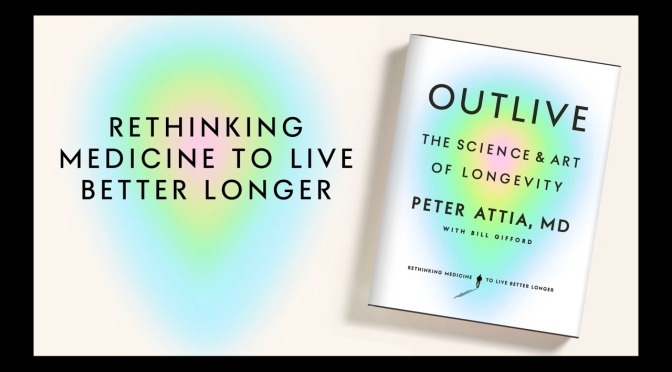
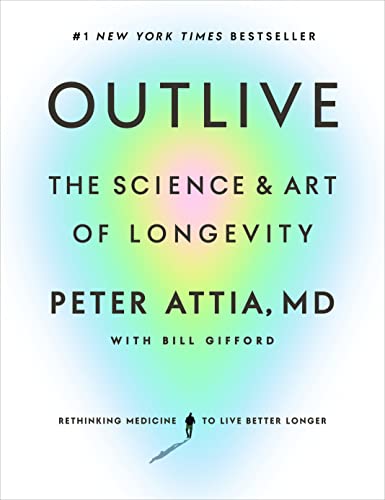
Healthy Aging: ‘Outlive – The Science And Art Of Longevity’ By Peter Attia

Trained as an oncological surgeon, Attia became interested in longevity because he saw that the “Four Horsemen” worked against it: diabetes, heart disease, cancer, and Alzheimer’s disease. All play a role in an unhealthy system, and all interrelate.

‘OUTLIVE – THE SCIENCE & ART OF LONGEVITY’ BY PETER ATTIA, MD

Outlive: The Science and Art of Longevity - Kindle edition by Attia MD,  Peter . Health, Fitness & Dieting Kindle eBooks @ Amazon.com.

A data- and anecdote-rich invitation to live better, and perhaps a little longer, by making scientifically smart choices.

If you have Type 2 diabetes, then your chances of developing heart disease, cancer, and neurological disorders increases, and if your goal is to live well in old age, then it behooves you to change your ways in order to keep your insulin reception levels in the clear. How to do so?

READ MORE AT KIRKUS REVIEWS

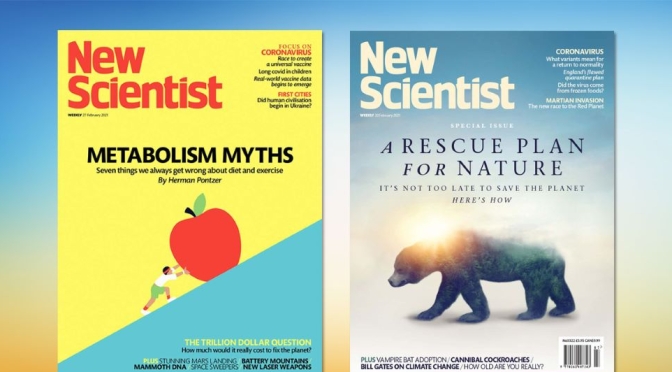
Research: New Scientist Magazine – April 15, 2023

New Scientist | Science news, articles, and features

New Scientist Magazine April 15, 2023 issue:

How do we know that therapy works, and which kind is best for you?

How do we know that therapy works, and which kind is best for you?

Psychotherapy has never been more available and yet, with so many options, it can be hard to know where to start. Thankfully, researchers are getting to grips with what really works and why

The Power of Language review: What speaking many languages can do

Physicist David Wolpert on how to study concepts beyond imagination

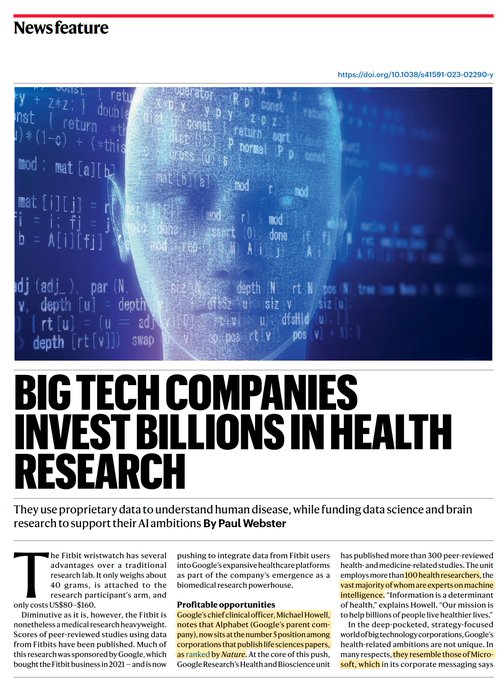
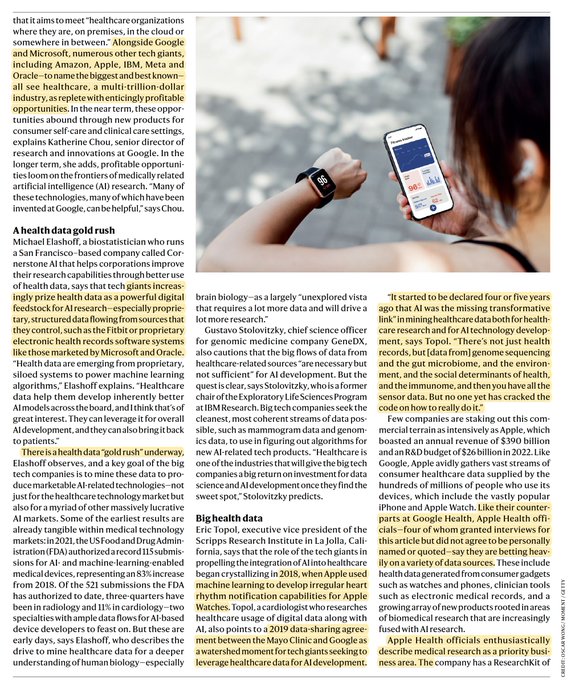
Healthcare: The Digital Medicine Revolution

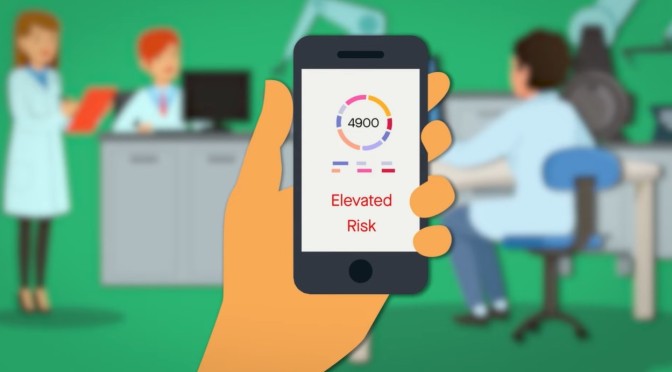
Scripps Research (April 11, 2023) – From smartwatches and fitness bands to glucose monitors and in-home ultrasounds, the proliferation of digital devices is igniting a revolution in healthcare and medical research.

Patients can now collect thousands of data points about themselves and share that information with their healthcare providers. At the Scripps Research Translational Institute, researchers are taking advantage of new technology to study disease in novel ways.

Their projects include a platform for early detection of disease outbreaks, a sleep quality study, and even a way to predict and individual’s risk of certain disease based on their genetics. In this video, hear directly from the team about this exciting new frontier.

READ MORE

BIPOLAR DISORDER: HOW IT IS DIAGNOSED & MANAGED

Cleveland Clinic (April 6, 2023) – About 5.7 million adults in the U.S. have bipolar disorder. The lifelong mental health condition, which includes four different types, is known for the maniac and depressive episodes someone experiences.

Chapters: 0:00 Intro 0:26 What is bipolar disorder? 0:50 What does a manic episode feel like? 1:18 What does a depressive episode feel like? 2:00 How to manage bipolar disorder

What is bipolar disorder?

Bipolar disorder (formerly known as manic-depressive illness or manic depression) is a lifelong mood disorder and mental health condition that causes intense shifts in mood, energy levels, thinking patterns and behavior. These shifts can last for hours, days, weeks or months and interrupt your ability to carry out day-to-day tasks.

There are a few types of bipolar disorder, which involve experiencing significant fluctuations in mood referred to as hypomanic/manic and depressive episodes. However, people with bipolar disorder aren’t always in a hypomanic/manic or depressive state. They also experience periods of normal mood, known as euthymia.

READ MORE at Cleveland Clinic