There are far too few workers in the U.S. to meet rising demand, a problem exacerbated by an aging population, low birthrates, and stifled immigration. It could become one of the biggest economic challenges of the next several decades.
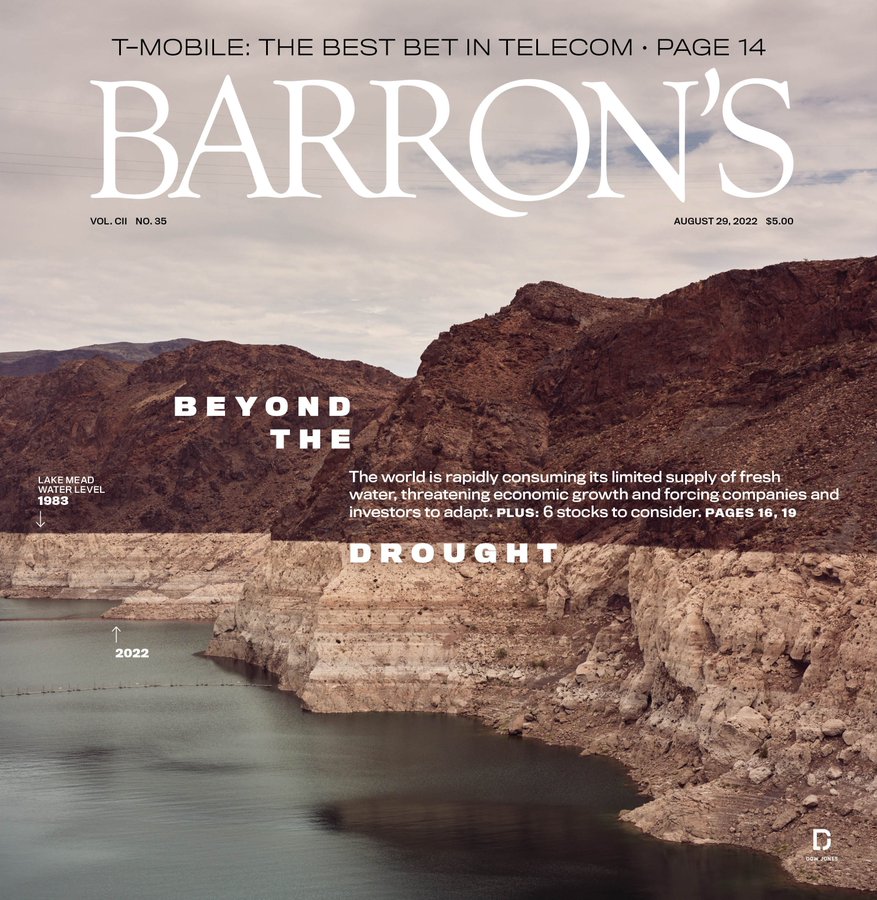
The scarcity of fresh water is rapidly emerging as a global economic threat that could disrupt businesses, crimp profits, and jeopardize growth. Companies, regulators, and investors are starting to react.
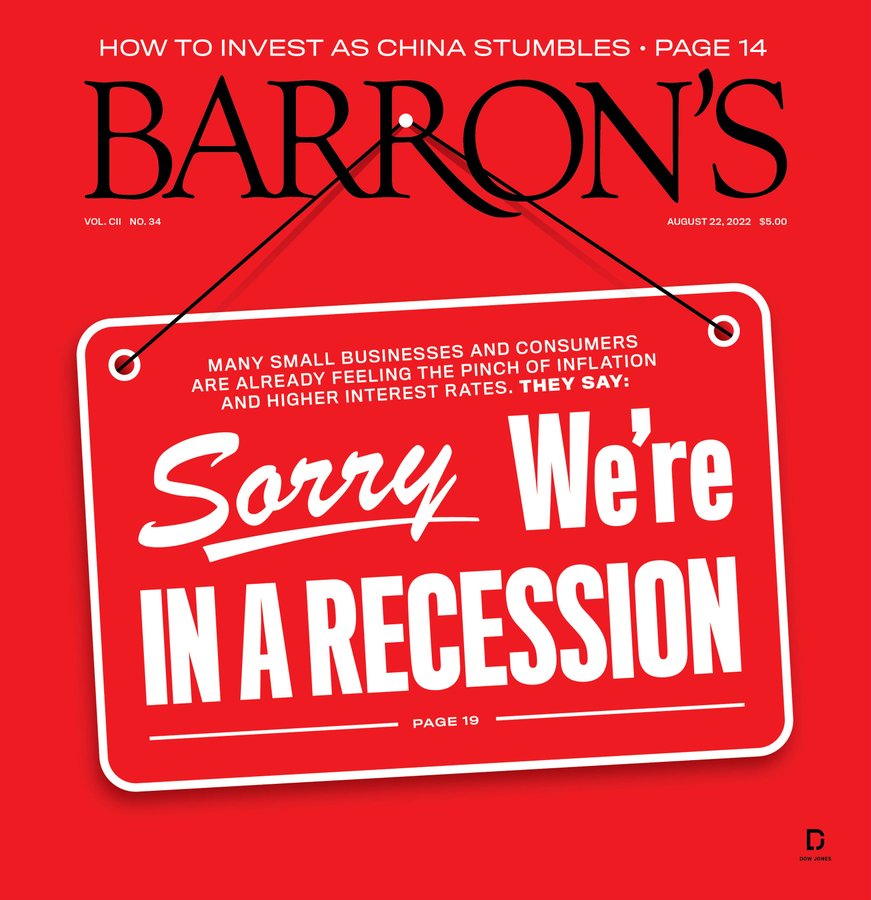
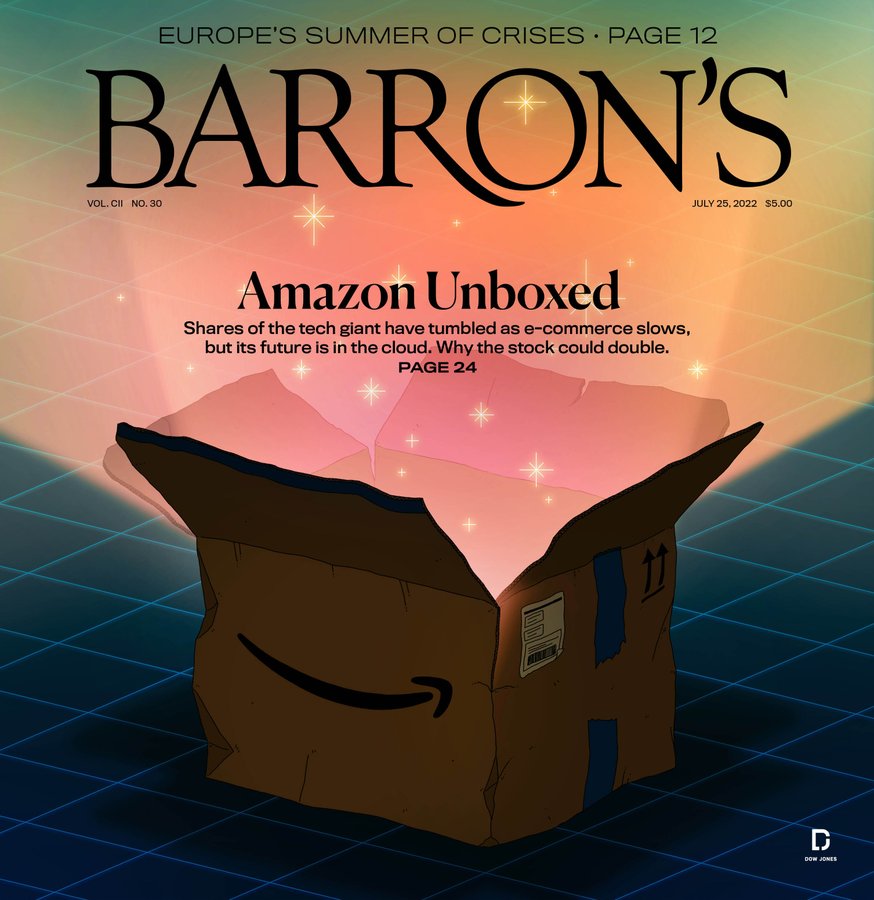
Despite the market bounce driven by the release of federal oil reserves, small businesses and households are straining under the pressure of still-high inflation, an unbalanced labor market, and dwindling savings.
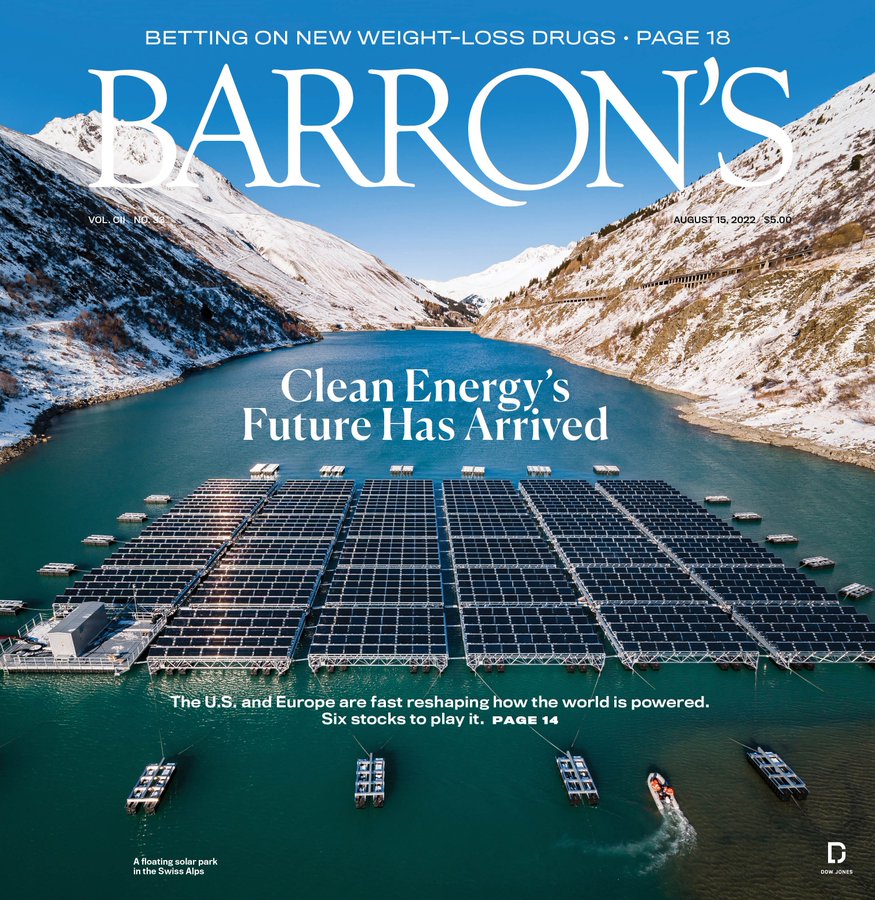
The U.S. climate bill, along with a parallel initiative in Europe, could reshape global energy. Plug Power, Sunrun, and other companies could make the most of the new opportunities in renewables.
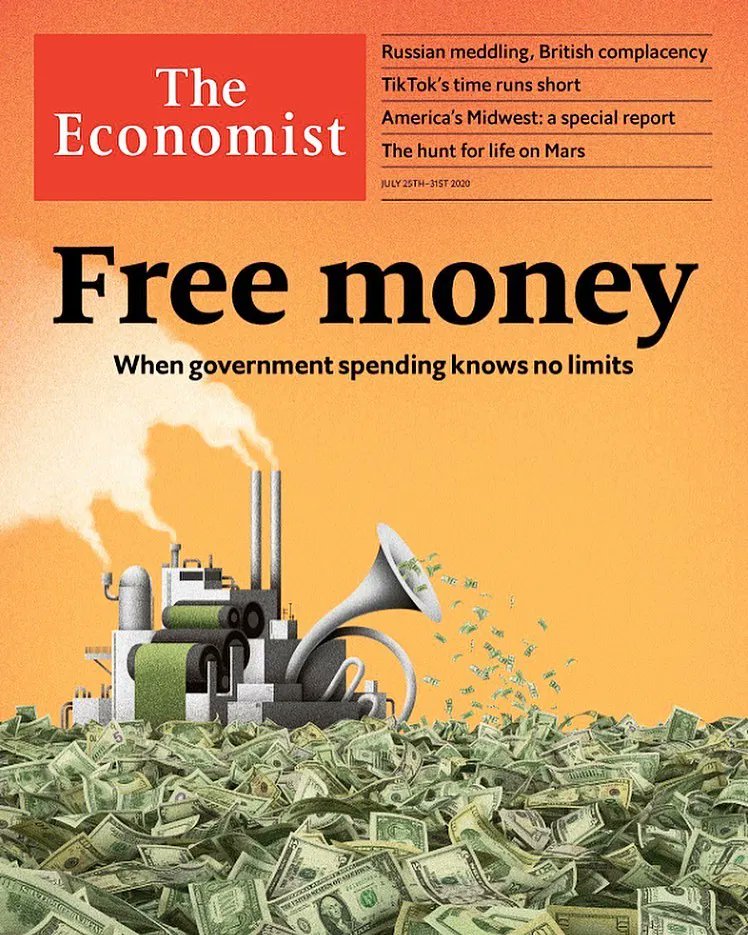
Budget constraints have gone missing. That presents both danger and opportunity
It is sometimes said that governments wasted the global financial crisis of 2007-09 by failing to rethink economic policy after the dust settled. Nobody will say the same about the covid-19 pandemic. It has led to a desperate scramble to enact policies that only a few months ago were either unimaginable or heretical. A profound shift is now taking place in economics as a result, of the sort that happens only once in a generation. Much as in the 1970s when clubby Keynesianism gave way to Milton Friedman’s austere monetarism, and in the 1990s when central banks were given their independence, so the pandemic marks the start of a new era. Its overriding preoccupation will be exploiting the opportunities and containing the enormous risks that stem from a supersized level of state intervention in the economy and financial markets.
A selection of three essential articles read aloud from the latest issue of The Economist. This week, why ESG should be boiled down to emissions, why the Tory leadership race should focus on Britain’s growth challenge (10:00), and how software developers aspire to forecast who will win a battle (18:20).



 Boomers Daily