Art Capital Paris is a current art fair bringing together more than 2,000 artists from around the world in the capital and allowing encounters between the public, the artists and the works. Each edition welcomes more than 40,000 visitors from all over France. Canceled in 2021 due to the health situation, the Art Capital de Paris fair returns from February 16 to 20, 2022!
For more than 100 years, this fair has taken place in the Grand Palais des Champs-Elysées, although this year, due to works, it will take place in the Grand Palais Éphémère – located on the Champ de Mars, facing the Eiffel Tower. .
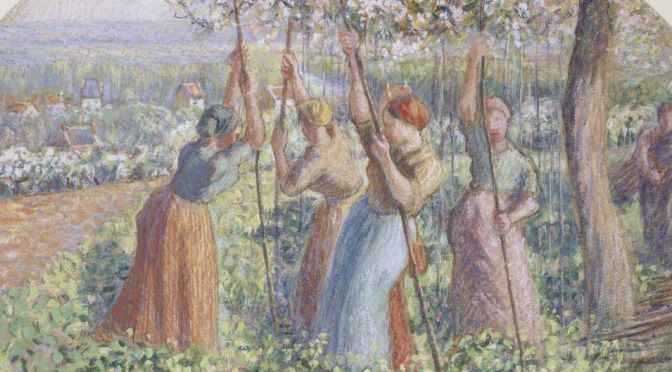
This major exhibition, of works drawn from the Ashmolean’s collections as well as international loans, will span Pissarro’s entire career.
Camille Pissarro (1830–1903) is one of the most celebrated artists of nineteenth-century France and a central figure in Impressionism. Considered a father-figure to many in the movement, his work was enormously influential for many artists, including Claude Monet and Paul Cézanne. It opens in spring 2022.
The department of European and American Art Before 1900 oversees a collection that includes more than 3,000 artworks and is composed of painting, sculpture, and works on paper, with significant strengths in early Italian Renaissance, 19th century French painting, and British art from 1400 to 1900.
The Denver Art Museum began acquiring notable examples of European art as early as the 1930s, with donations from Samuel H. Kress, Mr. and Mrs. Simon Guggenheim, and the Havemeyers, to name a few. Their generosity helped initiate a collection that grew in time through gifts and purchases.
Philip C. Curtis saw the desert through a lens of magic realism.
Landscape remains one of the most popular subjects for artists visiting and residing in Arizona. Philip C. Curtis, while not known as a landscape painter, draws extensively on that subject. Curtis came to the state in 1937 to establish the Phoenix Federal Art Center under the Federal Art Project, a New Deal program. He left two years later to head a similar facility in Des Moines, Iowa, but returned to Arizona in 1947.
Settling in Scottsdale, he painted surreal compositions, with figures in Victorian costumes set in the desert. Arizona’s landscapes were a rich source of inspiration for him, and while his canvases do not portray any recognizable geological features, his work may be contextualized within the work of a broad spectrum of artists who came to the state. Curtis saw the desert through a lens of magic realism. This differed from Maxfield Parrish, Eugene Berman, and other artists who preferred more representational modes.
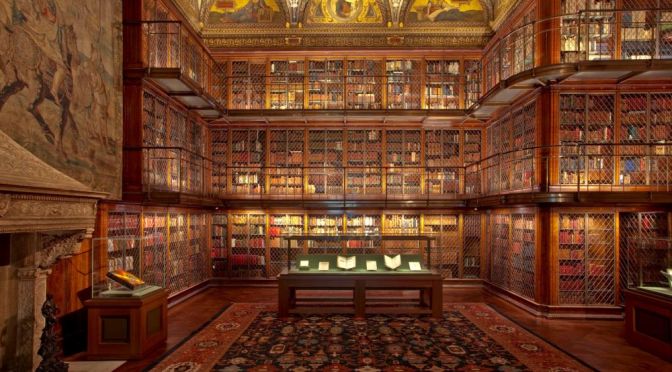
Building on the Morgan’s tradition of presenting to the American public distinguished works from outstanding institutions abroad, Van Eyck to Mondrian: 300 Years of Collecting in Dresden focuses on the exceptional drawing collection of the Kupferstich-Kabinett, Dresden.
Established by Augustus II the Strong, Elector of Saxony, in 1720, the museum is one of the oldest and finest depositories of works on paper in the world. The exhibition celebrates pivotal moments and key traditions in the history of European draftsmanship. Most remarkably, it will feature Jan van Eyck’s Portrait of an Elderly Man (ca. 1435–40)—an exceptionally rare drawing by the great Netherlandish Renaissance painter, which has never before traveled to the United States.
The Kupferstich-Kabinett’s strength in Northern Renaissance and Baroque drawings will be further showcased through works by Lucas Cranach the Elder, Hans Holbein the Younger, Rembrandt, and Rubens, while the museum’s rich holdings of Southern European works will be represented by Correggio, Bronzino, Sofonisba Anguissola, and others.
Among works produced in the nineteenth and twentieth centuries, highlights include studies by Caspar David Friedrich, Goya, Käthe Kollwitz, Gustav Klimt, Otto Dix, and Piet Mondrian.
Timothy J. Standring, Curator Emeritus at the Denver Art Museum, discusses Mary Cassatt, including “Mother and Child,” one of her most important works.
James Abbott McNeill Whistler challenged traditional approaches to painting by focusing more on colors and composition rather than the subject matter. In this video, Timothy J. Standring, Curator Emeritus at the Denver Art Museum, takes a look at Whistler’s artistic journey to finding his unique style.
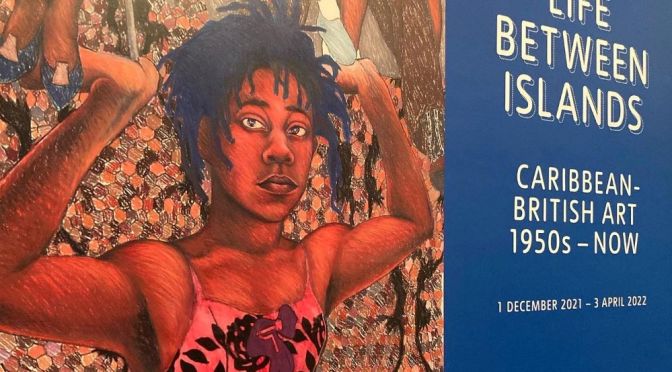
'An unmissable testament to creativity' ★★★★★ The Guardian #LifeBetweenIslands is open now at Tate Britain! 📢 This landmark show celebrates 70 years of Caribbean-British art through over 40 artists. Book your tickets today: https://t.co/bZZxLWkfkhpic.twitter.com/rs2ndnhD5R
Albrecht Dürer’s drawings, paintings and prints make up some of the most iconic images in the history of art and have influenced generations of artists. Through paintings, drawings, prints, and letters, our exhibition ‘Dürer’s Journeys: Travels of a Renaissance Artist’ brings to life this art history megastar and the people and places he visited. ‘The Credit Suisse Exhibition: Dürer’s Journeys: Travels of a Renaissance Artist’ Until 27 February 2022
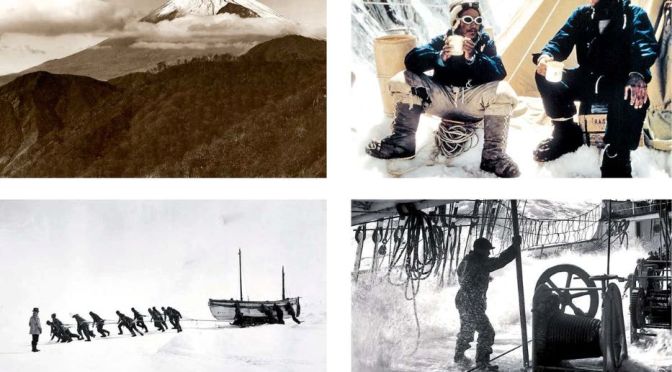
Magnificient adventures are captured in this selection of photographic firsts, some of the earliest images from each location, taken by world-renowned photographers including Gertrude Bell, Carleton Watkins, Isabella Bird, Herbert Ponting and Frank Hurley.
The images all feature in the ongoing Lights and Shadows exhibition, organised by the Royal Geographical Society in London, and are taken from the society’s historic image collection, revealing something of the marked progress of photography between 1851 and 1962, as well as providing a useful reference for economic, environmental or climatic change that has happened since they were taken. Read more: https://www.newscientist.com/article/…
In 1973, Bob Dylan published Writings and Drawings, a book of his lyrics, some of which were accompanied by original drawings. The original drawings will be exhibited at the Frost for the first time.





 Boomers Daily