

As online shopping sees its biggest holiday season ever, hackers are sending fake delivery notices impersonating Amazon, UPS and FedEx, with scams up 72% from last year and 440% from October to November. Clicking a fake shipping notification link can launch ransomware or launch a counterfeit branded site to trick users into entering credit card and personal information to “reroute” a package that never existed.
Category Archives: Digital
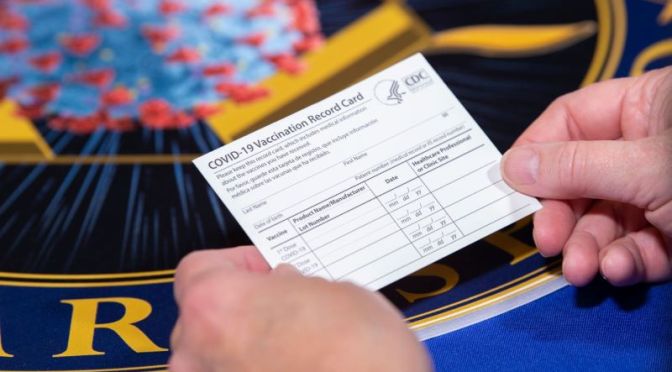
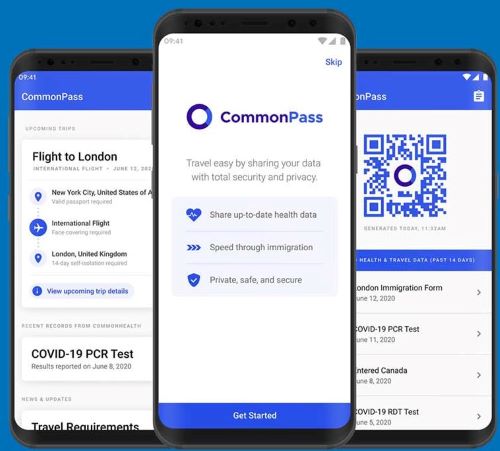
Health: ‘CommonPass’ Smartphone App Confirms Covid-19 Vaccinations
In the coming weeks, major airlines including United, JetBlue and Lufthansa plan to introduce a health passport app, called CommonPass, that aims to verify passengers’ virus test results — and soon, vaccinations. The app will then issue confirmation codes enabling passengers to board certain international flights. It is just the start of a push for digital Covid-19 credentials that could soon be embraced by employers, schools, summer camps and entertainment venues.
The advent of electronic vaccination credentials could have a profound effect on efforts to control the coronavirus and restore the economy. They could prompt more employers and college campuses to reopen. They may also give some consumers peace of mind, developers say, by creating an easy way for movie theaters, cruise ships and sports arenas to admit only those with documented coronavirus vaccinations.
The CommonPass, IBM and Clear apps, for instance, allow users to download their virus test results — and soon their vaccinations — to their smartphones. The apps can then check the medical data and generate unique confirmation codes that users can show at airports or other locations to confirm their health status.
But the health passes do not share specific details — like where and when a user was tested — with airlines or employers, developers said. The QR codes, they said, act merely as a kind of green light, clearing users for entry.
Social Media: ‘Tik Tok As A Platform For Business’
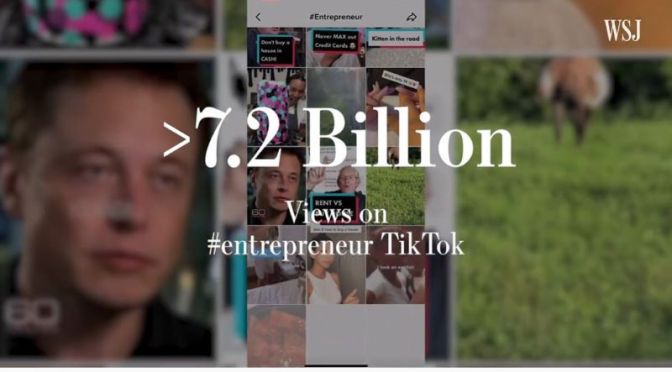
TikTok is becoming a popular forum for Gen-Z and Millennials to learn about entrepreneurship and making money. To find out more, WSJ spoke with three TikTokers who are attracting large audiences that support their thriving online businesses.

Digital Magazines: ‘The Scientist – December 2020’

Smartphone Apps: ‘The Rise Of Google Maps’ (Video)
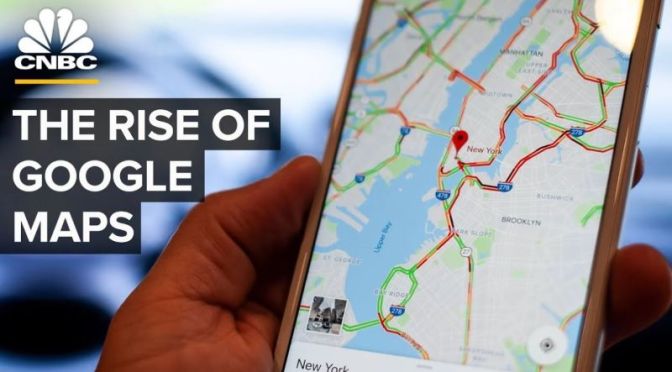
Google Maps has taken on competitors like MapQuest, Yahoo and Apple. But after a decade of investing, collecting data and billions of images through Street View, Google has over a billion monthly users. It updated tens of thousands of times a day and has mapped more than 220 countries and territories. Here’s a look at how Google came to dominate maps.

Health: ‘Risks & Benefits Of AI Revolution In Medicine’

It has taken time — some say far too long — but medicine stands on the brink of an AI revolution. In a recent article in the New England Journal of Medicine, Isaac Kohane, head of Harvard Medical School’s Department of Biomedical Informatics, and his co-authors say that AI will indeed make it possible to bring all medical knowledge to bear in service of any case.
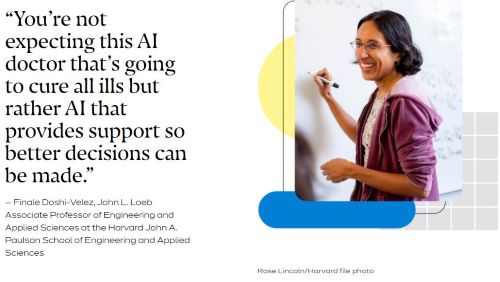
Properly designed AI also has the potential to make our health care system more efficient and less expensive, ease the paperwork burden that has more and more doctors considering new careers, fill the gaping holes in access to quality care in the world’s poorest places, and, among many other things, serve as an unblinking watchdog on the lookout for the medical errors that kill an estimated 200,000 people and cost $1.9 billion annually.
“I’m convinced that the implementation of AI in medicine will be one of the things that change the way care is delivered going forward,” said David Bates, chief of internal medicine at Harvard-affiliated Brigham and Women’s Hospital, professor of medicine at Harvard Medical School and of health policy and management at the Harvard T.H. Chan School of Public Health. “It’s clear that clinicians don’t make as good decisions as they could. If they had support to make better decisions, they could do a better job.”

Smart Technology: ‘The Internet Of Bodies’ (IoB)
Internet-connected “smart” devices are increasingly available in the marketplace, promising consumers and businesses improved convenience and efficiency. Within this broader Internet of Things (IoT) lies a growing industry of devices that monitor the human body and transmit the data collected via the internet.
This development, which some have called the Internet of Bodies (IoB), includes an expanding array of devices that combine software, hardware, and communication capabilities to track personal health data, provide vital medical treatment, or enhance bodily comfort, function, health, or well-being. However, these devices also complicate a field already fraught with legal, regulatory, and ethical risks. In this video,
RAND mathematician Mary Lee examines this emerging collection of human body–centric and internet-connected technologies; explores their benefits, security and privacy risks, and ethical implications; surveys the nascent regulatory landscape for these devices and the data they collect; and makes recommendations to balance IoB risks and rewards.
Read more about the Internet of Bodies here: https://www.rand.org/pubs/research_re…

New Design Magazines: “Wallpaper – August 2020”
Welcome to the August issue, where we introduce Wallpaper* Re-Made – our new flagship project and an evolution of Wallpaper* Handmade, our decade-long initiative connecting designers, creatives, makers and manufacturers. We have pushed ourselves and our creative collaborators to absorb the lessons of decades of activism, environmentalism and innovation, and to focus more sharply on inspiration and intent.
 Boomers Daily