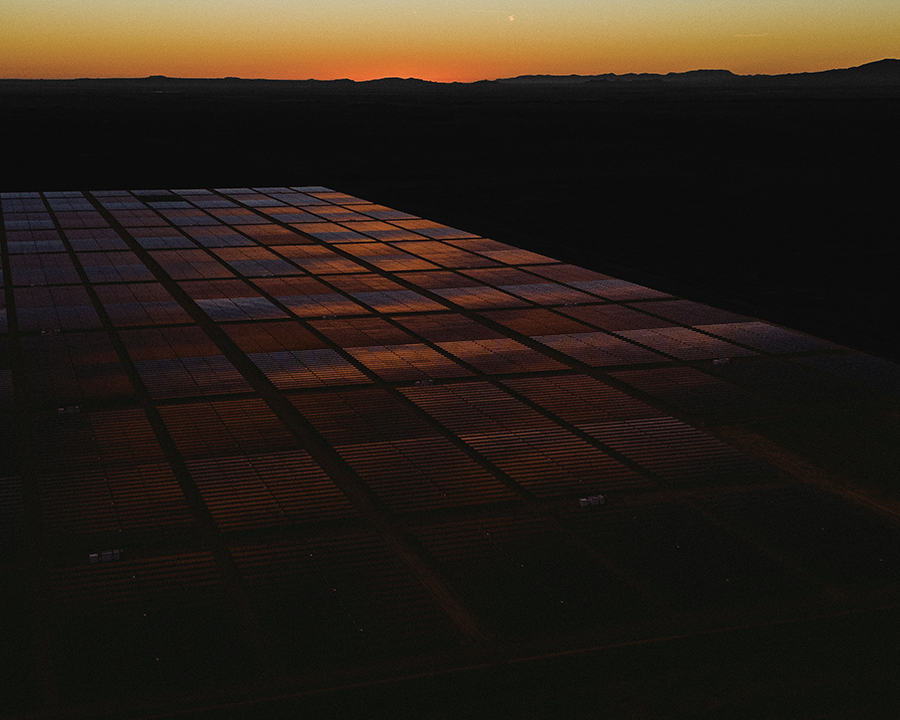
Steidl – In Edward Burtynsky’s recent photographs, produced across the African continent, the patterns and scars of human-altered landscapes initially appear to form an abstract painterly language; they reference the sublime and often surreal qualities of human mark-making.
While chronicling the major themes of terraforming and extraction, urbanization and deforestation, African Studies conveys the unsettling reality of sweeping resource depletion on both a human and industrial scale.
From natural landscapes to artisanal mining and mechanized extraction, several distinct chapters culminate with China in Africa: a series depicting the economic inroads being made by China, including the interiors of gigantic newly built manufacturing plants. This project brings together the work of seven years, presenting the latest installment in Burtynsky’s ongoing œuvre.
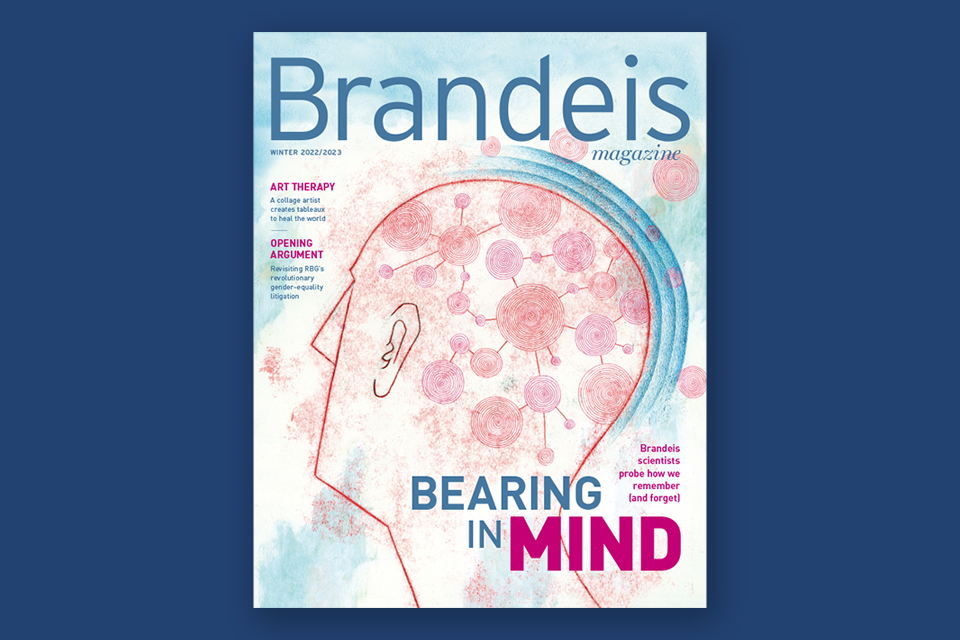
How are memories created and preserved? Brandeis scientists are studying the brain to find out — and, ultimately, untangle disorders like Alzheimer’s and dementia.
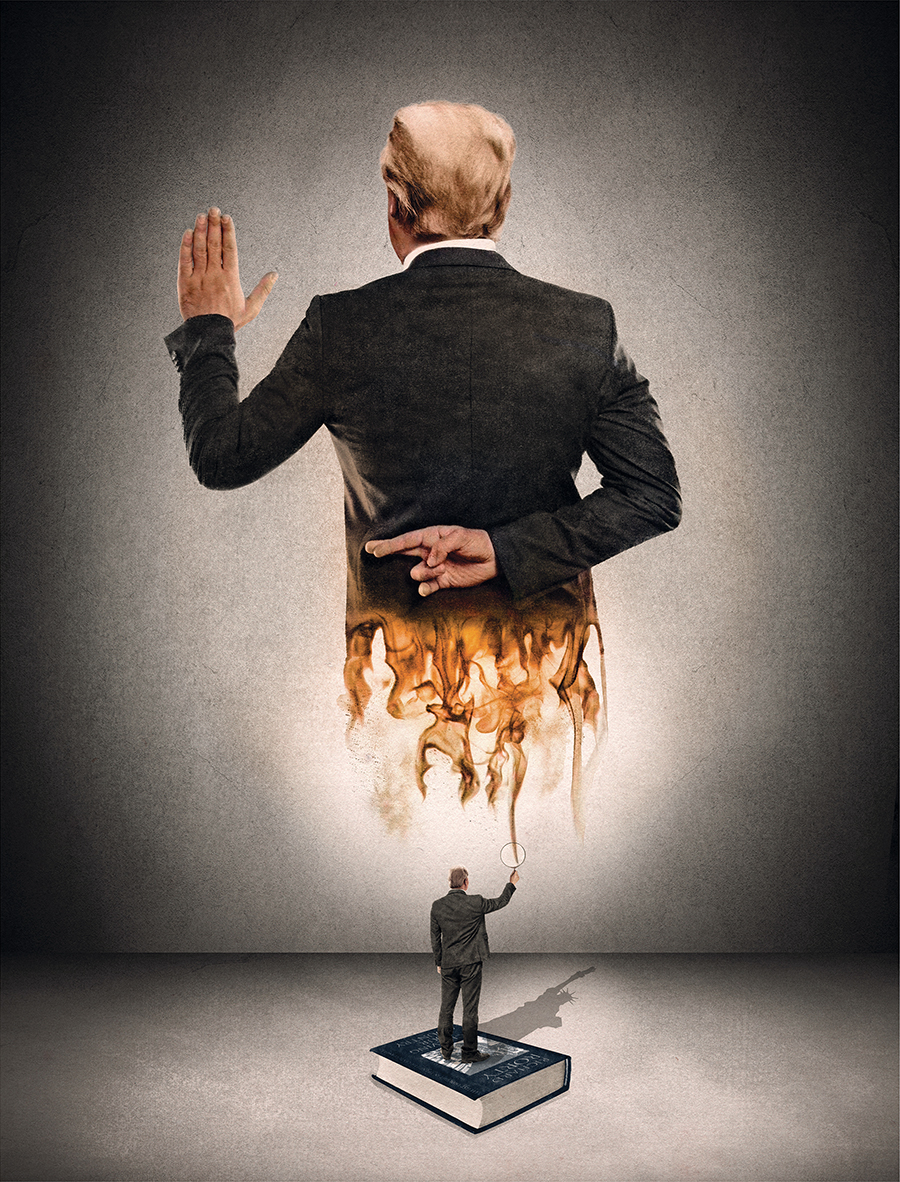
Twenty-five years ago, the philosopher Richard Rorty accomplished something many writers aspire to but few ever pull off: he predicted the future. Toward the end of his 1998 book Achieving Our Country, Rorty considered the possibility that “the old industrialized democracies are heading into a Weimar-like period, one in which populist movements are likely to overturn constitutional governments.”
The gathering of syrup from maple trees in the woodlands of Canada and the northeastern United States is an ancient practice that had helped sustain Indigenous peoples for thousands of years. Yet during the colonial era, some lost their connection to the tree and its ceremonies. Only recently have many started to reclaim it.
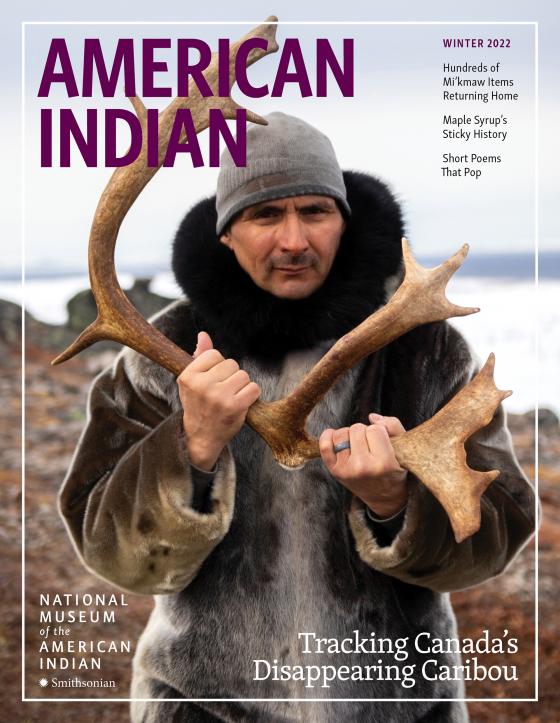
Robert Watt shot his first caribou when he was eight years old. A small group from his Inuit community of Kuujjuaq in northern Quebec had traveled upriver toward the confluence of the Larch and Caniapiscau Rivers to hunt the animals. The memory of that day almost four decades ago still lingers. “The air was crisp and cold,” recalled Watt. “You could see your breath.”













 Boomers Daily