
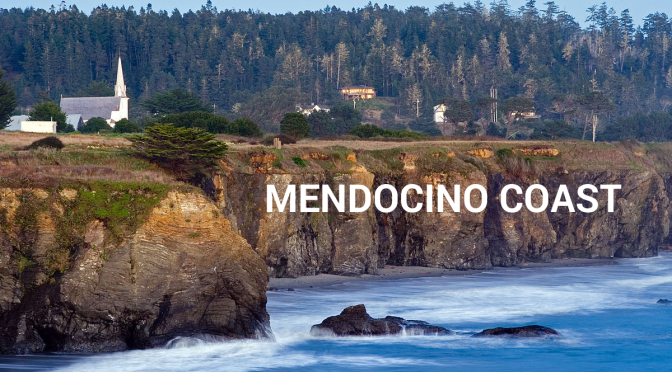
From Wall Street Journal article by Ryan Haase:
“With its wind-washed cottages and water towers, the town of Mendocino looks like it was built by a seafaring crowd rather than a tree-felling one, even though forestry was once big business here. After it faded by the 1950s, artists came in and now Mendocino pumps out pottery, paintings, glassware, jewelry and woodwork.”
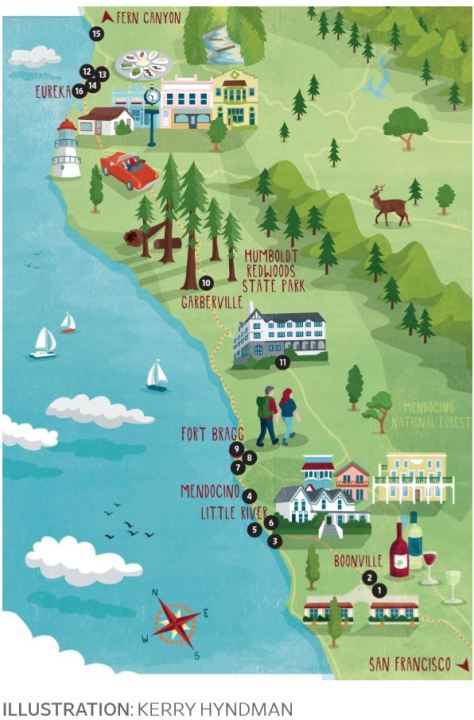
NORTHERN California’s coastal stretches have long lured roadtrippers, even before John Steinbeck, his wife, Elaine, and their peripatetic poodle rumbled down the Pacific Coast in 1960. In “Travels With Charley,” Steinbeck famously enthused about ogling the “ambassadors from another time,” referring to the region’s ancient redwoods. Last summer, as wildfires raged uncomfortably close to those redwood forests, four-wheeled vacationers steered clear. By the year’s end, fires burned more than half a million acres in Northern California alone, but largely spared the coastal woods and villages. Now that the smoke is clear and driving-vacation season is shifting into high gear, we’ve designed a detailed three-night itinerary. You set out from San Francisco, snake through Mendocino County and then on to Humboldt County, with the landscape growing wilder with each mile.
Read more by clicking link below:
https://www.wsj.com/articles/the-quintessential-california-road-only-better-11558701425
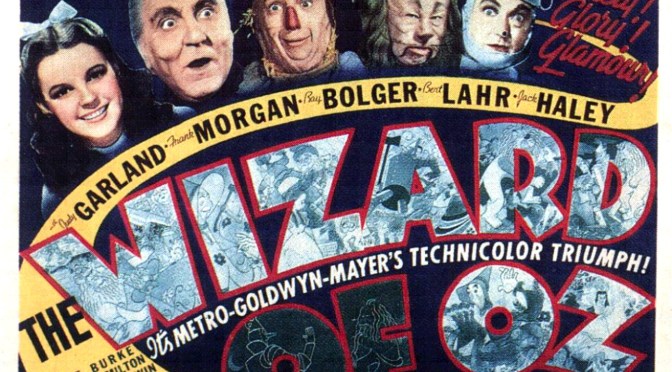
 “…from Elton John’s albumGoodbye Yellow Brick Road to the Coen brothers’ O Brother, Where Art Thou?, which owes as much to Oz as it does to Homer’s Odyssey. Joel Coen once said: “Every movie ever made is an attempt to remake The Wizard of Oz.” In his 1992 essay about Fleming’s film, Salman Rushdie describes it as his “very first literary influence”. It was one of Derek Jarman’s favourite movies, and among the first he ever saw. (This is the key to its influence: the fact that everyone watches it in childhood. It seeps into your unconscious and stays there.) And there are the spin-offs, sequels and prequels – The Wiz, Return to Oz, Oz the Great and Powerful, Wicked.”
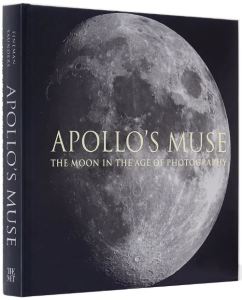 On July 20, 1969, half a billion viewers around the world watched as the first images of American astronauts on the moon were beamed back to the earth. The result of decades of technical innovation, this thrilling moment in the history of images radically expanded the limits of human vision.

 “How would he describe water, then? It’s the stuff of life. A fantasia of flavour. It is the world in a glass. Riese’s water menus (yes, there are such things) offer everything from water “harvested from icebergs freshly carved off glaciers in the remote fjords” of Norway, to 600m-year-old prehistoric water from Australia. It is also, on occasion, a trifle pricey. A bottle of that glacier water will set you back $150.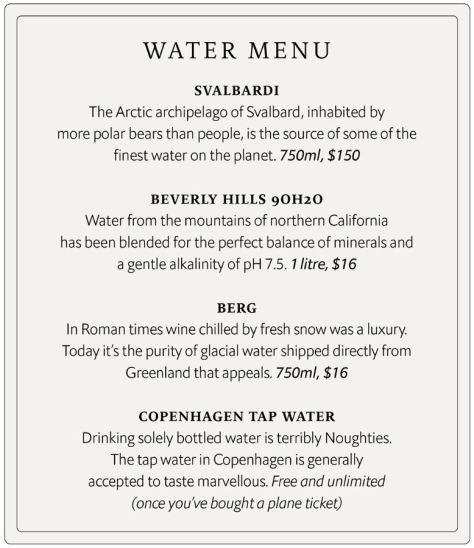





 Boomers Daily