Category Archives: Animals

Top Photography: African Cheetahs – The Great Swim

Discover the story behind one of this year’s most dramatic images through the lens of Highly Commended wildlife photographer Buddhilini de Soyza.

When the Mara and Talek rivers broke their banks in January 2020 due to unseasonal flooding, the famed Tano Bora coalition of cheetahs were faced with a difficult choice.

The Natural History Museum in London is home to over 80 million objects, including meteorites, dinosaur bones and a giant squid. Our channel brings the Museum to you – from what goes on behind the scenes to surprising science and stories from our scientists.
Views: ‘Primal Survivor – Escape The Amazon’ (2022)

Survivalist Hazen Audel embarks on a risky journey to escape the Amazon rainforest and travel 500 miles to the Atlantic coast. Of course his voyage won’t be easy and he encounters some of the jungle’s most fascinating and frightening wildlife. From an Anteater and Anaconda to a Tarantula and Tailless Whip Scorpion, this thrilling journey will be one to remember. Join Hazen on this remarkable adventure in Primal Survivor: Escape The Amazon, premieres Thursday 14th April at 9pm, on National Geographic UK.

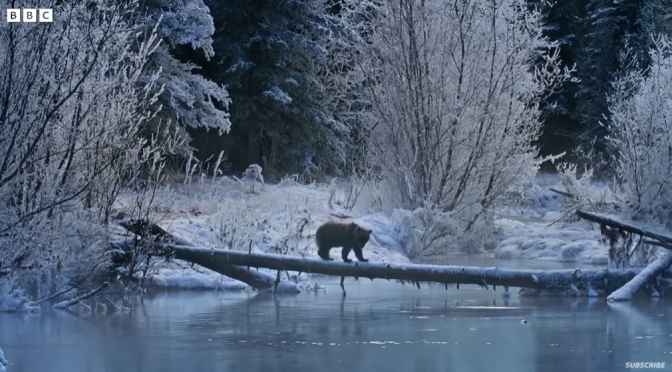
Alaska Wildlife: The Ice Bears Of The Yukon (BBC)

Remote and wild, the Yukon is a river of haunting beauty and dangerous extremes – a place where the ‘call of the wild’ is still strong. In summer, it is a relentless giant, carving its way 2,000 miles across Canada and Alaska. In winter, -50C temperatures transform it into a river of ice.

Home to grizzlies, moose and great runs of salmon, the Yukon lies at the heart of a vast northern wilderness. Bears delay their winter hibernation to fish for a final salmon feast, while the frozen river provides a lifeline for lynx and a race track for intrepid dog sledders. From indigenous hunters to gold-prospectors, musk ox to caribou, the Yukon’s natural riches have long sustained people and animals and continue to do so despite its changing fortunes.

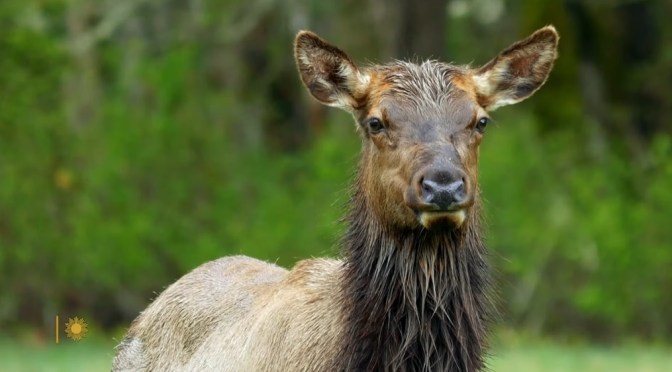
North Carolina Views: Elk In Great Smoky Mountains

“Sunday Morning” takes us among the elk and turkeys at the Great Smoky Mountains National Park in North Carolina. Videographer: Scot Miller.

Elk are the second-heftiest members of the deer family, after the bigger and darker-haired moose. While there’s really no mixing up those two giant deer, the names are definitely a cause for confusion from an international perspective. In Europe, what North Americans call moose are known as “elk.” The word “moose” is an indigenous North American (likely Algonquin) word, and in New England, early European colonists distinguished between the “black moose”—the moose as we know it today—and the “grey moose,” or elk.

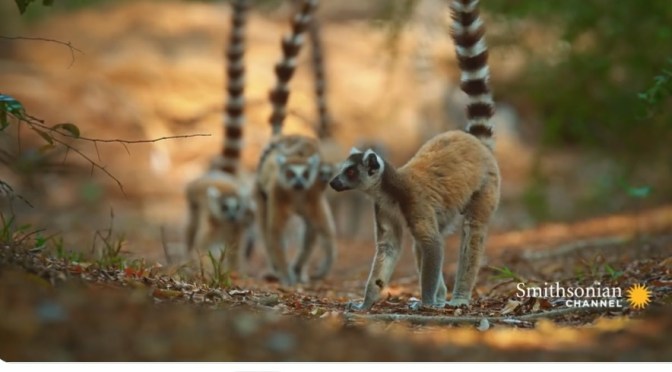
Island Views: The ‘Lemur Gangs’ Of Madagascar

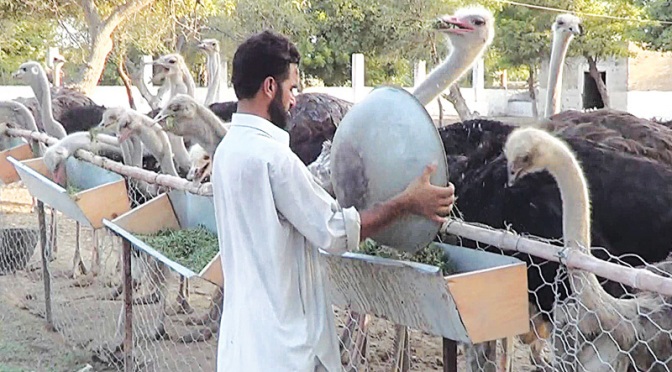
Business Views: Ostrich Farming In Pakistan

Ostrich meat may seem foreign to American taste buds, but it’s a common delicacy in parts of Africa, Australia, and the United Arab Emirates.

Now, Pakistan is trying to break into the market — but the industry is experiencing setbacks just as it was taking off, leaving a small group of farmers to keep it alive.

In 2016, the Pakistani government began a project to kick-start the ostrich industry there, offering subsidies to ostrich farmers. Soon, the number of ostrich farms in the country rose from about 60 to 400. Some observers called the industry a “gold mine.”

But in 2018, the subsidy program expired when the government declined to renew it.

Many of those farmers haven’t been able to pay off their initial investments.

“This business is more profitable than other livestock, but the farmer needs a lot of patience,” Raja Tahir Latif, an ostrich farmer who consulted on the government program, said. 

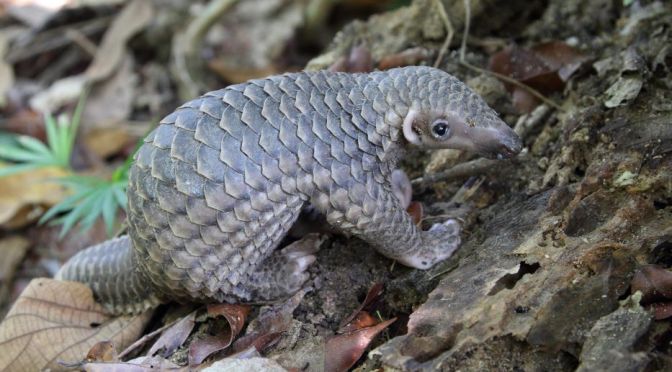
BBC Earth: The Movement To Protect Pangolins

In China, Maria joins forces with Angelababy, one of the country’s biggest megastars. She is taking a bold approach to addressing the demand for pangolin products.

Pangolins, sometimes known as scaly anteaters, are mammals of the order Pholidota. The one extant family, the Manidae, has three genera: Manis, Phataginus, and Smutsia. Manis comprises the four species found in Asia, while Phataginus and Smutsia include two species each, all found in sub-Saharan Africa.