David Attenborough recounts some of his timeless moments exploring the natural world with BBC Studios’ dedicated Natural History Unit. From his first major series Zoo Quest in 1954 to the amazing advances in technology that have made shows like The Green Planet possible.
Following the closure of numerous amateur stations, the BBC starts its first daily radio service in London. After much argument, news is supplied by an agency, and music drama and “talks” fill the airwaves for only a few hours a day. It isn’t long before radio is heard across the nation. This black and white footage from 1922 is silent.
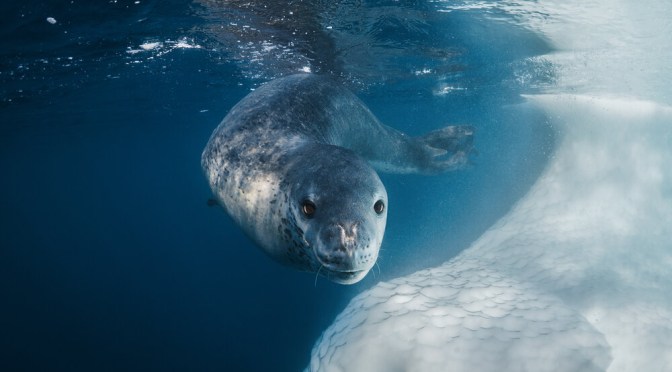
Take a peek behind the scenes of Frozen Planet 2 as the team battle conditions to film the hunting behaviours of leopard seals. The extreme cold and icy weather weren’t the only factors the team had to deal with, as some leopard seals got a little bit too curious for the crew’s liking…
The leopard seal, also referred to as the sea leopard, is the second largest species of seal in the Antarctic. Its only natural predator is the orca. It feeds on a wide range of prey including cephalopods, other pinnipeds, krill, birds, fish and penguins. It is the only species in the genus Hydrurga.
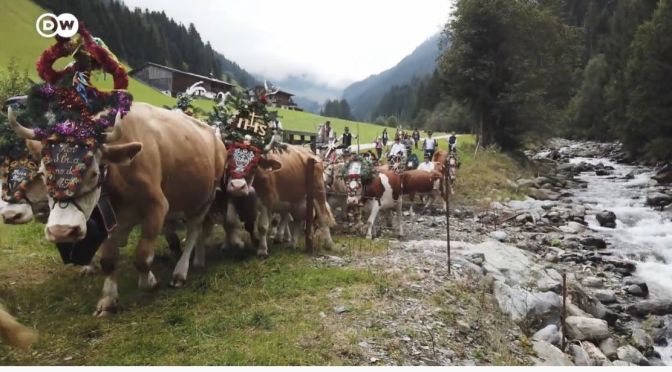
In an annual festive procession in the Tyrolean Alps known as the Almabtrieb, herders and specially groomed cattle descend into the valley after a summer in higher pastures. Their return to the foothill farms is marked with parades, parties and feasting.
The “Almabtrieb” is a custom that goes back 500 years. The steady clang of cowbells accompanies the cattle on their long journey from high alpine pastures back into the valley. Thousands of spectators celebrate their return as Leonhard “Hartl” Thaler leads the herd into town. The 62-year-old is a well-known figure in his Tyrolean hometown of Reith im Alpbachtal – as a farmer, cattle dealer, innkeeper and musician.
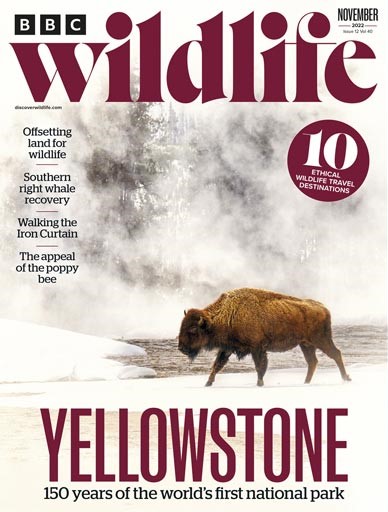
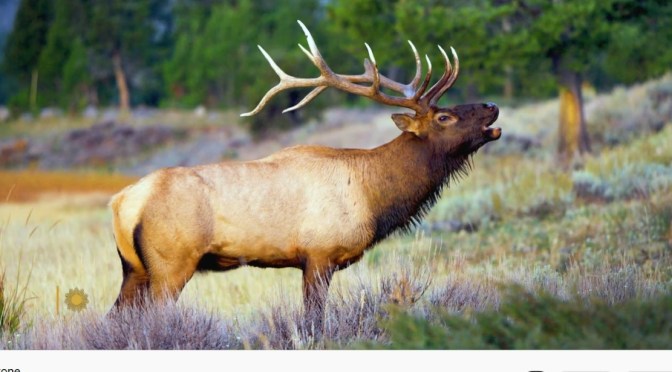
“Sunday Morning” leaves us this morning with elk bugling at Yellowstone National Park. Videographer: Doug Jensen.
Yellowstone’s autumn is defined in many ways-frost on morning grass, color creeping into shimmering aspen leaves, ice rimming mountain ponds. There are sights and smells to a Yellowstone autumn, elements that, if you’ve visited here many times, become as familiar as old friends. But nothing etches the lens through which we see fall as much as the rut of the elk, Cervus alaphus. The reason for this is almost entirely auditory.
The Sound of a Bull Elk in Autumn
If you’ve never heard the bugle of the bull elk during the fall rutting period, you are in for an experience that is at once thrilling and haunting. The sound of a bull elk bugling is something that draws many visitors to Yellowstone each autumn, for it is an experience as memorable as anything you are likely to have in the park. In most cases, the bugle starts low and throaty, rising to a high whistle, then dropping to a grunt or a series of grunts. It’s a sound that is difficult for the human alphabet to imitate, a guttural bellow, a shrill pitch, and a hollow grunting. A-a-a-a-a-a-a-a-eeeeeeeeeeeeee-oh. Ee-uh. Ee-uh. Ee-uh. It’s an odd combination that, like the buzz of your first rattlesnake, you’ll never forget.
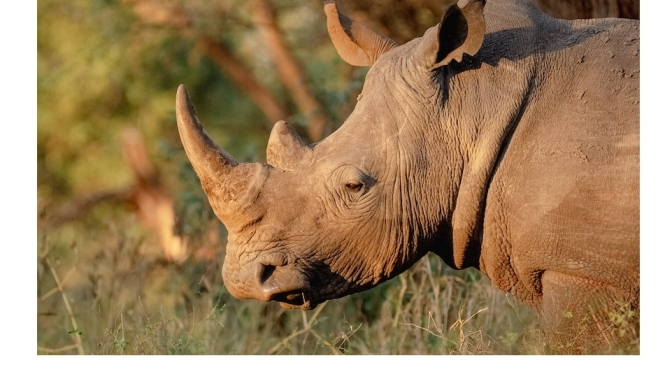
In Zimbabwe, the mighty rhino is making a comeback. In southern Africa, the animal was poached to near extinction in recent decades. We visit a wildlife sanctuary, with an elite anti-poaching team, to see how the animal is being bought back from the brink.
It’s one of the most successful rhino conservation projects in Africa. In south-eastern Zimbabwe, a private wildlife sanctuary is working hard to bring endangered rhinos back from the brink. In decades past, the mighty Black Rhino was poached to near extinction in southern Africa. Its horn, almost worth its weight in gold, makes it a target for organised poaching gangs.
In 1998, the privately-funded Malilangwe Trust had a population of 28 white and 28 black rhinos, imported from South Africa. Today its rhino population numbers in the hundreds. Reporter Michael Davie, an Australian born in Zimbabwe, returns home to witness this extraordinary wildlife success story. He spends time with the sanctuary’s highly trained anti-poaching team, the Malilangwe Scouts, the tip of the spear against the ever present poaching threat.
“Individually you can’t win against poaching and we need every one of us to fight against poachers,” says Patrick, a Sergeant in the Scouts. “You have to be a team, a strong one.” Davie captures all the incredible action of the hectic “rhino ops” where specialists dart the animals from helicopters then move in on 4WDs as they dash across the park. Led by ecologist Sarah Clegg, the rhino ops team collect vital data on the herd.
“They’ve got this reputation of being bad-tempered and dangerous and they are, but I think it’s mostly that they’re just such emotional creatures,” says Sarah, who’s studied the animal for more than two decades. “They’re just insecure, you know? And so they need more love.” Malilangwe increased its rhino population to such an extent that last year, it relocated some of its Black Rhino herd to nearby Gonarezhou National Park — a former killing ground for rhinos.
“It’s what we all aim for in our careers as conservationists,” says Sarah. “It’s a wild park, so being able to put the rhino back into that park is like waking it up again.” This visually stunning story has a powerful message of hope. “Everyone needs to know the rhino is special,” says Patrick.
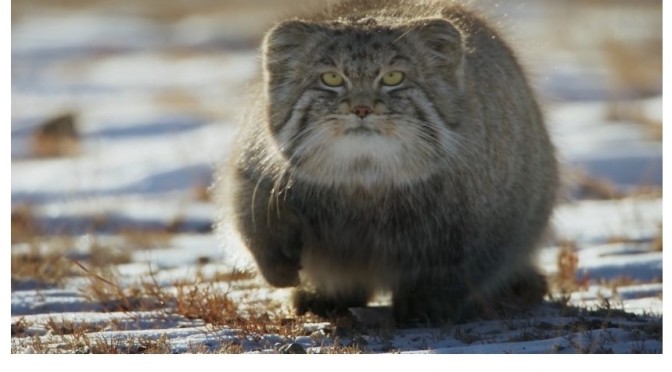
Dinnertime is a gamble for Pallas’s cats, and this one’s hangry. Relative to their body size, they have the shortest legs of any cat, which makes attacking prey in a timely fashion somewhat tricky…
The Pallas’s cat, also known as the manul, is a small wild cat with long and dense light grey fur. Its rounded ears are set low on the sides of the head. Its head-and-body length ranges from 46 to 65 cm with a 21 to 31 cm long bushy tail.
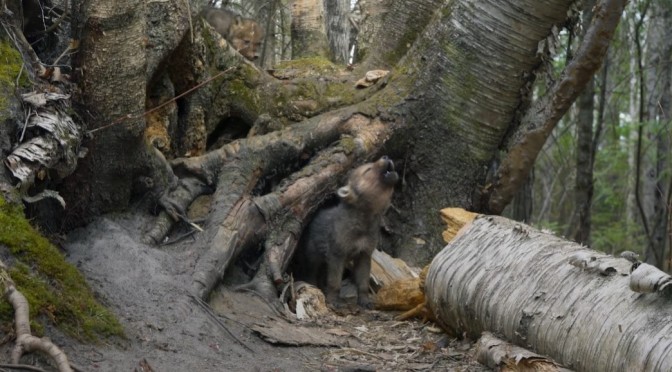
In a race against time, the crew works to microchip a pack of wolf pups and return the pups to their den as quickly as possible—all while setting up their cameras in time to capture some truly heart-melting shots. Witness the wildlife of North America as you’ve never seen it before on #AmericaTheBeautifulSeries, narrated by Michael B. Jordan.
Filmed in Voyageurs National Park, Minnesota. Voyageurs National Park is in northern Minnesota, near the Canadian border. It covers a vast area and is known for its forests, waterways and huge, island-dotted Rainy, Kabetogama and Namakan lakes. The Ellsworth Rock Gardens, created by artist Jack Ellsworth, are a series of abstract sculptures on a terraced outcrop. The remote Kettle Falls area has a dam and a red-roofed hotel, both from the early 20th century.
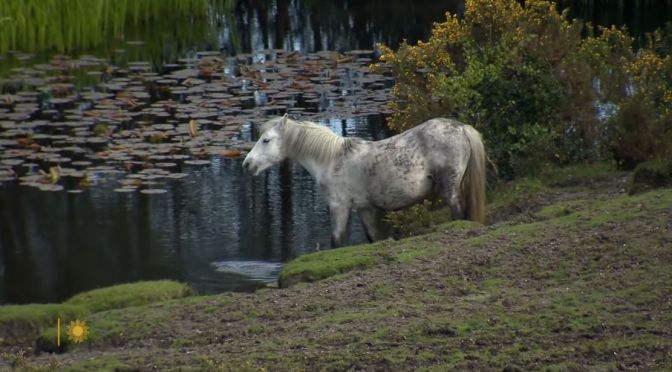
“Sunday Morning” takes us to New Forest National Park, the site of England’s first royal hunting ground established in the year 1079. Videographer: Henry Bautista.
The New Forest is an area of southern England that includes New Forest National Park. The region is known for its heathland, forest trails and native ponies. In the southeast, the National Motor Museum houses F1 race cars and vintage motorbikes. Exbury Gardens & Steam Railway is home to exotic trees, plus colourful rhododendrons and azaleas. Owls, otters and wolves are among the residents of New Forest Wildlife Park.
News, Views and Reviews For The Intellectually Curious

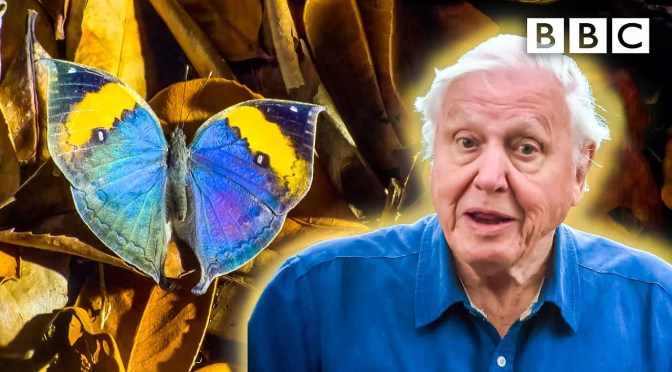
 David Attenborough recounts some of his timeless moments exploring the natural world with BBC Studios’ dedicated Natural History Unit. From his first major series Zoo Quest in 1954 to the amazing advances in technology that have made shows like The Green Planet possible.

 Boomers Daily